 Vorschau anzeigen
 Versenden
 Teilen
 Details anzeigen

 Herunterladen
 Ähnliche Objekte
 Röntgenaufnahme
 Diashow
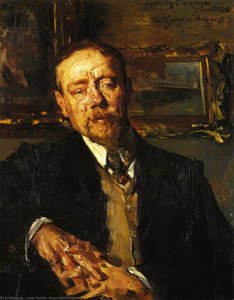
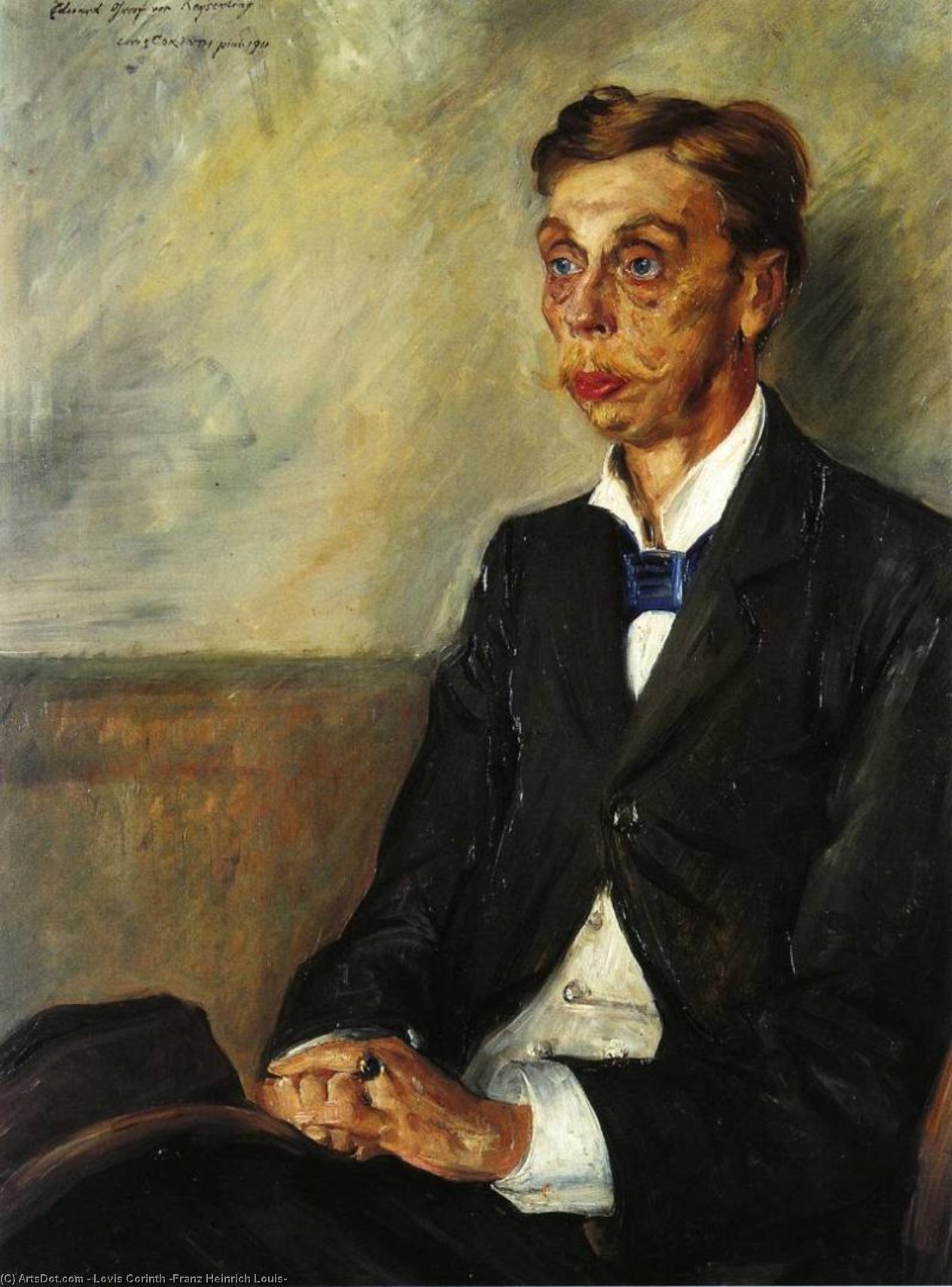
Portrait of Eduard, Count Keyserling


 Weiterlesen
Handgefertigte Ölreproduktion
Handgemaltes Ölgemälde auf Leinwand in Ihrer Wunschgröße und mit Rahmen, auf Bestellung von unseren Künstlern angefertigt. ( Druck bestellen Bild kaufen)




P118B $10

P118H $10

P118W $10

P438Z $10

P508JH $12

P508YH $12

P805H $10

P805Z $10

P919BZ $10

P919G $10

P919XJ $10

P959ZH $10

P968JZ $12

W106C $8

W218G $10

W218JH $8

W218Y $10

W307PJ $10

W316G $10

W316PJ $8

W316Y $10

W398PJ $8

W4111J $10

W500HY $15

W500JH $15

W692G $12

W849H $8

W940BG $15

W953PJ $8




Wählen Sie aus unseren vordefinierten Formaten, die den ursprünglichen Proportionen des Kunstwerks entsprechen.

Sie können Ihre eigenen Maße eingeben, um einen bestimmten Rahmen oder Platz auszufüllen. Wenn die gewählte Größe nicht den Proportionen des Originalbildes entspricht, werden wir das Kunstwerk entweder beschneiden oder das Gemälde durch zusätzliche, handgemalte Elemente erweitern. Ein digitales Mockup wird Ihnen zur Genehmigung zugesandt, bevor die Produktion beginnt.
Bitte beachten Sie, dass die Bildschirmvorschau nicht die tatsächliche Beschneidung oder Erweiterung widerspiegelt. Nur das Mockup zeigt die endgültige Komposition exakt an.
Obwohl Sondermaße verfügbar sind, empfehlen wir, eine Größe aus der vordefinierten Liste zu wählen, um die ursprünglichen Proportionen beizubehalten.
Nach der Bestellung wird das ArtsDot.com-Team dem Kunden Anweisungen per E-Mail zusenden und eine Mockup-Vorschau bereitstellen.
Weltweiter Versand () in nur 3 bis 4 Wochen statt der üblichen 5 Wochen. (22 August). Keine Kompromisse bei der Qualität.

Kostenloser weltweiter Expressversand

Hochwertige Leinenleinwand

Umfassender Versicherungsschutz beim Versand

Zollgebühren-Rückerstattungsgarantie

Garantie für exakte Farbtreue

60 Tage Rückgaberecht (nur bei Mängeln)

100% Geld-zurück-Garantie

Mengenrabatt verfügbar
 Die Glasoption ist nur für Größen unter 110 cm verfügbar.

Portrait of Eduard, Count Keyserling
Art der Reproduktion
Format der Reproduktion
-


Gesamtpreis
$ 263
Beschreibung des Kunstwerks
A Gaze Through the Veil of Time
In the quiet intensity of Lovis Corinth’s Portrait of Eduard, Count Keyserling, one does not simply encounter a likeness; one meets a soul. Painted around 1900, this masterpiece serves as a profound psychological window, capturing much more than the aristocratic features of its subject. The portrait is anchored by a gaze that feels startlingly immediate, a deliberate and piercing look designed to unsettle the viewer and invite deep contemplation. As you stand before this canvas, the boundaries between the historical past and the present moment seem to dissolve, leaving only the raw, unshielded connection between the observer and the observed.
The subject, Count Keyserling, is rendered with a complexity that transcends traditional portraiture. While his formal attire speaks to his social standing, Corinth’s brushwork whispers of a deeper, more turbulent reality. There is an unmistakable sense of psychological depth here, as if the artist has peeled back the layers of nobility to reveal the underlying anxieties and inner reflections of a man navigating a changing world. For the collector or the enthusiast of fine art, this piece offers a rare opportunity to possess a fragment of history that breathes with life.
The Visceral Language of Expressionism
To understand the power of this work, one must look closely at Corinth’s revolutionary technique. Moving away from the polished, smooth surfaces of academic realism, Corinth embraced the burgeoning movement of Early Expressionism. He utilized a thick, tactile application of paint known as impasto, creating a surface that vibrates with physical energy. The brushstrokes are loose, gestural, and unapologetically visible, lending the portrait a sense of motion and urgency.
The color palette is a masterclass in dramatic tension. A somber foundation of deep browns and midnight blacks dominates the composition, providing a heavy, atmospheric backdrop that pushes the subject forward. However, it is the strategic placement of vibrant crimson and warm ochre that breathes life into the face and clothing. These splashes of color are not merely decorative; they act as emotional conduits, highlighting the contours of the Count's features and suggesting a flicker of vitality amidst the surrounding shadows. This interplay of light and dark creates a chiaroscuro effect that lends the portrait a sculptural, almost three-dimensional presence on the wall.
A Legacy of Emotional Resonance
Historically, this painting emerged during a period of profound European upheaval. As the soft, fleeting light of Impressionism began to fade, artists like Corinth, Munch, and Kokoschka sought a new way to express the mounting uncertainties of the modern age. This portrait stands as a vital bridge between those two eras—retaining a sense of naturalistic detail while pioneering the distorted perspectives and heightened emotions that would define 20th-century art.
For the interior designer or the discerning decorator, the Portrait of Eduard, Count Keyserling offers an unparalleled sense of gravitas. It is a piece designed for spaces that demand character and intellectual weight—a library, a study, or a formal gallery. The artwork does not merely occupy space; it commands it. By integrating a high-quality reproduction of this work into a curated environment, one introduces a narrative of resilience, complexity, and timeless beauty, ensuring that the conversation within the room is always centered around the profound power of human emotion.
Ähnliche Kunstwerke
Über den Künstler
Frühes Leben und Ausbildung
Lovis Corinth, geboren Franz Heinrich Louis am 21. Juli 1858 in Tapiau, Preußen, war ein deutscher Künstler und Schriftsteller, dessen reifes Werk als Maler und Grafiker eine Synthese aus Impressionismus und Expressionismus realisierte. Corinthians frühes Leben war geprägt von seinem Talent zum Zeichnen, das ihn dazu veranlasste, ab 1876 an der Akademie Königsbergs Malerei zu studieren.Künstlerische Entwicklung
Corinthians künstlerische Entwicklung wurde von mehreren Schlüsselfiguren und Bewegungen beeinflusst:- Lovis Corinth's frühe Arbeit war naturalistisch geprägt, was durch seinen Lehrer Otto Günther gefördert wurde.
- Er studierte unter Ludwig von Löfftz an der Akademie der Bildenden Künste München, die eine sorgfältige Beobachtung von Farben und Werten betonte.
- Corinth wurde auch von Courbet und der Barbizon-Schule sowie von den Werken Rubes während seiner Zeit in Antwerpen beeinflusst.
Wichtige Werke und Stil
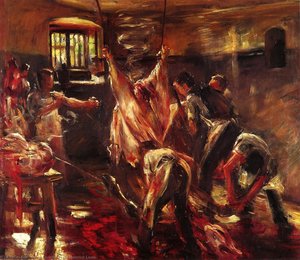
Zu Corinthians bemerkenswertesten Werken gehören:- In der Schlachthof-Szene (78 x 89 cm, Staatsgalerie Stuttgart, Deutschland), das seine Verwendung von Öl auf Leinwand zeigt.
- Selbstbildnis (47 x 53 cm, Kunsthalle Bremen, Deutschland), das sein Können im Zeichnen demonstriert.
- weibliche Halbnackte mit Hut (283 x 383 cm, Kunstpalast Düsseldorf, Deutschland), das seine Verwendung von Bleistift hervorhebt.
Späteres Leben und Vermächtnis
Corinthians späteres Leben war geprägt von seiner Präsidentschaft der Berliner Sezession von 1915 bis 1925. Er veröffentlichte auch zahlreiche Essays über Kunstgeschichte, darunter "Das Erlernen der Malerei" im Jahr 1908. Corinth starb am 17. Juli 1925 nach einem Schlaganfall im Jahr 1911, der ihn teilweise gelähmt hatte. Wichtige Links:- Besuchen Sie die Künstlerseite von Lovis Corinth auf ArtsDot
- Lesen Sie mehr über Lovis Corinth auf Wikipedia
- Sehen Sie "In der Schlachthof-Szene" von Lovis Corinth auf ArtsDot
Bedeutung und Einfluss
Corinth gilt als einer der wichtigsten Künstler des deutschen Modernismus. Seine Werke verbinden impressionistische Elemente mit expressionistischen Tendenzen, was ihm eine einzigartige Position in der Kunstgeschichte einbrachte. Er beeinflusste nachfolgende Generationen von Künstlern und trug maßgeblich zur Entwicklung der modernen Kunst in Deutschland bei. Sein Einfluss ist bis heute spürbar.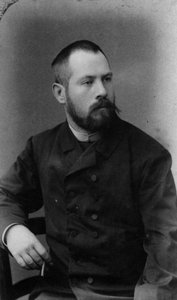
Lovis Corinth
1858 - 1925 , Niederlande
Kurzinfos
- Beeinflusste Künstler:
- Kirchner
- Beckmann
- Baselitz
- Bemerkenswerte Werke:
- In der Schlachthof-Szene
- Selbstbildnis
- Female Semi-Nude with Hat
- Einflüsse:
- Courbet
- Barbizon Schule
- Rubens
- Geburtsdatum: 21. Juli 1858
- Geburtsort: Tauwade, Niederlande
- Künstlerische Richtung: Impressionismus & Expressionismus
- Nationalität: Deutsch
- Sterbedatum: 17. Juli 1925
- Vollständiger Name: Lovis Corinth (Franz Heinrich Louis)
Ähnliche Artikel
Lovis Corinth: Brückenbauer zwischen Impressionismus und Expressionismus – Eine künstlerische Entwicklung
Entdecken Sie Lovis Corinths faszinierende künstlerische Entwicklung! Von Realismus über Impressionismus bis Expressionismus – eine detaillierte Analyse seiner Werke, seines Einflusses und der Berliner Secession. Jetzt lesen!

The Enduring Legacy of Oil on Canvas: Technique, History & Aesthetic Impact
Explore the rich history & techniques of oil painting – from Renaissance masters to Impressionism. Discover pigments, layering methods, and why this timeless medium endures. Expert insights for artists & art enthusiasts.

Öl auf Leinwand: Eine historische und technische Erkundung eines zeitlosen künstlerischen Mediums
Entdecken Sie die faszinierende Welt der Ölmalerei! Von historischen Techniken bis zur modernen Anwendung – wir bieten Expertenwissen, Restaurierungstipps und hochwertige Reproduktionen. Jetzt informieren!

The Enduring Power of Painting: A Historical & Contemporary Exploration of Form and Emotion
Explore the rich history & enduring techniques of oil painting with ArtsDot. Discover masterpieces, learn about art collecting, and find authentic handmade reproductions crafted by skilled artists.
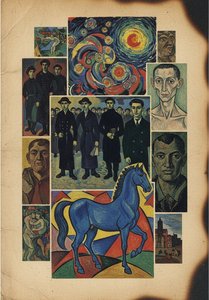
Deutsche Expressionismus Meisterwerke: Die 10 wichtigsten Kunstwerke für Ihr Zuhause
Entdecken Sie die 10 bedeutendsten Werke des Deutschen Expressionismus! Kirchner, Nolde & Co. – ihre Geschichten, Techniken und zeitlose Schönheit. Hochwertige Kunstdrucke auf ArtsDot.com kaufen und Ihr Zuhause mit emotionaler Kunst bereichern. Jetzt entdecken!