 Vorschau anzeigen
 Versenden
 Teilen
 Details anzeigen

 Herunterladen
 Ähnliche Objekte
 Röntgenaufnahme
 Diashow
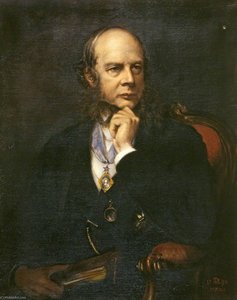
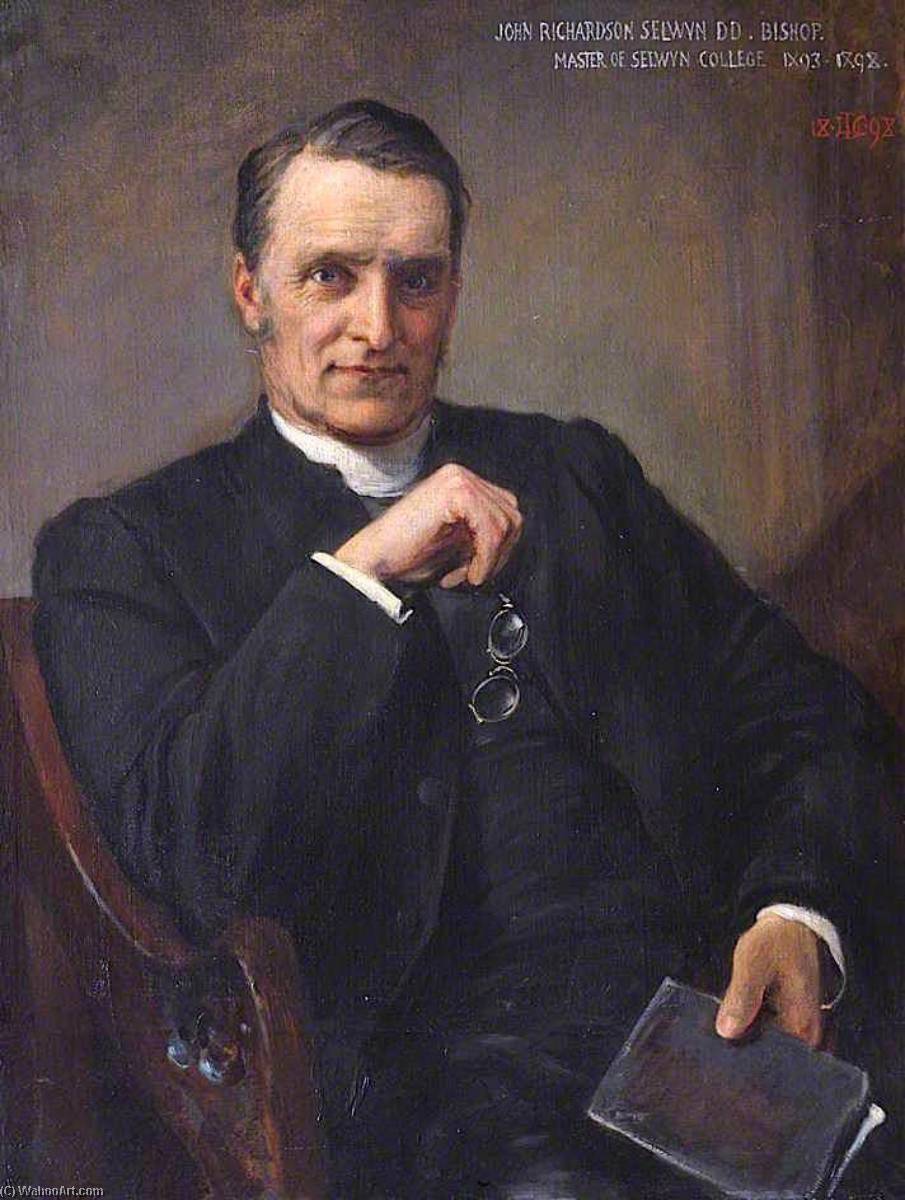
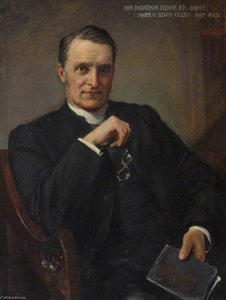
John Richardson Selwyn, DD, Bishop, Master
 Acrylic On Canvas
- WallArt
- Academic Realism
 1898
1898 36.0 x 28.0 cm
 Universität Cambridge
 Weiterlesen
Giclée / Kunstdruck
Giclée- oder Leinwanddruck in Museumsqualität mit schneller Produktion und flexiblen Veredelungsoptionen. ( Handgemalte Reproduktion bestellen Bild kaufen)




P118B $10

P118H $10

P118W $10

P438Z $10

P508JH $12

P508YH $12

P805H $10

P805Z $10

P919BZ $10

P919G $10

P919XJ $10

P959ZH $10

P968JZ $12

W106C $8

W218G $10

W218JH $8

W218Y $10

W307PJ $10

W316G $10

W316PJ $8

W316Y $10

W398PJ $8

W4111J $10

W500HY $15

W500JH $15

W692G $12

W849H $8

W940BG $15

W953PJ $8




Wählen Sie aus unseren vordefinierten Formaten, die den ursprünglichen Proportionen des Kunstwerks entsprechen.

Sie können Ihre eigenen Maße eingeben, um ein bestimmtes Format oder einen speziellen Platz einzupassen. Wenn das von Ihnen gewählte Format nicht den Proportionen des Originalbildes entspricht, werden wir das Kunstwerk entweder beschneiden oder das Bild mit einem gespiegelten oder einfarbigen Rand erweitern. Ein digitaler Entwurf wird Ihnen zur Genehmigung zugesandt, bevor die Produktion beginnt.
Bitte beachten Sie, dass die Vorschau auf dem Bildschirm nicht den tatsächlichen Zuschnitt oder die Erweiterung widerspiegelt. Nur der Entwurf zeigt die endgültige Komposition präzise an.
Obwohl Sondermaße verfügbar sind, empfehlen wir die Auswahl eines Maßes aus der vordefinierten Liste, um die ursprünglichen Proportionen zu bewahren.
Weltweiter Versand () innerhalb von 2 Wochen statt der üblichen 4/5 Wochen. (26 August)

Kostenloser weltweiter Expressversand

Hochwertige Leinenleinwand

Umfassender Versicherungsschutz beim Versand

Zollgebühren-Rückerstattungsgarantie

Garantie für exakte Farbtreue

60 Tage Rückgaberecht (nur bei Mängeln)

100% Geld-zurück-Garantie

Mengenrabatt verfügbar
 Die Glasoption ist nur für Größen unter 110 cm verfügbar.

John Richardson Selwyn, DD, Bishop, Master
Giclée / Kunstdruck
Format der Reproduktion
-


Gesamtpreis
$ 62
Sammlerstück-Beschreibung
The Subject: A Man of Faith and Influence
Lowes Cato Dickinson’s 1898 oil painting captures John Richardson Selwyn, a figure deeply rooted in both the ecclesiastical and social landscapes of late Victorian England. Selwyn wasn't merely a Bishop; he was a man of considerable influence – the second Bishop of Melanesia, a pivotal role in establishing an Anglican presence within the diverse islands of the Pacific. His appointment marked a significant step in missionary efforts, reflecting the era’s complex engagement with colonialism and its accompanying responsibilities. Beyond his religious duties, Selwyn held positions of leadership within the Working Men's College, a pioneering institution dedicated to providing educational opportunities for artisans – a testament to his commitment to social reform and accessible learning.
The portrait itself presents Selwyn as an elder statesman, radiating an aura of quiet authority and thoughtful contemplation. His posture, seated with hands crossed in a gesture of deliberate repose, speaks volumes about his character—a blend of solemnity and inner strength. The inclusion of spectacles suggests not only his intellectual pursuits but also a dedication to careful observation and reasoned judgment – qualities highly valued within the context of his role as Bishop.
The Style: Realism Infused with Victorian Detail
Dickinson’s style leans heavily into the tenets of academic realism, prevalent during the late 19th century. He meticulously renders Selwyn's features – the lines etched by age and experience around his eyes, the subtle curve of his mustache, the dignified set of his jaw—with a remarkable degree of accuracy. However, Dickinson doesn’t simply aim for photographic likeness; he imbues the portrait with a distinctly Victorian sensibility. The rich palette, dominated by deep browns, blues, and golds, evokes a sense of gravitas and tradition. The careful attention to detail – the texture of his clothing, the sheen of his spectacles, the subtle play of light on his face—demonstrates Dickinson’s mastery of technique and his ability to capture not just appearance but also character.
Furthermore, the composition itself is carefully orchestrated. The arrangement of objects within the scene – the chair, the book, the two clocks – serves to anchor Selwyn in a specific environment, suggesting an intellectual and scholarly atmosphere. These elements aren’t merely decorative; they contribute to the overall narrative, hinting at his multifaceted life as a religious leader, educator, and thoughtful observer.
Technique & Historical Context
Dickinson's technique is characterized by a smooth, blended brushstroke, creating an illusion of depth and volume. He skillfully employs chiaroscuro – the dramatic contrast between light and shadow – to sculpt Selwyn’s form and emphasize his features. This technique was particularly favored by Victorian portrait painters, allowing them to convey both physical likeness and psychological character. The painting's creation coincided with a period of significant social and political change in Britain—the rise of industrialization, the expansion of the British Empire, and growing concerns about poverty and inequality. These broader societal shifts undoubtedly informed Dickinson’s approach to portraiture, encouraging him to capture not just outward appearances but also the inner lives and complex roles of his subjects.
Notably, Dickinson frequently worked with photographs in his portraits, often using them as a basis for his paintings. This practice reflects the increasing availability of photographic technology during this era and demonstrates Dickinson’s willingness to embrace new artistic tools while retaining his own distinctive style. The inclusion of the clocks adds another layer of historical context, referencing the burgeoning interest in timekeeping and its impact on Victorian society.
Symbolism & Emotional Impact
Beyond the literal depiction of Selwyn, the portrait is rich in symbolic meaning. His seated posture and crossed hands convey a sense of contemplation and inner peace—a reflection of his spiritual life and leadership role. The spectacles symbolize his intellectual pursuits and his commitment to reasoned judgment. The book suggests a lifelong engagement with knowledge and learning. Overall, Dickinson’s painting offers a powerful glimpse into the character of a man who dedicated his life to both faith and service, embodying the values and aspirations of Victorian England.
Reproductions of this compelling portrait capture not only its visual beauty but also the profound sense of dignity and wisdom it conveys. It stands as a testament to Dickinson’s skill as an artist and a poignant reminder of a significant figure in Victorian history.
Ähnliche Kunstwerke
Über den Künstler
Leben und Ursprünge
- Geboren: Kilburn, Vereinigtes Königreich (1819)
- Gestorben: 1908
- Lowes Cato Dickinson wurde am 27. November 1819 in Kilburn, London, geboren. Er gehörte zu einer großen Familie mit elf Geschwistern.
- Sein Vater, Joseph Dickinson, war ein Lithograph und Kunstverleger in Bond Street. Lowes erhielt seine frühe Schulbildung an der Topsham School und der Dr Lord's School in Tooting.
- Nach dem Tod seines Vaters im Jahr 1849 wurde er Teilhaber der Firma Dickinson Brothers of Bond Street zusammen mit seinen beiden ältesten Brüdern, Gilbert Bell Dickinson und William Robert Dickinson.
Künstlerische Entwicklung und Einflüsse
- Dickinson absolvierte zunächst eine Lehre bei seinem Vater und sammelte Erfahrungen in Lithographie und Kunstveröffentlichung.
- Er reiste um 1850 für drei Jahre nach Italien, was seine künstlerische Entwicklung maßgeblich beeinflusste.
- Er war mit der Präraffaeliten-Bewegung verbunden, korrespondierte und arbeitete mit wichtigen Figuren wie Dante Gabriel Rossetti und John Ruskin zusammen. Er hielt Vorträge neben ihnen.
- Dickinson unterrichtete Zeichnen am Working Men's College zusammen mit Ruskin und Rossetti.
- Ford Madox Brown arbeitete für Dickinson Brothers, was eine Verbindung zu bedeutenden Künstlerkreisen demonstrierte.
Hauptwerke und Stil
- Porträtmalerei: Dickinson war in erster Linie als Porträtmaler bekannt und porträtierte zahlreiche viktorianische Persönlichkeiten.
- Gruppenporträts: Er schuf bemerkenswerte Gruppenporträts, darunter das Kabinett von Mr. Gladstone aus dem Jahr 1868, abgebildet im Cabinet Room des 10 Downing Street.
- Postume Porträts: Er entwickelte eine einzigartige Fähigkeit, posthum Porträts anhand von Fotografien oder Beschreibungen zu erstellen.
- Sujets: Seine Motive umfassten Königin Victoria, Parlamentsmitglieder, Wissenschaftler (Arthur Cayley, James Clerk Maxwell) und christliche Sozialisten (Charles Kingsley, Thomas Hughes).
- Stil: Obwohl er von den Präraffaeliten beeinflusst war, zeichnete sich sein Stil durch einen Fokus auf Realismus und detaillierte Darstellung aus. Er malte oft nur Gesichter, wobei andere Künstler die Kleidung fertigstellten.
Christlicher Sozialismus und soziales Engagement
- Dickinson engagierte sich tief im christlichen Sozialismus.
- Er war Mitbegründer des Working Men's College in London im Jahr 1854, das der Bereitstellung einer liberalen Bildung für Arbeiterklasse gewidmet war.
- Seine Porträts stellten oft prominente Persönlichkeiten innerhalb des christlichen Sozialistenkreises dar und spiegeln sein Engagement für soziale Reform wider.
Vermächtnis und historische Bedeutung
- Dickinsons Werke befinden sich in der National Portrait Gallery in London, was seinen bedeutenden Beitrag zur britischen Porträtmalerei zeigt.
- Das Working Men's College ehrt ihn weiterhin durch den Lowes Dickinson Award, einen jährlichen Kunstpreis für Studenten.
- Seine Kinder richteten einen Reisepreis zu seinem Gedenken ein und festigten so sein Vermächtnis weiter.
- Dickinsons Papiere befinden sich an der Princeton University, der Universität Oxford und der Universität Cambridge und stellen wertvolle Ressourcen für Wissenschaftler bereit, die das viktorianische Kunst- und Sozialgeschichte studieren.
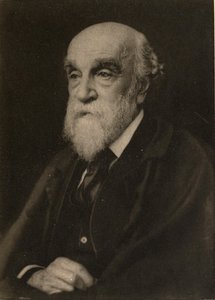
Lowes Cato Dickinson
1819 - 1908 , Vereinigtes Königreich
Kurzinfos
- Beeinflusste Künstler:
- John Ruskin
- Dante Gabriel Rossetti
- Geburtsdatum: 27. November 1819
- Geburtsort: Kilburn, Vereinigtes Königreich
- Künstlerische Bewegung: Portraitmalerei, Christlicher Sozialismus
- Nationalität: Britisch
- Sterbedatum: 15. Dezember 1908
- Vollständiger Name: Lowes Cato Dickinson
- Von Künstlern Beeinflusst: ['Ford Madox Brown']
Ähnliche Artikel

The Enduring Legacy of Oil on Canvas: Technique, History & Aesthetic Impact
Explore the rich history & techniques of oil painting – from Renaissance masters to Impressionism. Discover pigments, layering methods, and why this timeless medium endures. Expert insights for artists & art enthusiasts.

Öl auf Leinwand: Eine historische und technische Erkundung eines zeitlosen künstlerischen Mediums
Entdecken Sie die faszinierende Welt der Ölmalerei! Von historischen Techniken bis zur modernen Anwendung – wir bieten Expertenwissen, Restaurierungstipps und hochwertige Reproduktionen. Jetzt informieren!

The Enduring Power of Painting: A Historical & Contemporary Exploration of Form and Emotion
Explore the rich history & enduring techniques of oil painting with ArtsDot. Discover masterpieces, learn about art collecting, and find authentic handmade reproductions crafted by skilled artists.

Das bleibende Erbe der Ölmalerei: Technik, Geschichte und zeitgenössische Praxis
Entdecken Sie die faszinierende Geschichte der Ölmalerei – von den frühen Techniken bis zur modernen Kunst. Expertenwissen, detaillierte Analysen und Inspiration für Sammler & Kunstliebhaber.
Verkaufen Sie Ihr digitales Bild als handgemalte Öl‑Reproduktion – Museum‑Qualität, automatisierte Preisberechnung und hohe Gewinnmarge!
Entdecken Sie die Kunst des Handgemalten Öl‑Reproduktionen von ArtsDot – museum‑qualitativ, mit automatisierter Preisberechnung und 100 % Zufriedenheitsgarantie. Vertrauen Sie unserem Expertennetzwerk für NFT‑Sammler, um Ihr digitales Bild in ein zeitloses Erbe zu verwandeln.