 Vorschau anzeigen
 Versenden
 Teilen
 Details anzeigen

 Herunterladen
 Ähnliche Objekte
 Röntgenaufnahme
 Diashow
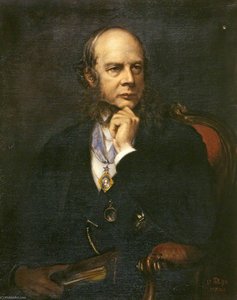
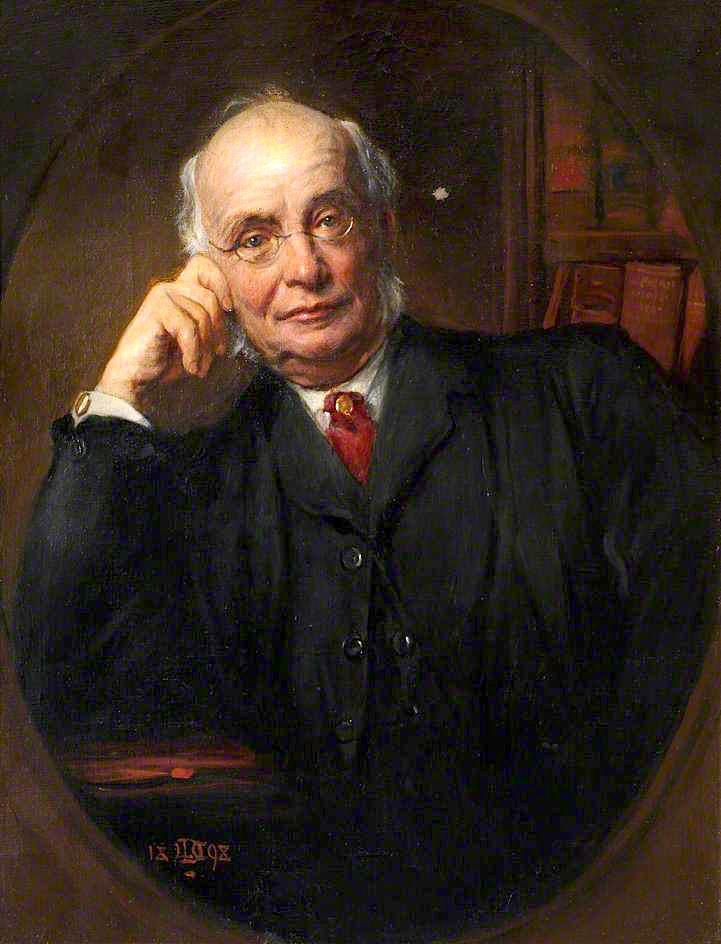
Joseph Prior, Fellow and Tutor
 Oil On Canvas
- WallArt
- Victorian Portraiture
 1898
1898 74.0 x 62.0 cm
 Universität Cambridge
 Weiterlesen
Handgefertigte Ölreproduktion
Handgemaltes Ölgemälde auf Leinwand in Ihrer Wunschgröße und mit Rahmen, auf Bestellung von unseren Künstlern angefertigt. ( Druck bestellen Bild kaufen)




P118B $10

P118H $10

P118W $10

P438Z $10

P508JH $12

P508YH $12

P805H $10

P805Z $10

P919BZ $10

P919G $10

P919XJ $10

P959ZH $10

P968JZ $12

W106C $8

W218G $10

W218JH $8

W218Y $10

W307PJ $10

W316G $10

W316PJ $8

W316Y $10

W398PJ $8

W4111J $10

W500HY $15

W500JH $15

W692G $12

W849H $8

W940BG $15

W953PJ $8




Wählen Sie aus unseren vordefinierten Formaten, die den ursprünglichen Proportionen des Kunstwerks entsprechen.

Sie können Ihre eigenen Maße eingeben, um einen bestimmten Rahmen oder Platz auszufüllen. Wenn die gewählte Größe nicht den Proportionen des Originalbildes entspricht, werden wir das Kunstwerk entweder beschneiden oder das Gemälde durch zusätzliche, handgemalte Elemente erweitern. Ein digitales Mockup wird Ihnen zur Genehmigung zugesandt, bevor die Produktion beginnt.
Bitte beachten Sie, dass die Bildschirmvorschau nicht die tatsächliche Beschneidung oder Erweiterung widerspiegelt. Nur das Mockup zeigt die endgültige Komposition exakt an.
Obwohl Sondermaße verfügbar sind, empfehlen wir, eine Größe aus der vordefinierten Liste zu wählen, um die ursprünglichen Proportionen beizubehalten.
Nach der Bestellung wird das ArtsDot.com-Team dem Kunden Anweisungen per E-Mail zusenden und eine Mockup-Vorschau bereitstellen.
Weltweiter Versand () in nur 3 bis 4 Wochen statt der üblichen 5 Wochen. (21 August). Keine Kompromisse bei der Qualität.

Kostenloser weltweiter Expressversand

Hochwertige Leinenleinwand

Umfassender Versicherungsschutz beim Versand

Zollgebühren-Rückerstattungsgarantie

Garantie für exakte Farbtreue

60 Tage Rückgaberecht (nur bei Mängeln)

100% Geld-zurück-Garantie

Mengenrabatt verfügbar
 Die Glasoption ist nur für Größen unter 110 cm verfügbar.

Joseph Prior, Fellow and Tutor
Art der Reproduktion
Format der Reproduktion
-


Gesamtpreis
$ 263
Beschreibung des Kunstwerks
The Quiet Dignity of Joseph Prior
Lowes Cato Dickinson’s “Joseph Prior, Fellow and Tutor,” painted in 1898, is more than just a portrait; it's a carefully constructed tableau of Victorian intellect and understated moral conviction. The canvas presents us with a man of considerable presence – not through flamboyant gesture or dramatic lighting, but through the quiet authority of his bearing and the thoughtful gaze directed out from beneath the rim of his spectacles. Prior, a prominent figure at Trinity College, Cambridge, is depicted in a richly appointed study, a space that speaks volumes about his scholarly pursuits and social standing. The room itself – bookshelves overflowing with weighty tomes, a writing desk cluttered with papers – isn’t merely a backdrop; it actively participates in the narrative of the portrait, suggesting a life dedicated to learning and service.
Dickinson, a key figure within the artistic circles surrounding the Pre-Raphaelites and deeply involved in the burgeoning Christian socialist movement, imbues this painting with a distinctly moral sensibility. Prior’s attire – a dark suit, a crisp white shirt, and a neatly tied red tie – speaks to his respectability and adherence to Victorian social norms. However, it's the subtle details that reveal his character: the slight furrow of his brow, hinting at contemplation; the gentle curve of his lips, suggesting a quiet dignity; and most notably, the pair of spectacles perched on his nose—a symbol of intellectual pursuit and perhaps, a touch of self-awareness. Dickinson’s skill lies in capturing not just likeness but also an essence, a sense of inner life that transcends mere physical representation.
A Study in Victorian Scholarship
Dickinson's technique is characterized by a meticulous realism tempered with a painterly softness. He employs a layered approach, building up the form through careful observation and subtle gradations of tone. The lighting, diffused and warm, casts gentle shadows that define the contours of Prior’s face and clothing, creating a sense of depth and volume. Note the delicate rendering of the textures – the velvet of his jacket, the worn leather of the desk, the aged paper of the books—each element contributing to the overall impression of authenticity. The artist's attention to detail is particularly evident in the depiction of Prior’s hands resting on the writing desk; they are rendered with a remarkable level of precision, conveying both strength and sensitivity.
The composition itself is carefully balanced, drawing the eye inward towards Prior’s face while simultaneously establishing his intellectual environment. The bookshelves, arranged vertically, create a sense of order and stability, mirroring the man's own disciplined approach to knowledge. The inclusion of numerous books—a testament to his scholarly pursuits—suggests a life dedicated to learning and reflection. Dickinson masterfully uses space to convey both intimacy and grandeur, creating a portrait that is both personal and historically significant.
Symbolism and Moral Weight
Beyond the straightforward depiction of a learned man, “Joseph Prior” carries a subtle but potent symbolic weight. The Christian socialist movement, which Dickinson championed, emphasized social justice and the importance of education for all. Prior’s role as a Fellow and Tutor at Trinity College suggests his commitment to these ideals—he was not merely an academic but also a teacher and mentor. His spectacles, often associated with wisdom and discernment, further reinforce this message. The painting can be interpreted as a celebration of intellectual achievement coupled with a call to ethical responsibility.
Furthermore, the muted color palette – dominated by browns, grays, and reds—contributes to the portrait’s somber yet dignified tone. These colors evoke a sense of seriousness and introspection, aligning with Prior's character and the moral themes explored within the painting. The red tie, a vibrant splash of color against the otherwise subdued background, might symbolize his commitment to social reform or simply represent his adherence to Victorian conventions.
A Timeless Portrait
“Joseph Prior, Fellow and Tutor” is a remarkable achievement in Victorian portraiture—a testament to Lowes Cato Dickinson’s skill as an artist and his deep understanding of the human condition. It's a painting that invites contemplation, prompting us to consider not only the life of Joseph Prior but also the values he represented: intellectual curiosity, moral integrity, and a commitment to social justice. Reproductions of this piece offer a window into a specific moment in time, capturing the essence of Victorian scholarship and the quiet dignity of a man dedicated to learning and service—a timeless image that continues to resonate with viewers today.
Ähnliche Kunstwerke
Über den Künstler
Leben und Ursprünge
- Geboren: Kilburn, Vereinigtes Königreich (1819)
- Gestorben: 1908
- Lowes Cato Dickinson wurde am 27. November 1819 in Kilburn, London, geboren. Er gehörte zu einer großen Familie mit elf Geschwistern.
- Sein Vater, Joseph Dickinson, war ein Lithograph und Kunstverleger in Bond Street. Lowes erhielt seine frühe Schulbildung an der Topsham School und der Dr Lord's School in Tooting.
- Nach dem Tod seines Vaters im Jahr 1849 wurde er Teilhaber der Firma Dickinson Brothers of Bond Street zusammen mit seinen beiden ältesten Brüdern, Gilbert Bell Dickinson und William Robert Dickinson.
Künstlerische Entwicklung und Einflüsse
- Dickinson absolvierte zunächst eine Lehre bei seinem Vater und sammelte Erfahrungen in Lithographie und Kunstveröffentlichung.
- Er reiste um 1850 für drei Jahre nach Italien, was seine künstlerische Entwicklung maßgeblich beeinflusste.
- Er war mit der Präraffaeliten-Bewegung verbunden, korrespondierte und arbeitete mit wichtigen Figuren wie Dante Gabriel Rossetti und John Ruskin zusammen. Er hielt Vorträge neben ihnen.
- Dickinson unterrichtete Zeichnen am Working Men's College zusammen mit Ruskin und Rossetti.
- Ford Madox Brown arbeitete für Dickinson Brothers, was eine Verbindung zu bedeutenden Künstlerkreisen demonstrierte.
Hauptwerke und Stil
- Porträtmalerei: Dickinson war in erster Linie als Porträtmaler bekannt und porträtierte zahlreiche viktorianische Persönlichkeiten.
- Gruppenporträts: Er schuf bemerkenswerte Gruppenporträts, darunter das Kabinett von Mr. Gladstone aus dem Jahr 1868, abgebildet im Cabinet Room des 10 Downing Street.
- Postume Porträts: Er entwickelte eine einzigartige Fähigkeit, posthum Porträts anhand von Fotografien oder Beschreibungen zu erstellen.
- Sujets: Seine Motive umfassten Königin Victoria, Parlamentsmitglieder, Wissenschaftler (Arthur Cayley, James Clerk Maxwell) und christliche Sozialisten (Charles Kingsley, Thomas Hughes).
- Stil: Obwohl er von den Präraffaeliten beeinflusst war, zeichnete sich sein Stil durch einen Fokus auf Realismus und detaillierte Darstellung aus. Er malte oft nur Gesichter, wobei andere Künstler die Kleidung fertigstellten.
Christlicher Sozialismus und soziales Engagement
- Dickinson engagierte sich tief im christlichen Sozialismus.
- Er war Mitbegründer des Working Men's College in London im Jahr 1854, das der Bereitstellung einer liberalen Bildung für Arbeiterklasse gewidmet war.
- Seine Porträts stellten oft prominente Persönlichkeiten innerhalb des christlichen Sozialistenkreises dar und spiegeln sein Engagement für soziale Reform wider.
Vermächtnis und historische Bedeutung
- Dickinsons Werke befinden sich in der National Portrait Gallery in London, was seinen bedeutenden Beitrag zur britischen Porträtmalerei zeigt.
- Das Working Men's College ehrt ihn weiterhin durch den Lowes Dickinson Award, einen jährlichen Kunstpreis für Studenten.
- Seine Kinder richteten einen Reisepreis zu seinem Gedenken ein und festigten so sein Vermächtnis weiter.
- Dickinsons Papiere befinden sich an der Princeton University, der Universität Oxford und der Universität Cambridge und stellen wertvolle Ressourcen für Wissenschaftler bereit, die das viktorianische Kunst- und Sozialgeschichte studieren.
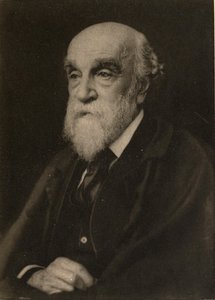
Lowes Cato Dickinson
1819 - 1908 , Vereinigtes Königreich
Kurzinfos
- Beeinflusste Künstler:
- John Ruskin
- Dante Gabriel Rossetti
- Geburtsdatum: 27. November 1819
- Geburtsort: Kilburn, Vereinigtes Königreich
- Künstlerische Bewegung: Portraitmalerei, Christlicher Sozialismus
- Nationalität: Britisch
- Sterbedatum: 15. Dezember 1908
- Vollständiger Name: Lowes Cato Dickinson
- Von Künstlern Beeinflusst: ['Ford Madox Brown']
Ähnliche Artikel
Frederic Leighton: Ästhetizismus, viktorianische Meisterschaft und die Kunst eines Lebensstils
Entdecken Sie das faszinierende Leben und Werk von Frederic Leighton, einem Meister des Ästhetizismus! Erfahren Sie mehr über seine Kunst, den viktorianischen Kontext und sein bleibendes Vermächtnis. Expertenwissen auf ArtsDot.
Akademischer Realismus: Die 10 Meisterwerke, die eine Epoche prägten | ArtsDot
Entdecken Sie die 10 prägendsten Meisterwerke des Akademischen Realismus! Erfahren Sie die Geschichten hinter berühmten Gemälden, Künstlern & Techniken. Hochwertige Reproduktionen für Ihr Zuhause – jetzt auf ArtsDot.com!
James Sant: Capturing Victorian Childhood & the Evolving Landscape of British Genre Painting
Explore the life & art of James Sant (1820-1916), renowned Victorian portraitist to Queen Victoria. Discover his captivating depictions of childhood, landscapes, and aristocratic society. Learn about his legacy & find fine art reproductions.
Die 25 Meisterwerke des British Museum: Kunstgeschichte für Ihr Zuhause | ArtsDot
Entdecken Sie die 25 bedeutendsten Kunstwerke des British Museum! Von ägyptischen Schätzen bis zu Meisterwerken von Rembrandt & Van Gogh – erfahren Sie faszinierende Geschichten und finden Sie hochwertige Reproduktionen für Ihr Zuhause. Jetzt auf ArtsDot.com inspirieren lassen!
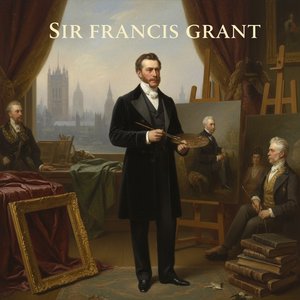
Sir Francis Grant: Portraiture, Patronage & Victorian Society
Explore the life & work of Sir Francis Grant, a leading Victorian portraitist. Discover his aristocratic clientele, role at the Royal Academy, and enduring artistic legacy. Learn about art patronage in 19th-century Britain.