 Vorschau anzeigen
 Versenden
 Teilen
 Details anzeigen

 Herunterladen
 Ähnliche Objekte
 Röntgenaufnahme
 Diashow
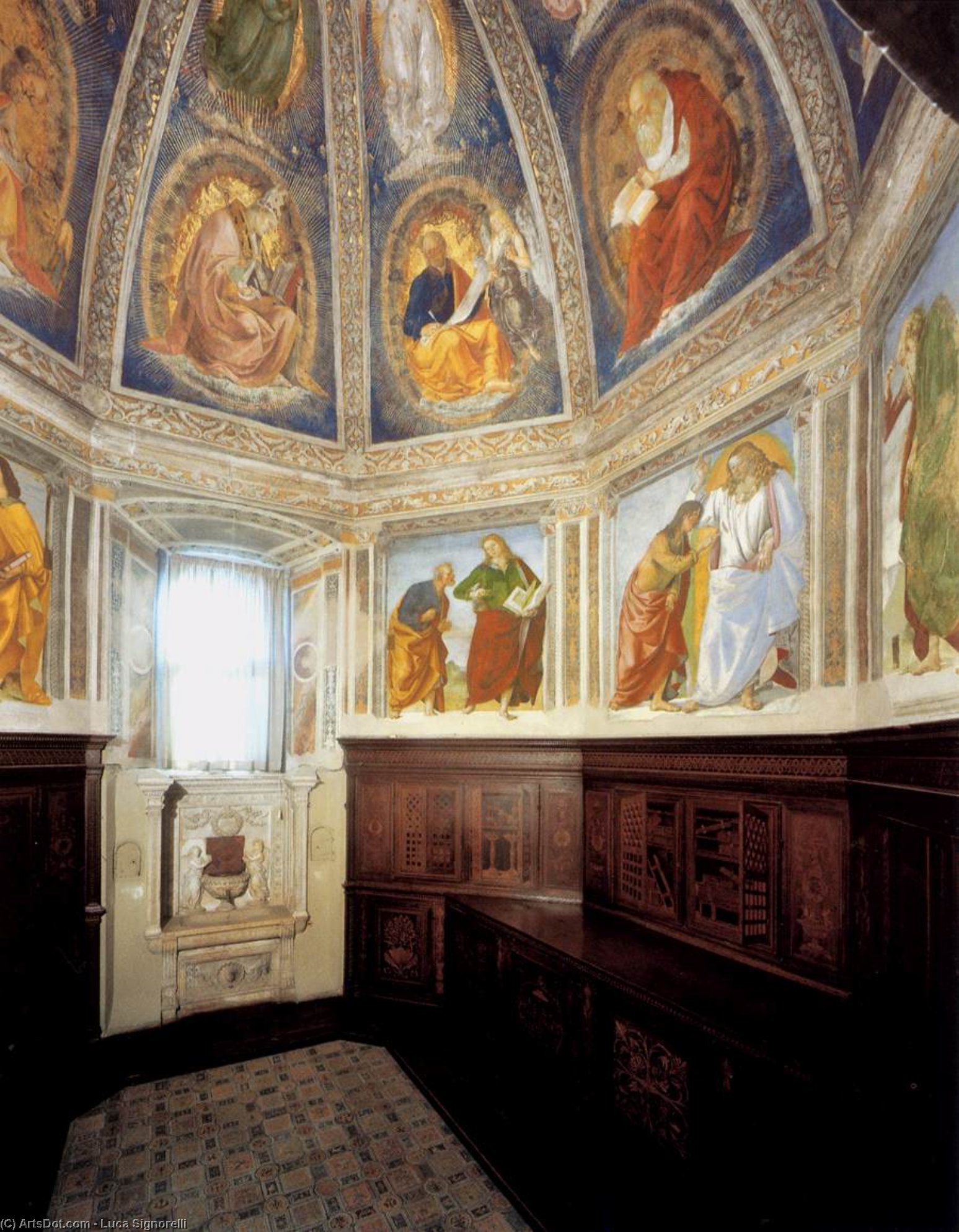
View of the Sacristy of St John


 Weiterlesen
Giclée / Kunstdruck
Giclée- oder Leinwanddruck in Museumsqualität mit schneller Produktion und flexiblen Veredelungsoptionen. ( Handgemalte Reproduktion bestellen Bild kaufen)




P118B $10

P118H $10

P118W $10

P438Z $10

P508JH $12

P508YH $12

P805H $10

P805Z $10

P919BZ $10

P919G $10

P919XJ $10

P959ZH $10

P968JZ $12

W106C $8

W218G $10

W218JH $8

W218Y $10

W307PJ $10

W316G $10

W316PJ $8

W316Y $10

W398PJ $8

W4111J $10

W500HY $15

W500JH $15

W692G $12

W849H $8

W940BG $15

W953PJ $8




Wählen Sie aus unseren vordefinierten Formaten, die den ursprünglichen Proportionen des Kunstwerks entsprechen.

Sie können Ihre eigenen Maße eingeben, um ein bestimmtes Format oder einen speziellen Platz einzupassen. Wenn das von Ihnen gewählte Format nicht den Proportionen des Originalbildes entspricht, werden wir das Kunstwerk entweder beschneiden oder das Bild mit einem gespiegelten oder einfarbigen Rand erweitern. Ein digitaler Entwurf wird Ihnen zur Genehmigung zugesandt, bevor die Produktion beginnt.
Bitte beachten Sie, dass die Vorschau auf dem Bildschirm nicht den tatsächlichen Zuschnitt oder die Erweiterung widerspiegelt. Nur der Entwurf zeigt die endgültige Komposition präzise an.
Obwohl Sondermaße verfügbar sind, empfehlen wir die Auswahl eines Maßes aus der vordefinierten Liste, um die ursprünglichen Proportionen zu bewahren.
Weltweiter Versand () innerhalb von 2 Wochen statt der üblichen 4/5 Wochen. (31 August)

Kostenloser weltweiter Expressversand

Hochwertige Leinenleinwand

Umfassender Versicherungsschutz beim Versand

Zollgebühren-Rückerstattungsgarantie

Garantie für exakte Farbtreue

60 Tage Rückgaberecht (nur bei Mängeln)

100% Geld-zurück-Garantie

Mengenrabatt verfügbar
 Die Glasoption ist nur für Größen unter 110 cm verfügbar.

View of the Sacristy of St John
Giclée / Kunstdruck
Format der Reproduktion
-


Gesamtpreis
$ 62
Luca Signorelli’s “View of the Sacristy of St John”: A Renaissance Vision of Divine Order
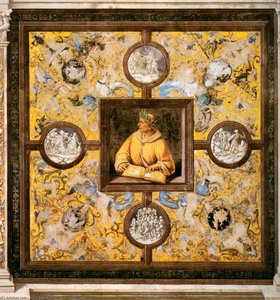
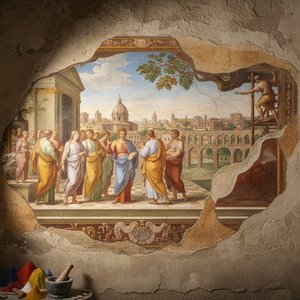
The fresco, “View of the Sacristy of St John,” painted in 1477 by Luca Signorelli for the dome of the Basilica della Santa Casa in Loreto, Italy, is more than just a decorative ceiling; it’s a meticulously crafted microcosm of faith, a testament to Renaissance artistic principles, and a profound exploration of biblical narrative. Signorelli, already establishing himself as a master draftsman and colorist, delivers here a complex composition brimming with symbolic weight and technical brilliance, inviting the viewer into a world where earthly beauty intertwines with celestial grace. The painting’s immediate impact is one of controlled dynamism – figures move within a carefully orchestrated space, guided by linear perspective and a deep understanding of human anatomy. It's a scene both intimate in its conversation and expansive in its theological scope.A Symphony of Figures and Narrative
The fresco unfolds as a series of interconnected vignettes, arranged around a central area dominated by three men engaged in animated discussion. These figures, likely representing teachers or guides, are positioned strategically to draw the eye into the heart of the composition. Above them, within circular frames adorning the dome itself, we encounter depictions of saints and angels – a gallery of holy figures rendered with classical elegance and imbued with an aura of serene authority. The narrative is deeply rooted in biblical stories: scenes from the lives of the saints, episodes from the Old Testament, and glimpses into the future judgment. Signorelli masterfully integrates these disparate elements, creating a cohesive whole that speaks to the enduring power of faith and divine providence. The careful placement of each figure – their gestures, expressions, and interactions – contributes to the overall sense of order and harmony.Technique and Materials: Fresco’s Enduring Legacy
Signorelli's mastery lies not only in his narrative vision but also in his technical execution. As a fresco painter, he worked directly onto wet plaster, applying pigments mixed with water – a technique demanding both speed and precision. The slightly textured surface of the paint is visible, lending the work an authentic sense of history and age. Signorelli’s use of color is particularly noteworthy; he employs a rich palette dominated by warm tones—golds, reds, yellows, and browns—to create a luminous effect that seems to emanate from within the fresco itself. The subtle gradations of light and shadow – achieved through careful layering of pigments – imbue the figures with volume and depth, while the linear perspective guides the viewer’s eye across the complex composition. The meticulous detail in the drapery, the realistic portrayal of facial features, and the precise rendering of architectural elements all testify to Signorelli's exceptional skill as a draftsman.Symbolism and Spiritual Resonance
Beyond its aesthetic qualities, “View of the Sacristy of St John” is rich in symbolic meaning. The circular arrangement of figures reflects the concept of eternity – a timeless realm where God’s will prevails. The saints depicted represent various virtues and ideals, serving as models for Christian emulation. The central conversation suggests the importance of guidance and instruction on the path to salvation. Furthermore, the fresco embodies the Renaissance fascination with classical antiquity, evident in the idealized forms of the figures and the harmonious proportions of the composition. It’s a visual meditation on humanity's place within the divine order, inviting contemplation and fostering a sense of spiritual connection.A Timeless Masterpiece: Reproduction and Inspiration
Today, “View of the Sacristy of St John” stands as a remarkable achievement of Renaissance art—a vibrant testament to Luca Signorelli’s genius. Reproductions offer an accessible way to experience this extraordinary work, bringing its beauty and symbolism into homes and spaces worldwide. The fresco's intricate details, balanced composition, and profound spiritual message continue to inspire artists, designers, and collectors alike. Whether admired for its technical brilliance or its evocative narrative, “View of the Sacristy of St John” remains a powerful reminder of the enduring legacy of Renaissance art.Ähnliche Kunstwerke
Über den Künstler
Frühes Leben und Ausbildung
Luca Signorelli, ein italienischer Renaissancemaler, wurde um 1450 in Cortona, im Toskana, geboren. Sein genaues Geburtsdatum ist ungewiss, wird aber zwischen 1441 und 1445 vermutet. Er war bekannt für seine außergewöhnliche Fähigkeit als Zeichner und seinen Einsatz der Verkürzung.Künstlerische Karriere
Signorellis erste künstlerische Einflüsse scheinen in Perugia entstanden zu sein, wo er von den Stilen von Künstlern wie Benedetto Bonfigli, Fiorenzo di Lorenzo und Pinturicchio beeinflusst wurde. Laut Giorgio Vasari wurde Signorelli von seinem maternalen Onkel Lazzaro Vasari an Piero della Francesca ausgebildet. Signorellis Werke sind in verschiedenen Orten zu finden, darunter Arezzo (1472) und Città di Castello (1474). Eines seiner bemerkenswertesten Werke ist die Malerei „Schule des Pan“, die Lorenzo de' Medici präsentiert wurde. Dieses Gemälde zeigt eine realistische Darstellung der menschlichen Form und demonstriert Signorellis Meisterschaft in Chiaroscuro und linearer Perspektive.Wichtige Werke
- Das Jüngste Gericht (1499-1503), Orvieto-Kathedrale – gilt als sein Meisterwerk und zeigt Signorellis Geschick in der Darstellung des Jüngsten Gerichts und der Apokalypse.
- Das Polyptychon des St. Medard (1507), Museum San Medardo, Arcevia, Italien – ein Paradebeispiel für Signorellis Werk mit einer hochdetaillierten und naturalistischen Darstellung der menschlichen Form.
Kunstbewegung
Signorelli war Teil der italienischen Renaissance-Bewegung, die den Übergang zwischen Mittelalter und früher Neuzeit markierte. Diese Periode sah eine verstärkte Betonung klassischer Traditionen, Naturalismus und Humanismus.- Die frühe Renaissance Kunstbewegung - Eine kurze Einführung in die Kunstbewegung, die den Lauf der Kunstgeschichte prägte.
- Fra Angelico – Der renommierte Künstler, der Signorellis Werk beeinflusste und für seine außergewöhnliche Fähigkeit als Maler bekannt war.
- Luca Signorelli - Eine kurze Biografie des Künstlers mit seinen bemerkenswerten Werken und der Kunstbewegung.
Vermächtnis
Signorrellis Werk hatte einen bedeutenden Einfluss auf die Entwicklung der Renaissancekunst. Sein Einsatz der Verkürzung und sein Geschick als Zeichner beeinflussten viele Künstler, die ihm folgten. Als prominente Figur der italienischen Renaissance wird Signorellis Vermächtnis durch seine Werke gefeiert, die sich in verschiedenen Museen und Kathedralen in ganz Italien finden lassen.Wichtige Daten: * 1450: geboren in Cortona, Toskana * 1499-1503: schuf das Jüngste Gericht, Orvieto-Kathedrale * 1523: verstarb und hinterließ ein Vermächtnis außergewöhnlicher Kunst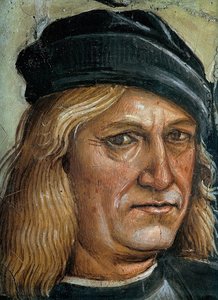
Luca Signorelli
1450 - 1523 , Italien
Kurzinfos
- Beeinflusste Künstler:
- Benedetto Bonfigli
- Piero della Francesca
- Bemerkenswerte Werke:
- Das Jüngste Gericht
- Polyptych von St. Medard
- Geburtsdatum: ca. 1450
- Geburtsort: Cortona, Italien
- Künstlerische Bewegung: Italienische Renaissance
- Nationalität: Italiener
- Sterbedatum: 1523
- Vollständiger Name: Luca Signorelli
- Von Künstlern Beeinflusst: ['Fra Angelico']
Ähnliche Artikel
Luca Signorelli: Renaissance Innovation & Dramatic Foreshadowing of Modern Artistic Expression
Explore the revolutionary art of Luca Signorelli, a High Renaissance master renowned for his dramatic frescoes & anatomical precision. Discover his lasting impact on art history and techniques like foreshortening.

Das Familienerbe an die Wand bringen: Wandgemälde als Generationenschatz
Verwandeln Sie Ihre Familiengeschichte in ein beeindruckendes Wandgemälde! Expertenrat & hochwertige Handwerkskunst für einzigartige Kunstwerke, die Generationen verbinden. Entdecken Sie jetzt!

The Enduring Legacy of Fresco: Technique, History & Artistic Expression Across Cultures
Explore the rich history & enduring legacy of fresco painting! Discover ancient techniques, Giotto's masterpieces, and modern applications. Expert insights for art lovers & professionals.

The Enduring Legacy of Fresco Painting: Techniques, History & Contemporary Relevance
Explore the rich history & enduring artistry of fresco painting – from Giotto to Michelangelo! Discover techniques, conservation efforts, & modern applications. Learn how ArtsDot brings this timeless art form to your home.
Die bleibende Pracht der Freskomalerei: Technik, Geschichte und künstlerischer Ausdruck
Entdecken Sie die faszinierende Welt der Freskomalerei! Von den Ursprüngen bis zur Renaissance – wir beleuchten Technik, Geschichte und künstlerischen Ausdruck dieser einzigartigen Kunstform. Expertenwissen für Sammler & Liebhaber.