 Vorschau anzeigen
 Versenden
 Teilen
 Details anzeigen

 Herunterladen
 Ähnliche Objekte
 Röntgenaufnahme
 Diashow
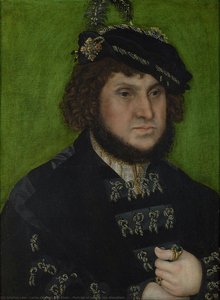
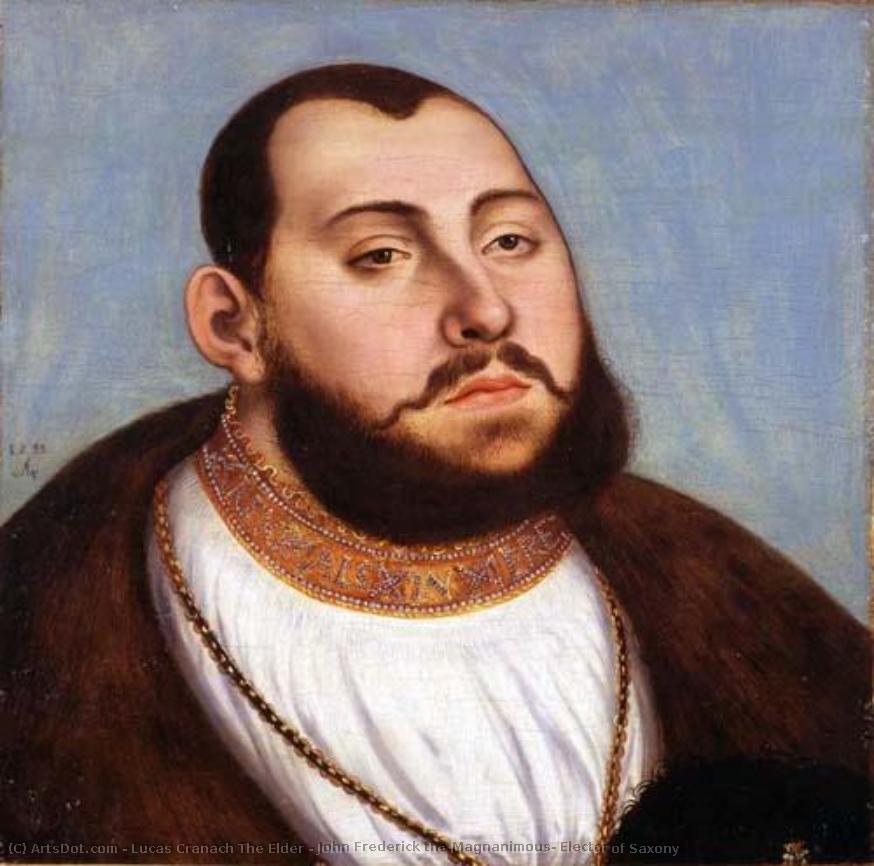
John Frederick the Magnanimous, Elector of Saxony
 Oil On Canvas
- WallArt
- Renaissance
 1535
1535 14.0 x 20.0 cm
 Schloss Friedenstein
 Weiterlesen
Giclée / Kunstdruck
Giclée- oder Leinwanddruck in Museumsqualität mit schneller Produktion und flexiblen Veredelungsoptionen. ( Handgemalte Reproduktion bestellen Bild kaufen)




P118B $10

P118H $10

P118W $10

P438Z $10

P508JH $12

P508YH $12

P805H $10

P805Z $10

P919BZ $10

P919G $10

P919XJ $10

P959ZH $10

P968JZ $12

W106C $8

W218G $10

W218JH $8

W218Y $10

W307PJ $10

W316G $10

W316PJ $8

W316Y $10

W398PJ $8

W4111J $10

W500HY $15

W500JH $15

W692G $12

W849H $8

W940BG $15

W953PJ $8




Wählen Sie aus unseren vordefinierten Formaten, die den ursprünglichen Proportionen des Kunstwerks entsprechen.

Sie können Ihre eigenen Maße eingeben, um ein bestimmtes Format oder einen speziellen Platz einzupassen. Wenn das von Ihnen gewählte Format nicht den Proportionen des Originalbildes entspricht, werden wir das Kunstwerk entweder beschneiden oder das Bild mit einem gespiegelten oder einfarbigen Rand erweitern. Ein digitaler Entwurf wird Ihnen zur Genehmigung zugesandt, bevor die Produktion beginnt.
Bitte beachten Sie, dass die Vorschau auf dem Bildschirm nicht den tatsächlichen Zuschnitt oder die Erweiterung widerspiegelt. Nur der Entwurf zeigt die endgültige Komposition präzise an.
Obwohl Sondermaße verfügbar sind, empfehlen wir die Auswahl eines Maßes aus der vordefinierten Liste, um die ursprünglichen Proportionen zu bewahren.
Weltweiter Versand () innerhalb von 2 Wochen statt der üblichen 4/5 Wochen. (24 August)

Kostenloser weltweiter Expressversand

Hochwertige Leinenleinwand

Umfassender Versicherungsschutz beim Versand

Zollgebühren-Rückerstattungsgarantie

Garantie für exakte Farbtreue

60 Tage Rückgaberecht (nur bei Mängeln)

100% Geld-zurück-Garantie

Mengenrabatt verfügbar
 Die Glasoption ist nur für Größen unter 110 cm verfügbar.

John Frederick the Magnanimous, Elector of Saxony
Giclée / Kunstdruck
Format der Reproduktion
-


Gesamtpreis
$ 62
Sammlerstück-Beschreibung
The Portrait of a Saxon Leader: John Frederick the Magnanimous
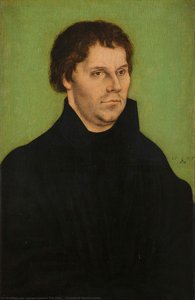
Lucas Cranach the Elder’s 1535 portrait of John Frederick, Elector of Saxony, is more than just a likeness; it's a carefully constructed statement about power, faith, and the tumultuous era in which it was created. This intimate depiction, rendered with the meticulous detail characteristic of the artist, captures not merely the physical appearance of a man but also his character—a blend of regal authority and profound conviction. The painting immediately draws the eye to the subject’s face: a strong jawline, piercing gaze, and a subtle hint of melancholy beneath the carefully arranged beard – all hallmarks of Cranach's ability to imbue his subjects with psychological depth.
The composition itself is strikingly restrained. Cranach eschews elaborate background details, focusing entirely on the figure within a tightly framed space. This deliberate simplicity serves to amplify the subject’s presence and directs the viewer’s attention directly onto his face and attire. The lighting, dramatic and directional, highlights the textures of his clothing – rich velvets, intricate embroidery, and the gleam of gold jewelry—symbols of his elevated status and wealth. The use of chiaroscuro, with deep shadows contrasting sharply against bright highlights, creates a sense of volume and three-dimensionality, lending the portrait an almost sculptural quality.
Renaissance Craftsmanship: Technique and Materials
Cranach’s mastery lies not only in his ability to capture likeness but also in his technical skill. The painting is executed in oil on a wooden panel, a technique that allowed for layering of glazes – thin, transparent layers of paint applied one over the other—to build up color and create subtle tonal variations. This method resulted in a luminous surface with remarkable depth and richness. The artist’s brushwork is evident throughout, particularly in the rendering of fabrics and details like the intricate patterns on the clothing and the texture of the beard. Note the careful attention to detail in depicting the folds of the velvet robe, the sheen of the gold jewelry, and the individual strands of hair.
The palette is dominated by earthy tones—browns, golds, and whites—reflecting the conservative aesthetic favored during the Renaissance. However, subtle accents of red and orange within the jewelry hint at the subject’s ambition and perhaps a touch of extravagance. The use of perspective is relatively shallow, typical of portraiture from this period, creating an intimate and engaging viewing experience. The overall effect is one of dignified solemnity and authority—a testament to Cranach's ability to elevate his subject through skillful technique and astute observation.
Historical Context: Reformation and Saxon Power
To fully appreciate the portrait, it’s essential to understand its historical context. Created in 1535, during a period of intense religious upheaval—the Protestant Reformation—it reflects the complex political and spiritual landscape of Saxony. John Frederick, known as the Magnanimous, was a key figure in this era, leading the Saxon Electorate through a time of significant challenges. He was a staunch supporter of Lutheranism, a commitment powerfully conveyed through his appearance – he wears symbols associated with the faith, including a pendant and rings.
The portrait itself served as a powerful symbol of authority and legitimacy for the Elector. It was commissioned during a time when Saxony was navigating turbulent waters, balancing its allegiance to the Holy Roman Empire with its growing support for Protestant reforms. Cranach’s skillful portrayal helped solidify John Frederick's position as a strong and resolute leader—a man dedicated to both his state and his faith. The painting is therefore not simply a portrait; it’s a visual declaration of power, piety, and political acumen.
Symbolism and Legacy
Beyond its immediate aesthetic qualities, the portrait is rich in symbolism. The Elector's attire—the velvet robe, the gold jewelry, and the elaborate fur trim—all signify his wealth, status, and authority. The pendant he wears is a clear reference to Christian iconography, reinforcing his commitment to Lutheranism. His gaze, direct and unwavering, conveys a sense of confidence and determination. Cranach’s portrait of John Frederick the Magnanimous stands as a remarkable achievement of Renaissance art—a testament to the artist's skill, insight, and ability to capture the essence of a man and an era.
Ähnliche Kunstwerke
Über den Künstler
Frühes Leben und Ausbildung
Lucas Cranach der Ältere, ein bedeutender deutscher Renaissance-Maler und Grafiker, wurde vermutlich um den 4. Oktober 1472 in Kronach, Oberfranken, geboren. Sein genauer Geburtstag ist unbekannt. Er erlernte das Zeichnen von seinem Vater, Hans Maler, und vervollkommnete seine Fähigkeiten später unter der Anleitung lokaler süddeutscher Meister.Karrierehöhepunkte
Lucas Cranach der Ältere fiel Herzog Friedrich III., dem Kurfürsten von Sachsen, auch bekannt als Friedrich der Weise, durch sein Talent auf. 1504 wurde er Hofmaler der sächsischen Kurfürsten in Wittenberg, eine Position, die er den Großteil seiner Karriere innehatte.- Er war bekannt für seine Porträts deutscher Fürsten und führender Persönlichkeiten der Reformation, darunter Martin Luther.
- Cranach malte auch religiöse Themen, zunächst im katholischen Stil, erkundete später aber neue Wege, um lutherische Anliegen in der Kunst auszudrücken.
- Seine Werkstatt produzierte zahlreiche Werke, darunter Versionen, die von seinem Sohn Lucas Cranach dem Jüngeren und anderen fortgesetzt wurden, auch nach seinem Tod.
Bedeutende Werke und Kooperationen
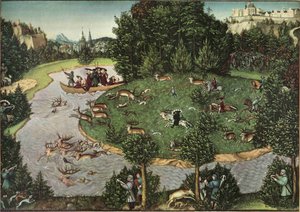
Zu den bedeutendsten Werken Lucas Cranachs des Älteren gehören:- Die Wildschutze des Kurfürsten Friedrich III. der Weisen (1529), ein Meisterwerk, das seine Fähigkeit zeigt, die Essenz des nordeuropäischen Renaissancestils einzufangen.
- Selbstbildnis, eine eindrucksvolle Darstellung des Künstlers, die sein Geschick im Einfangen von Licht und Schatten demonstriert.
- Die Verkündigung an Joachim (1516-18), eine Szene voller fröhlicher Stimmung, heute im Szépművészeti Múzeum in Budapest zu sehen.
Entwicklung und Einfluss
Cranachs Stil entwickelte sich im Laufe seiner Karriere weiter. Anfänglich beeinflusst von der Donauschule, entwickelte er einen eigenen, unverwechselbaren Stil, der durch klare Linien, leuchtende Farben und eine gewisse Monumentalität gekennzeichnet ist. Sein Werk spiegelt den Wandel von der spätgotischen Kunst zur Renaissance wider und zeigt gleichzeitig die Auswirkungen der Reformation auf die Kunstwelt. Er war eng mit Martin Luther verbunden und trug dazu bei, dessen Ideen durch seine Grafiken und Gemälde zu verbreiten. Cranachs Werkstatt war eine der bedeutendsten ihrer Zeit und trug maßgeblich zur Verbreitung des Renaissancestils in Deutschland bei.Vermächtnis und Bedeutung
Lucas Cranach des Älteren hinterließ ein umfangreiches Œuvre, das als eines der wichtigsten Zeugnisse der deutschen Renaissance gilt. Seine Porträts sind nicht nur herausragende künstlerische Leistungen, sondern auch wertvolle historische Dokumente. Er trug maßgeblich zur Etablierung einer eigenständigen deutschen Kunst des 16. Jahrhunderts bei und beeinflusste zahlreiche nachfolgende Künstler. Sein Werk wird bis heute geschätzt und studiert.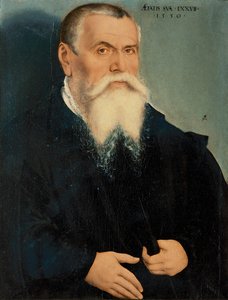
Lucas Cranach der Ältere
1472 - 1553 , Deutschland
Kurzinfos
- Bemerkenswerte Werke:
- Hirschjagd Elector Friedrichs III.
- Selbstbildnis
- Verkündigung an Joachim
- Geburtsdatum: um 4. Oktober 1472
- Geburtsort: Kronach, Deutschland
- Künstlerische Bewegung: Deutsche Renaissance
- Nationalität: Deutsch
- Sterbedatum: 16. Oktober 1553
- Vollständiger Name: Lucas Cranach der Ältere
Ähnliche Artikel

John Singer Sargent: Die 25 Meisterwerke des Porträts – Kunst für Ihr Zuhause | ArtsDot
Entdecken Sie die 25 Meisterwerke von John Singer Sargent! Tauchen Sie ein in die Welt der Porträtmalerei, des Impressionismus & der Belle Époque. Hochwertige Kunstdrucke & Reproduktionen für Ihr Zuhause – jetzt auf ArtsDot.com!

John Constable: Die 25 Meisterwerke des englischen Landschaftsgenies – ArtsDot
Entdecken Sie die 25 Meisterwerke von John Constable! Erleben Sie englische Landschaftsmalerei vom Hay Wain bis zur Stour Valley. Hochwertige Reproduktionen & Kunst für Ihr Zuhause auf ArtsDot.com.
John Frederick Lewis: Orientalismus, Detail und Genremalerei im 19. Jahrhundert der britischen Kunst
Entdecken Sie das faszinierende Werk von John Frederick Lewis! Wir analysieren seinen Orientalismus, Detailreichtum und seine Genremalerei im Kontext des 19. Jahrhunderts. Expertenwissen zur britischen Kunstgeschichte.
John Frederick Herring Senior: Meister der Pferde und Aufstieg der Sportmalerei im viktorianischen England
Entdecken Sie das Leben und Werk von John Frederick Herring Senior, dem Meister der viktorianischen Pferdeporträts. Erfahren Sie mehr über seinen Stil, seine königlichen Aufträge und sein Vermächtnis in der englischen Kunstgeschichte.

John Frederick Kensett: Luministische Ästhetik und nationale Identität in der amerikanischen Landschaftsmalerei
Entdecken Sie das Werk von John Frederick Kensett und die Ästhetik des Luminismus! Erfahren Sie mehr über seine Bedeutung für die amerikanische Landschaftsmalerei und die Suche nach nationaler Identität. Expertenanalyse & Hintergrundinformationen.