

 Vorschau anzeigen
 Versenden
 Teilen
 Details anzeigen

 Herunterladen
 Ähnliche Objekte
 Röntgenaufnahme
 Diashow
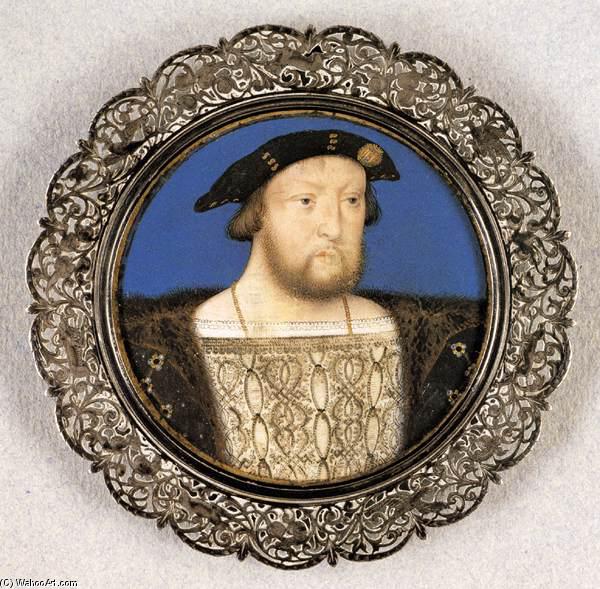
Henry VIII, King of England
 Acrylic On Canvas
- WallArt
- Tudor Portraiture
 1526
1526 56.0 x 56.0 cm
 Louvre
 Weiterlesen
Erwerben Sie ein hochauflösendes, optimiertes digitales Bild, das der Online-Vorschau weit überlegen ist.
Jede Datei wird von unseren hauseigenen Spezialisten mit modernsten Werkzeugen und fachmännischer manueller Retusche sorgfältig vorbereitet. Wir stellen sicher, dass jedes Bild eine außergewöhnliche Klarheit, präzise Farbgenauigkeit und feinste Details aufweist.
Die endgültige Datei wird innerhalb von 72 Stunden per E-Mail zugestellt und ist für den sofortigen Einsatz in professionellen, redaktionellen und Druckumgebungen optimiert. Es handelt sich um dieselbe Qualität, der führende Designstudios, Verlage und Galerien vertrauen.
Digitales Bild
Laden Sie eine hochauflösende Datei für die persönliche Präsentation, den Druck und kreative Projekte herunter. ( Druck bestellen Handgemalte Reproduktion bestellen)
In jeder Bestellung digitaler Bilder enthalten
Professionelle digitale Bereitstellung, garantiert
Wenn Sie sich für ArtsDot.com entscheiden, erhalten Sie nicht nur ein Bild – Sie erhalten ein professionell aufbereitetes digitales Kunstwerk, das mit höchster Präzision erstellt und durch eine Zufriedenheitsgarantie abgesichert wird. Hier ist alles, was automatisch mit Ihrer Bestellung geliefert wird:

Schnelle E-Mail-Zustellung
Ihre hochauflösende digitale Bilddatei wird Ihnen innerhalb von 72 Stunden nach der Bestellung per E-Mail zugestellt – bereit zur sofortigen Verwendung.

KI-optimierte digitale Datei
Ihre Kunstwerke werden professionell mithilfe fortschrittlicher KI-Tools und manueller Bearbeitung optimiert, um maximale Detailtreue, Klarheit und Farbgenauigkeit zu gewährleisten.

Lebenslanger kostenloser Neudruckservice
Datei versehentlich gelöscht oder verloren? Keine Sorge – wir senden sie Ihnen jederzeit kostenlos erneut zu.

Keine Einfuhrgebühren – jemals
Genießen Sie Ihr Kunstwerk sofort ohne Zollgebühren, Einfuhrabgaben oder Versandkosten – digitale Downloads sind immer steuerfrei.

Garantierte Farbtreue
Wir garantieren, dass Ihr digitales Bild mithilfe professioneller Werkzeuge und Farbmanagement die Originalfarben so präzise wie möglich wiedergibt.

60-Tage-Zufriedenheitsgarantie
Sollten Sie mit Ihrem digitalen Bild nicht zufrieden sein, werden wir es überarbeiten oder Ihnen innerhalb von 60 Tagen 100% erstatten – ohne Wenn und Aber.

100% Geld-zurück-Garantie
Nicht zufrieden? Erhalten Sie innerhalb von 60 Tagen nach Erhalt Ihrer digitalen Datei eine vollständige Rückerstattung – ohne Angabe von Gründen.

Rabatte bei Großbestellungen
3 Bilder kaufen, 10% sparen – 5 Bilder kaufen, 15% sparen – Ab 10 Bildern 20% sparen. Ideal für kreative Projekte, Galerien und Agenturen.
Details zum Sammlerstück
The Regal Presence: Lucas Horenbout’s Masterpiece
Lucas Horenbout's portrait of Henry VIII, King of England, transcends the simple depiction of a monarch; it is a meticulously crafted embodiment of power, ambition, and the turbulent era in which it was created. Painted in 1526, this miniature – a remarkably intimate work considering its subject’s stature – offers an unparalleled glimpse into the mind and persona of one of England's most transformative figures. The painting immediately commands attention with Henry’s commanding presence: his broad shoulders, assertive gaze, and carefully arranged attire speak volumes about his authority and self-perception.
- Subject & Composition: The portrait presents a half-length view of the king, seated in a commanding pose. The composition is deliberately restrained, focusing entirely on Henry himself, reinforcing his centrality to the image.
- Color Palette: Horenbout employs a rich and carefully considered color palette dominated by deep blues and golds – colors traditionally associated with royalty and wealth. These hues contribute significantly to the painting’s overall sense of grandeur and authority.
- Facial Expression: Henry's expression is notable for its intensity, a blend of confidence and perhaps a hint of underlying tension. His eyes meet the viewer directly, creating an immediate and engaging connection.
The Flemish Influence & The Dawn of English Portraiture
Horenbout’s creation represents a pivotal moment in the history of portrait painting. Trained within the vibrant workshops of Ghent and Bruges – centers renowned for their illuminated manuscripts and decorative arts – he brought with him a sophisticated artistic tradition deeply rooted in detail, realism, and an understanding of symbolism. His arrival in England coincided with a shift in artistic sensibilities, moving away from the more stylized depictions prevalent under previous monarchs towards a greater emphasis on individual likeness and psychological depth. This miniature is widely considered to be one of the earliest examples of *ad vivum* portraiture – a painting created directly from life – in England, marking the nascent stages of a distinct English school of portraiture.
Historical Context:The early 16th century was a period of immense change and upheaval in England. Henry VIII’s reign was defined by his break with Rome, the establishment of the Church of England, and a dramatic reshaping of the country's political landscape. Horenbout’s role as the King’s painter provided him with unparalleled access to the royal court and an intimate understanding of Henry’s personality and ambitions.
Symbolism & The Language of Power
Beyond its immediate visual appeal, the portrait is laden with symbolic meaning. Henry's attire – a rich blue robe adorned with gold trim – signifies his wealth, status, and divine right to rule. The elaborate collar and chain are emblems of royal authority, while the carefully arranged garments reflect the meticulous attention to detail that characterized Horenbout’s work. The background, rendered in a deep azure hue, further emphasizes the king's elevated position. The inclusion of the date “ANO. ETATIS. / XXXVO.” (Year of his thirty-fifth) subtly reinforces Henry’s power and authority at this pivotal moment in his reign.
- Blue: Represents royalty, faith, and divine right.
- Gold Trim: Symbolizes wealth, status, and the splendor of the monarchy.
- Direct Gaze: Conveys confidence, authority, and a willingness to confront challenges.
A Timeless Masterpiece – Reproduction & Legacy
Lucas Horenbout’s portrait of Henry VIII remains an enduring testament to the artist's skill and the power of visual representation. Reproductions offer a remarkable opportunity to experience this iconic work firsthand, bringing its regal presence into any setting. Whether displayed in a private collection or incorporated into a sophisticated interior design scheme, this miniature captures not only the likeness of a historical figure but also the essence of an era defined by ambition, transformation, and the enduring legacy of one of England’s most complex and fascinating monarchs.
Ähnliche Kunstwerke
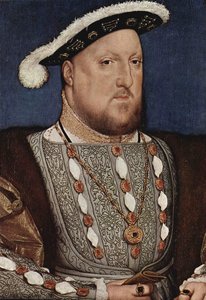
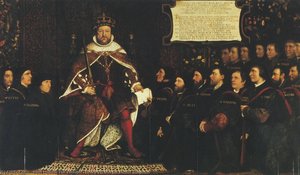
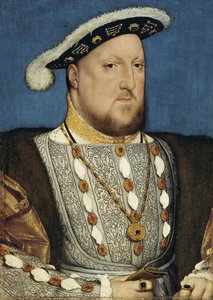
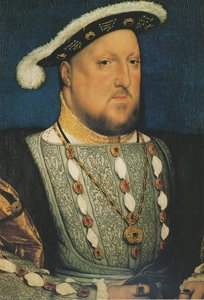
Biografie des Künstlers
Lucas Horenbout: The Quiet Maestro Shaping Tudor Portraiture
Lucas Horenbout (1492-1544) remains a figure shrouded in scholarly debate, yet undeniably pivotal to the artistic landscape of 16th century England. Often referred to as hornebolte in England queen when the horenbouts came to england, he’s an artist whose legacy is primarily defined by his contribution to portrait miniature painting and his role as Henry VIII's court painter—a position that cemented him as one of the most influential illuminators of the Ghent-Bruges school. Despite the paucity of definitive biographical details, reconstructing Horenbout’s life reveals a man deeply embedded in the artistic currents of his time and profoundly impacted by royal patronage.Early Life & Flemish Training
Born in Ghent, Belgium, Lucas Horenbout's formative years were spent honing his skills within the vibrant workshop environment of Ghent—a hub for manuscript illumination and decorative arts. While precise details about his family lineage are scarce, he was undoubtedly trained under the tutelage of Gerard Horenbout, whose influence extended far beyond their familial connection. Gerard’s mastery of fresco painting and panel decoration established a tradition of meticulous craftsmanship that would characterize Lucas's own artistic endeavors. The Ghent school championed a style marked by realism, subtle shading, and an unwavering commitment to detail—principles that undoubtedly shaped Horenbout’s aesthetic sensibilities. This Flemish training instilled in him the foundational techniques necessary for achieving unparalleled precision and luminosity – qualities that would become hallmarks of his distinctive oeuvre.Arrival in England & Royal Patronage
Around 1525, Lucas Horenbout arrived in England, coinciding with the ambitious undertaking spearheaded by Cardinal Wolsey to revive English manuscript illumination. Evidence suggests he traveled alongside his sister Susanna hornebolt and father, potentially driven by a desire to capitalize on this burgeoning artistic opportunity. The King’s immediate recognition of his talent—appointed “pictor maker” and subsequently “king’s painter”—marked the beginning of an extraordinary chapter in Horenbout's career. This royal commission afforded him unparalleled access to resources and propelled him to the forefront of Tudor art, securing him a lifetime annuity and establishing him as Henry VIII’s trusted visual recorder. He swiftly established himself as Wolsey’s foremost artistic advisor, overseeing monumental projects that showcased the grandeur of the English monarchy and solidifying his reputation as a master craftsman.A Revolutionary Miniature Tradition
Perhaps Horenbout’s most enduring contribution lies in establishing the English tradition of portrait miniature painting—a genre that emerged almost entirely independently from continental precedents. Unlike Holbein's meticulous portraits, which were executed on a grand scale, Horenbout focused on capturing likenesses with astonishing accuracy and intimacy within diminutive frames. His technique involved layering thin glazes of enamel pigment onto ivory or tortoiseshell, achieving remarkable luminosity and depth—a feat that demanded exceptional skill and patience. The resulting miniatures served not merely as representations of individuals but as conduits for conveying their status, personality, and emotional nuance. This innovative approach distinguished him from his contemporaries and cemented his place in art history as the progenitor of a uniquely refined artistic form.Notable Works & Legacy
Horenbout’s artistic output spanned illuminated manuscripts, stained glass panels, and royal portraits—each reflecting his unwavering dedication to stylistic innovation and technical excellence. Among his most celebrated commissions were depictions of Henry VIII and Catherine of Aragon, capturing the regal dignity of the monarch alongside the melancholic beauty of his queen. Furthermore, he was entrusted with decorating Saint Martin in the fields chapel, showcasing his mastery of fresco painting and contributing significantly to the artistic heritage of England. His influence extended beyond his own creations; he nurtured a workshop environment that fostered the development of younger artists—a testament to his generosity and commitment to preserving Flemish artistic traditions within the English court. Lucas Horenbout’s legacy continues to inspire admiration for his meticulous craftsmanship and profound understanding of visual representation, securing his place as one of the most influential figures in Tudor art.
Lucas Horenbout
1492 - 1544 , Belgien
Kurzinfos
- Artistic Movement Or Style: Renaissance
- Artists Or Movements Influenced By This Artist: ['Englische Miniaturmalerei']
- Artists Who Influenced This Artist:
- Jan van Eyck
- Rogier van der Weyden
- Date Of Birth: 1492
- Date Of Death: 1544
- Full Name: Lucas Horenbout
- Nationality: Flämisch
- Notable Artworks:
- Porträt von Katharina von Aragon
- Heinrich VIII
- Place Of Birth: Ghent, Belgien

