 Vorschau anzeigen
 Versenden
 Teilen
 Details anzeigen

 Herunterladen
 Ähnliche Objekte
 Röntgenaufnahme
 Diashow
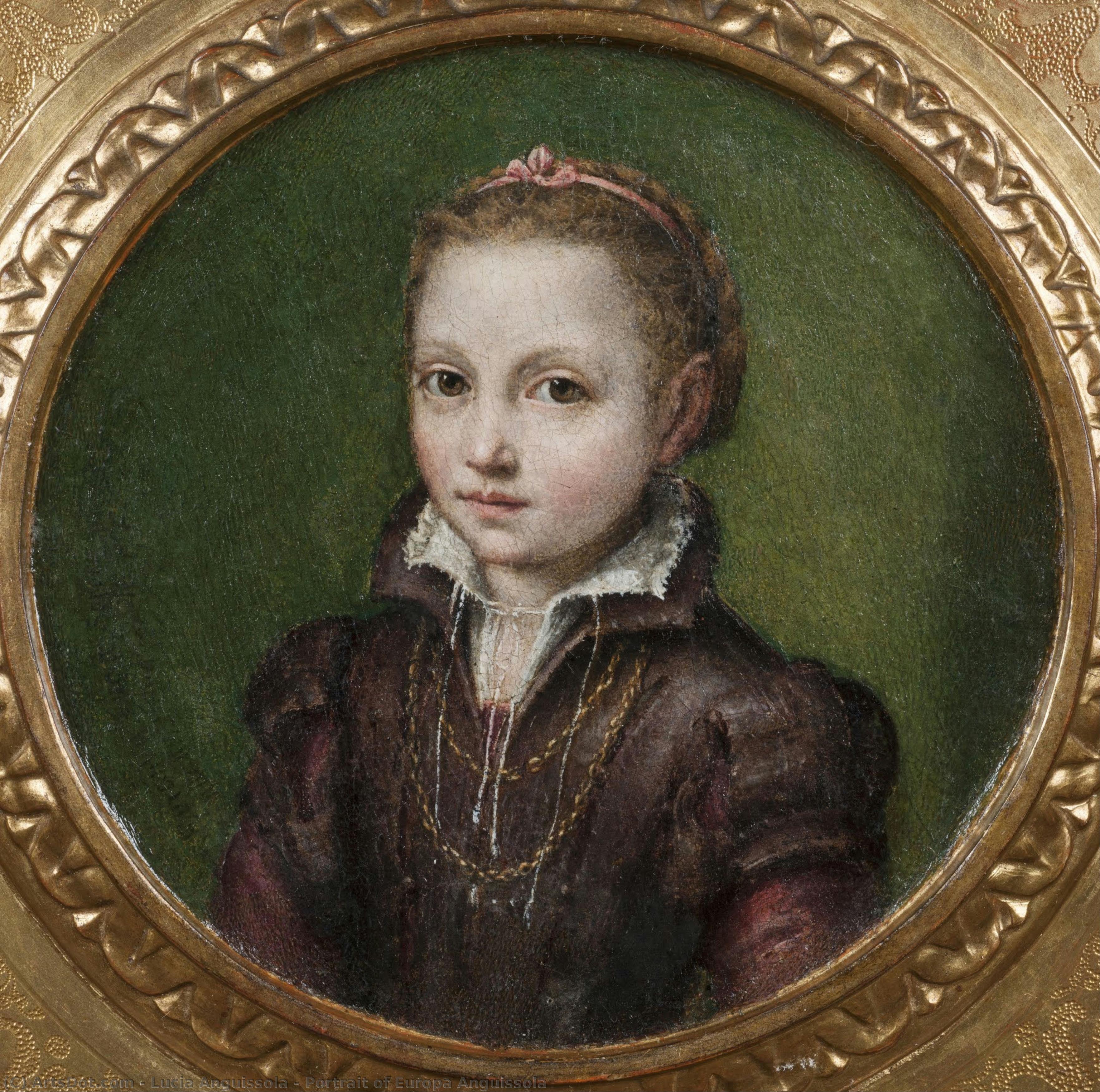
Portrait of Europa Anguissola


 Weiterlesen
Giclée / Kunstdruck
Giclée- oder Leinwanddruck in Museumsqualität mit schneller Produktion und flexiblen Veredelungsoptionen. ( Handgemalte Reproduktion bestellen Bild kaufen)




P118B $10

P118H $10

P118W $10

P438Z $10

P508JH $12

P508YH $12

P805H $10

P805Z $10

P919BZ $10

P919G $10

P919XJ $10

P959ZH $10

P968JZ $12

W106C $8

W218G $10

W218JH $8

W218Y $10

W307PJ $10

W316G $10

W316PJ $8

W316Y $10

W398PJ $8

W4111J $10

W500HY $15

W500JH $15

W692G $12

W849H $8

W940BG $15

W953PJ $8




Wählen Sie aus unseren vordefinierten Formaten, die den ursprünglichen Proportionen des Kunstwerks entsprechen.

Sie können Ihre eigenen Maße eingeben, um ein bestimmtes Format oder einen speziellen Platz einzupassen. Wenn das von Ihnen gewählte Format nicht den Proportionen des Originalbildes entspricht, werden wir das Kunstwerk entweder beschneiden oder das Bild mit einem gespiegelten oder einfarbigen Rand erweitern. Ein digitaler Entwurf wird Ihnen zur Genehmigung zugesandt, bevor die Produktion beginnt.
Bitte beachten Sie, dass die Vorschau auf dem Bildschirm nicht den tatsächlichen Zuschnitt oder die Erweiterung widerspiegelt. Nur der Entwurf zeigt die endgültige Komposition präzise an.
Obwohl Sondermaße verfügbar sind, empfehlen wir die Auswahl eines Maßes aus der vordefinierten Liste, um die ursprünglichen Proportionen zu bewahren.
Weltweiter Versand () innerhalb von 2 Wochen statt der üblichen 4/5 Wochen. (2 September)

Kostenloser weltweiter Expressversand

Hochwertige Leinenleinwand

Umfassender Versicherungsschutz beim Versand

Zollgebühren-Rückerstattungsgarantie

Garantie für exakte Farbtreue

60 Tage Rückgaberecht (nur bei Mängeln)

100% Geld-zurück-Garantie

Mengenrabatt verfügbar
 Die Glasoption ist nur für Größen unter 110 cm verfügbar.

Portrait of Europa Anguissola
Giclée / Kunstdruck
Format der Reproduktion
-


Gesamtpreis
$ 62
Lucia Anguissola’s ‘Portrait of Europa’, A Window into Renaissance Domesticity
Lucia Anguissola's “Portrait of Europa,” painted around 1556-1558, is more than just a likeness; it’s a carefully constructed tableau that offers a rare glimpse into the private world of a noble Italian family during the late Renaissance. Far from a grand court portrait, this intimate scene unfolds within a modestly furnished room, dominated by a chessboard and radiating an atmosphere of quiet domesticity—a deliberate departure from the prevalent conventions of the era’s artistic landscape.
The painting immediately draws the eye to its three central figures: Lucia Anguissola herself, her sister Minerva, and their younger sibling Europa. Each woman is rendered with a remarkable sensitivity to detail, capturing not just their physical appearance but also hinting at their personalities and relationships. Lucia, positioned slightly forward, engages the viewer directly, her gaze holding a subtle mixture of curiosity and perhaps even amusement. Her attire—a simple yet elegant gown—contrasts sharply with the elaborate jewelry worn by Minerva, suggesting a hierarchy within the family while simultaneously celebrating each woman’s individual worth.
- Technique & Style: Anguissola's style is deeply rooted in the artistic legacy of her renowned elder sister, Sofonisba Anguissola. She shares Sofonisba’s masterful use of light and shadow, creating a palpable sense of depth and volume within the composition. The brushwork is delicate yet confident, revealing a keen eye for observation and an ability to capture fleeting expressions.
- Compositional Elements: The chessboard serves as a central organizing element, framing the figures and subtly suggesting themes of strategy, intellect, and perhaps even rivalry. The inclusion of the housemaid adds another layer of complexity, highlighting the social dynamics within the household and challenging traditional notions of portraiture.
- Color Palette: The muted color palette—dominated by earthy tones, soft greens, and subtle blues—contributes to the painting’s intimate atmosphere. It evokes a sense of warmth and comfort, reflecting the values of family life during the Renaissance.
The Significance of the Chess Game
Beyond its immediate visual appeal, “Portrait of Europa” holds significant symbolic weight. In the context of 16th-century Italy, chess was considered a masculine pursuit, associated with military strategy and aristocratic prowess. By depicting three women engaged in a game of chess, Anguissola subverted traditional gender roles and asserted the intellectual capabilities of women. This wasn’t simply a casual pastime; it represented a shared activity, a moment of connection and engagement between sisters.
The presence of the chessboard itself is laden with meaning. It symbolizes not only strategic thinking but also family bonds and social interaction. The game becomes a microcosm of their lives—a space where relationships are tested, alliances are formed, and decisions are made. Furthermore, the inclusion of the housemaid suggests that even those considered lower in the social hierarchy were part of this intimate sphere.
Lucia’s Artistic Legacy & Historical Context
Lucia Anguissola's artistic journey is particularly remarkable considering the limited opportunities available to women artists during her time. Her father, Amilcare Anguissola, a member of the Genoese minor nobility, recognized his daughters’ talent and provided them with an exceptional education—a rarity in Renaissance Italy. This progressive upbringing allowed Lucia to develop her artistic skills alongside her brothers, challenging societal expectations and paving the way for future generations of female artists.
Her work reflects a humanist sensibility, influenced by the intellectual currents of the era. She skillfully captured not only the physical likenesses of her subjects but also their personalities and inner lives—a hallmark of Renaissance portraiture. Lucia’s legacy is further cemented by her connection to Sofonisba Anguissola, whose fame she inherited and continued to build upon.
A Timeless Portrait – Reproduction & Interpretation
Reproductions of “Portrait of Europa” offer a captivating window into the world of Renaissance Italy. The painting’s intimate scale and nuanced details invite viewers to step back in time and imagine the lives of these remarkable women. When selecting a reproduction, consider the quality of materials and printing techniques—a faithful rendering will truly capture the essence of Anguissola's original masterpiece. This portrait is not just an image; it’s a testament to female artistry, familial bonds, and the enduring power of human connection.
Ähnliche Kunstwerke


Über den Künstler
Lucia Anguissola: Leben und Vermächtnis
Frühes Leben und Familienhintergrund
- Lucia Anguissola, geboren um 1536 oder 1538 in Cremona, Italien, war das dritte von sieben Kindern von Amilcare Anguissola und Bianca Ponzoni.
- Ihr Vater, ein Mitglied des Genuesischen Kleinadels, ermutigte auf ungewöhnliche Weise die künstlerische und humanistische Bildung seiner fünf Töchter – eine seltene Gelegenheit für Frauen im Zeitalter der Renaissance.
- Die fortschrittliche Einstellung der Familie schuf eine Umgebung, in der künstlerisches Talent gedeihen konnte, insbesondere bei Lucia und ihren Schwestern.
Künstlerische Ausbildung und Einflüsse
- Lucia erhielt wahrscheinlich ihre erste Ausbildung von ihrer berühmten ältesten Schwester, Sofonisba Anguissola, die zu einer gefeierten Porträtmalerin wurde.
- Ihr Stil spiegelt Sofonisbas sehr wider und zeigt gemeinsame Techniken und Ansätze in der Porträtmalerei.
- Die von ihr erhaltene humanistische Bildung beeinflusste ihre Fähigkeit, die Persönlichkeit und das innere Leben ihrer Modelle einzufangen.
Künstlerischer Stil und wichtige Werke
- Lucia Anguissola konzentrierte sich hauptsächlich auf Porträtmalerei, ein Genre, dem sie ihre Fähigkeiten bei der Erfassung von Ähnlichkeiten und der Vermittlung von Charakter demonstrieren konnte.
- Ihre Gemälde sind durch eine zurückhaltende Farbpalette gekennzeichnet, die oft Grautöne und Brauntöne verwendet, und eine sensible Darstellung ihrer Sujets.
- Zu den bemerkenswerten Werken gehören:
- Portrait von Pietro Maria (Manna): Von Giorgio Vasari für seine Sensibilität und psychologische Tiefe gelobt.
- Selbstporträt: Eine seltene Selbstdarstellung, die Einblicke in ihre eigene Identität als Künstlerin gewährt.
- Porträts von Familienmitgliedern, darunter Europa Anguissola.
Anerkennung und historische Bedeutung
- Zeitgenössische Kritiker erkannten Lucia’s außergewöhnliches Talent und glaubten, dass sie sogar noch mehr Potenzial als ihre Schwester Sofonisba hatte.
- Filippo Baldinucci, ein 17. Jahrhundert Biograf, beklagte, dass ihr früher Tod ihre künstlerische Versprechung nicht voll ausschöpfen ließ.
- Vasaris Lobpreis von Portrait von Pietro Maria festigte ihren Ruf während ihres Lebens.
- Lucias Werk trägt zu unserem Verständnis von Frauenkünstlern im Zeitalter der Renaissance bei und stellt traditionelle Narrative über die Rolle von Frauen in der Kunstgeschichte in Frage.
Vermächtnis und spätere Jahre
- Lucia Anguissola starb um 1565 oder kurz danach, in jungem Alter, was eine vielversprechende Karriere verkürzte.
- Obwohl ihr Werk im Vergleich zu anderen Künstlern des Zeitalters der Renaissance relativ klein ist, sind ihre Beiträge für ihre Qualität und den Kontext, in dem sie geschaffen wurden, von Bedeutung.
- Ihre Gemälde geben wertvolle Einblicke in das Leben und die sozialen Kreise der Familie Anguissola und die künstlerische Umgebung Italiens im 16. Jahrhundert.
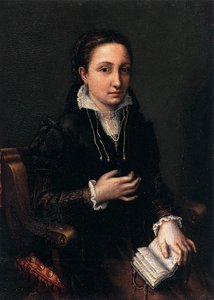
Lucia Anguissola
1536 - 1565 , Italien
Kurzinfos
- Artistic Movement Or Style: Mannerismus
- Artists Who Influenced This Artist: Sofonisba Anguissola
- Date Of Birth: ca 1536
- Date Of Death: c. 1565
- Full Name: Lucia Anguissola
- Nationality: Italienisch
- Notable Artworks:
- Portrait von Pietro Maria
- Selbstporträt
- Place Of Birth: Cremona, Italien
Ähnliche Artikel
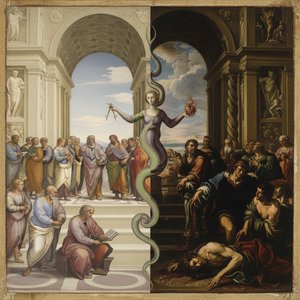
Mannerism: Bridging Renaissance Harmony & Baroque Drama – A Study of Style & Affectation
Explore the fascinating world of Mannerism! Discover its key characteristics, pioneering artists like Pontormo & Bronzino, and its pivotal role in bridging Renaissance harmony to Baroque drama. A comprehensive guide for art enthusiasts.
Entwicklung von Familienporträts: Personalisierte Kunst als Chronik des Lebens über Generationen hinweg
Entdecken Sie die faszinierende Welt der Familienporträts! Von historischen Meisterwerken bis zu personalisierten Auftragsgemälden – wir bieten Kunst für Generationen. Expertenberatung & höchste Qualität.
The Enduring Legacy of Family Portraiture: A Historical & Artistic Exploration
Explore the rich history of family portraiture with ArtsDot. Discover artistic styles, symbolism & collecting insights. Commission a custom oil painting or appraise your existing artwork today!
Das Echo der Ahnen: Familienporträts im Laufe der Geschichte
Entdecken Sie die Geschichte der Familienporträts! Von Renaissance bis Moderne – fertigt hochwertige Reproduktionen & Auftragsgemälde an. Expertenberatung inklusive!
Bürgerliche Tugend und künstlerische Rivalität: Mäzenatentum und Innovation in den italienischen Renaissance-Republiken, 1400–1600
Entdecken Sie die faszinierende Welt des Renaissance-Mäzenatentums! Expertenwissen über Florenz, Venedig, Medici und den Einfluss von Kunst & Humanismus. Jetzt lesen!