 Vorschau anzeigen
 Versenden
 Teilen
 Details anzeigen

 Herunterladen
 Ähnliche Objekte
 Röntgenaufnahme
 Diashow
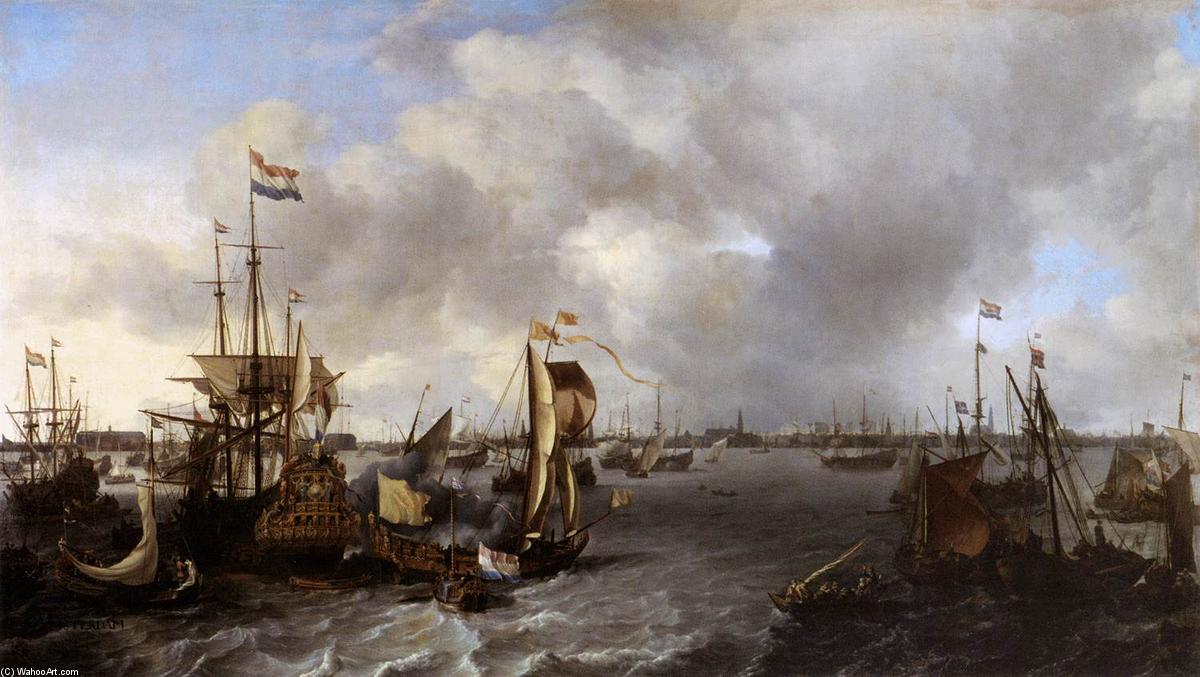
View of Amsterdam with Ships on the Ij
 Acrylic On Canvas
- WallArt
- Baroque
 1666
1666 128.0 x 221.0 cm
 Louvre
 Weiterlesen
Handgefertigte Ölreproduktion
Handgemaltes Ölgemälde auf Leinwand in Ihrer Wunschgröße und mit Rahmen, auf Bestellung von unseren Künstlern angefertigt. ( Druck bestellen Bild kaufen)




P118B $10

P118H $10

P118W $10

P438Z $10

P508JH $12

P508YH $12

P805H $10

P805Z $10

P919BZ $10

P919G $10

P919XJ $10

P959ZH $10

P968JZ $12

W106C $8

W218G $10

W218JH $8

W218Y $10

W307PJ $10

W316G $10

W316PJ $8

W316Y $10

W398PJ $8

W4111J $10

W500HY $15

W500JH $15

W692G $12

W849H $8

W940BG $15

W953PJ $8




Wählen Sie aus unseren vordefinierten Formaten, die den ursprünglichen Proportionen des Kunstwerks entsprechen.

Sie können Ihre eigenen Maße eingeben, um einen bestimmten Rahmen oder Platz auszufüllen. Wenn die gewählte Größe nicht den Proportionen des Originalbildes entspricht, werden wir das Kunstwerk entweder beschneiden oder das Gemälde durch zusätzliche, handgemalte Elemente erweitern. Ein digitales Mockup wird Ihnen zur Genehmigung zugesandt, bevor die Produktion beginnt.
Bitte beachten Sie, dass die Bildschirmvorschau nicht die tatsächliche Beschneidung oder Erweiterung widerspiegelt. Nur das Mockup zeigt die endgültige Komposition exakt an.
Obwohl Sondermaße verfügbar sind, empfehlen wir, eine Größe aus der vordefinierten Liste zu wählen, um die ursprünglichen Proportionen beizubehalten.
Nach der Bestellung wird das ArtsDot.com-Team dem Kunden Anweisungen per E-Mail zusenden und eine Mockup-Vorschau bereitstellen.
Weltweiter Versand () in nur 3 bis 4 Wochen statt der üblichen 5 Wochen. (26 August). Keine Kompromisse bei der Qualität.

Kostenloser weltweiter Expressversand

Hochwertige Leinenleinwand

Umfassender Versicherungsschutz beim Versand

Zollgebühren-Rückerstattungsgarantie

Garantie für exakte Farbtreue

60 Tage Rückgaberecht (nur bei Mängeln)

100% Geld-zurück-Garantie

Mengenrabatt verfügbar
 Die Glasoption ist nur für Größen unter 110 cm verfügbar.

View of Amsterdam with Ships on the Ij
Art der Reproduktion
Format der Reproduktion
-


Gesamtpreis
$ 263
Beschreibung des Kunstwerks
A Window into 17th Century Amsterdam: Ludolf Backhuysen’s “View of Amsterdam with Ships on the Ij”
Ludolf Backhuysen's "View of Amsterdam with Ships on the Ij," painted in 1666, isn’t merely a depiction of a harbor scene; it’s a vibrant snapshot of a city at its zenith – a testament to the wealth, power, and artistic flourishing of the Dutch Golden Age. More than just a painting, it's an immersive experience, transporting the viewer directly into the bustling heart of Amsterdam during a period of unprecedented maritime dominance. The work immediately captivates with its dramatic lighting, a hallmark of Backhuysen’s signature style, and the sheer scale of the harbor activity, rendered with meticulous detail that speaks to both technical mastery and a profound appreciation for the natural world.
The painting's composition is a carefully orchestrated dance between chaos and control. A multitude of ships – ranging from modest fishing vessels to imposing merchant galleons – dominate the foreground and middle ground, their sails billowing in the wind, creating an impression of restless energy. Yet, Backhuysen doesn’t succumb to mere visual overload. The artist skillfully employs atmospheric perspective, softening distant elements and subtly guiding the eye through the scene. The cityscape receding into the background, a hazy blend of buildings and rooftops, provides a grounding element, anchoring the dynamic maritime activity within the context of a thriving urban center.
Baroque Drama: Technique and Artistic Influence
Backhuysen’s technique is deeply rooted in the Baroque tradition, but with a distinctly Dutch sensibility. He masterfully utilizes oil paints to achieve an astonishing level of realism – from the intricate rigging of the ships to the texture of the water and the weathered faces of the sailors. Notice the way he captures the play of light on the waves, creating shimmering highlights and deep shadows that imbue the scene with a palpable sense of drama. The artist’s use of impasto—thickly applied paint—adds physicality and depth to the canvas, particularly in depicting the ships' sails and hulls. It is said that Backhuysen would often venture out on his own boat to study these scenes firsthand, ensuring an unparalleled level of accuracy.
Backhuysen’s work owes a debt to earlier maritime painters like Willem van de Velde the Elder and Younger, but he forged his own unique style. His compositions are characterized by their dynamic energy, often depicting turbulent seas and dramatic weather conditions – a reflection of the inherent risks associated with seafaring during that era. The influence of Rembrandt’s masterful use of light is also evident in Backhuysen's work, particularly in the way he employs chiaroscuro—the contrast between light and dark—to create mood and drama.
Symbolism and the Spirit of Amsterdam
Beyond its technical brilliance, “View of Amsterdam with Ships on the Ij” is rich in symbolic meaning. The bustling harbor represents not just a commercial hub but also the heart of Amsterdam’s burgeoning wealth and power. The ships themselves symbolize the city's dominance in international trade, connecting it to distant lands and fueling its economic prosperity. The stormy sky hints at the unpredictable nature of life – both literally and metaphorically – while the detailed depiction of the ships speaks to the importance of maritime skills and craftsmanship. It’s a painting that encapsulates the spirit of an age defined by exploration, innovation, and ambition.
The painting's current location in the Louvre Museum is itself significant, reflecting its enduring artistic value and historical importance. It stands as a powerful reminder of Amsterdam’s golden era – a time when the city was at the forefront of global trade and culture, leaving an indelible mark on art history.
Ähnliche Kunstwerke

Über den Künstler
Frühe Jahre und Ausbildung
Ludolf Backhuysen I, ein in Deutschland gebürtiger niederländischer Maler, wurde am 28. Dezember 1630 in Emden in Ostfriesland geboren. Um etwa 1650 zog er nach Amsterdam, wo er zunächst als Kaufmannsgehilfe und Kalligraph arbeitete. Doch seine wahre Leidenschaft galt der Kunst, und bald widmete er sich dem Malen und studierte bei den angesehenen Meistern Allart van Everdingen und Hendrik Dubbels.Aufstieg zur Berühmtheit
Backhuysens künstlerisches Talent erlangte schnell Anerkennung, besonders in seinen maritimen Motiven. Nachdem Willem van de Velde der Ältere und der Jüngere 1672 nach England gingen, wurde Backhuysen zum führenden niederländischen Maler der Seemalerkunst. Seine Kompositionen, geprägt von intensivem Realismus, zeigten oft stürmische Meere. Um die Auswirkungen von Stürmen einzufangen, unternahm er häufig Ausflüge auf das offene Meer in einem kleinen Boot.Bekannte Werke und Vermächtnis
Zu den bemerkenswerten Werken Backhuysens zählen:- Schiffe im Sturm (1670er-1690er Jahre)
- Seelandschaft und Fischerboote (1708)
- Schlacht von Vigo Bay (1702)
- Ein Holländer steigt auf ein Yacht (1670-1679)
- Johan de Liefde, Vizeadmiral
Spätere Jahre und Tod
Im Jahr 1699 eröffnete Backhuysen eine Galerie im obersten Stockwerk des berühmten Amsterdamer Rathauses. Nach einem Besuch in England verstarb er am 17. November 1708 in Amsterdam. Sehen Sie mehr Werke von Ludolf Backhuysen I auf ArtsDot.com: [https://ArtsDot.com/@/ludolf%20backhuysen%20i]Entdecken Sie die Kunstbewegung der niederländischen Goldenen Zeit auf ArtsDot.com: /de/art/show/art-d3cph3-de/
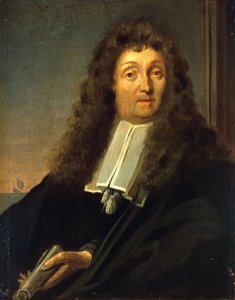
Ludolf Backhuysen I
1630 - 1708 , Deutschland
Kurzinfos
- Artistic Movement Or Style: Dutch Baroque
- Artists Who Influenced This Artist:
- Allart van Everdingen
- Hendrik Dubbels
- Date Of Birth: December 28, 1630
- Full Name: Ludolf Bakhuysen I
- Nationality: Dutch
- Notable Artworks:
- Ships in a Storm
- Seascape and Fishing Boats
- Battle of Vigo Bay
- Place Of Birth: Emden, Germany
Ähnliche Artikel

Die 10 Meisterwerke des Goldenen Zeitalters der niederländischen Malerei |
Entdecken Sie die 10 Meisterwerke des Niederländischen Goldenen Zeitalters! Von Rembrandt bis Vermeer – erleben Sie Kunstgeschichte, Techniken & Emotionen. Hochwertige Gemäldereproduktionen für Ihr Zuhause auf .
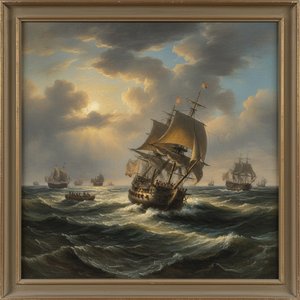
Ludolf Backhuysen I: Master of Dutch Marine Painting & Atmospheric Realism
Explore the captivating world of Ludolf Backhuysen I, a master of Dutch marine painting. Discover his signature realism, atmospheric seascapes & lasting influence on art history. Learn about collecting and appreciating this Golden Age artist.

Golden Age Reflections: Dutch Baroque Painting & Cultural Innovation
Explore the Dutch Golden Age of painting! Discover key artists like Vermeer & ter Borch, their innovative techniques, and the rich cultural context behind these Baroque masterpieces. Learn about collecting & appreciating this iconic art period.

Illuminating Innovation: Exploring the Dutch Golden Age of Painting
Explore the Dutch Golden Age of painting with ArtsDot. Discover Rembrandt, Vermeer & other Masters. Learn about key characteristics, iconic artworks, and lasting influence. Expert insights for collectors & enthusiasts.
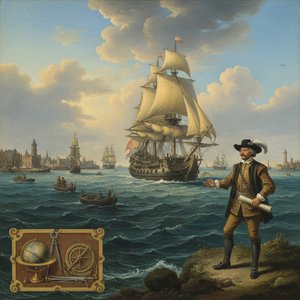
Abraham Hulk Senior und die maritime Topographie des niederländischen Goldenen Zeitalters: Eine Pionierleistung
Entdecken Sie das Werk von Abraham Hulk Senior, einem Pionier der niederländischen Marinemalerei des Goldenen Zeitalters. Erfahren Sie mehr über seine einzigartige Topographie und seinen Einfluss auf nachfolgende Künstler – mit Expertenwissen von ArtsDot.