 Vorschau anzeigen
 Versenden
 Teilen
 Details anzeigen

 Herunterladen
 Ähnliche Objekte
 Röntgenaufnahme
 Diashow
 Statistiken
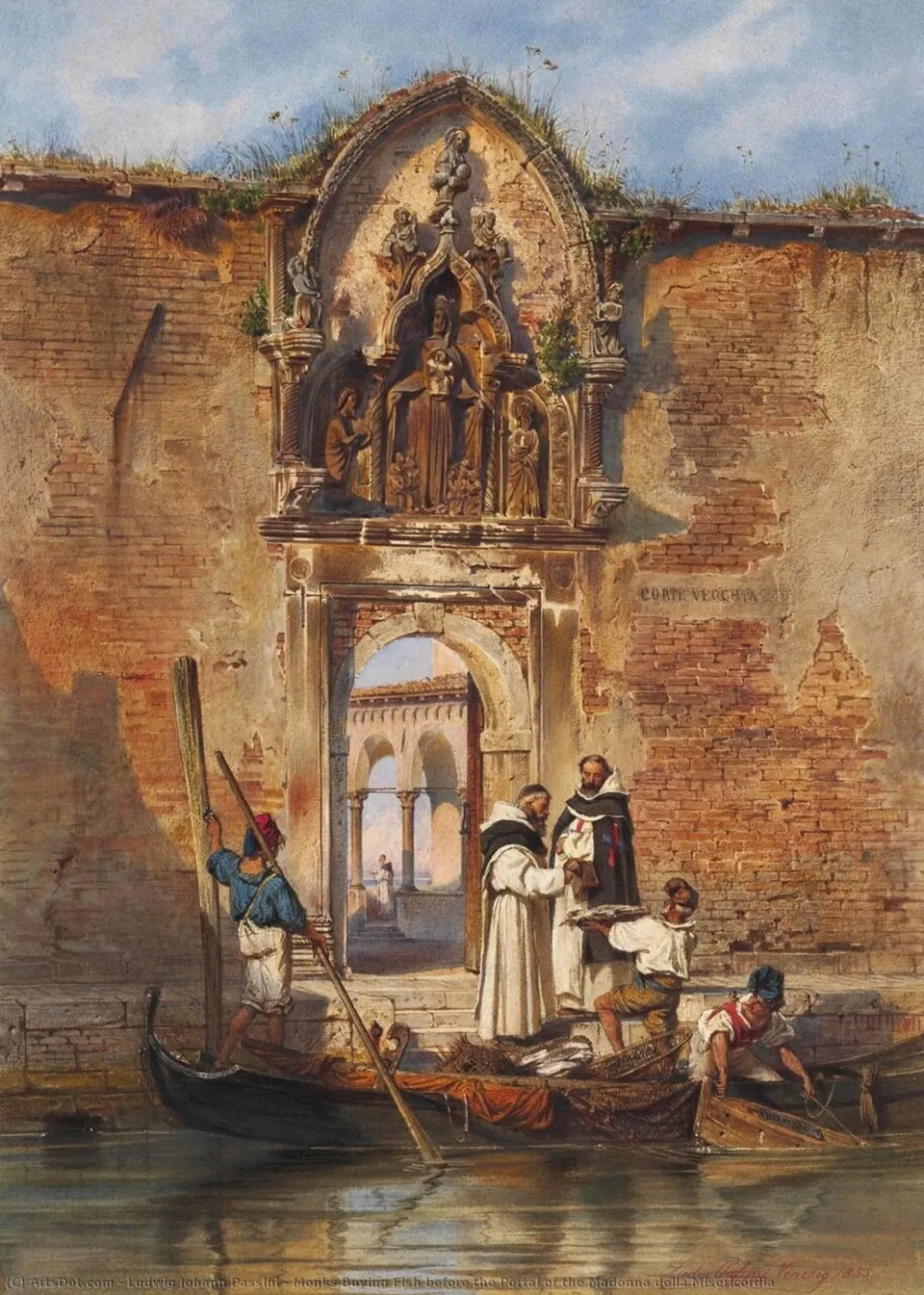
Monks Buying Fish before the Portal of the Madonna della Misericordia
 Acrylic On Canvas
- WallArt
- Genre Painting
 1855
1855 47.0 x 33.0 cm
 National Gallery of Art
 Weiterlesen
Giclée / Kunstdruck
Giclée- oder Leinwanddruck in Museumsqualität mit schneller Produktion und flexiblen Veredelungsoptionen. ( Handgemalte Reproduktion bestellen Zum digitalen Bild wechseln)




P118B $10

P118H $10

P118W $10

P438Z $10

P508JH $12

P508YH $12

P805H $10

P805Z $10

P919BZ $10

P919G $10

P919XJ $10

P959ZH $10

P968JZ $12

W106C $8

W218G $10

W218JH $8

W218Y $10

W307PJ $10

W316G $10

W316PJ $8

W316Y $10

W398PJ $8

W4111J $10

W500HY $15

W500JH $15

W692G $12

W849H $8

W940BG $15

W953PJ $8




Wählen Sie aus unseren vordefinierten Formaten, die den ursprünglichen Proportionen des Kunstwerks entsprechen.

Sie können Ihre eigenen Maße eingeben, um ein bestimmtes Format oder einen speziellen Platz einzupassen. Wenn das von Ihnen gewählte Format nicht den Proportionen des Originalbildes entspricht, werden wir das Kunstwerk entweder beschneiden oder das Bild mit einem gespiegelten oder einfarbigen Rand erweitern. Ein digitaler Entwurf wird Ihnen zur Genehmigung zugesandt, bevor die Produktion beginnt.
Bitte beachten Sie, dass die Vorschau auf dem Bildschirm nicht den tatsächlichen Zuschnitt oder die Erweiterung widerspiegelt. Nur der Entwurf zeigt die endgültige Komposition präzise an.
Obwohl Sondermaße verfügbar sind, empfehlen wir die Auswahl eines Maßes aus der vordefinierten Liste, um die ursprünglichen Proportionen zu bewahren.
Weltweiter Versand () innerhalb von 2 Wochen statt der üblichen 4/5 Wochen. (13 September)

Kostenloser weltweiter Expressversand

Hochwertige Leinenleinwand

Umfassender Versicherungsschutz beim Versand

Zollgebühren-Rückerstattungsgarantie

Garantie für exakte Farbtreue

100-Tage-Rückgaberecht (nur bei Mängeln)

100% Geld-zurück-Garantie

Mengenrabatt verfügbar
 Die Glasoption ist nur für Größen unter 110 cm verfügbar.

Monks Buying Fish before the Portal of the Madonna della Misericordia
Giclée / Kunstdruck
Format der Reproduktion
-


Gesamtpreis
$ 62
A Moment of Grace: Ludwig Passini’s Venetian Chronicle
Ludwig Johann Passini's “Monks Buying Fish before the Portal of the Madonna della Misericordia,” painted in 1855, isn’t merely a depiction of a marketplace scene; it’s a carefully constructed tableau brimming with quiet spirituality and the everyday rhythms of Venetian life. The painting transports us to a sun-drenched corner of the city, where the mundane act of purchasing fish becomes imbued with a profound sense of reverence. Passini, a master of genre painting, skillfully captures not just the visual details – the worn brickwork of the church façade, the vibrant colors of the fish, the simple robes of the monks – but also the palpable atmosphere of community and faith.
The composition is remarkably balanced, drawing our eye to the central figures engaged in their transaction. Two men, likely merchants and monks respectively, stand close together, their gestures suggesting a comfortable familiarity. Around them, other individuals bustle about, creating a sense of lively activity that contrasts subtly with the solemnity of the religious portal looming behind. Notice how Passini uses light – dappled sunlight filtering through the buildings – to create depth and highlight key elements within the scene. The artist’s meticulous attention to detail, from the texture of the fish scales to the folds in the monks' garments, speaks volumes about his dedication to realism and his ability to capture the essence of a particular moment in time.
The Madonna della Misericordia: A Focal Point of Devotion
Understanding the context surrounding this painting is crucial to appreciating its deeper meaning. The “Madonna della Misericordia” (Our Lady of Mercy) was a significant devotional image within Venice, and Passini’s choice to depict monks purchasing fish before its portal immediately connects the scene to religious practice. The Madonna della Misericordia was associated with charity and compassion – themes central to Venetian society at the time. The act of buying fish, therefore, isn't simply about acquiring sustenance; it represents a contribution to the community, an embodiment of mercy and generosity.
Furthermore, the portal itself acts as a visual anchor, framing the scene with its architectural grandeur. The weathered brickwork and arched doorway suggest centuries of devotion, grounding the contemporary transaction in a rich historical tradition. The painting subtly invites us to contemplate the intersection between faith, commerce, and daily life – a theme that resonated deeply within the Venetian culture of the 19th century.
Technique and Style: A Masterful Blend
Passini’s technique is characterized by a remarkable blend of realism and sensitivity. He employed watercolor and gouache on paper, creating a luminous quality that perfectly captures the light and atmosphere of Venice. The artist's use of layering and glazing techniques allows him to build up color gradually, achieving subtle variations in tone and texture. Observe how he renders the reflections on the wet fish – a testament to his keen eye for detail and his ability to capture fleeting moments of beauty.
The painting’s style is firmly rooted in the academic tradition, yet it possesses a distinctly Venetian sensibility. Passini was influenced by artists like Carlo Watts, but he developed a unique voice through his focus on everyday subjects and his masterful use of light and color. His work reflects a deep appreciation for the beauty of ordinary life – a quality that makes “Monks Buying Fish” such a compelling and enduring image.
A Legacy of Venetian Charm
Ludwig Passini’s “Monks Buying Fish before the Portal of the Madonna della Misericordia” is more than just a painting; it's a window into the soul of Venice. It offers a glimpse into the daily lives, beliefs, and artistic sensibilities of a vibrant city at the cusp of modernity. Reproductions of this captivating work continue to resonate with viewers today, evoking a sense of nostalgia for a bygone era and reminding us of the enduring power of art to capture the essence of human experience.
Ähnliche Kunstwerke

Über den Künstler
Ludwig Johann Passini: Ein Wiener Meister der Genre Malerei
Ludwig Johann Passini (1832–1903) gilt als eine zentrale Figur im österreichischen und italienischen Kunstleben des 19. Jahrhunderts und wird vor allem für seine außergewöhnlich detaillierte Darstellung von Alltagsszenen und faszinierende Aquarelle gefeiert, die das venezianische Leben einfangen. Geboren in Wien am 9. Juli 1832, begann Passinis künstlerischer Weg unter der Anleitung seines Vaters, Johann Nepomuk Passini, einem renommierten Kupferstecher, der ihm ein grundlegendes Verständnis für handwerkliches Können vermittelte. Durch seinen Umzug nach Triest im Jahr 1850 lebte die Passini-Familie einen kosmopolitischen Lebensstil und prägte damit Passinis Erfahrung mit vielfältigen kulturellen Einflüssen. Seine künstlerische Ausbildung kulminierte an der Wiener Akademie der Bildenden Künste, wo er Seite an Seite mit Künstlern wie Josef von Führich und Leopold Kupelwieser arbeitete und dessen Stilvorstellungen – vor allem Realismus – durch die klassische Tradition geprägt wurden. Führich erkannte Passinis Talent und ermutigte ihn zu weiteren Studien nach Leipzig, wodurch sich seine künstlerische Entwicklung weiter vertiefte. Besonders intensiv kollaborierte er mit Anton Romako im Werner’studio und tauchte während der 1850er und 60er Jahre in das lebendige künstlerische Leben Venedigs und Roms ein. Diese venezianische Tätigkeit erwies sich für Passini als entscheidend prägend und förderte Kontakte zu anderen Künstlern wie Henry Woods, August von Pettenkofen und Carl van Haanen, die eine Werkstatt im Palazzo Vendramin Calergi gründeten – einen Ort, der Passini über drei Jahrzehnte seinen kreativen Wirkungsbereich schenkte. In dieser einflussreichen Umgebung diskutierte er leidenschaftlich über künstlerische Visionen und Techniken mit Kollegen und prägte damit seinen eigenen unverwechselbaren Malstil. Die Zusammenarbeit mit Luigi Mion verstärkte den Geist dieser Künstlergemeinschaft zusätzlich. Passinis Œuvre zeichnet sich durch eine außergewöhnliche Sensibilität für das Leben im Alltag – insbesondere für die venezianische Gesellschaft – und eine Fähigkeit aus, tiefgreifende menschliche Emotionen durch akribisch beobachtete Details auszudrücken. Seine Aquarelle fangen Szenen von belebten Märkten, intimsten Wohnräumen und Porträts von einfachen Menschen mit unveränderlichem Mitgefühl ein. Passinis künstlerische Entwicklung spiegelte die allgemeinen Trends des Impressionismus und Realismus wider, wobei er jedoch stets einem festen Engagement für klassische Prinzipien der Komposition und Farbharmonie treu blieb. Zu seinen bekanntesten Werken zählen „Eine Begegnung“ (1870), das akademische Figuren zeigt, die sich intensiv über philosophische Fragen austauschen; „Das Spiel der römischen Kinder“, welches die unbeschwerte Freude eines Kindes inmitten der Pracht römischer Monumente einfängt und „Die Prinzessin Rospigliosi und Baroness Baude“, die eine Darstellung des opulenten venezianischen Aristokratielebens bietet. Darüber hinaus demonstrierten seine Porträts – darunter Werke von Katherine Bronson und Sir Henry Layard – sein Meisterhafte für psychologische Realismus und seine Fähigkeit, die Essenz seiner Modelle einzufangen. Sein Vermächtnis lebt als Zeugnis der dauerhaften Kraft der Genre Malerei und venezianischer Aquarellkunst im Belle Époque weiter.
ludwig johann passini
1832 - 1903 , Österreich
Kurzinfos
- Artistic Movement Or Style: Realismus
- Artists Or Movements Influenced By This Artist: ['Henry Woods']
- Artists Who Influenced This Artist:
- Josef von Führich
- Leopold Kupelwieser
- Date Of Birth: 1832
- Date Of Death: 1903
- Full Name: Ludwig Johann Passini
- Nationality: Österreichisch
- Notable Artworks:
- Eine Brücke in Venedig
- Roman Kinder beim Spielen
- Fürstin Rospigliosi und Baroness Baude
- Place Of Birth: Vienna, Österreich
Ähnliche Artikel

Ephemeral Visions: Exploring the Artistic Legacy & Contemporary Practice of Watercolor Painting
Explore the captivating world of watercolor painting! Discover its rich history, essential techniques, influential artists & collecting tips. A comprehensive guide for art enthusiasts from ArtsDot.

Die 10 legendärsten Aquarellwerke der Kunstgeschichte – Meisterwerke für Ihr Zuhause
Entdecken Sie die 10 legendärsten Aquarellwerke der Kunstgeschichte! Von Turner bis Monet – erleben Sie die Geschichten, Techniken & Farben dieser Meisterwerke. Finden Sie hochwertige Kunstdrucke auf ArtsDot.com und gestalten Sie Ihr Zuhause mit zeitloser Eleganz.
Flüchtige Visionen: Die Geschichte und emotionale Resonanz der Aquarellmalerei
Entdecken Sie die faszinierende Welt der Aquarellmalerei! Von historischen Ursprüngen bis zu modernen Techniken – wir bieten Expertenwissen, Inspiration und Tipps für Anfänger & Fortgeschrittene.
Die zeitlose Anziehungskraft der Aquarellmalerei: Geschichte, Techniken und zeitgenössische Praxis
Entdecken Sie die faszinierende Welt der Aquarellmalerei! Geschichte, Techniken & zeitgenössische Kunst – Expertenwissen von für Kunstliebhaber.
Ephemeral Visions: Exploring the Artistic Legacy & Nuances of Watercolor Painting
Explore the captivating world of watercolor painting! Discover its rich history, essential techniques, influential artists & collecting tips from art experts. A comprehensive guide for enthusiasts.