 Vorschau anzeigen
 Versenden
 Teilen
 Details anzeigen

 Herunterladen
 Ähnliche Objekte
 Röntgenaufnahme
 Diashow
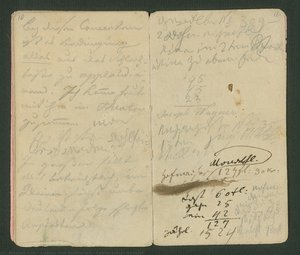
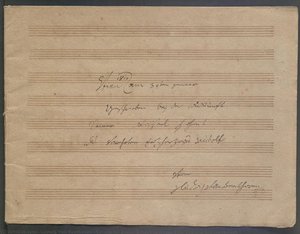
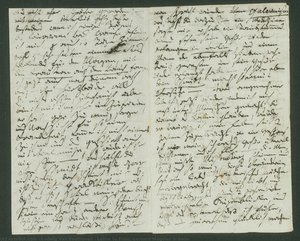
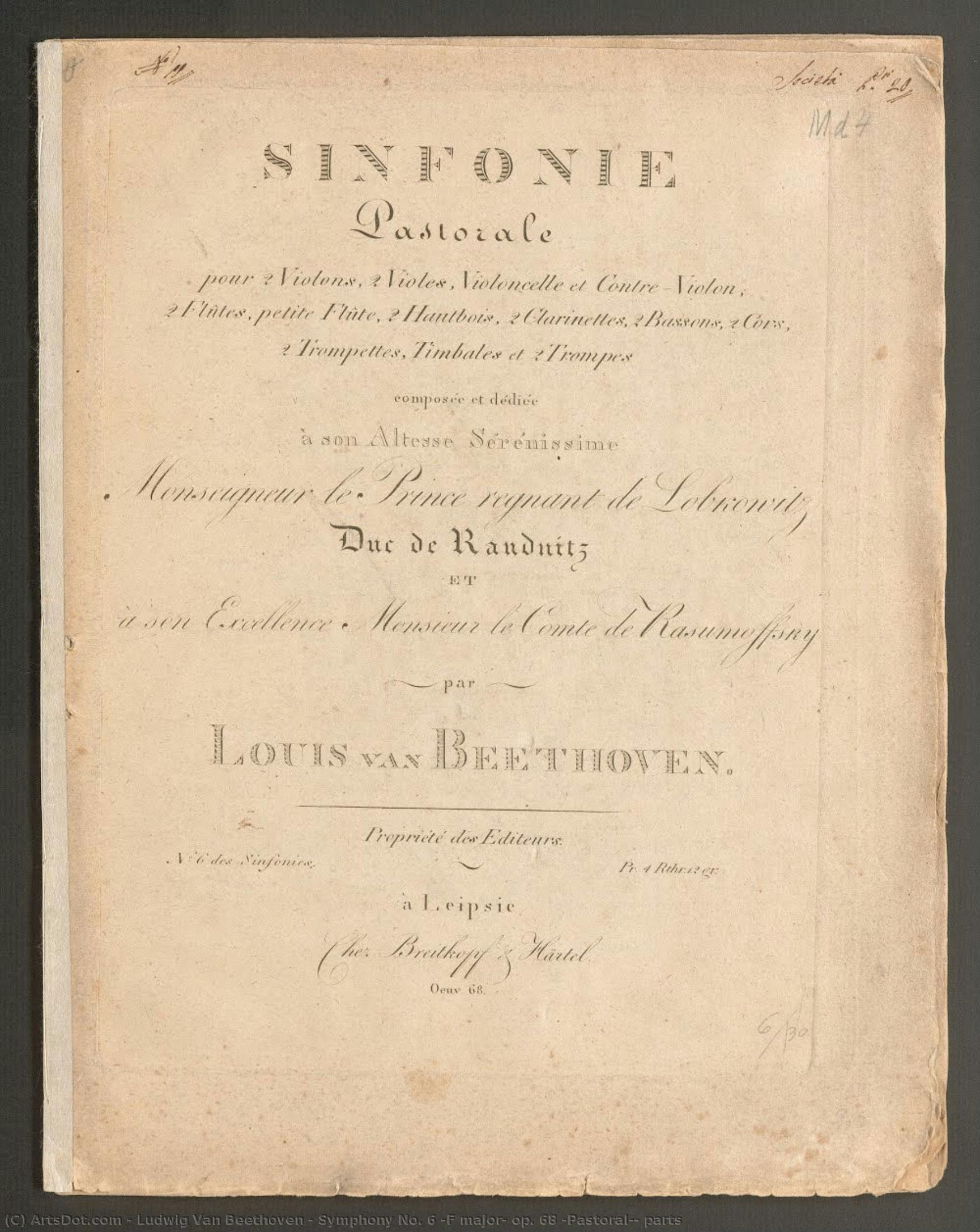
Symphony No. 6 (F major) op. 68 (Pastoral), parts


 Weiterlesen
Handgefertigte Ölreproduktion
Handgemaltes Ölgemälde auf Leinwand in Ihrer Wunschgröße und mit Rahmen, auf Bestellung von unseren Künstlern angefertigt. ( Druck bestellen Bild kaufen)




P118B $10

P118H $10

P118W $10

P438Z $10

P508JH $12

P508YH $12

P805H $10

P805Z $10

P919BZ $10

P919G $10

P919XJ $10

P959ZH $10

P968JZ $12

W106C $8

W218G $10

W218JH $8

W218Y $10

W307PJ $10

W316G $10

W316PJ $8

W316Y $10

W398PJ $8

W4111J $10

W500HY $15

W500JH $15

W692G $12

W849H $8

W940BG $15

W953PJ $8




Wählen Sie aus unseren vordefinierten Formaten, die den ursprünglichen Proportionen des Kunstwerks entsprechen.

Sie können Ihre eigenen Maße eingeben, um einen bestimmten Rahmen oder Platz auszufüllen. Wenn die gewählte Größe nicht den Proportionen des Originalbildes entspricht, werden wir das Kunstwerk entweder beschneiden oder das Gemälde durch zusätzliche, handgemalte Elemente erweitern. Ein digitales Mockup wird Ihnen zur Genehmigung zugesandt, bevor die Produktion beginnt.
Bitte beachten Sie, dass die Bildschirmvorschau nicht die tatsächliche Beschneidung oder Erweiterung widerspiegelt. Nur das Mockup zeigt die endgültige Komposition exakt an.
Obwohl Sondermaße verfügbar sind, empfehlen wir, eine Größe aus der vordefinierten Liste zu wählen, um die ursprünglichen Proportionen beizubehalten.
Nach der Bestellung wird das ArtsDot.com-Team dem Kunden Anweisungen per E-Mail zusenden und eine Mockup-Vorschau bereitstellen.
Weltweiter Versand () in nur 3 bis 4 Wochen statt der üblichen 5 Wochen. (30 August). Keine Kompromisse bei der Qualität.

Kostenloser weltweiter Expressversand

Hochwertige Leinenleinwand

Umfassender Versicherungsschutz beim Versand

Zollgebühren-Rückerstattungsgarantie

Garantie für exakte Farbtreue

60 Tage Rückgaberecht (nur bei Mängeln)

100% Geld-zurück-Garantie

Mengenrabatt verfügbar
 Die Glasoption ist nur für Größen unter 110 cm verfügbar.

Symphony No. 6 (F major) op. 68 (Pastoral), parts
Art der Reproduktion
Format der Reproduktion
-


Gesamtpreis
$ 263
A Window into the Soul of Nature
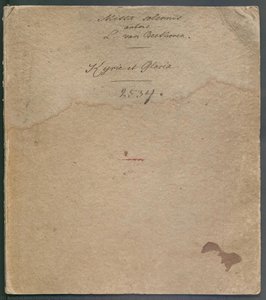
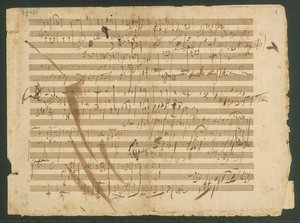
Behold a captivating reproduction of Ludwig van Beethoven’s Symphony No. 6 in F major, affectionately known as the “Pastoral” Symphony – an evocative journey rendered on aged parchment that transcends mere musical notation and becomes a portal to the composer's profound connection with the natural world. This isn’t simply a sheet music page; it’s a tangible artifact whispering tales of rolling hills, babbling brooks, and the quiet majesty of rural life, all meticulously captured within the constraints of 19th-century print design. The deliberate choice of a vintage aesthetic—the subtle yellowing of the paper, the delicate creases hinting at years spent in careful study—immediately establishes an atmosphere of reverence and historical significance, inviting us to step back into a time when music was intimately linked with observation and emotion.
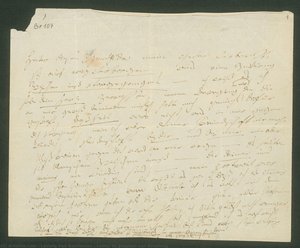
The design itself is a testament to the elegance of classical European printmaking. The typography, a refined serif font, commands attention while maintaining a sense of formality befitting Beethoven’s stature. Handwritten annotations, scattered throughout the score, add a layer of intimacy, suggesting the composer's own meticulous revisions and personal reflections. These details aren’t mere flourishes; they are integral to understanding the work’s genesis – a deliberate attempt by Beethoven to translate his experiences in nature into musical form, moving beyond the rigid structures of earlier classical music.
The Genesis of Pastoralism
Beethoven's Sixth Symphony emerged during a pivotal period in his life—a time marked by increasing deafness and a growing desire for respite from the pressures of Viennese society. Seeking solace and inspiration, he retreated to the countryside, immersing himself in the sights and sounds of nature. This experience profoundly shaped the symphony, which became a deliberate attempt to evoke these sensory impressions through music. The work’s programmatic titles—"Awakening," "Scene by the Brook," "Merry Gathering of Country Folk," and “Thunderstorm”—provide explicit clues to the musical landscape Beethoven sought to portray.
The symphony's structure mirrors this pastoral journey, unfolding in five movements that capture distinct aspects of rural life. The opening movement, “Awakening,” establishes a sense of tranquility and anticipation, while the second, "Scene by the Brook," utilizes delicate string textures and evocative melodic fragments to mimic the sound of flowing water. The third movement, “Merry Gathering of Country Folk,” bursts with lively energy, depicting a boisterous tavern scene filled with dancing and merriment. Finally, the fourth movement, “Thunderstorm,” unleashes a dramatic torrent of orchestral sound, capturing the raw power and awe-inspiring beauty of nature’s fury.
Symbolism and Emotional Resonance
Beyond its programmatic content, Beethoven's Sixth Symphony is rich in symbolism. The pastoral themes resonate with a longing for simplicity, peace, and connection to the natural world—emotions that were particularly poignant during the Romantic era, when artists and writers sought to escape the constraints of industrial society. The symphony’s emotional impact is profound, evoking feelings of joy, serenity, wonder, and even melancholy. It's a testament to Beethoven's ability to tap into universal human experiences through his music.
The aged manuscript itself serves as a powerful symbol—a reminder of the passage of time, the enduring legacy of artistic genius, and the beauty that can be found in both nature and art. This reproduction isn’t just a copy; it's an invitation to connect with Beethoven’s vision, to lose oneself in the music’s evocative landscapes, and to appreciate the profound emotional depth of this timeless masterpiece.
Ähnliche Kunstwerke
Über den Künstler
early life and musical beginnings
Ludwig van Beethoven, a renowned German composer and pianist, was born in Bonn, Germany, in 1770. Displaying his musical talent at a young age, he began studying music under various teachers before moving to Vienna, where he would spend most of his life. Despite suffering from deafness for much of his career, Beethoven continued to compose some of the most iconic pieces of classical music, including Symphony No. 9 and Moonlight Sonata. His innovative compositions combined vocals and instruments, creating a unique sound that has influenced countless musicians over the centuries. Some of Beethoven’s notable works include:- Sonata for Piano and Violoncello (A Major) Op. 69, 1st Movement (available at ArtsDot.com)
- Beethoven's Manuscript of the Missa Solemnis (viewable at Wikipedia)
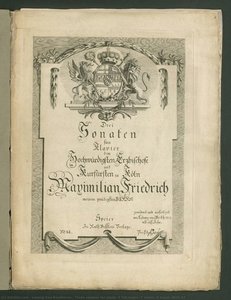
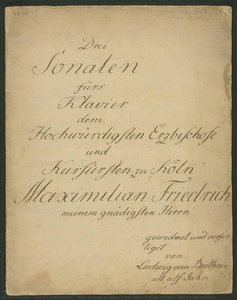
- Three Opus 1 Piano Sonatas, Patronized by Karl Alois, Prince Lichnowsky
musical development and influences
Beethoven’s formative years were marked by exposure to influential composers such as Franz Joseph Haydn and Christian Gottlob Schulze, who instilled in him a deep understanding of classical musical traditions. These mentors nurtured his prodigious talent and shaped his artistic vision—a vision that would ultimately transcend the boundaries of its time. His early compositions demonstrated remarkable technical skill and melodic beauty, foreshadowing the grandeur and emotional depth characteristic of his later masterpieces. Beethoven’s dedication to mastering the piano was unwavering, honing his craft through rigorous practice and experimentation.key achievements and iconic works
Beethoven's legacy rests upon a monumental body of work that revolutionized musical thought and expression. Symphony No. 9, with its choral finale celebrating Schiller’s Ode to Joy, stands as an unparalleled testament to human aspiration and unity—a cornerstone of Romantic idealism. Moonlight Sonata captivated audiences worldwide with its haunting melody and evocative harmonies, establishing Beethoven as a pioneer in instrumental piano music. Furthermore, his Piano Sonatas Op. 27 No. 1 and Op. 53 ("Pathétique") are considered among the most emotionally resonant compositions ever conceived, exploring themes of despair, resilience, and transcendence.Vienna and artistic legacy
Beethoven established himself as a celebrated composer in Vienna, Austria, where he cultivated relationships with prominent patrons and fellow artists—a milieu that fostered creativity and intellectual exchange. Despite facing increasing deafness throughout his later years, Beethoven persevered in composing some of his most profound works, demonstrating an unwavering commitment to artistic excellence. His music continues to inspire generations of musicians and listeners alike, cementing his position as one of the greatest figures in Western musical history. Ludwig van Beethoven | 30 artworks Learn more about Beethoven’s life and music at Wikipedia: Ludwig van Beethoven - Wikipedia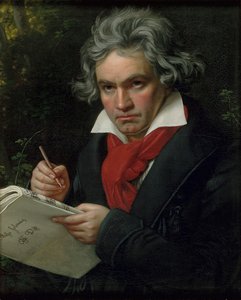
Ludwig Van Beethoven
1770 - 1827 , Deutschland
Kurzinfos
- Artistic Movement Or Style: Klassisch Romantik
- Artists Or Movements Influenced By This Artist: ['Johannes Brahms']
- Artists Who Influenced This Artist:
- Franz Joseph Haydn
- Christian Gottlob Schulze
- Date Of Birth: 1770 Bonn Deutschland
- Date Of Death: 1827 Wien Österreich
- Full Name: Ludwig van Beethoven
- Nationality: Deutsch
- Notable Artworks:
- Mondscheinsonate
- Symfonie Nr. 9
- Place Of Birth: Bonn Deutschland
Ähnliche Artikel
Idyllic Visions: Exploring the Pastoral Tradition in Western Art – Themes, Techniques & Enduring Appeal
Explore the rich history of pastoral art from classical Arcadia to contemporary interpretations. Discover key artists, themes & collecting tips at ArtsDot.

Idyllic Visions: Exploring the Pastoral Scene in Art History – From Arcadia to Modern Interpretations
Explore the captivating history of pastoral art from classical Arcadia to modern masterpieces. Discover key artists like Millet & Cole at ArtsDot. Find serene landscape paintings for your home.

Idyllic Visions: Exploring Pastoral Scenes in Art History – From Arcadia to Modern Interpretations
Explore the captivating history of pastoral art, from classical Arcadia to 19th-century masterpieces. Discover key artists like Millet & Cole and find serene landscape paintings for your home at ArtsDot.
Evoking Arcadia: A Historical & Aesthetic Exploration of Rural Landscape Art
Explore the rich history of pastoral landscape art, from classical Arcadia to Impressionism & beyond. Discover key artists, movements, and how to collect serene rural scenes for your home. Expert insights at ArtsDot.
Albertus Verhoesen: Capturing Dutch Pastoral Life with Exquisite Detail
Explore the idyllic rural scenes of Albertus Verhoesen (1806-1881). Discover his charming paintings, renowned for realistic detail and pastoral beauty. Learn about this Dutch Romantic master at ArtsDot.