

 Vorschau anzeigen
 Versenden
 Teilen
 Details anzeigen

 Herunterladen
 Ähnliche Objekte
 Röntgenaufnahme
 Diashow
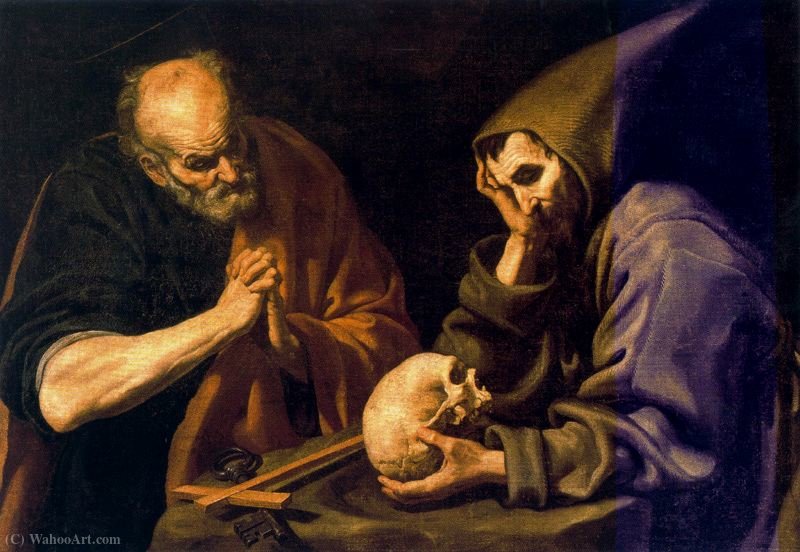
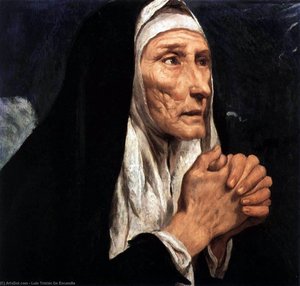
Untitled (873)
 Weiterlesen
Handgefertigte Ölreproduktion
Handgemaltes Ölgemälde auf Leinwand in Ihrer Wunschgröße und mit Rahmen, auf Bestellung von unseren Künstlern angefertigt. ( Druck bestellen Bild kaufen)




































Wählen Sie aus unseren vordefinierten Formaten, die den ursprünglichen Proportionen des Kunstwerks entsprechen.

Sie können Ihre eigenen Maße eingeben, um einen bestimmten Rahmen oder Platz auszufüllen. Wenn die gewählte Größe nicht den Proportionen des Originalbildes entspricht, werden wir das Kunstwerk entweder beschneiden oder das Gemälde durch zusätzliche, handgemalte Elemente erweitern. Ein digitales Mockup wird Ihnen zur Genehmigung zugesandt, bevor die Produktion beginnt.
Bitte beachten Sie, dass die Bildschirmvorschau nicht die tatsächliche Beschneidung oder Erweiterung widerspiegelt. Nur das Mockup zeigt die endgültige Komposition exakt an.
Obwohl Sondermaße verfügbar sind, empfehlen wir, eine Größe aus der vordefinierten Liste zu wählen, um die ursprünglichen Proportionen beizubehalten.
Nach der Bestellung wird das ArtsDot.com-Team dem Kunden Anweisungen per E-Mail zusenden und eine Mockup-Vorschau bereitstellen.
Weltweiter Versand () in nur 3 bis 4 Wochen statt der üblichen 5 Wochen. (31 August). Keine Kompromisse bei der Qualität.

Kostenloser weltweiter Expressversand

Hochwertige Leinenleinwand

Umfassender Versicherungsschutz beim Versand

Zollgebühren-Rückerstattungsgarantie

Garantie für exakte Farbtreue

60 Tage Rückgaberecht (nur bei Mängeln)

100% Geld-zurück-Garantie

Mengenrabatt verfügbar
 Die Glasoption ist nur für Größen unter 110 cm verfügbar.

Untitled (873)
Art der Reproduktion
Format der Reproduktion
-


Gesamtpreis
$ 263
Ähnliche Kunstwerke



Über den Künstler
The Shadow of El Greco: The Formative Years in Toledo
In the winding, sun-drenched streets of Toledo, a city where history breathes through every stone, the life of Luis Tristán de Escamilla began amidst a profound atmosphere of religious fervor and artistic tradition. Born into a family of merchants and artisans around 1585, Tristán was destined to become a pivotal figure in the Spanish Mannerist movement. His early years were defined by an intimate connection to the masters of his era, most notably through his apprenticeship in the workshop of El Greco between 1603 and 1607. This period of mentorship was transformative; Tristán did not merely learn technique, but absorbed a visual language of spiritual depth and dramatic tension. In those early canvases, one can see him meticulously replicating the elongated figures and expressive chiaroscuro that characterized his teacher’s hand, creating works so closely aligned with El Greco's style that many were historically attributed to the master himself.
As a primary follower of El Greco’s legacy, alongside Jorge Manuel Theotocópuli, Tristán acted as a bridge between the fading echoes of Mannerism and the rising tide of a new aesthetic. His early development was marked by this tension—a struggle to maintain the spiritual, almost otherworldly elegance of the late Renaissance while beginning to grasp the visceral realism that would soon define his mature period.
A Journey Through Light: The Italian Influence and Caravaggisti Innovation
The trajectory of Tristán’s artistic soul underwent a radical shift around 1603 when he embarked on a transformative voyage to Italy. This pilgrimage, which saw him traversing the great artistic hubs of Rome and Naples, irrevocably altered his brushwork. In the heart of Italy, Tristán encountered the burgeoning Caravaggisti movement, a revolution in painting that favored stark realism and theatrical lighting over the idealized forms of the past. The influence of Caravaggio’s dramatic interplay between light and shadow began to seep into his compositions, replacing the ethereal glow of Toledo with a more grounded, tactile intensity.
Upon his return to Spain around 1613, Tristán brought with him a sophisticated synthesis of styles. He had successfully merged the spiritual, elongated grace of the Spanish Mannerist tradition with the gritty, emotive realism of the Italian Baroque. This unique stylistic fusion allowed him to create works that were simultaneously contemplative and profoundly human. His mastery of texture and light is evident in pieces such as The Bread and Egg Watch, where rich textures and layered realism evoke a sense of seventeenth-century compassion, or his Adoration of the Magi, which showcases an exquisite Baroque detail and symbolic depth.
A Legacy Etched in Shadow and Devotion
Though his life was tragically cut short at the age of thirty-nine in 1624, the impact of Luis Tristán de Escamilla remains etched in the annals of Spanish art. He stood as a vanguard artist, navigating the complex transition from the stylistic disquiet of Mannerism to the emotional grandeur of the Baroque. His ability to capture the somber dignity of his subjects—seen in the meticulous rendering of Portrait of Félix Lope de Vega or the serene, prayerful countenance of St. Monica—demonstrates a profound understanding of human emotion and spiritual devotion.
Tristán’s historical significance lies in his role as an artistic conduit. He did not simply follow a single school; rather, he synthesized disparate movements into a cohesive, uniquely Spanish vision. His works continue to reside in some of the world's most prestigious collections, from the Museo de Santa Cruz in Toledo to the Hermitage Museum in St. Petersburg, serving as enduring testaments to a life spent chasing the divine through the medium of light and shadow.
luis tristán de escamilla
1586 - 1624
Kurzinfos
- Artistic Movement Or Style: Mannerism
- Artists Or Movements Influenced By This Artist: ['Caravaggisti']
- Artists Who Influenced This Artist: ['El Greco']
- Date Of Death: 1624
- Full Name: Luis Tristán de Escamilla
- Nationality: Spanish
- Notable Artworks:
- Saint Louis Distributing Alms.
- The Round of Bread and Eggs.
- Place Of Birth: Toledo, Spain

