

 Vorschau anzeigen
 Versenden
 Teilen
 Details anzeigen

 Herunterladen
 Ähnliche Objekte
 Röntgenaufnahme
 Diashow
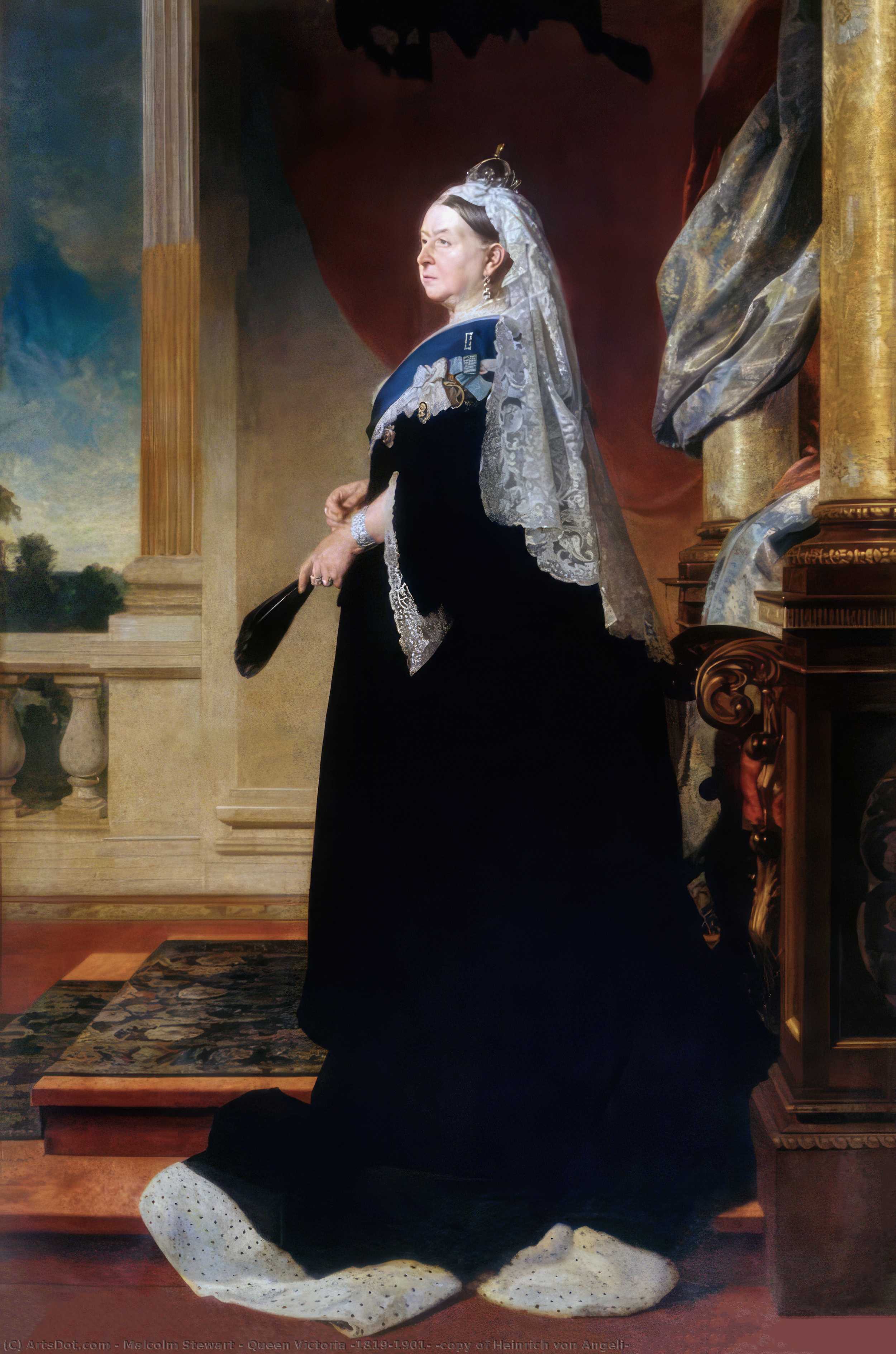
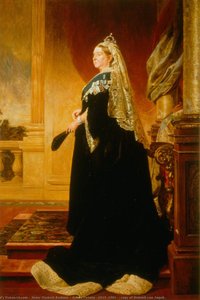
Queen Victoria (1819–1901) (copy of Heinrich von Angeli)
 Academic Realism
 1899
1899 248.0 x 165.0 cm
 Government Art Collection
 Weiterlesen
Erwerben Sie ein hochauflösendes, optimiertes digitales Bild, das der Online-Vorschau weit überlegen ist.
Jede Datei wird von unseren hauseigenen Spezialisten mit modernsten Werkzeugen und fachmännischer manueller Retusche sorgfältig vorbereitet. Wir stellen sicher, dass jedes Bild eine außergewöhnliche Klarheit, präzise Farbgenauigkeit und feinste Details aufweist.
Die endgültige Datei wird innerhalb von 72 Stunden per E-Mail zugestellt und ist für den sofortigen Einsatz in professionellen, redaktionellen und Druckumgebungen optimiert. Es handelt sich um dieselbe Qualität, der führende Designstudios, Verlage und Galerien vertrauen.
Digitales Bild
Laden Sie eine hochauflösende Datei für die persönliche Präsentation, den Druck und kreative Projekte herunter. ( Druck bestellen Handgemalte Reproduktion bestellen)
In jeder Bestellung digitaler Bilder enthalten
Professionelle digitale Bereitstellung, garantiert
Wenn Sie sich für ArtsDot.com entscheiden, erhalten Sie nicht nur ein Bild – Sie erhalten ein professionell aufbereitetes digitales Kunstwerk, das mit höchster Präzision erstellt und durch eine Zufriedenheitsgarantie abgesichert wird. Hier ist alles, was automatisch mit Ihrer Bestellung geliefert wird:

Schnelle E-Mail-Zustellung
Ihre hochauflösende digitale Bilddatei wird Ihnen innerhalb von 72 Stunden nach der Bestellung per E-Mail zugestellt – bereit zur sofortigen Verwendung.

KI-optimierte digitale Datei
Ihre Kunstwerke werden professionell mithilfe fortschrittlicher KI-Tools und manueller Bearbeitung optimiert, um maximale Detailtreue, Klarheit und Farbgenauigkeit zu gewährleisten.

Lebenslanger kostenloser Neudruckservice
Datei versehentlich gelöscht oder verloren? Keine Sorge – wir senden sie Ihnen jederzeit kostenlos erneut zu.

Keine Einfuhrgebühren – jemals
Genießen Sie Ihr Kunstwerk sofort ohne Zollgebühren, Einfuhrabgaben oder Versandkosten – digitale Downloads sind immer steuerfrei.

Garantierte Farbtreue
Wir garantieren, dass Ihr digitales Bild mithilfe professioneller Werkzeuge und Farbmanagement die Originalfarben so präzise wie möglich wiedergibt.

60-Tage-Zufriedenheitsgarantie
Sollten Sie mit Ihrem digitalen Bild nicht zufrieden sein, werden wir es überarbeiten oder Ihnen innerhalb von 60 Tagen 100% erstatten – ohne Wenn und Aber.

100% Geld-zurück-Garantie
Nicht zufrieden? Erhalten Sie innerhalb von 60 Tagen nach Erhalt Ihrer digitalen Datei eine vollständige Rückerstattung – ohne Angabe von Gründen.

Rabatte bei Großbestellungen
3 Bilder kaufen, 10% sparen – 5 Bilder kaufen, 15% sparen – Ab 10 Bildern 20% sparen. Ideal für kreative Projekte, Galerien und Agenturen.
Ähnliche Kunstwerke
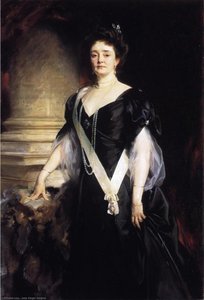
![Frau Henry White (margaret [daisy] Stuyvesant Rutherford) — John Singer Sargent, Realism Impressionism Blend](/media/artworks/images-thumb/11/aa/11aaacd10da7d0d14f9c79dca519f115.jpg)
Biografie des Künstlers
Malcolm Stewart: A Portraitist of Victorian England
Malcolm Stewart (1829–1916) stands as a significant, yet often overlooked, figure in 19th-century British portraiture. Born in Glasgow, Scotland, his artistic journey unfolded against the backdrop of rapid industrialization and shifting social landscapes – experiences that profoundly shaped his distinctive style and subject matter. Stewart’s work offers a poignant glimpse into Victorian society, capturing not just outward appearances but also subtle nuances of character and the quiet dignity of everyday life.
Stewart's early artistic training remains somewhat shrouded in mystery, though he is believed to have studied under various artists in Glasgow before establishing himself as an independent practitioner. His initial works leaned towards genre scenes depicting working-class life – a period often neglected by mainstream art at the time. However, it was his foray into portraiture that truly cemented his reputation and established him as a master of capturing the essence of his subjects. He quickly developed a distinctive technique characterized by soft lighting, delicate brushwork, and an almost melancholic atmosphere.
The Influence of Luminism and Japanese Aesthetics
Stewart’s artistic development was significantly influenced by two key movements: Luminism and Aesthetic Japonisme. Luminism, originating in the United States, emphasized capturing fleeting moments of light and atmosphere, often depicting landscapes with a sense of serenity and introspection. This focus on subtle tonal variations and atmospheric perspective found its way into Stewart's portraiture, lending his works an ethereal quality. Simultaneously, he was deeply fascinated by Japanese art, particularly Ukiyo-e prints – woodblock images that depicted scenes from everyday life, landscapes, and portraits. The influence of Japanese aesthetics is evident in Stewart’s compositions, which often feature asymmetrical arrangements, flattened perspectives, and a deliberate avoidance of dramatic contrasts.
The adoption of Japanese compositional elements—particularly the use of negative space and simplified forms—allowed Stewart to create portraits that felt both intimate and subtly enigmatic. He skillfully blended these influences with his own artistic sensibilities, resulting in a unique style that is simultaneously rooted in Victorian tradition and infused with an exotic sensibility.
Subjects and Themes: Dignity in the Ordinary
Stewart’s subjects were remarkably diverse, ranging from wealthy industrialists and prominent politicians to humble laborers and members of the working class. He eschewed the conventional practice of depicting his sitters in opulent settings or formal poses. Instead, he sought to capture their inherent dignity and humanity within ordinary circumstances. Many of his portraits depict individuals engaged in everyday activities – reading, conversing, tending to domestic duties – revealing a deep empathy for the lives of those around him.
His portraits of working-class men and women are particularly noteworthy for their honesty and realism. Stewart avoided romanticizing poverty or portraying his subjects as victims; instead, he presented them with quiet dignity and respect, highlighting their resilience and inner strength. Notable examples include portraits of Thomas Campbell, a prominent Scottish politician, and Dr. Livingstone, the famed explorer – both figures who embodied the spirit of Victorian ambition and exploration.
Technique and Legacy
Stewart’s technical skill lay in his mastery of tonal gradations and subtle brushwork. He employed a delicate layering technique, building up color slowly to create a sense of depth and atmosphere. His portraits are characterized by soft lighting, diffused shadows, and an almost velvety texture. He was particularly adept at capturing the nuances of facial expression – conveying a range of emotions with remarkable subtlety.
Despite his considerable talent, Stewart’s work received relatively little recognition during his lifetime. However, in recent decades, there has been a growing appreciation for his unique artistic vision and his significant contribution to Victorian portraiture. His paintings are now housed in major museums across the United Kingdom, including the National Gallery of Scotland and the Walker Art Gallery in Liverpool, ensuring that his legacy as one of Britain’s most accomplished portraitists will endure.
Further Exploration
For further information on Malcolm Stewart's life and work, consider visiting these resources:
malcolm stewart
1829 - 1916
Kurzinfos
- Artistic Movement Or Style: Neo-Classical Portraiture
- Artists Or Movements Influenced By This Artist: ['Neoclassicism']
- Artists Who Influenced This Artist: ['Sir Thomas Lawrence']
- Date Of Birth: 1829
- Date Of Death: 1916
- Full Name: Malcolm Stewart
- Nationality: British
- Notable Artworks:
- Thomas Campbell Portrait
- Dr Livingstone Portrait
- Place Of Birth: Glasgow, Scotland

