

 Vorschau anzeigen
 Versenden
 Teilen
 Details anzeigen

 Herunterladen
 Ähnliche Objekte
 Röntgenaufnahme
 Diashow
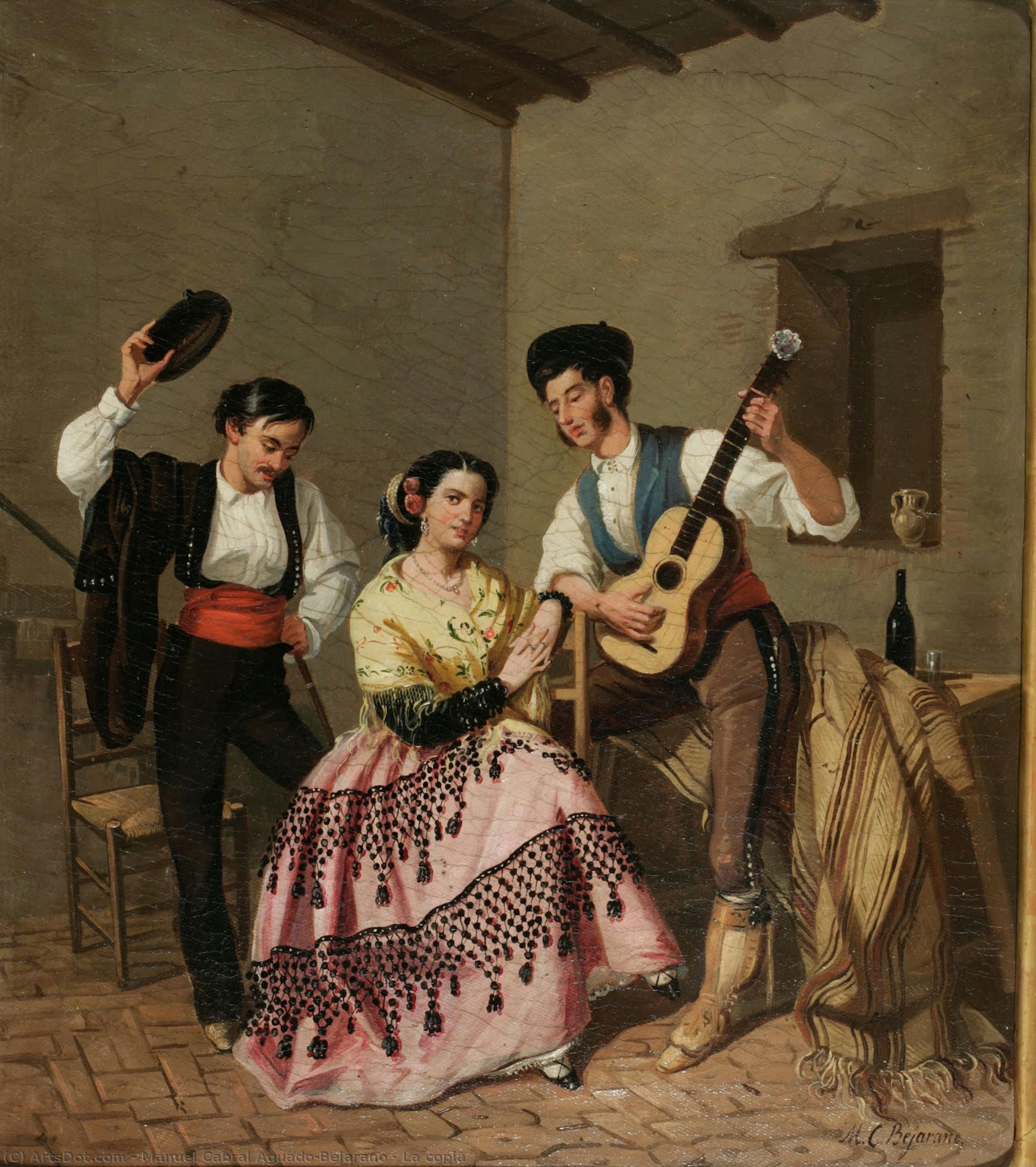
La copla
 Oil On Canvas
- WallArt
- Costumbrismo
 1890
1890- 19th Century
 38.0 x 45.0 cm
 Museo Nacional del Romanticismo
 Weiterlesen
Giclée / Kunstdruck
Giclée- oder Leinwanddruck in Museumsqualität mit schneller Produktion und flexiblen Veredelungsoptionen. ( Handgemalte Reproduktion bestellen Bild kaufen)




P118B $10

P118H $10

P118W $10

P438Z $10

P508JH $12

P508YH $12

P805H $10

P805Z $10

P919BZ $10

P919G $10

P919XJ $10

P959ZH $10

P968JZ $12

W106C $8

W218G $10

W218JH $8

W218Y $10

W307PJ $10

W316G $10

W316PJ $8

W316Y $10

W398PJ $8

W4111J $10

W500HY $15

W500JH $15

W692G $12

W849H $8

W940BG $15

W953PJ $8




Wählen Sie aus unseren vordefinierten Formaten, die den ursprünglichen Proportionen des Kunstwerks entsprechen.

Sie können Ihre eigenen Maße eingeben, um ein bestimmtes Format oder einen speziellen Platz einzupassen. Wenn das von Ihnen gewählte Format nicht den Proportionen des Originalbildes entspricht, werden wir das Kunstwerk entweder beschneiden oder das Bild mit einem gespiegelten oder einfarbigen Rand erweitern. Ein digitaler Entwurf wird Ihnen zur Genehmigung zugesandt, bevor die Produktion beginnt.
Bitte beachten Sie, dass die Vorschau auf dem Bildschirm nicht den tatsächlichen Zuschnitt oder die Erweiterung widerspiegelt. Nur der Entwurf zeigt die endgültige Komposition präzise an.
Obwohl Sondermaße verfügbar sind, empfehlen wir die Auswahl eines Maßes aus der vordefinierten Liste, um die ursprünglichen Proportionen zu bewahren.
Weltweiter Versand () innerhalb von 2 Wochen statt der üblichen 4/5 Wochen. (28 August)

Kostenloser weltweiter Expressversand

Hochwertige Leinenleinwand

Umfassender Versicherungsschutz beim Versand

Zollgebühren-Rückerstattungsgarantie

Garantie für exakte Farbtreue

60 Tage Rückgaberecht (nur bei Mängeln)

100% Geld-zurück-Garantie

Mengenrabatt verfügbar
 Die Glasoption ist nur für Größen unter 110 cm verfügbar.

La copla
Giclée / Kunstdruck
Format der Reproduktion
-


Gesamtpreis
$ 62
A Glimpse into Andalusian Soul
In the warm, amber-hued atmosphere of a nineteenth-century Spanish tavern, Manuel Cabral Aguado-Bejarano captures a moment of profound cultural intimacy in his masterpiece, La copla. This evocative painting serves as a window into the heart of Andalusia, transporting the viewer to an era where music and poetry were the lifeblood of social connection. The scene unfolds with a quiet, rhythmic grace, centered around a woman whose contemplative posture—hands clasped, eyes perhaps lost in the melody—anchors the composition. Beside her, the presence of a guitarist suggests the unfolding of a copla, that traditional Spanish poetic genre that weaves tales of love, longing, and daily struggle. The painting is not merely a depiction of a gathering; it is a sensory experience, where one can almost hear the strumming of strings and the low murmur of conversation amidst the clinking of bottles.
The artistry of Aguado-Bejarano lies in his masterful command of the Costumbrismo style. Through delicate brushwork and a rich, earthy palette, he documents the customs and archetypes of his homeland with both precision and romanticism. The artist utilizes light to create a sense of depth and warmth, casting soft shadows that dance across the tavern walls and illuminate the textures of traditional fabrics. Every detail, from the way the light catches the glass on the table to the expressive folds of the characters' attire, contributes to a narrative of authenticity. For the discerning collector or interior designer, this piece offers more than just visual beauty; it provides a sense of historical weight and cultural richness that can anchor a room with timeless elegance.
The Art of Tradition and Social Reflection
Beyond its aesthetic charm, La copla carries a deeper layer of social significance. Created in 1890, the work belongs to a period when foreign intellectuals and travelers were captivated by the "exotic" allure of Spain. Aguado-Bejarano, a native of Seville, skillfully navigated this demand by creating works that satisfied the bourgeois appetite for the picturesque while maintaining a documentary-like focus on the common people. The painting subtly incorporates elements of social criticism and stereotypes of the era, presenting the tavern as a democratic space where the rhythms of folk life intersect with the broader currents of Spanish identity. It is a celebration of the "authentic" Spain—a world of tradition that felt increasingly precious as the modern age approached.
For those looking to incorporate fine art into a contemporary living space, this reproduction offers an unparalleled opportunity to invite history and emotion into the home. The intimate scale of the original work makes it an ideal focal point for a study, a library, or a sophisticated dining area, where its themes of companionship and cultural heritage can resonate deeply with guests. Owning a piece that captures such a poignant moment in art history allows for a continuous dialogue between the past and the present, making La copla a profound addition to any curated collection of European masters.
Ähnliche Kunstwerke


Über den Künstler
Frühes Leben und Ausbildung
Manuel Cabral Aguado-Bejarano, ein renommierter spanischer Maler, wurde 1827 in Sevilla geboren. Er war der Sohn von Antonio Cabral Bejarano, selbst ein Maler, und begann seine künstlerische Reise unter der Anleitung von José Domínguez Bécquer. Später schrieb er sich 1845 an der Real Academia de Bellas Artes de Santa Isabel de Hungría in Sevilla ein.Künstlerischer Stil und bedeutende Werke
Der Stil von Aguado-Bejarano zeichnet sich durch seine Betonung des Costumbrismo aus, einem Genre, das sich auf das alltägliche Leben und die Bräuche der andalusischen Region konzentriert. Seine Werke sind bemerkenswert für ihre Liebe zum Detail, was ihnen eine große Bedeutung aus dokumentarischer Sicht verleiht. Zu seinen bedeutendsten Gemälden gehören:- Die Costumbrista-Szene (Öl auf Leinwand), die seine Meisterschaft bei der Erfassung der Essenz des andalusischen Lebens zeigt.
- Porträt von Teodora Lamadrid (Öl auf Leinwand), ein Zeugnis seines Geschicks in der Porträtmalerei.
- Die französische herzogliche Familie von Montpensier (Öl auf Leinwand), die seine Fähigkeit unterstreicht, die Nuancen des aristokratischen Lebens einzufangen.
Museumssammlungen und Vermächtnis
Die Werke von Aguado-Bejarano sind in verschiedenen Museen zu finden, darunter:- das Museo del Romanticismo (Madrid), das eine umfangreiche Sammlung seiner Costumbrismo-Szenen beherbergt.
- das Carmen Thyssen Museum (Málaga), das seine Porträts und Genreszenen präsentiert.
Fazit
Das Vermächtnis von Manuel Cabral Aguado-Bejarano als romantischer Maler ist unbestreitbar. Seine Liebe zum Detail und seine Fähigkeit, das Wesen des andalusischen Lebens einzufangen, haben seine Werke zu einem Schatz für Kunstliebhaber und Historiker gleichermaßen gemacht.- Sehen Sie sich weitere Werke von Aguado-Bejarano auf ArtsDot an.
- Erkunden Sie die Sammlung des Museo del Romanticismo auf ArtsDot.
- Entdecken Sie mehr über spanische Kunst und ihre Geschichte auf Wikipedia.
Referenzen:
- Manuel Cabral Aguado-Bejarano, ArtsDot.
- Museo del Romanticismo, ArtsDot.
- Spanische Kunst, Wikipedia.
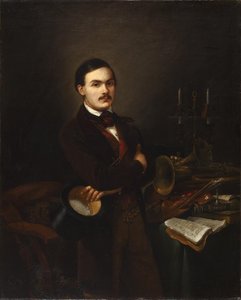
Manuel Cabral Aguado-Bejarano
1827 - 1891 , Spanien
Kurzinfos
- Artistic Movement Or Style: Romantik, Präraffaeliten
- Artists Or Movements Influenced By This Artist:
- Eugène Delacroix
- Romantik
- Artists Who Influenced This Artist:
- Raffael
- Michelangelo
- Dürer
- Emanuel Swedenborg
- Date Of Birth: 28. November 1757
- Date Of Death: 12. August 1827
- Full Name: William Blake
- Nationality: Britisch
- Notable Artworks:
- Songs of Innocence
- Songs of Experience
- The Marriage of Heaven and Hell
- Jerusalem
- Place Of Birth: London, England
Ähnliche Artikel
Manuel Benedito Vives: A Study of Light, Color & Emotional Resonance in Contemporary Spanish Painting
Explore the captivating world of Manuel Benedito Vives, a celebrated Spanish painter influenced by Sorolla. Discover his masterful portraits, luminous landscapes & enduring legacy – a favorite of the Spanish Royal Family. Art collectors will appreciate this in-depth study.
Ignacio Díaz Olano: Bridging Realism & Costumbrismo in Spanish Portraiture
Explore the captivating works of Ignacio Díaz Olano, a pivotal Spanish Realist painter. Discover his intimate portraits, evocative scenes of Andalusia, and unique 'Costumbrista' style. Learn about his legacy & find museum-quality reproductions.
Rafael de Penagos: A Study in Spanish Portraiture & Artistic Identity
Explore the life & art of Rafael de Penagos, a leading Spanish Art Deco illustrator. Discover his iconic 'Penagos Woman', commercial work, and lasting legacy. Learn about this pivotal figure in 20th-century Spanish art history.

The Golden Age Reforged: Dramatic Realism & Religious Zeal in Spanish Baroque Art
Explore the dramatic world of Spanish Baroque art! Discover masters like Zurbarán & the powerful influence of religious zeal on painting techniques – a guide for collectors and enthusiasts.
José Gutiérrez Solana: A Chronicle of Spanish Society Through Expressionist Vision
Explore the captivating world of José Gutiérrez Solana, a pivotal Spanish Expressionist painter. Discover his haunting depictions of early 20th-century Spain, influenced by Goya & El Greco. Learn about his key works and lasting legacy.

