

 Vorschau anzeigen
 Versenden
 Teilen
 Details anzeigen

 Herunterladen
 Ähnliche Objekte
 Röntgenaufnahme
 Diashow
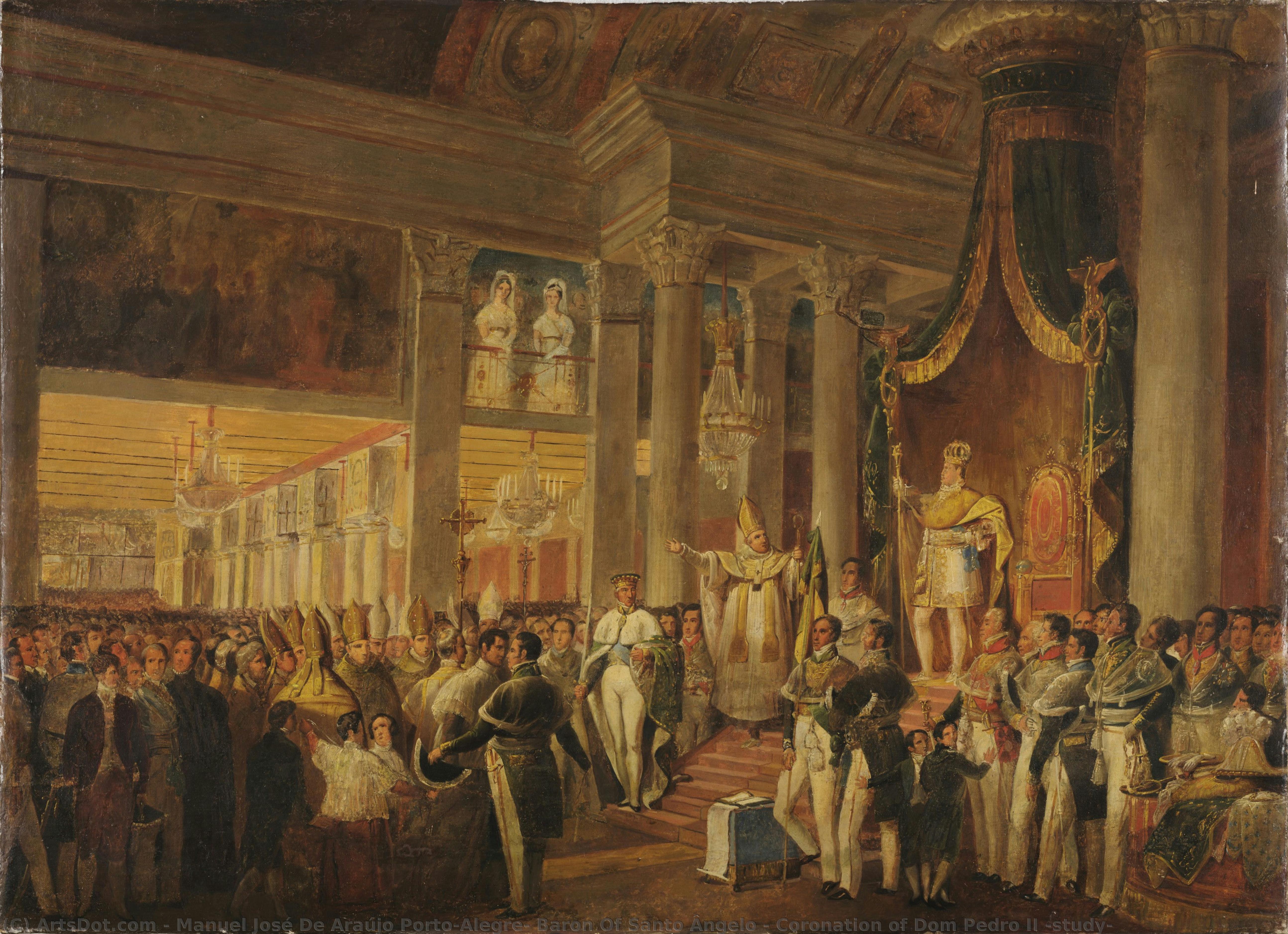
Coronation of Dom Pedro II (study)
 Oil On Canvas
- WallArt
- Romanticism
 1849
1849- 19th Century
 137.0 x 167.0 cm
 Museu Histórico Nacional
 Weiterlesen
Giclée / Kunstdruck
Giclée- oder Leinwanddruck in Museumsqualität mit schneller Produktion und flexiblen Veredelungsoptionen. ( Handgemalte Reproduktion bestellen Bild kaufen)




P118B $10

P118H $10

P118W $10

P438Z $10

P508JH $12

P508YH $12

P805H $10

P805Z $10

P919BZ $10

P919G $10

P919XJ $10

P959ZH $10

P968JZ $12

W106C $8

W218G $10

W218JH $8

W218Y $10

W307PJ $10

W316G $10

W316PJ $8

W316Y $10

W398PJ $8

W4111J $10

W500HY $15

W500JH $15

W692G $12

W849H $8

W940BG $15

W953PJ $8




Wählen Sie aus unseren vordefinierten Formaten, die den ursprünglichen Proportionen des Kunstwerks entsprechen.

Sie können Ihre eigenen Maße eingeben, um ein bestimmtes Format oder einen speziellen Platz einzupassen. Wenn das von Ihnen gewählte Format nicht den Proportionen des Originalbildes entspricht, werden wir das Kunstwerk entweder beschneiden oder das Bild mit einem gespiegelten oder einfarbigen Rand erweitern. Ein digitaler Entwurf wird Ihnen zur Genehmigung zugesandt, bevor die Produktion beginnt.
Bitte beachten Sie, dass die Vorschau auf dem Bildschirm nicht den tatsächlichen Zuschnitt oder die Erweiterung widerspiegelt. Nur der Entwurf zeigt die endgültige Komposition präzise an.
Obwohl Sondermaße verfügbar sind, empfehlen wir die Auswahl eines Maßes aus der vordefinierten Liste, um die ursprünglichen Proportionen zu bewahren.
Weltweiter Versand () innerhalb von 2 Wochen statt der üblichen 4/5 Wochen. (2 September)

Kostenloser weltweiter Expressversand

Hochwertige Leinenleinwand

Umfassender Versicherungsschutz beim Versand

Zollgebühren-Rückerstattungsgarantie

Garantie für exakte Farbtreue

60 Tage Rückgaberecht (nur bei Mängeln)

100% Geld-zurück-Garantie

Mengenrabatt verfügbar
 Die Glasoption ist nur für Größen unter 110 cm verfügbar.

Coronation of Dom Pedro II (study)
Giclée / Kunstdruck
Format der Reproduktion
-


Gesamtpreis
$ 62
A Grand Spectacle of Imperial Majesty
In the sweeping expanse of Manuel José de Araújo Porto-Alegre’s Coronation of Dom Pedro II (study), the viewer is not merely an observer but a guest within the hallowed, gilded halls of Brazilian history. This magnificent oil on canvas, dating from 1849, captures the profound gravity and ceremonial splendor of a moment that defined a nation. The composition is a masterclass in theatrical scale, presenting a grand hall flanked by imposing columns and illuminated by the soft, flickering glow of crystal chandeliers. At the heart of this architectural marvel stands Dom Pedro II, depicted in profile, crowned and poised with the weight of an empire upon his shoulders. The scene is thick with the atmosphere of a monumental event, where every figure—from the ecclesiastical leaders in their white and gold vestments to the noblemen and soldiers in their crisp uniforms—contributes to a sense of unified, historical destiny.
The artist’s technique breathes life into the stillness of the study, utilizing a rich palette that emphasizes the regal interplay of red, gold, and deep emerald. Porto-Alegre employs a Romantic sensibility, focusing on the emotional resonance of the crowd and the dramatic lighting that cascades over the coronation regalia. In the lower foreground, a table draped in luxurious red and gold fabric displays the sacred symbols of power: the sword, the cloak, and the gloves, each rendered with a tactile precision that invites the eye to linger on the textures of silk and metal. The movement within the painting is orchestrated through a complex arrangement of figures; the upward gesture of a priest’s staff and the fluttering of the Brazilian flag guide the viewer's gaze through the dense, celebratory throng, creating a rhythmic flow that mimics the very pulse of the ceremony.
Symbolism and the Romantic Spirit
Beyond its mere documentation of a political milestone, this work serves as a profound exploration of national identity and the Romantic ideals of the 19th century. Porto-Alegre, a pivotal figure in Brazilian art, weaves layers of symbolism into the very fabric of the hall. The presence of the clergy alongside the military and the nobility speaks to the intricate social contract of the era, where tradition and emerging statehood were inextricably linked. The light filtering through the scene acts as a metaphor for divine sanction, illuminating the young Emperor as a beacon of stability. For the discerning collector or interior designer, this piece offers more than just visual beauty; it provides a window into an era of profound transition, making it a powerful focal point for any space dedicated to heritage and classical elegance.
Integrating such a monumental work into a curated collection requires an appreciation for its narrative depth. Whether placed in a stately library or a grand salon, the Coronation of Dom Pedro II commands attention through its sheer scale and historical weight. The painting’s ability to evoke both the intimacy of a shared human moment—seen in the small figures of children amidst the crowd—and the overwhelming grandeur of imperial ritual makes it an unparalleled choice for those seeking to infuse their surroundings with a sense of timelessness, prestige, and the enduring spirit of Brazilian Romanticism.
Ähnliche Kunstwerke


![Palácio Imperial De Petrópolis [imperial Palace At Petrópolis] — Agostinho José Da Mota, Landscape Realism](/media/artworks/images-thumb/4e/a5/4ea5b59dbff977a2832e47ecaeb49d71.jpg)
Über den Künstler
Manuel José de Araújo Porto-Alegre, Baron von Santo Ângelo: Ein Leben in Kunst und Literatur
Frühes Leben und Ausbildung
Geboren am 29. November 1806 in Rio Pardo, Brasilien, war Manuel José de Araújo Porto-Alegre, Baron von Santo Ângelo eine zentrale Figur der brasilianischen Kunst und Kultur des 19. Jahrhunderts. Sein frühes Leben zeigte eine starke Neigung zu den Künsten, die ihn dazu veranlasste, an der Imperialen Akademie der Schönen Künste in Rio de Janeiro eine formelle Ausbildung zu absolvieren. Er studierte unter der Leitung von Jean-Baptiste Debret, einem französischen Maler, der eine entscheidende Rolle bei der Etablierung der künstlerischen Bildung in Brasilien spielte.
Künstlerische Karriere und Einflüsse
Porto-Alegres künstlerische Karriere erblühte im Kontext des Romantismus, einer Bewegung, die Emotionen, Vorstellungskraft und Individualität priorisierte. Er wurde berühmt für seine Landschaftsbilder und Porträts, die oft das Wesen des brasilianischen Lebens und der Landschaft einfingen. Seine Arbeit war tiefgreifend beeinflusst von seinen Reisen nach Europa, insbesondere nach Italien, wo er Gonçalves de Magalhães, einen weiteren bedeutenden brasilianischen Dichter, kennenlernte. Diese Erfahrung erweiterte seine künstlerischen Horizonte und trug zu seinem nationalistischen Ansatz bei.
Wesentliche künstlerische Beiträge
- Landschaften: Porto-Alegres Landschaftsbilder zeigten oft die natürliche Schönheit Brasiliens, mit üppiger Vegetation, dramatischen Wasserfällen und weitläufigen Ausblicken.
- Porträts: Seine Porträts zeichneten sich durch ihren Realismus und ihre Liebe zum Detail aus und fingen die Persönlichkeit und den sozialen Status seiner Modelle ein.
- Literarische Werke: Über das Malen hinaus war Porto-Alegre ein produktiver Schriftsteller. Sein episches Gedicht “Colombo” ist ein Beweis für seinen nationalistischen Eifer und sein literarisches Talent.
Engagement im brasilianischen Romantismus
Porto-Alegre beteiligte sich aktiv an der Gestaltung der romantischen Bewegung in Brasilien durch seine Beiträge zu einflussreichen Zeitschriften wie Niterói (1836) und Guanabara (1849). Diese Publikationen dienten als Plattformen zur Verbreitung romantischer Ideale und zur Förderung eines nationalen Identitätsgefühls.
Wichtige Errungenschaften und Vermächtnis
Im Laufe seiner vielschichtigen Karriere zeichnete sich Porto-Alegre nicht nur als Künstler und Schriftsteller, sondern auch als Politiker, Journalist, Architekt, Karikaturist, Historiker und Kunstkritiker aus. Diese vielfältige Bandbreite an Aktivitäten unterstreicht seine intellektuelle Neugierde und sein Engagement für die kulturelle Entwicklung. Sein Vermächtnis beeinflusst weiterhin die brasilianische Kunst und Literatur und festigt seinen Platz als bedeutende Figur in der Geschichte des Landes.
Historische Bedeutung
Manuel José de Araújo Porto-Alegre spielte eine entscheidende Rolle bei der Etablierung einer unverwechselbaren brasilianischen künstlerischen Identität im 19. Jahrhundert. Seine Arbeit spiegelte die sozialen, politischen und kulturellen Veränderungen seiner Zeit wider und trug zur Bildung des nationalen Bewusstseins bei. Seine Beiträge reichten über den Bereich der Kunst hinaus und umfassten Literatur, Journalismus und Politik, was ihn zu einem wahren Universalgelehrten Brasiliens macht.
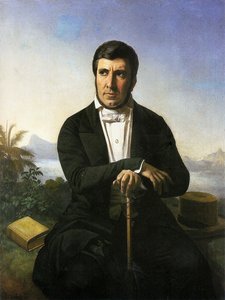
manuel josé de araújo porto-alegre, baron of santo ângelo
1806 - 1879 , Brasilien
Kurzinfos
- Artistic Movement Or Style: Romantik
- Artists Who Influenced This Artist: ['Jean-Baptiste Debret']
- Date Of Birth: 29. November 1806
- Date Of Death: 30. Dezember 1879
- Full Name: Manuel José de Araújo Porto-Alegre
- Nationality: Brasilianisch
- Notable Artworks: ['Colombo']
- Place Of Birth: Rio Pardo do Sul, Brasilien
Ähnliche Artikel
Jean-Baptiste Debret: Witnessing Brazil’s Emergence Through Art & Identity
Explore the captivating art of Jean-Baptiste Debret, a key witness to Brazil’s imperial era. Discover his iconic portraits, historical scenes & insightful depictions of Brazilian life. Learn about his legacy and find museum-quality reproductions at ArtsDot.
The Evocative Brushstroke: Exploring Emotion, Individuality & the Sublime in Romanticism's Artistic Landscape
Explore the passionate world of Romanticism! Discover masterpieces by Friedrich & Goya, delve into the sublime, and understand the movement's lasting impact on art history. Expert analysis & insights at ArtsDot.
Romantik in der Kunst: Die 10 Meisterwerke, die eine Epoche prägten |
Entdecken Sie die 10 Meisterwerke der Romantik! Von Caspar David Friedrich bis Delacroix – erleben Sie Gefühl, Landschaft & Historie. Hochwertige Kunst Reproduktionen auf . Jetzt entdecken!
Alexei Harlamoff: A Study in Russian Romantic Landscape Painting & Imperial Patronage
Explore the captivating world of Alexei Harlamoff, a master of Russian Romantic painting. Discover his life, Imperial patronage, signature style & enduring legacy with ArtsDot.
John Francis Sartorius II: Equestrian Elegance & the Rise of British Portraiture
Explore the captivating world of Francis Sartorius II (1734-1804), a leading British painter renowned for his exquisite equestrian portraits and hunting scenes. Discover his life, techniques & enduring legacy.

