

 Vorschau anzeigen
 Versenden
 Teilen
 Details anzeigen

 Herunterladen
 Ähnliche Objekte
 Röntgenaufnahme
 Diashow
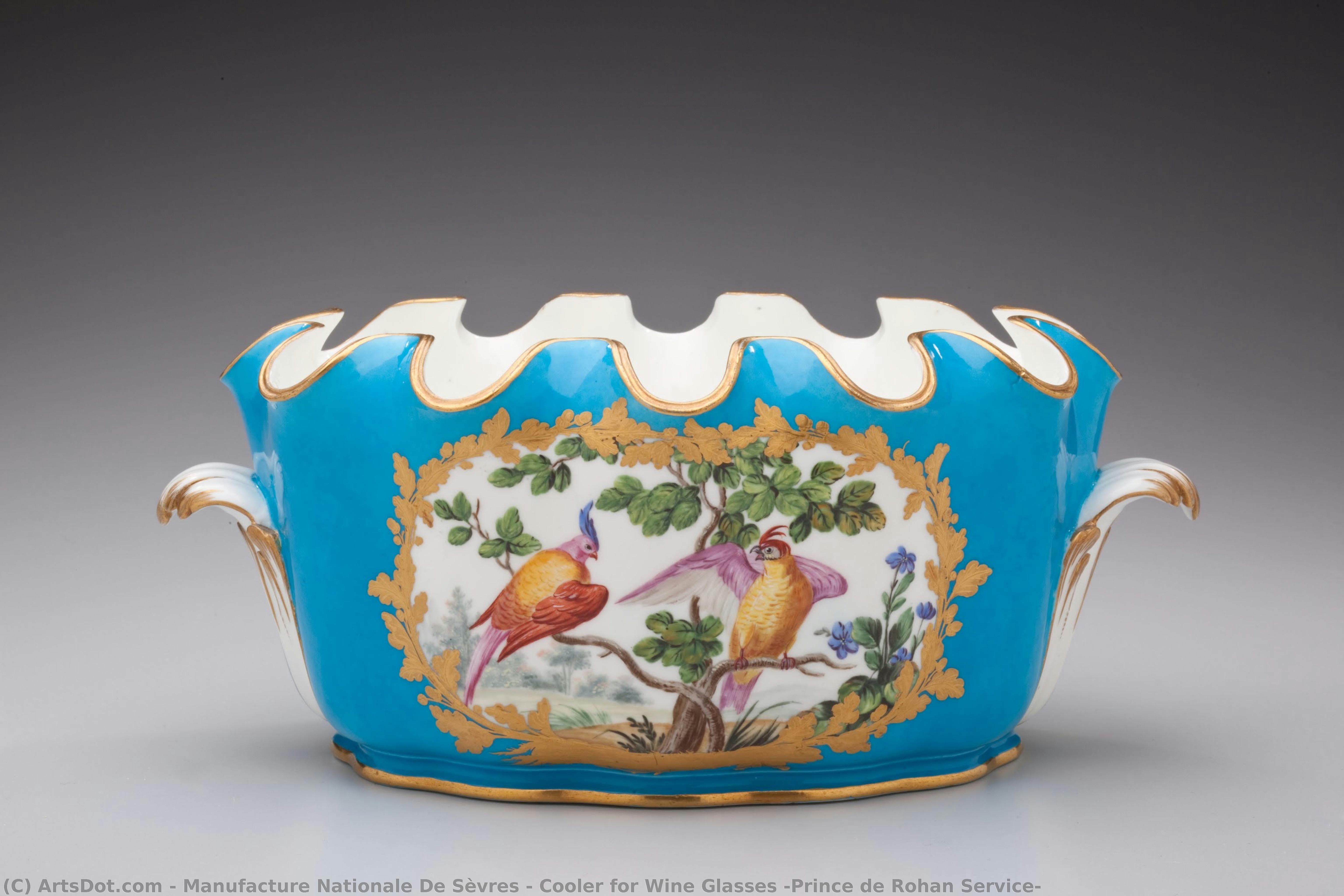
Cooler for Wine Glasses (Prince de Rohan Service)
 1772
1772 13.0 x 29.0 cm
 Toledoer Kunstmuseum
 Weiterlesen
Giclée / Kunstdruck
Giclée- oder Leinwanddruck in Museumsqualität mit schneller Produktion und flexiblen Veredelungsoptionen. ( Handgemalte Reproduktion bestellen Bild kaufen)




































Wählen Sie aus unseren vordefinierten Formaten, die den ursprünglichen Proportionen des Kunstwerks entsprechen.

Sie können Ihre eigenen Maße eingeben, um ein bestimmtes Format oder einen speziellen Platz einzupassen. Wenn das von Ihnen gewählte Format nicht den Proportionen des Originalbildes entspricht, werden wir das Kunstwerk entweder beschneiden oder das Bild mit einem gespiegelten oder einfarbigen Rand erweitern. Ein digitaler Entwurf wird Ihnen zur Genehmigung zugesandt, bevor die Produktion beginnt.
Bitte beachten Sie, dass die Vorschau auf dem Bildschirm nicht den tatsächlichen Zuschnitt oder die Erweiterung widerspiegelt. Nur der Entwurf zeigt die endgültige Komposition präzise an.
Obwohl Sondermaße verfügbar sind, empfehlen wir die Auswahl eines Maßes aus der vordefinierten Liste, um die ursprünglichen Proportionen zu bewahren.
Weltweiter Versand () innerhalb von 2 Wochen statt der üblichen 4/5 Wochen. (26 August)

Kostenloser weltweiter Expressversand

Hochwertige Leinenleinwand

Umfassender Versicherungsschutz beim Versand

Zollgebühren-Rückerstattungsgarantie

Garantie für exakte Farbtreue

60 Tage Rückgaberecht (nur bei Mängeln)

100% Geld-zurück-Garantie

Mengenrabatt verfügbar
 Die Glasoption ist nur für Größen unter 110 cm verfügbar.

Cooler for Wine Glasses (Prince de Rohan Service)
Giclée / Kunstdruck
Format der Reproduktion
-


Gesamtpreis
$ 62
Sammlerstück-Beschreibung
Ähnliche Kunstwerke








Über den Künstler
A Legacy Forged in Fire: The Enduring Story of the Manufacture Nationale de Sèvres
The story of the Manufacture Nationale de Sèvres is not merely a chronicle of porcelain production; it’s a captivating narrative woven into the very fabric of French history, artistry, and royal ambition. Born from a desire to rival the esteemed Meissen manufactory in Germany, its origins lie in 1740 with the founding of a soft-paste porcelain workshop in Vincennes, under the patronage of Louis XV and his influential mistress, Madame de Pompadour. This initial venture quickly blossomed into something far grander, fueled by royal support and an unwavering pursuit of artistic excellence.
In 1756, a pivotal relocation occurred to Sèvres, just outside Paris, marking the true genesis of what would become one of Europe’s most celebrated porcelain factories. Madame de Pompadour commissioned architect Laurent Lindet to construct a dedicated building – a magnificent structure designed to house and showcase this burgeoning art form. This wasn't simply about creating beautiful objects; it was an assertion of French power, taste, and innovation. The move signaled the Crown’s commitment to elevating porcelain beyond mere decoration and establishing it as a symbol of national prestige.
From Vincennes Softness to Sèvres Hard-Paste Mastery
The early years at Vincennes were characterized by the delicate beauty of soft-paste porcelain, prized for its luminous quality but inherently less durable than hard-paste. However, the ambition of Sèvres extended beyond aesthetic appeal; a relentless quest for technical perfection drove the manufactory’s evolution. A breakthrough arrived in 1768 with the discovery of kaolin – the essential ingredient for true hard-paste porcelain – on French soil near Limoges, thanks to the diligent work of researchers Pierre-Joseph Macquer and Robert Millot. This discovery was transformative. The adoption of hard-paste techniques allowed Sèvres artisans to create pieces of unparalleled strength, clarity, and resilience, solidifying their position as leaders in the field.
Under the astute direction of Alexandre Brongniart from 1800 to 1847, the Manufacture de Sèvres entered a golden age. Brongniart wasn’t merely an administrator; he was a visionary who championed innovation, fostered collaboration between artists and scientists, and established a comprehensive collection that would become the foundation of the Musée National de la Céramique. He understood that preserving expertise and documenting the creative process were as vital as producing exquisite objects.
A Tapestry of Styles: Rococo Elegance to Neoclassical Grandeur
The artistic output of Sèvres reflects the shifting aesthetic tides of its time. Initially, the manufactory embraced the playful exuberance of the Rococo style, characterized by delicate floral motifs, asymmetrical designs, and a lighthearted sensibility. However, as tastes evolved, Sèvres seamlessly transitioned to the more restrained elegance of Neoclassicism. This shift is beautifully exemplified in the vases depicting Napoleon III & Empress Eugénie – masterpieces that showcase intricate gold detailing, regal portraiture, and a refined sense of form. The factory’s ability to adapt and innovate while maintaining an unwavering commitment to quality ensured its continued success.
Beyond vases, Sèvres artisans excelled in a diverse range of porcelain creations, from elaborate dinner services like the Prince de Rohan Service – showcasing exceptional craftsmanship – to exquisitely sculpted figures such as “The Teaching of Love”. Each piece was imbued with a sense of artistry and attention to detail that set Sèvres apart. The production wasn’t limited to replicating existing designs; it actively encouraged experimentation and pushed the boundaries of porcelain art.
Enduring Influence: A Legacy Continues
The Manufacture Nationale de Sèvres has not simply preserved its historical legacy, but continues to thrive as a vibrant center for contemporary ceramic artistry. Today, it stands as a unique institution – blending public service with commercial production, preserving traditional techniques while embracing innovation and supporting the work of modern artists. The factory’s commitment to transmitting expertise through workshops and residencies ensures that the art of porcelain making will continue to flourish for generations to come.
The story of Sèvres is a testament to the power of artistic vision, royal patronage, and unwavering dedication to craftsmanship. It remains an enduring symbol of French artistry and a beacon of excellence in the world of ceramics – a legacy forged in fire and destined to shine brightly for centuries to come.
Kurzinfos
- Artistic Movement Or Style: Rococo, Neoclassical
- Date Of Death: Living
- Full Name: Manufacture Nationale De Sèvres
- Nationality: French
- Notable Artworks:
- Sèvres vases
- Cooler for Wine Glasses
- Figure: The Teaching of Love

