 Vorschau anzeigen
 Versenden
 Teilen
 Details anzeigen

 Herunterladen
 Ähnliche Objekte
 Röntgenaufnahme
 Diashow
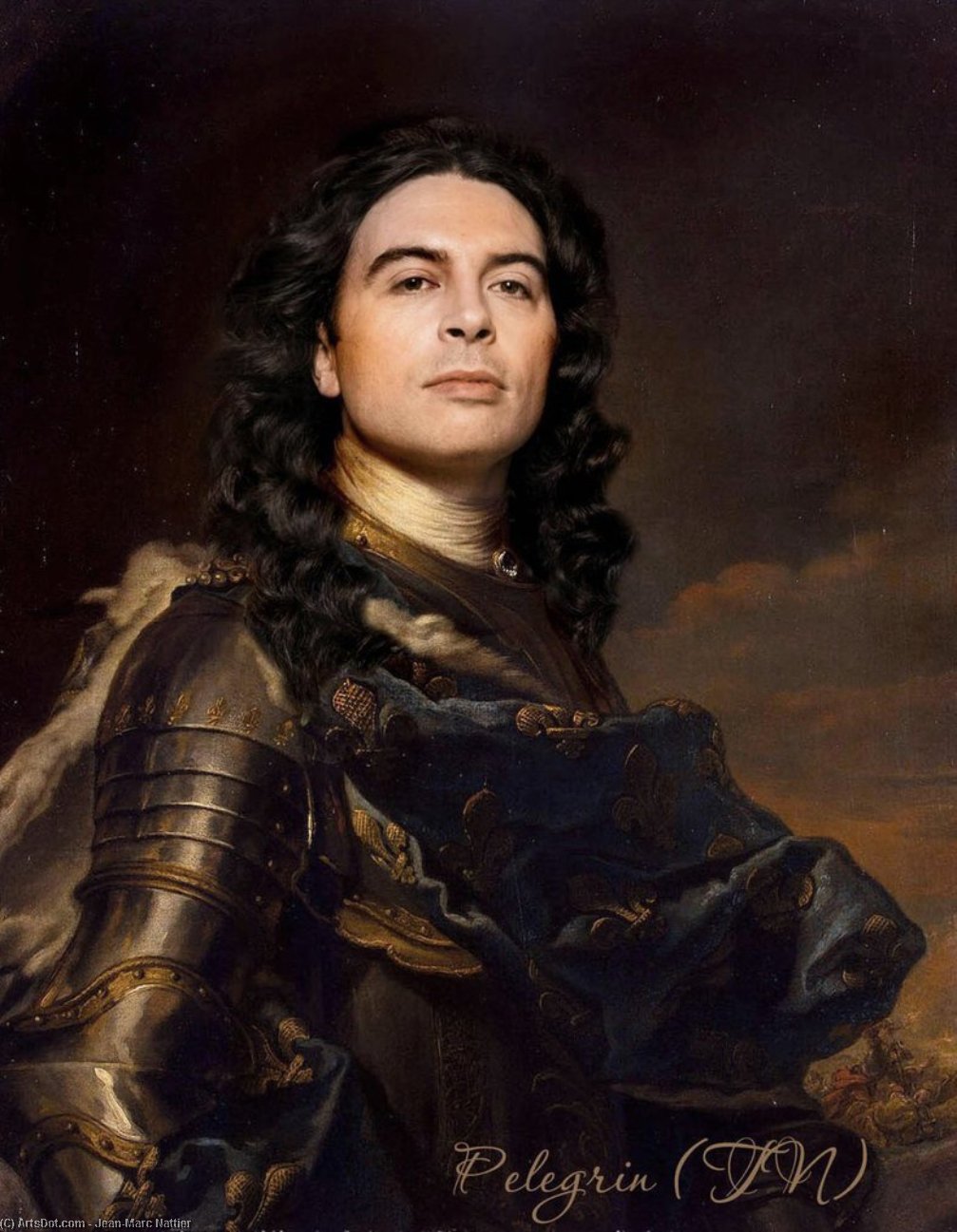
Portrait of Louis XV of France
 Öl auf Leinwand
- Wandkunst
- Rococo
 1745
1745- – Frühe Neuzeit
 80.0 x 64.0 cm
 Eremitage Museum
 Weiterlesen
Handgefertigte Ölreproduktion
Handgemaltes Ölgemälde auf Leinwand in Ihrer Wunschgröße und mit Rahmen, auf Bestellung von unseren Künstlern angefertigt. ( Druck bestellen Bild kaufen)




P118B $10

P118H $10

P118W $10

P438Z $10

P508JH $12

P508YH $12

P805H $10

P805Z $10

P919BZ $10

P919G $10

P919XJ $10

P959ZH $10

P968JZ $12

W106C $8

W218G $10

W218JH $8

W218Y $10

W307PJ $10

W316G $10

W316PJ $8

W316Y $10

W398PJ $8

W4111J $10

W500HY $15

W500JH $15

W692G $12

W849H $8

W940BG $15

W953PJ $8




Wählen Sie aus unseren vordefinierten Formaten, die den ursprünglichen Proportionen des Kunstwerks entsprechen.

Sie können Ihre eigenen Maße eingeben, um einen bestimmten Rahmen oder Platz auszufüllen. Wenn die gewählte Größe nicht den Proportionen des Originalbildes entspricht, werden wir das Kunstwerk entweder beschneiden oder das Gemälde durch zusätzliche, handgemalte Elemente erweitern. Ein digitales Mockup wird Ihnen zur Genehmigung zugesandt, bevor die Produktion beginnt.
Bitte beachten Sie, dass die Bildschirmvorschau nicht die tatsächliche Beschneidung oder Erweiterung widerspiegelt. Nur das Mockup zeigt die endgültige Komposition exakt an.
Obwohl Sondermaße verfügbar sind, empfehlen wir, eine Größe aus der vordefinierten Liste zu wählen, um die ursprünglichen Proportionen beizubehalten.
Nach der Bestellung wird das ArtsDot.com-Team dem Kunden Anweisungen per E-Mail zusenden und eine Mockup-Vorschau bereitstellen.
Weltweiter Versand () in nur 3 bis 4 Wochen statt der üblichen 5 Wochen. (6 September). Keine Kompromisse bei der Qualität.

Kostenloser weltweiter Expressversand

Hochwertige Leinenleinwand

Umfassender Versicherungsschutz beim Versand

Zollgebühren-Rückerstattungsgarantie

Garantie für exakte Farbtreue

100 Tage Rückgaberecht (nur bei Mängeln)

100% Geld-zurück-Garantie

Mengenrabatt verfügbar
 Die Glasoption ist nur für Größen unter 110 cm verfügbar.

Portrait of Louis XV of France
Art der Reproduktion
Format der Reproduktion
-


Gesamtpreis
$ 263
A Brushstroke of Elegance: The Life and Art of Jean-Marc Nattier
Jean-Marc Nattier’s “Portrait of Louis XV,” completed in 1745, stands as a quintessential emblem of Rococo artistry—a style characterized by opulent ornamentation, pastel hues, and an emphasis on graceful curves that epitomized the aristocratic tastes of Louis XV's reign. More than just a depiction of royalty, this painting delves into the psychological complexities of its subject, reflecting the prevailing fascination with portraying inner emotions alongside outward appearances.
Born in Paris in 1685, Nattier’s artistic journey began within a family deeply rooted in artistic heritage. His father, Marc Nattier, was already recognized as a respected portrait painter, instilling in Jean-Marc an early appreciation for capturing likenesses with meticulous detail. Crucially, young Nattier honed his skills by diligently studying the works of Rembrandt and Rubens at the Luxembourg Gallery—a formative experience that instilled him with a profound understanding of chiaroscuro and compositional balance.
Despite being offered the prestigious patronage of the French Academy in Rome – a common path for aspiring artists of the era – Nattier deliberately remained in Paris. He reasoned that independent artistic exploration would allow him to cultivate his distinctive style, prioritizing innovation over institutional conformity. This decision proved pivotal in shaping his oeuvre and establishing him as a singular voice within the Rococo movement.
Style and Technique: The Delicate Dance of Light and Color
Nattier’s technique was revolutionary for its time. He eschewed the dramatic contrasts favored by Caravaggio, opting instead for subtle gradations of light and color—a masterful application of sfumato that softened edges and created an ethereal atmosphere. This approach wasn't merely aesthetically pleasing; it served a psychological purpose, conveying a sense of serenity and refinement.
The painting’s palette is dominated by pastel shades – delicate pinks, blues, and greens – meticulously blended to achieve luminous effects. These colors were chosen not only for their visual beauty but also for their symbolic associations with nobility and grace. The artist skillfully utilized glazing techniques—thin layers of translucent paint applied over underlying tones—to enhance depth and luminosity, further elevating the artwork’s overall impact.
Historical Context: Versailles and the Pursuit of Beauty
"Portrait of Louis XV" emerged during a period of unparalleled grandeur in French history – the reign of Louis XV. Versailles served as the epicenter of aristocratic culture, where elaborate ceremonies and opulent décor were considered essential expressions of royal authority. Nattier’s commission reflects this societal preoccupation with beauty and refinement, capturing the king's dignified posture and gaze within a meticulously crafted setting.
The pose itself is deliberately restrained—Louis XV sits upright, his hands clasped calmly in his lap—a stylistic choice that underscores the importance of composure and dignity. The drapery surrounding him flows gracefully, mirroring the curvilinear forms characteristic of Rococo design and reinforcing the painting’s sense of elegance.
Symbolism: Beyond Appearance – An Exploration of Inner Reflection
Beyond its visual splendor, “Portrait of Louis XV” is laden with symbolic significance. The sword held by Louis XV represents power and authority, yet it's positioned subtly—almost nonchalantly—suggesting that true leadership resides not merely in wielding force but also in cultivating inner tranquility.
The cloudy sky serves as a backdrop, mirroring the contemplative mood of the portrait and hinting at the complexities of human emotion. Nattier’s masterful depiction captures not just Louis XV's physical likeness but also his psychological state—a testament to the artist’s ability to convey profound ideas through visual imagery.
Ultimately, “Portrait of Louis XV” transcends mere representation; it embodies the spirit of its era and remains a captivating exploration of beauty, grace, and inner reflection – an enduring masterpiece that continues to inspire admiration centuries later.
Ähnliche Kunstwerke
Über den Künstler
Frühes Leben und Ausbildung
- Geboren: Paris, Frankreich (17. März 1685)
- Gestorben: 7. November 1766
- Familiärer Hintergrund: Sohn von Marc Nattier (1642–1705), einem Porträtmaler, und Marie Courtois (1655–1703), einer Miniaturistin.
- Frühe Ausbildung: Zunächst von seinem Vater ausgebildet, der ihm die Grundlagen der Porträtmalerei vermittelte. Er kopierte außerdem Gemälde in der Luxenburger Galerie und verbesserte so seine Fähigkeiten im Festhalten von Gesichtszügen und im Verständnis von Komposition.
- Akademieangebot abgelehnt: Obwohl ihm die Möglichkeit angeboten wurde, an der französischen Akademie in Rom zu studieren, entschied er sich, in Paris zu bleiben und sein Handwerk unabhängig weiterzuentwickeln.
Künstlerischer Stil und bemerkenswerte Werke
- Fokus auf Porträts: Nattier ist vor allem für seine Porträts der Damen am Hofe von König Ludwig XV. bekannt.
- Mythologische Kleidung: Seine Porträts zeichnen sich durch die Verwendung klassischer mythologischer Gewänder aus, die seinen Motiven eine Aura von Raffinesse und Fantasie verleihen.
- Einsatz des Lichts: Er setzte das Licht in seinen Gemälden geschickt ein, um einen Eindruck von Tiefe und Räumlichkeit zu erzeugen und den Betrachter in die Szene hineinzuziehen.
- Innovative Techniken: Nattiers Liebe zum Detail und seine innovativen Techniken machten ihn zu einer bedeutenden Figur in der Kunstwelt.
- Bemerkenswerte Werke:
- Der Künstler umgeben von seiner Familie (1730)
- Marie Lečinska (Dijon Museum)
- Magdalena (Louvre)
- Gräfin de Tillières und Mademoiselle de Clermont en Sultane (The Wallace Collection)
- Madame Le Fèvre de Caumartin als Hebe (National Gallery of Art)
- Die Liebenden (Alte Pinakothek, München)
Einflüsse und Vermächtnis
- Väters Einfluss: Sein Vater, Marc Nattier, diente ihm als erster Mentor und vermittelte ihm eine Grundlage in der Porträtmalerei.
- Jean Jouvenets Anleitung: Er erhielt weitere Anweisungen von seinem Onkel, Jean Jouvenet, einem Historienmaler.
- Rubens Inspiration: Das Kopieren von Gemälden von Peter Paul Rubens im Luxenburger Palast beeinflusste seine künstlerische Entwicklung maßgeblich.
- Pionier des Rokoko-Stils: Nattier gilt als eine Schlüsselfigur der Rokokobewegung, die für ihre Eleganz, Anmut und spielerische Darstellung des aristokratischen Lebens bekannt ist.
- Einfluss auf spätere Künstler: Seine innovativen Techniken und sein Stil inspirierten zahlreiche nachfolgende Künstler.
Historische Bedeutung
- Hofmaler Ludwigs XV.: Nattiers Position als offizieller Porträtmaler am Hofe von König Ludwig XV. festigte seinen Ruf und Einfluss.
- Wiederbelebung allegorischer Porträts: Ihm wird die Wiederbelebung des Genres der allegorischen Porträts zugeschrieben, das Realismus mit mythologischen Themen verbindet.
- Spiegelbild der Rokoko-Gesellschaft: Seine Werke geben wertvolle Einblicke in Mode, Kultur und soziale Dynamik des französischen Adels im 18. Jahrhundert.
- Weltweite Anerkennung: Nattiers Gemälde befinden sich in renommierten Museen auf der ganzen Welt, darunter das Louvre, The Wallace Collection und die Alte Pinakothek, was seinem bleibenden Vermächtnis ein Zeugnis ablegt.
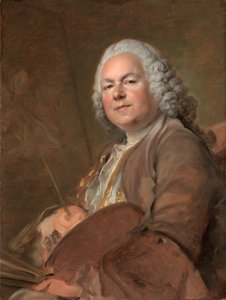
Marc Nattier
1685 - 1766 , Frankreich
Kurzinfos
- Bemerkenswerte Werke:
- Der Künstler mit seiner Familie
- Marie Lečinska
- Magdalena (Louvre)
- Madame Le Fèvre de Caumartin
- Die Liebenden (München)
- Geburtsdatum: 17. März 1685
- Geburtsort: Paris, Frankreich
- Künstlerische Einflüsse: ['Peter Paul Rubens']
- Künstlerische Stilrichtung: Rokoko-Malerei
- Nationalität: Französisch
- Sterbedatum: 7. November 1766
- Vollständiger Name: Jean-Marc Nattier
Ähnliche Artikel
Jean-Marc Nattier: Meister der Rokoko-Porträtkunst und seine aristokratischen Musen
Entdecken Sie das Werk von Jean-Marc Nattier, dem Meister des französischen Rokoko. Erfahren Sie mehr über seine Porträts der Hofdamen Ludwigs XV., seinen allegorischen Stil und die künstlerische Bedeutung seiner Gemälde. Für Kunstsammler & Kenner.

Rococo Meisterwerke: Die Top 10, die eine Epoche prägten |
Entdecken Sie die Top 10 Rokoko Meisterwerke von Watteau, Boucher & Fragonard! Erfahren Sie die Geschichten hinter diesen ikonischen Gemälden und lassen Sie sich für Ihre Inneneinrichtung inspirieren. Hochwertige Kunstdrucke auf .

The Rococo Aesthetic: Opulence, Rebellion & the Pursuit of Pleasure in 18th-Century Art
Explore the opulent world of Rococo art! Discover its origins, key artists like Watteau & Boucher, and lasting influence on design. Expert insights for collectors & enthusiasts.

Giclée Prints: Archival Quality & Aesthetic Nuances for the Discerning Collector
Explore the world of giclée prints with ArtsDot. Learn about archival quality, aesthetic nuances & investment potential. Expert guidance for discerning art collectors seeking museum-quality reproductions and lasting value.
The Rococo Style: Aristocratic Leisure & the Pursuit of Delight in 18th-Century Art
Explore the opulent world of Rococo art! Discover Watteau, Boucher & Nattier's masterpieces. Expert insights for collectors seeking museum-quality reproductions and custom portraits at ArtsDot.