 Vorschau anzeigen
 Versenden
 Teilen
 Details anzeigen

 Herunterladen
 Ähnliche Objekte
 Röntgenaufnahme
 Diashow
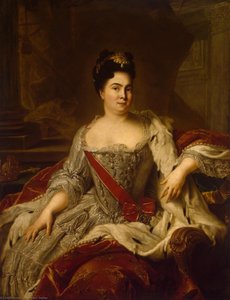
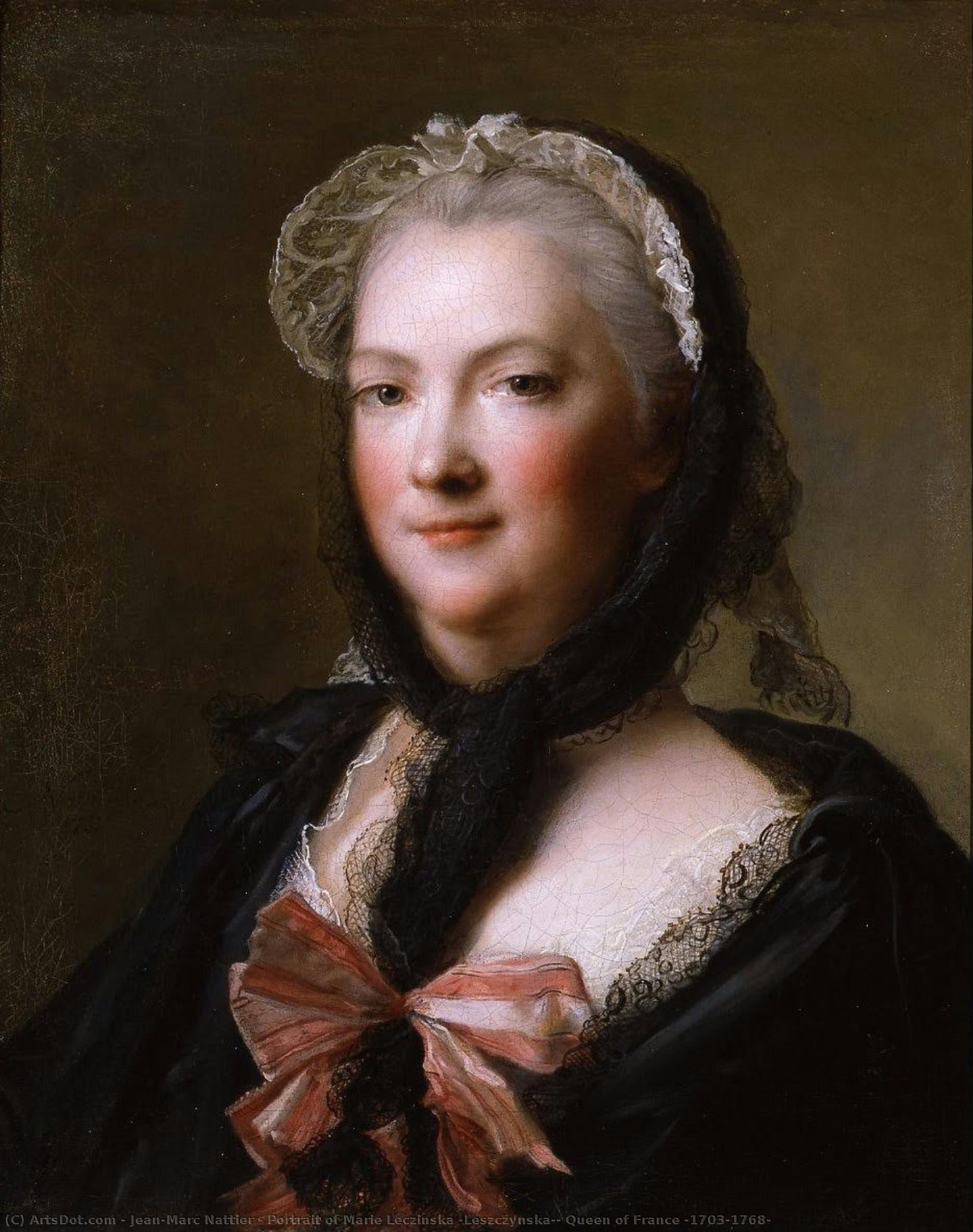
Portrait of Marie Leczinska (Leszczynska), Queen of France (1703-1768)


 Weiterlesen
Giclée / Kunstdruck
Giclée- oder Leinwanddruck in Museumsqualität mit schneller Produktion und flexiblen Veredelungsoptionen. ( Handgemalte Reproduktion bestellen Bild kaufen)




P118B $10

P118H $10

P118W $10

P438Z $10

P508JH $12

P508YH $12

P805H $10

P805Z $10

P919BZ $10

P919G $10

P919XJ $10

P959ZH $10

P968JZ $12

W106C $8

W218G $10

W218JH $8

W218Y $10

W307PJ $10

W316G $10

W316PJ $8

W316Y $10

W398PJ $8

W4111J $10

W500HY $15

W500JH $15

W692G $12

W849H $8

W940BG $15

W953PJ $8




Wählen Sie aus unseren vordefinierten Formaten, die den ursprünglichen Proportionen des Kunstwerks entsprechen.

Sie können Ihre eigenen Maße eingeben, um ein bestimmtes Format oder einen speziellen Platz einzupassen. Wenn das von Ihnen gewählte Format nicht den Proportionen des Originalbildes entspricht, werden wir das Kunstwerk entweder beschneiden oder das Bild mit einem gespiegelten oder einfarbigen Rand erweitern. Ein digitaler Entwurf wird Ihnen zur Genehmigung zugesandt, bevor die Produktion beginnt.
Bitte beachten Sie, dass die Vorschau auf dem Bildschirm nicht den tatsächlichen Zuschnitt oder die Erweiterung widerspiegelt. Nur der Entwurf zeigt die endgültige Komposition präzise an.
Obwohl Sondermaße verfügbar sind, empfehlen wir die Auswahl eines Maßes aus der vordefinierten Liste, um die ursprünglichen Proportionen zu bewahren.
Weltweiter Versand () innerhalb von 2 Wochen statt der üblichen 4/5 Wochen. (31 August)

Kostenloser weltweiter Expressversand

Hochwertige Leinenleinwand

Umfassender Versicherungsschutz beim Versand

Zollgebühren-Rückerstattungsgarantie

Garantie für exakte Farbtreue

60 Tage Rückgaberecht (nur bei Mängeln)

100% Geld-zurück-Garantie

Mengenrabatt verfügbar
 Die Glasoption ist nur für Größen unter 110 cm verfügbar.

Portrait of Marie Leczinska (Leszczynska), Queen of France (1703-1768)
Giclée / Kunstdruck
Format der Reproduktion
-


Gesamtpreis
$ 62
A Glimpse of Grace: Marie Leczinska in Nattier’s Masterpiece
Jean-Marc Nattier's “Portrait of Marie Leczinska (Leszczynska), Queen of France” is more than a simple depiction of royalty; it’s a carefully constructed tableau vivant, a frozen moment brimming with understated elegance and the quiet dignity of a woman navigating the complexities of court life. Painted in 1753, during the height of Louis XV's reign, this portrait transcends its status as a royal commission to become a poignant study of femininity, power, and the subtle artistry of Rococo aesthetics.
Nattier, born into a family steeped in artistic tradition – his father a renowned portrait painter and mother a celebrated miniaturist – possessed an innate ability to capture not just likeness but also character. He eschewed the grand, theatrical poses favored by some of his contemporaries, instead opting for a remarkably intimate composition. The Queen is presented in a half-length format, seated before a richly draped background that subtly suggests a private salon—a space designed for contemplation and refined conversation. Her posture is relaxed yet regal, her gaze direct and engaging, inviting the viewer into an unspoken dialogue.
The Language of Rococo: Color, Texture, and Symbolism
Nattier’s signature style is immediately recognizable in this portrait through his masterful use of color and texture. The palette is restrained yet luminous—a harmonious blend of soft blues, creams, and subtle pinks that evoke a sense of serenity and sophistication. The delicate lace collar, rendered with meticulous detail, catches the light beautifully, adding a layer of tactile richness to the image. Notice, too, the ladder of red ribbon knots adorning her dress – a deliberate flourish that speaks to both wealth and status, while simultaneously hinting at the Queen’s role as a gracious hostess.
Beyond mere decoration, each element carries symbolic weight. The classical setting—a nod to Greco-Roman ideals—underscores Marie Leczinska's elevated position within French society. Her attire, though seemingly simple, is carefully chosen to convey both her Polish heritage and her role as Queen of France. The subtle suggestion of a mythological reference – perhaps alluding to Diana, the goddess of the hunt – elevates the portrait beyond a mere likeness, transforming it into an allegory of grace and power.
A Window into the Court: Context and Legacy
Marie Leczinska’s life was one of both privilege and quiet struggle. Born into Polish nobility, she married Louis XV in 1725, becoming Queen of France at a relatively young age. Despite her beauty and intelligence, she faced considerable challenges within the rigid confines of the French court—a world dominated by intrigue, fashion, and political maneuvering. Nattier’s portrait offers a rare glimpse into this complex world, capturing not just the Queen's outward appearance but also her inner strength and resilience.
The painting was created during a period of significant artistic innovation, as the Rococo style flourished in France. Nattier, along with artists like Boucher and Watteau, helped to define this distinctive aesthetic—characterized by its emphasis on elegance, grace, and playful ornamentation. “Portrait of Marie Leczinska” stands as a testament to Nattier’s skill and his ability to capture the essence of his subject within the framework of this influential artistic movement. Today, housed at The Frick Pittsburgh, it continues to captivate viewers with its timeless beauty and subtle emotional depth.
Bringing the Portrait Home: Reproduction Options
For those seeking a piece of this exquisite artwork for their own spaces, high-quality reproductions are available through ArtsDot.com and other reputable art reproduction services. Whether you choose an archival print on canvas or a meticulously hand-painted replica, you can bring the elegance and grace of Nattier’s masterpiece into your home—a lasting tribute to a remarkable woman and one of the most celebrated portraitists of 18th-century France.
Ähnliche Kunstwerke
Über den Künstler
Frühes Leben und Ausbildung
- Geboren: Paris, Frankreich (17. März 1685)
- Gestorben: 7. November 1766
- Familiärer Hintergrund: Sohn von Marc Nattier (1642–1705), einem Porträtmaler, und Marie Courtois (1655–1703), einer Miniaturistin.
- Frühe Ausbildung: Zunächst von seinem Vater ausgebildet, der ihm die Grundlagen der Porträtmalerei vermittelte. Er kopierte außerdem Gemälde in der Luxenburger Galerie und verbesserte so seine Fähigkeiten im Festhalten von Gesichtszügen und im Verständnis von Komposition.
- Akademieangebot abgelehnt: Obwohl ihm die Möglichkeit angeboten wurde, an der französischen Akademie in Rom zu studieren, entschied er sich, in Paris zu bleiben und sein Handwerk unabhängig weiterzuentwickeln.
Künstlerischer Stil und bemerkenswerte Werke
- Fokus auf Porträts: Nattier ist vor allem für seine Porträts der Damen am Hofe von König Ludwig XV. bekannt.
- Mythologische Kleidung: Seine Porträts zeichnen sich durch die Verwendung klassischer mythologischer Gewänder aus, die seinen Motiven eine Aura von Raffinesse und Fantasie verleihen.
- Einsatz des Lichts: Er setzte das Licht in seinen Gemälden geschickt ein, um einen Eindruck von Tiefe und Räumlichkeit zu erzeugen und den Betrachter in die Szene hineinzuziehen.
- Innovative Techniken: Nattiers Liebe zum Detail und seine innovativen Techniken machten ihn zu einer bedeutenden Figur in der Kunstwelt.
- Bemerkenswerte Werke:
- Der Künstler umgeben von seiner Familie (1730)
- Marie Lečinska (Dijon Museum)
- Magdalena (Louvre)
- Gräfin de Tillières und Mademoiselle de Clermont en Sultane (The Wallace Collection)
- Madame Le Fèvre de Caumartin als Hebe (National Gallery of Art)
- Die Liebenden (Alte Pinakothek, München)
Einflüsse und Vermächtnis
- Väters Einfluss: Sein Vater, Marc Nattier, diente ihm als erster Mentor und vermittelte ihm eine Grundlage in der Porträtmalerei.
- Jean Jouvenets Anleitung: Er erhielt weitere Anweisungen von seinem Onkel, Jean Jouvenet, einem Historienmaler.
- Rubens Inspiration: Das Kopieren von Gemälden von Peter Paul Rubens im Luxenburger Palast beeinflusste seine künstlerische Entwicklung maßgeblich.
- Pionier des Rokoko-Stils: Nattier gilt als eine Schlüsselfigur der Rokokobewegung, die für ihre Eleganz, Anmut und spielerische Darstellung des aristokratischen Lebens bekannt ist.
- Einfluss auf spätere Künstler: Seine innovativen Techniken und sein Stil inspirierten zahlreiche nachfolgende Künstler.
Historische Bedeutung
- Hofmaler Ludwigs XV.: Nattiers Position als offizieller Porträtmaler am Hofe von König Ludwig XV. festigte seinen Ruf und Einfluss.
- Wiederbelebung allegorischer Porträts: Ihm wird die Wiederbelebung des Genres der allegorischen Porträts zugeschrieben, das Realismus mit mythologischen Themen verbindet.
- Spiegelbild der Rokoko-Gesellschaft: Seine Werke geben wertvolle Einblicke in Mode, Kultur und soziale Dynamik des französischen Adels im 18. Jahrhundert.
- Weltweite Anerkennung: Nattiers Gemälde befinden sich in renommierten Museen auf der ganzen Welt, darunter das Louvre, The Wallace Collection und die Alte Pinakothek, was seinem bleibenden Vermächtnis ein Zeugnis ablegt.
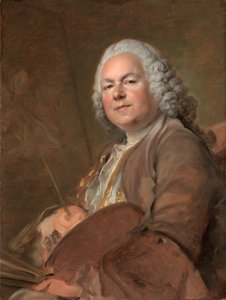
Marc Nattier
1685 - 1766 , Frankreich
Kurzinfos
- Bemerkenswerte Werke:
- Der Künstler mit seiner Familie
- Marie Lečinska
- Magdalena (Louvre)
- Madame Le Fèvre de Caumartin
- Die Liebenden (München)
- Geburtsdatum: 17. März 1685
- Geburtsort: Paris, Frankreich
- Künstlerische Einflüsse: ['Peter Paul Rubens']
- Künstlerische Stilrichtung: Rokoko-Malerei
- Nationalität: Französisch
- Sterbedatum: 7. November 1766
- Vollständiger Name: Jean-Marc Nattier
Ähnliche Artikel
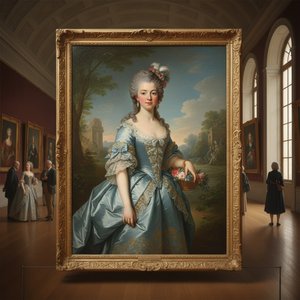
Jean-Marc Nattier: Meister der Rokoko-Porträtkunst und seine aristokratischen Musen
Entdecken Sie das Werk von Jean-Marc Nattier, dem Meister des französischen Rokoko. Erfahren Sie mehr über seine Porträts der Hofdamen Ludwigs XV., seinen allegorischen Stil und die künstlerische Bedeutung seiner Gemälde. Für Kunstsammler & Kenner.
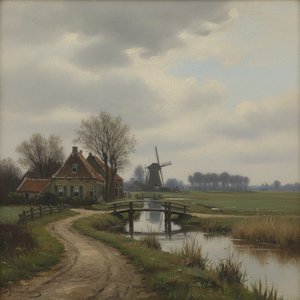
Jacob Henricus Maris: Meister des niederländischen Stimmungsrealismus und der intimen Landschaft
Entdecken Sie das Werk von Jacob Henricus Maris, einem Meister des niederländischen Stimmungsrealismus! Erfahren Sie mehr über seine Landschaftsmalerei, Einflüsse und berühmte Gemälde. Jetzt lesen & inspirieren lassen!
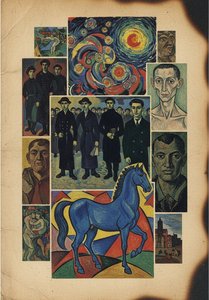
Deutsche Expressionismus Meisterwerke: Die 10 wichtigsten Kunstwerke für Ihr Zuhause
Entdecken Sie die 10 bedeutendsten Werke des Deutschen Expressionismus! Kirchner, Nolde & Co. – ihre Geschichten, Techniken und zeitlose Schönheit. Hochwertige Kunstdrucke auf ArtsDot.com kaufen und Ihr Zuhause mit emotionaler Kunst bereichern. Jetzt entdecken!
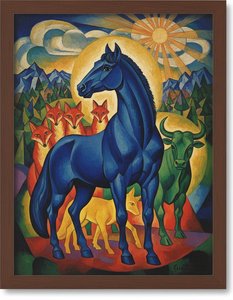
Franz Marc: Expressionismus, Spiritualität und die Tier-Symbolik eines modernen Meisters
Entdecken Sie das faszinierende Werk von Franz Marc! Erfahren Sie mehr über seine spirituelle Kunst, die Tierdarstellungen und seinen Einfluss auf den Expressionismus. Expertenanalyse & Hintergrundinformationen.
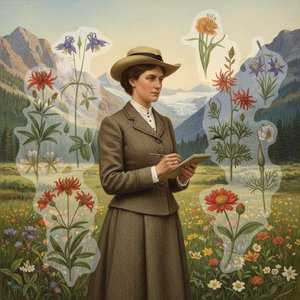
Mary Vaux Walcott: Botanische Präzision und künstlerische Vision im amerikanischen Naturschutz
Entdecken Sie das faszinierende Leben und Werk von Mary Vaux Walcott – einer Pionierin der botanischen Illustration und des amerikanischen Naturschutzes. Erfahren Sie mehr über ihre präzisen Gemälde, wissenschaftlichen Beiträge und ihr Vermächtnis.