 Vorschau anzeigen
 Versenden
 Teilen
 Details anzeigen

 Herunterladen
 Ähnliche Objekte
 Röntgenaufnahme
 Diashow
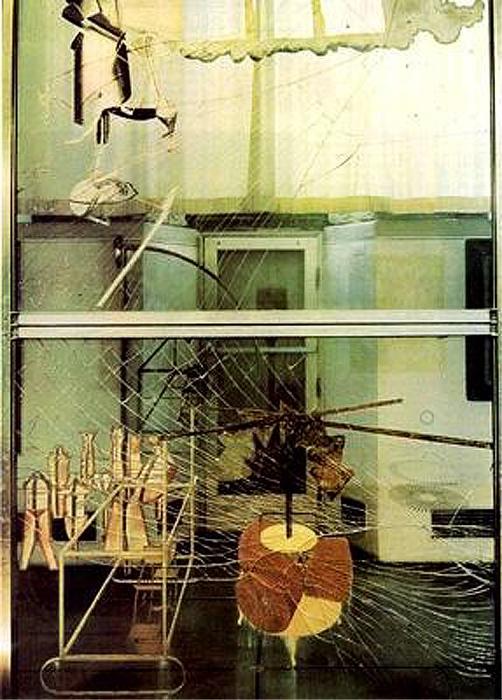
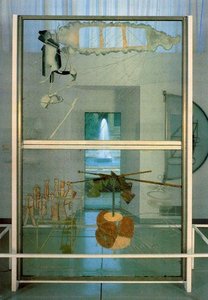
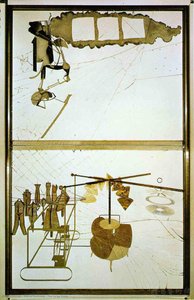
La mariée mise à nu par ses célibataires, même (Grande vetro)

 Weiterlesen
Giclée / Kunstdruck
Giclée- oder Leinwanddruck in Museumsqualität mit schneller Produktion und flexiblen Veredelungsoptionen. ( Handgemalte Reproduktion bestellen Bild kaufen)




P118B $10

P118H $10

P118W $10

P438Z $10

P508JH $12

P508YH $12

P805H $10

P805Z $10

P919BZ $10

P919G $10

P919XJ $10

P959ZH $10

P968JZ $12

W106C $8

W218G $10

W218JH $8

W218Y $10

W307PJ $10

W316G $10

W316PJ $8

W316Y $10

W398PJ $8

W4111J $10

W500HY $15

W500JH $15

W692G $12

W849H $8

W940BG $15

W953PJ $8




Wählen Sie aus unseren vordefinierten Formaten, die den ursprünglichen Proportionen des Kunstwerks entsprechen.

Sie können Ihre eigenen Maße eingeben, um ein bestimmtes Format oder einen speziellen Platz einzupassen. Wenn das von Ihnen gewählte Format nicht den Proportionen des Originalbildes entspricht, werden wir das Kunstwerk entweder beschneiden oder das Bild mit einem gespiegelten oder einfarbigen Rand erweitern. Ein digitaler Entwurf wird Ihnen zur Genehmigung zugesandt, bevor die Produktion beginnt.
Bitte beachten Sie, dass die Vorschau auf dem Bildschirm nicht den tatsächlichen Zuschnitt oder die Erweiterung widerspiegelt. Nur der Entwurf zeigt die endgültige Komposition präzise an.
Obwohl Sondermaße verfügbar sind, empfehlen wir die Auswahl eines Maßes aus der vordefinierten Liste, um die ursprünglichen Proportionen zu bewahren.
Weltweiter Versand () innerhalb von 2 Wochen statt der üblichen 4/5 Wochen. (21 August)

Kostenloser weltweiter Expressversand

Hochwertige Leinenleinwand

Umfassender Versicherungsschutz beim Versand

Zollgebühren-Rückerstattungsgarantie

Garantie für exakte Farbtreue

60 Tage Rückgaberecht (nur bei Mängeln)

100% Geld-zurück-Garantie

Mengenrabatt verfügbar
 Die Glasoption ist nur für Größen unter 110 cm verfügbar.

La mariée mise à nu par ses célibataires, même (Grande vetro)
Giclée / Kunstdruck
Format der Reproduktion
-


Gesamtpreis
$ 62
Sammlerstück-Beschreibung
La Mariée Mise À Nu Par Ses Célibataires Même : An Iconoclast Vision of Modern Art
Marcel Duchamp’s “La Mariée Mise À Nu Par Ses Célibataires Même,” commonly known as “The Bride Stripped Bare by Her Bachelors, Even” – or “Le Grand Verre” – stands as a monumental achievement in Dadaist art and arguably the cornerstone of conceptual painting. Created between 1915 and 1923 during the tumultuous period of World War I, this ambitious artwork transcends mere visual representation, delving into profound philosophical questions about art’s role in society and challenging conventional notions of beauty.
Style & Technique: Duchamp employed a groundbreaking technique – Calotype printing – utilizing a stencil process to reproduce 94 photographs, drawings, and notes meticulously documented in a cardboard box lined with green silk. This method deliberately eschewed the idealized aesthetics prevalent in Impressionism and Post-Impressionism, opting instead for a starkly realistic depiction of fragmented forms and textures. The resulting images are unsettling yet captivating, reflecting Duchamp’s fascination with chance and irrationality – hallmarks of Dada’s rebellious spirit.
Historical Context: Emerging from the disillusionment following the Great War, Dadaism rejected bourgeois values and embraced absurdity as a weapon against propaganda and nationalism. Duchamp's work directly confronts these anxieties, presenting a fragmented vision of human relationships and societal structures. The piece’s genesis lies in his obsessive preoccupation with the creation process itself – mirroring the broader Dadaist impulse to dismantle established artistic conventions.
Symbolism & Emotional Impact: “The Bride Stripped Bare” is rife with symbolic imagery, drawing inspiration from Surrealist theories and incorporating elements of mythology and psychoanalysis. The central figure embodies vulnerability and innocence, juxtaposed against a backdrop of geometric abstraction that symbolizes rationality and control. However, the pervasive fragmentation suggests an inescapable tension between these opposing forces – mirroring the anxieties inherent in navigating the complexities of modern life.
Further Exploration: To appreciate the depth of Duchamp’s artistic vision, consider examining reproductions of “La Mariée Mise À Nu” alongside related works by Surrealists and Dada artists. Analyzing Hamilton's reproduction will enrich your understanding of the artwork's conceptual framework and its enduring influence on contemporary art.
The Significance of Calotype Printing
Duchamp’s choice of Calotype printing wasn’t merely a stylistic preference; it represented a deliberate rejection of traditional photographic techniques. Unlike albumen prints, which relied on meticulous retouching to achieve idealized images, Calotypes produced negatives that captured the scene with remarkable accuracy – albeit in grayscale. This technique underscored Duchamp's belief that art should confront reality head-on, challenging viewers to reconsider their perceptions and assumptions.
Dadaism’s Critique of Artistic Conventions
“Le Grand Verre” embodies Dadaism’s core tenets: a vehement opposition to academic standards and an embrace of chance as creative impetus. Duchamp's démarche – presenting the photographic documentation alongside handwritten notes – questioned the very definition of art, asserting that it could reside in conceptual thought rather than visual appearance.
Influences Beyond Surrealism
While Dada’s aesthetic sensibilities resonated with Surrealist artists like René Magritte and Salvador Dalí, Duchamp's preoccupation with process and materiality extended beyond these movements. His work anticipates the rise of Conceptual Art in the 1960s, establishing a precedent for prioritizing ideas over visual representation.
A Legacy of Artistic Innovation
"La Mariée Mise À Nu Par Ses Célibataires Même" continues to inspire artists and scholars alike, cementing Duchamp’s position as one of the most transformative figures in 20th-century art history. Its unsettling imagery and intellectual rigor serve as a reminder that true artistic innovation lies not in replicating reality but in questioning its fundamental assumptions.
Ähnliche Kunstwerke
Über den Künstler
frühes Leben und künstlerische Anfänge
Marcel Duchamp, ein französischer-amerikanischer Maler, Bildhauer, Schachspieler und Schriftsteller, wurde am 28. Juli 1887 in Blainville-Crevon, Normandie, Frankreich, geboren. Seine Familie, die für ihre kulturellen Neigungen bekannt war, förderte sein frühes Interesse an der Kunst. Duchamps künstlerischer Weg begann mit postimpressionistischen Stilen und experimentierte er mit klassischen Techniken und Themen.Künstlerische Entwicklung und bedeutende Werke
- Duchamps Werk ist mit Kubismus, Konzeptkunst und Dada verbunden, obwohl er vorsichtig mit dem Begriff „Dada“ umging.
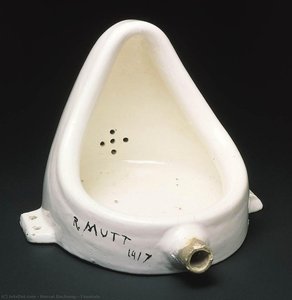
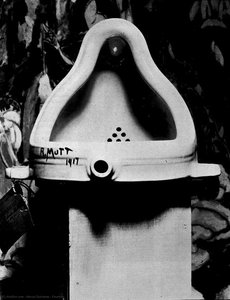
- Eines seiner bekanntesten Werke, Fountain (1917), ein Urinal mit der Unterschrift „r. mutt“, ist ein Beispiel für seine Readymades und stellt die Vorstellung in Frage, was Kunst ausmacht.
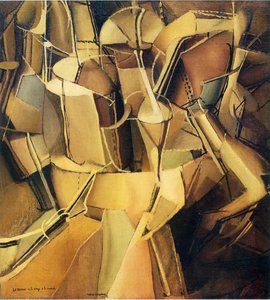
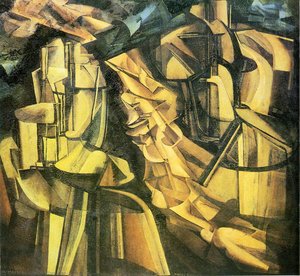
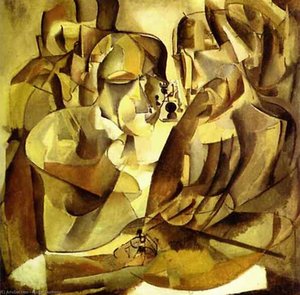
- Portrait of Chess Players (1911), ein kubistisches Werk, zeigt sein Interesse am Spiel und seinen strategischen Aspekten.
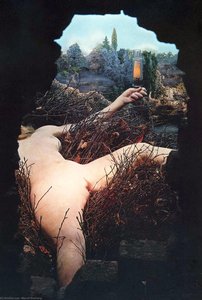
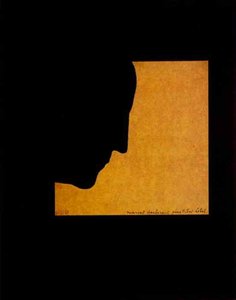
- To Be Looked At (From the Other Side of the Glass) With One Eye, Close To, For Almost an Hour (1945) ist ein weiteres bemerkenswertes Werk, das seine dadaistischen Neigungen widerspiegelt.
Einfluss und Vermächtnis
Duchamps Einfluss auf die Kunst des 20. Jahrhunderts ist immens. Zusammen mit Pablo Picasso und Henri Matisse definierten er die bildenden Künste im frühen 20. Jahrhundert. Sein konzeptueller Ansatz zur Kunst hat Generationen von Künstlern beeinflusst.- Entdecken Sie mehr von Duchamps Werken auf ArtsDot: Marcel Duchamp | Werke
- Besuchen Sie das Ohara Museum of Art in Japan, das westliche Kunstsammlungen umfasst, darunter einige, die vom Stil von Duchamp beeinflusst sind: Ohara Museum of Art, Japan
- Erfahren Sie mehr über Lettrismus, eine Bewegung, die von Dada und Surrealismus beeinflusst wurde, der Duchamp angehörte: Lettrismus Kunstbewegung
Fazit
Marcel Duchamps rätselhafter Ansatz zur Kunst, der konzeptuelle und dadaistische Elemente verbindet, hat einen unauslöschlichen Eindruck in der Kunstwelt hinterlassen. Sein Vermächtnis inspiriert weiterhin Künstler und beeinflusst die Entwicklung moderner und zeitgenössischer Kunst. Franck Scurti, ein französischer Künstler, der für seine Konzeptkunst bekannt ist, geht in den Fußstapfen von Duchamp und trägt so zum Vermächtnis dieses Pioniers weiter.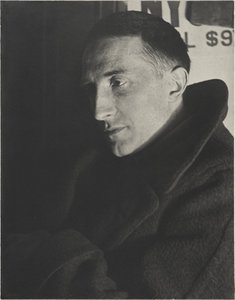
Marcel Duchamp
1887 - 1968 , Frankreich
Kurzinfos
- Bemerkenswerte Werke:
- Fountain
- Porträt der Schachspieler
- Das große Glas
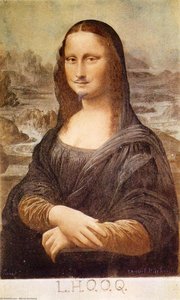
- L.H.O.O.Q.
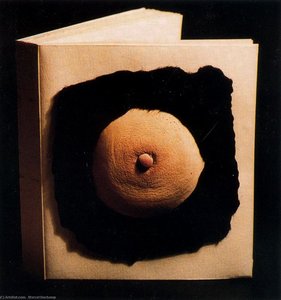
- Boîte-en-valise
- Geburtsdatum: 28. Juli 1887
- Geburtsort: Blainville-sur-Mer, Frankreich
- Künstler Oder Bewegungen, Von Denen Dieser Künstler Beeinflusst Wurde: ['Franck Scurti']
- Künstlerische Bewegung:
- Kubismus
- Dadaismus
- Konzeptkunst
- Nationalität: Französisch-Amerikanisch
- Todatum: 1968
- Vollständiger Name: Marcel Duchamp
Ähnliche Artikel
Beyond the Lens: Photography's Enduring Influence on Modern & Contemporary Art
Explore photography's pivotal role in shaping modern & contemporary art. Discover key movements, influential artists like Stieglitz, and expert collecting advice from ArtsDot.
Marcel Duchamp: Konventionen herausfordern und die Kunst des 20. Jahrhunderts neu definieren
Entdecken Sie das revolutionäre Werk von Marcel Duchamp und seine Bedeutung für die moderne Kunst. Erfahren Sie mehr über Dadaismus, Readymades und den Einfluss auf die Konzeptkunst – fundiert analysiert & verständlich erklärt.

Monochrome Visions: Exploring the Aesthetic & Historical Significance of Black & White Photography
Explore the rich history & artistic power of black and white photography. From early techniques to iconic masters like Ansel Adams, discover why monochrome continues to captivate art lovers today. Expert insights for collectors.
Max Ernsts Meisterwerke: Die Top 25 Kunstwerke für Ihr Zuhause | ArtsDot
Entdecken Sie die 25 bedeutendsten Kunstwerke von Max Ernst! Tauchen Sie ein in die Welt des Surrealismus, Dada und abstrakter Malerei. Hochwertige Kunstreproduktionen & Inspiration für Ihr Zuhause bei ArtsDot.com.
Pictorialism: A Search for Artistic Photography's Soul – Aesthetics, Techniques & Legacy
Explore the captivating world of Pictorialism – a pivotal movement that transformed photography into fine art. Discover key artists like Stieglitz & Käsebier, techniques, and collecting tips from experts.