

 Vorschau anzeigen
 Versenden
 Teilen
 Details anzeigen

 Herunterladen
 Ähnliche Objekte
 Röntgenaufnahme
 Diashow
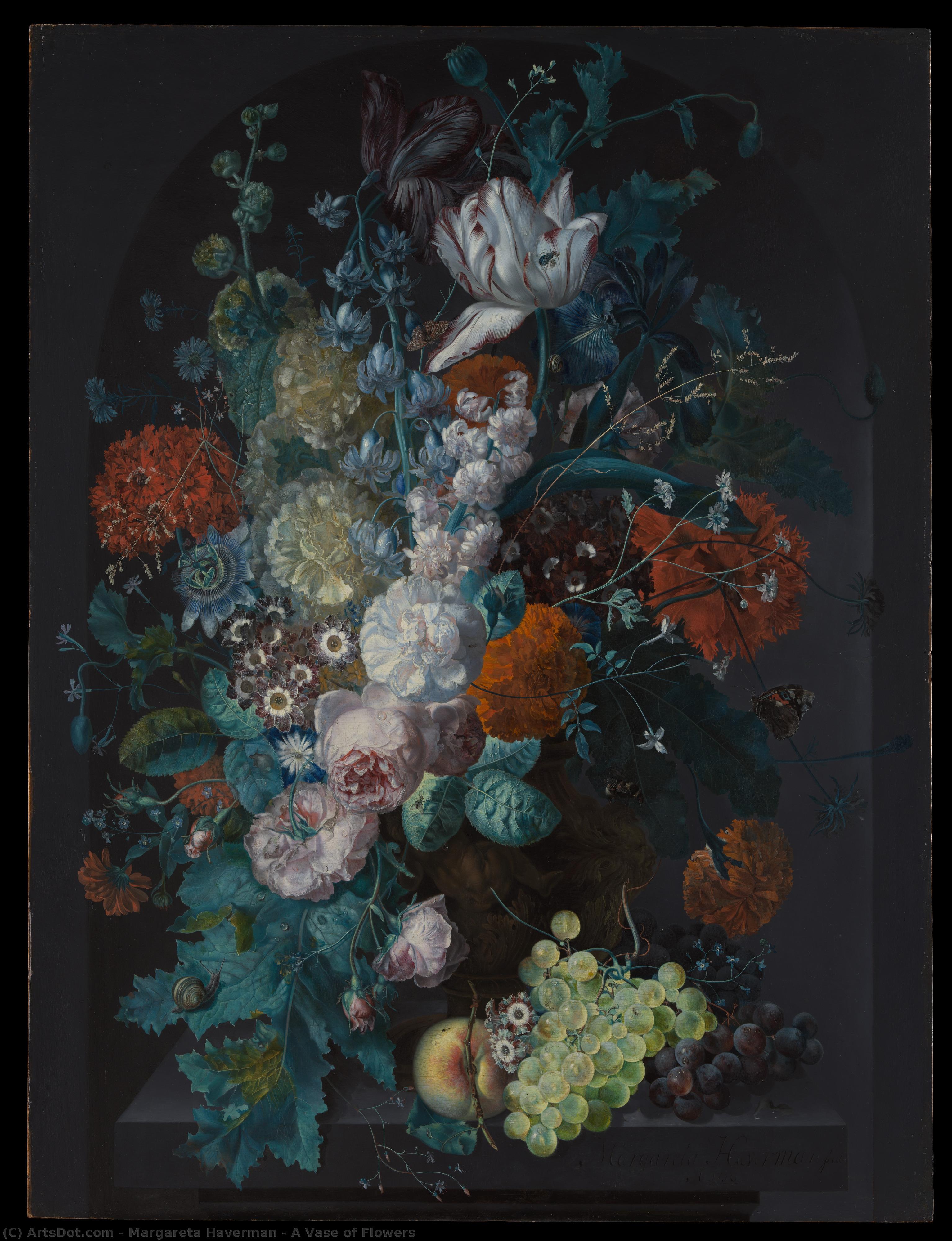
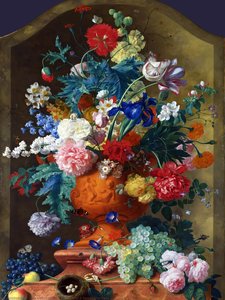
A Vase of Flowers
 1716
1716 79.0 x 60.0 cm
 Metropolitan Museum of Art
 Weiterlesen
Giclée / Kunstdruck
Giclée- oder Leinwanddruck in Museumsqualität mit schneller Produktion und flexiblen Veredelungsoptionen. ( Handgemalte Reproduktion bestellen Bild kaufen)




































Wählen Sie aus unseren vordefinierten Formaten, die den ursprünglichen Proportionen des Kunstwerks entsprechen.

Sie können Ihre eigenen Maße eingeben, um ein bestimmtes Format oder einen speziellen Platz einzupassen. Wenn das von Ihnen gewählte Format nicht den Proportionen des Originalbildes entspricht, werden wir das Kunstwerk entweder beschneiden oder das Bild mit einem gespiegelten oder einfarbigen Rand erweitern. Ein digitaler Entwurf wird Ihnen zur Genehmigung zugesandt, bevor die Produktion beginnt.
Bitte beachten Sie, dass die Vorschau auf dem Bildschirm nicht den tatsächlichen Zuschnitt oder die Erweiterung widerspiegelt. Nur der Entwurf zeigt die endgültige Komposition präzise an.
Obwohl Sondermaße verfügbar sind, empfehlen wir die Auswahl eines Maßes aus der vordefinierten Liste, um die ursprünglichen Proportionen zu bewahren.
Weltweiter Versand () innerhalb von 2 Wochen statt der üblichen 4/5 Wochen. (26 August)

Kostenloser weltweiter Expressversand

Hochwertige Leinenleinwand

Umfassender Versicherungsschutz beim Versand

Zollgebühren-Rückerstattungsgarantie

Garantie für exakte Farbtreue

60 Tage Rückgaberecht (nur bei Mängeln)

100% Geld-zurück-Garantie

Mengenrabatt verfügbar
 Die Glasoption ist nur für Größen unter 110 cm verfügbar.

A Vase of Flowers
Giclée / Kunstdruck
Format der Reproduktion
-


Gesamtpreis
$ 62
Sammlerstück-Beschreibung
Ähnliche Kunstwerke






Über den Künstler
A Delicate Touch in Dutch Botanical Art
Margaretha Haverman stands as a singular, luminous figure within the annals of 18th-century Dutch art, her name forever entwined with the exquisite precision of botanical still life. Born in Breda around 1693, she was the daughter of Daniël Haverman, a captain in the Danish army who eventually settled in Amsterdam to serve as the director of a boys’ school. This upbringing, steeped in an environment that valued both intellectual rigor and artistic pursuit, provided the fertile ground from which her extraordinary talent would bloom. During an era when the scientific curiosity regarding botany was surging across Europe, Haverman captured the ephemeral beauty of the natural world with a mastery that transcended mere imitation.
The narrative of her artistic development is famously intertwined with the legendary and notoriously secretive Jan van Huysum. According to contemporary accounts, such as those by Jan van Gool, Haverman was recognized as Van Huysum’s sole pupil—a claim that carries a certain romantic weight in art history. However, the relationship was shadowed by complexity; Van Huysum himself later suggested he had been "sweet-talked" into her instruction, reflecting the tensions of an era where masters guarded their techniques with fierce jealousy. Despite these whispers of controversy, the influence of his meticulous style is unmistakable in her work, characterized by a profound attention to detail and a vibrant, lifelike use of color.
Mastery of Pigment and Composition
Haverman’s technical prowess was particularly evident in her innovative approach to the medium of oil paint. Her ability to manipulate light and shadow created a sense of three-dimensional depth that drew viewers into the very heart of her floral arrangements. One of her most celebrated surviving works, A Vase of Flowers (1716), serves as a testament to her skill with pigments. In this magnificent piece, she utilized cutting-edge materials such as Prussian blue, demonstrating an experimental spirit that matched her observational accuracy. The composition is a breathtaking dance of balance and harmony, where the lush textures of petals and leaves are set against deep, dramatic backgrounds to heighten their brilliance.
The artist’s hand is visible in the way she rendered the organic fragility of each bloom, from the softest pastel hues to the most intense, saturated tones. While some elements of her paintings have shifted over centuries—such as the fading of yellow lake pigments which has left certain leaves with a haunting blue cast—the fundamental brilliance of her vision remains intact. Her work does not merely document flora; it celebrates the vitality and fleeting splendor of life itself, making each petal feel as though it might release its scent at any moment.
Legacy Amidst Academic Shadows
The trajectory of Haverman’s career was marked by both significant achievement and the societal pressures faced by women in the arts. Her admission to the prestigious Académie royale de peinture et de sculpture in Paris in 1722 was a monumental milestone, signaling her recognition within the highest echelons of European art. Yet, this success brought friction; her growing reputation and the sale of her works reportedly caused unease for her former mentor, Van Huysum, who feared her talent might overshadow his own established image. This tension highlights the precarious position of female artists navigating a male-dominated academic landscape.
Though much of her personal life remains shrouded in the mists of history—following her marriage to Jacques de Mondoteguy and her subsequent relocation to France—her artistic footprint is indelible. Today, only two authenticated, signed paintings are known to survive, yet their impact is profound:
- A Vase of Flowers, a masterpiece currently held in the prestigious collection of the Metropolitan Museum of Art in New York.
- Flowers in a Vase, an exquisite specimen residing within the Statens Museum for Kunst.
Through these rare survivors, Margaretha Haverman continues to enchant modern audiences, offering a window into a period of unparalleled botanical beauty and reminding us of the enduring power of a delicate, yet masterful, touch.
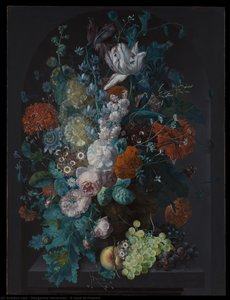
margareta haverman
1693 - 1723
Kurzinfos
- Artistic Movement Or Style: Botanical Painting
- Artists Or Movements Influenced By This Artist: ['European Art History']
- Artists Who Influenced This Artist: ['Jan van Huysum']
- Date Of Birth: October 28, 1693
- Full Name: Margaretha Haverman
- Nationality: Dutch Republic
- Notable Artworks: ['A Vase of Flowers']
- Place Of Birth: Breda, Netherlands

