

 Vorschau anzeigen
 Versenden
 Teilen
 Details anzeigen

 Herunterladen
 Ähnliche Objekte
 Röntgenaufnahme
 Diashow
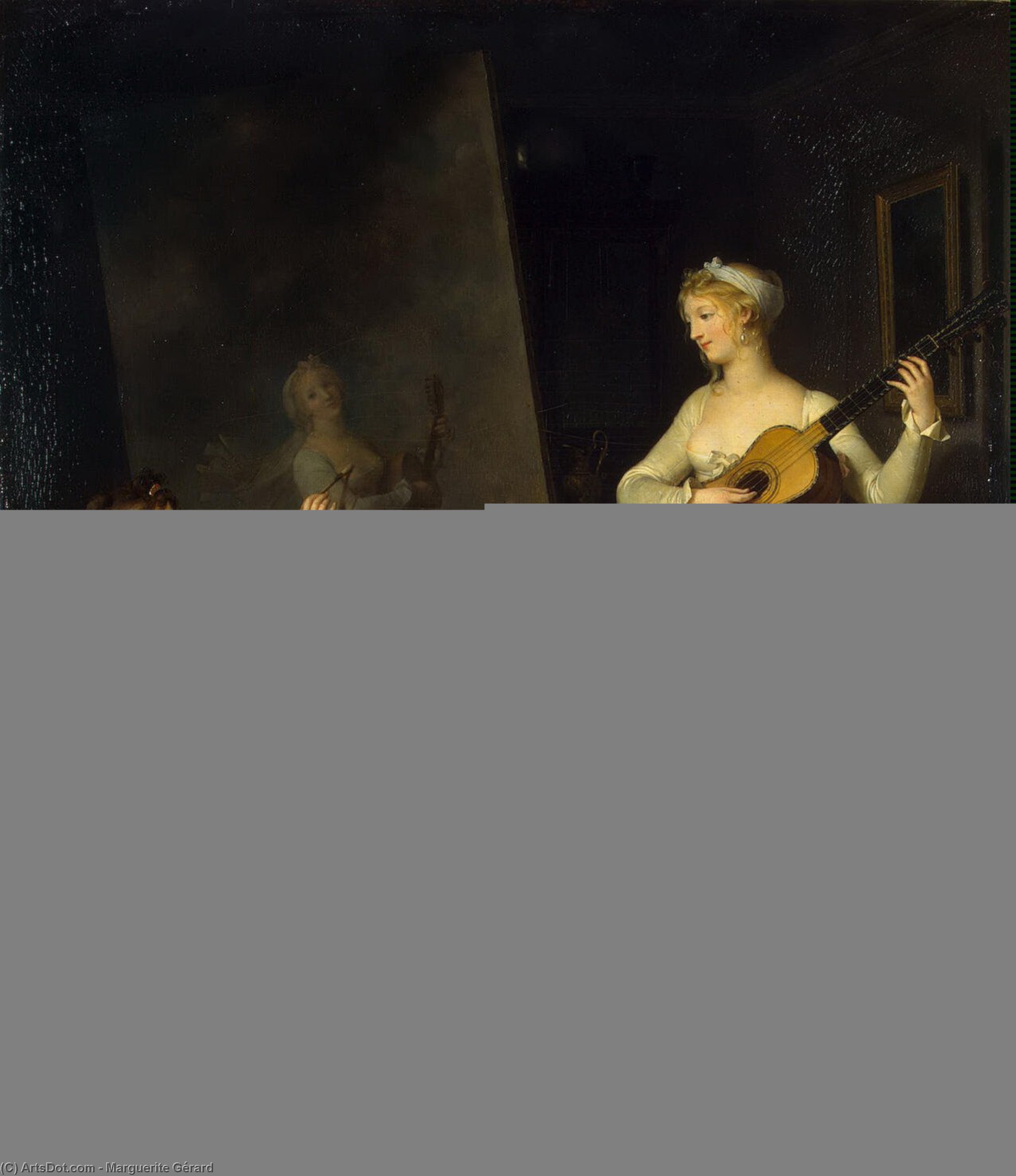
Artist Painting a Portrait of a Musician
 Oil On Canvas
- WallArt
- Neoclassical/Romantic
 1803
1803 61.0 x 52.0 cm
 Eremitage Museum
 Weiterlesen
Giclée / Kunstdruck
Giclée- oder Leinwanddruck in Museumsqualität mit schneller Produktion und flexiblen Veredelungsoptionen. ( Handgemalte Reproduktion bestellen Bild kaufen)




P118B $10

P118H $10

P118W $10

P438Z $10

P508JH $12

P508YH $12

P805H $10

P805Z $10

P919BZ $10

P919G $10

P919XJ $10

P959ZH $10

P968JZ $12

W106C $8

W218G $10

W218JH $8

W218Y $10

W307PJ $10

W316G $10

W316PJ $8

W316Y $10

W398PJ $8

W4111J $10

W500HY $15

W500JH $15

W692G $12

W849H $8

W940BG $15

W953PJ $8




Wählen Sie aus unseren vordefinierten Formaten, die den ursprünglichen Proportionen des Kunstwerks entsprechen.

Sie können Ihre eigenen Maße eingeben, um ein bestimmtes Format oder einen speziellen Platz einzupassen. Wenn das von Ihnen gewählte Format nicht den Proportionen des Originalbildes entspricht, werden wir das Kunstwerk entweder beschneiden oder das Bild mit einem gespiegelten oder einfarbigen Rand erweitern. Ein digitaler Entwurf wird Ihnen zur Genehmigung zugesandt, bevor die Produktion beginnt.
Bitte beachten Sie, dass die Vorschau auf dem Bildschirm nicht den tatsächlichen Zuschnitt oder die Erweiterung widerspiegelt. Nur der Entwurf zeigt die endgültige Komposition präzise an.
Obwohl Sondermaße verfügbar sind, empfehlen wir die Auswahl eines Maßes aus der vordefinierten Liste, um die ursprünglichen Proportionen zu bewahren.
Weltweiter Versand () innerhalb von 2 Wochen statt der üblichen 4/5 Wochen. (5 September)

Kostenloser weltweiter Expressversand

Hochwertige Leinenleinwand

Umfassender Versicherungsschutz beim Versand

Zollgebühren-Rückerstattungsgarantie

Garantie für exakte Farbtreue

60 Tage Rückgaberecht (nur bei Mängeln)

100% Geld-zurück-Garantie

Mengenrabatt verfügbar
 Die Glasoption ist nur für Größen unter 110 cm verfügbar.

Artist Painting a Portrait of a Musician
Giclée / Kunstdruck
Format der Reproduktion
-


Gesamtpreis
$ 62
A Moment of Artistic Intimacy: Marguerite Gérard’s Portrait of a Musician
Marguerite Gérard's "Artist Painting a Portrait of a Musician," completed in 1803, is more than just a depiction of two women engaged in artistic activity; it’s a poignant glimpse into the vibrant intellectual and social life of late 18th-century France. This intimate scene, rendered in soft oils on panel, captures a fleeting moment of shared creativity within an artist's studio – a space brimming with potential and quiet contemplation. The painting immediately draws the viewer in with its muted palette of earthy browns, creams, and subtle pinks, creating a sense of warmth and domesticity that belies the sophisticated artistic sensibilities at play.
Gérard, a pioneering woman artist who navigated the restrictive world of 19th-century art academies, skillfully employs a Neoclassical style infused with Romantic undertones. The composition is meticulously balanced, reminiscent of the portraiture traditions of her mentor, Jean-Honoré Fragonard, yet imbued with a distinctly personal touch. The placement of the musicians – one poised with a guitar, the other lost in the melody of her violin – establishes a palpable connection between them, suggesting a shared passion and perhaps even a nascent collaboration. The inclusion of a dog, curled contentedly at the feet of the seated woman, adds a layer of domestic charm and reinforces the scene’s sense of tranquility.
The Studio as Canvas: Composition and Technique
The painting's strength lies not only in its subject matter but also in Gérard’s masterful technique. She demonstrates a remarkable ability to capture both form and atmosphere, utilizing soft, flowing lines that define the figures’ clothing and instruments with understated elegance. The edges of the forms are deliberately blurred, creating a hazy quality that contributes to the overall sense of intimacy and invites the viewer to step into the scene. Linear elements – the strings of the guitar and violin, the architectural details hinted at in the background – provide subtle anchors within the composition, guiding the eye through the space.
Gérard’s brushwork is remarkably delicate, blending strokes with a remarkable subtlety that results in surfaces that appear both smooth and textured. The use of glazes—thin layers of translucent paint—allows her to build up color gradually, creating nuanced tonal variations and adding depth to the figures' attire and the studio setting. The diffused lighting, emanating from an unseen source on the left, highlights the woman with the guitar while gently illuminating the background figure, further enhancing the sense of intimacy and drama.
Symbolism and Emotional Resonance
Beyond its technical merits, “Artist Painting a Portrait of a Musician” is rich in symbolic meaning. The act of artistic creation itself represents a celebration of intellect, beauty, and human expression. The musicians embody creativity and passion, while the artist’s presence underscores the transformative power of art. The scene evokes a feeling of tranquility, suggesting that art can provide solace and inspiration amidst the complexities of life.
Furthermore, the painting speaks to the social context of its time – a period when women were increasingly gaining recognition as artists despite facing significant obstacles. Marguerite Gérard’s success in a male-dominated field is a testament to her talent and determination. The inclusion of the dog adds another layer of meaning, representing companionship and loyalty—values that resonated deeply within the domestic sphere.
A Legacy of Artistic Innovation
Painted during a pivotal moment in French art history, “Artist Painting a Portrait of a Musician” exemplifies Marguerite Gérard’s unique artistic vision. Her ability to seamlessly blend Neoclassical formality with Romantic sensitivity resulted in works that are both timeless and deeply personal. Reproductions of this captivating scene offer a beautiful opportunity to experience the artistry of a remarkable woman who defied convention and left an enduring legacy on the world of art. ArtsDot’s hand-painted reproductions faithfully capture the delicate brushwork, nuanced colors, and emotional depth of Gérard's original masterpiece, allowing you to bring this intimate moment of artistic creation into your home or office.
Ähnliche Kunstwerke



Über den Künstler
Marguerite Gérard: Ein Leben der Kunst
- Geboren: Grasse, Frankreich (1761)
- Gestorben: 1837
- Familienverbindungen: Tochter von Marie Gilette und Parfümeur Claude Gérard. Schwester-in-law und Schülerin von Jean-Honoré Fragonard; Tante von Alexandre-Évariste Fragonard.
Frühes Leben, Ausbildung und Zusammenarbeit mit Fragonard
Marguerite Gérards künstlerischer Weg begann 1775, als sie nach Paris zog, um bei ihrer Schwester Marie-Anne Fragonard und ihrem Schwager Jean-Honoré Fragonard zu leben. Dieser Umzug erwies sich als entscheidend, da er ihr Zugang zur lebhaften Pariser Kunstszene ermöglichte und vor allem eine Mentorenschaft unter Fragonard selbst bot. Mit 16 Jahren wurde sie inoffizielle Lehrlingin und studierte zunächst seine Zeichnungen und schuf nach ihnen Radierungen. Eine bedeutende Phase ihrer Zusammenarbeit fand 1778 statt, als sie gemeinsam neun Radierungen produzierten. Historiker glauben nun, dass Gérard hinter fünf dieser Radierungen die Hauptkünstlerin war, wobei Fragonard wahrscheinlich assistierte oder Duplikate zu Lehrzwecken anfertigte.
Künstlerische Entwicklung und Stil
Gérards künstlerische Entwicklung war einzigartig aufgrund ihres Mangels an formaler akademischer Ausbildung, was ihren Zugang zum Studium des Aktes einschränkte. Folglich konzentrierte sie sich auf Genreszenen – Darstellungen des täglichen Lebens – und ließ sich von niederländischen Meistern des 17. Jahrhunderts wie Gerard ter Borch und Gabriel Metsu inspirieren. Ihr Stil spiegelte ihre akribische Detailgenauigkeit und fein abgestufte Pinselstriche wider. Im Gegensatz zu vielen weiblichen Malern, die auf die klassische Antike Bezug nahmen, porträtierte Gérard häusliche Settings und Kostüme aus früheren Jahrhunderten. Wiederkehrende Motive in ihren Werken waren Hauskatzen und -hunde, wobei sie Themen wie Mutterschaft, Kindheit, Musik und weibliche Geselligkeit betonte.
Wichtige Werke und Anerkennung
Gérards Karriere umfasste über fünfzig Jahre, während derer sie zahlreiche Gemälde und Radierungen schuf. Einige bemerkenswerte Werke sind:
- Lady Reading in an Interior (1795): Ein neoklassisches Gemälde, das stille Eleganz und Intellektualität zeigt.
- Portrait of Maréchale Lannes, Duchesse de Montebello with Her Children (1814): Ein neoklassisches Porträt, das die Herzogin und ihre Kinder in einem formalen Gartensetting darstellt.
- Sleep my child: Ein Ölgemälde, das Mutterschaft und Musik mit neoklassischer Eleganz porträtiert.
- The Clemency of Napoleon (1808): Von Kaiser Napoleon gekauft, was ihre wachsende Anerkennung unter bedeutenden Mäzenen demonstrierte.
Sie stellte regelmäßig im Pariser Salon von 1799 bis 1824 aus und erhielt drei Medaillen für ihre Kunstwerke. Ihre Gemälde waren bei wohlhabenden Sammlern sehr gefragt, während Radierungen ihrer Werke ein breiteres Publikum erreichten.
Historische Bedeutung und Vermächtnis
Marguerite Gérard nimmt einen bedeutenden Platz in der Kunstgeschichte als eine der ersten französischen Frauen ein, die als Genreschmalerin Erfolg hatte. Sie überwand gesellschaftliche Beschränkungen, die weiblichen Künstlerinnen auferlegt wurden, und schuf sich eine Karriere ohne formale akademische Ausbildung. Ihre Fähigkeit, intime häusliche Szenen mit solcher Detailgenauigkeit und Realismus darzustellen, fand Anklang beim Publikum und etablierte ihren Ruf bei Mäzenen und Kritikern gleichermaßen. Gérards Einfluss reichte über ihre eigenen Werke hinaus; sie diente als Inspiration für spätere Generationen von Künstlerinnen, darunter auch ihren Neffen Alexandre-Évariste Fragonard, den sie auf die gleiche Weise betreute, wie Fragonard ihr Talent gepflegt hatte. Ihr Vermächtnis liegt nicht nur in ihren künstlerischen Leistungen, sondern auch darin, den Weg für zukünftige Künstlerinnen zu ebnen, ihre kreativen Ambitionen zu verfolgen.
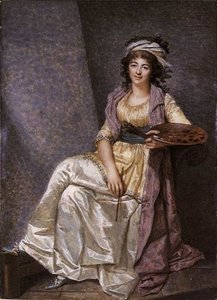
Marguerite Gérard
1761 - 1837 , Frankreich
Kurzinfos
- Beeinflusste Künstler:
- Jean-Honoré Fragonard
- Gerard ter Borch
- Gabriel Metsu
- Bemerkenswerte Werke:
- Lady Reading in an Interior
- Portrait of Maréchale Lannes
- Sleep my child
- The Clemency of Napoleon
- Geburtsdatum: 28. Januar 1761
- Geburtsort: Grasse, Frankreich
- Künstlerische Richtung: Rokoko
- Nationalität: Französisch
- Sterbedatum: 18. Mai 1837
- Vollständiger Name: Marguerite Gérard
- Von Künstlern Beeinflusst: ['Alexandre-Évariste Fragonard']
Ähnliche Artikel

Rococo Meisterwerke: Die Top 10, die eine Epoche prägten |
Entdecken Sie die Top 10 Rokoko Meisterwerke von Watteau, Boucher & Fragonard! Erfahren Sie die Geschichten hinter diesen ikonischen Gemälden und lassen Sie sich für Ihre Inneneinrichtung inspirieren. Hochwertige Kunstdrucke auf .

The Rococo Aesthetic: Opulence, Rebellion & the Pursuit of Pleasure in 18th-Century Art
Explore the opulent world of Rococo art! Discover its origins, key artists like Watteau & Boucher, and lasting influence on design. Expert insights for collectors & enthusiasts.

The Allure of Elegance in Art: A Historical & Aesthetic Exploration of Refinement & Grace
Explore the exquisite world of Rococo art! Discover its history, masters (Watteau, Boucher & more), and defining elegance. Expert insights for collectors seeking museum-quality reproductions & custom portraits.
Charles-André van Loo: A Study in Rococo Portraiture & the French Court's Artistic Dynamics
Explore the elegant world of Charles-André van Loo, a master of Rococo portraiture at the French court. Discover his life, techniques, and enduring influence on 18th-century art. Hand-painted reproductions available.
François Boucher: Rokoko-Meister von Mythos, Sinnlichkeit und dem französischen Hofleben
Entdecken Sie François Boucher, den Meister des Rokoko! Erfahren Sie mehr über sein Leben, seine sinnlichen Gemälde und seinen Einfluss auf die französische Hofkunst. Jetzt lesen!

