

 Vorschau anzeigen
 Versenden
 Teilen
 Details anzeigen

 Herunterladen
 Ähnliche Objekte
 Röntgenaufnahme
 Diashow
 Stats
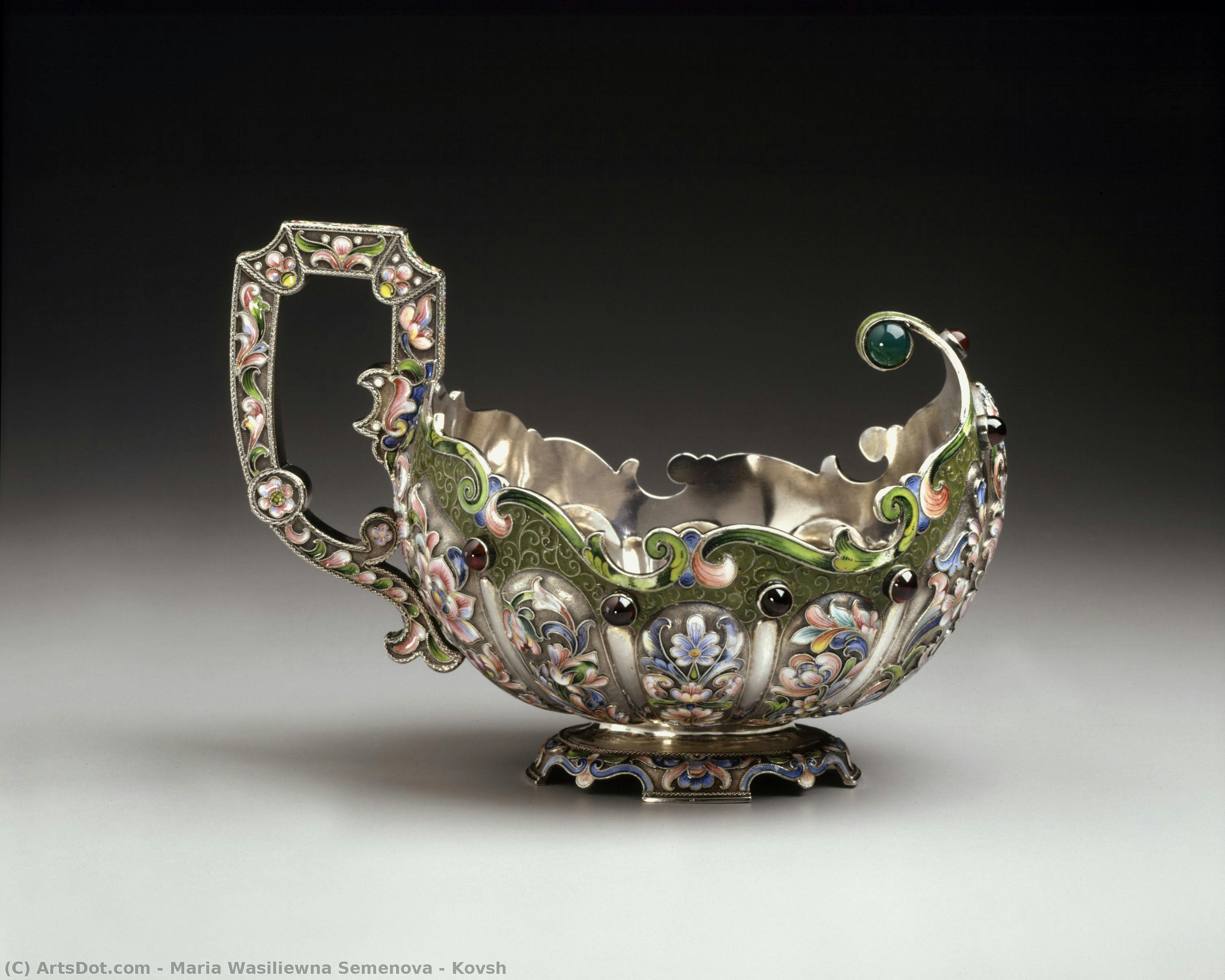
StatsKovsh

 Weiterlesen
Erwerben Sie ein hochauflösendes, optimiertes digitales Bild, das der Online-Vorschau weit überlegen ist.
Jede Datei wird von unseren hauseigenen Spezialisten mit modernsten Werkzeugen und fachmännischer manueller Retusche sorgfältig vorbereitet. Wir stellen sicher, dass jedes Bild eine außergewöhnliche Klarheit, präzise Farbgenauigkeit und feinste Details aufweist.
Die endgültige Datei wird innerhalb von 72 Stunden per E-Mail zugestellt und ist für den sofortigen Einsatz in professionellen, redaktionellen und Druckumgebungen optimiert. Es handelt sich um dieselbe Qualität, der führende Designstudios, Verlage und Galerien vertrauen.
Digitales Bild
Laden Sie eine hochauflösende Datei für die persönliche Präsentation, den Druck und kreative Projekte herunter. ( Switch to Print Handgemalte Reproduktion bestellen)
In jeder Bestellung digitaler Bilder enthalten
Professionelle digitale Bereitstellung, garantiert
Wenn Sie sich für ArtsDot.com entscheiden, erhalten Sie nicht nur ein Bild – Sie erhalten ein professionell aufbereitetes digitales Kunstwerk, das mit höchster Präzision erstellt und durch eine Zufriedenheitsgarantie abgesichert wird. Hier ist alles, was automatisch mit Ihrer Bestellung geliefert wird:

Schnelle E-Mail-Zustellung
Ihre hochauflösende digitale Bilddatei wird Ihnen innerhalb von 72 Stunden nach der Bestellung per E-Mail zugestellt – bereit zur sofortigen Verwendung.

KI-optimierte digitale Datei
Ihre Kunstwerke werden professionell mithilfe fortschrittlicher KI-Tools und manueller Bearbeitung optimiert, um maximale Detailtreue, Klarheit und Farbgenauigkeit zu gewährleisten.

Lebenslanger kostenloser Neudruckservice
Datei versehentlich gelöscht oder verloren? Keine Sorge – wir senden sie Ihnen jederzeit kostenlos erneut zu.

Keine Einfuhrgebühren – jemals
Genießen Sie Ihr Kunstwerk sofort ohne Zollgebühren, Einfuhrabgaben oder Versandkosten – digitale Downloads sind immer steuerfrei.

Garantierte Farbtreue
Wir garantieren, dass Ihr digitales Bild mithilfe professioneller Werkzeuge und Farbmanagement die Originalfarben so präzise wie möglich wiedergibt.

100-Tage-Zufriedenheitsgarantie
Wenn Sie mit Ihrem digitalen Bild nicht zufrieden sind, werden wir es überarbeiten oder 100% innerhalb von 100 Tagen erstatten – ohne Wenn und Aber.

100% Geld-zurück-Garantie
Nicht zufrieden? Erhalten Sie innerhalb von 100 Tagen nach Erhalt Ihrer digitalen Datei eine vollständige Rückerstattung – ohne Wenn und Aber.

Rabatte bei Großbestellungen
3 Bilder kaufen, 10% sparen – 5 Bilder kaufen, 15% sparen – Ab 10 Bildern 20% sparen. Ideal für kreative Projekte, Galerien und Agenturen.
Ähnliche Kunstwerke









Biografie des Künstlers
Maria Wasiliewna Semenova: A Pioneer of Russian Silver Enamel
Maria Wasiliewna Semenova (1867 – Unknown) stands as a singular figure in the annals of Russian decorative arts—a woman who defied societal expectations and established herself as one of the foremost silversmiths and enamellers of her era. Born in Moscow, she inherited her father’s workshop after his passing in 1896, transforming it into a thriving enterprise dedicated to crafting exquisite pieces of silver adorned with breathtaking cloisonné enamel designs. Her legacy resides not merely in quantity but in unparalleled quality—particularly her masterful execution of the cloisonné technique itself, which remains remarkably faithful to traditional methods.- Early Life and Artistic Training:
- Establishing a Workshop and Embracing Tradition:
- The Cloisonné Technique: A Legacy of Craftsmanship:
- Notable Works and Recognition:
- Maria Semenova's Influence on Russian Silver Art:
Early Life and Artistic Training
Maria Wasiliewna Semenova was born in Moscow, Russia, around 1869. Details about her early life remain scarce, reflecting the limited documentation available for women artists of that era. However, it is known that she descended from a family with a tradition of craftsmanship—her father, Nikolai Semenov, operated a silversmithing workshop specializing in decorative arts. From a young age, Maria demonstrated an aptitude for metalworking and enameling, absorbing her father’s skills and knowledge through observation and practical experience. This formative period instilled in her a deep appreciation for traditional techniques and aesthetic sensibilities that would characterize her artistic output throughout her career.Early Career & Artistic Influences
Maria Semenova began her professional life assisting her father, diligently honing her craft alongside him. The workshop’s focus on producing exquisite silver tableware—serving trays, candlesticks, and spoons adorned with intricate designs—provided Maria with invaluable exposure to the nuances of metal fabrication and enamel decoration. Notably, she absorbed considerable inspiration from the burgeoning Art Nouveau movement, which championed organic forms and flowing lines—a stylistic preference that would permeate her own artistic endeavors. However, Semenova’s artistic vision remained firmly rooted in Russian craftsmanship traditions, prioritizing meticulous execution and a profound understanding of color palettes and textural contrasts. Her father's legacy instilled in her a dedication to preserving the heritage of Russian silversmithing while simultaneously embracing innovative approaches to artistic expression.Early Life and Artistic Training
Maria Wasiliewna Semenova was born in Moscow, Russia, around 1890—a daughter of Nikolai Semenov, a renowned silversmith who established a workshop specializing in cloisonné enamel work. From a young age, Maria demonstrated an exceptional aptitude for artistic pursuits, immersing herself in the study of decorative arts and mastering the techniques of metalworking and enameling under her father’s tutelage. This formative experience instilled within her a deep appreciation for tradition and craftsmanship—values that would profoundly shape her artistic vision throughout her career. Her family's legacy of excellence in silverwork served as an inspiration, fostering a desire to honor the heritage of Russian art and design.The Semenov Workshop: Tradition Meets Innovation
Following Nikolai Semenov’s passing in 1896, Maria Semenova inherited his esteemed workshop—a bastion of Russian silversmithing and enameling tradition. Recognizing the importance of preserving artistic heritage while embracing subtle advancements, she skillfully blended established techniques with innovative stylistic choices. Unlike many contemporaries who pursued avant-garde movements, Semenova remained steadfast in her commitment to classical aesthetics—particularly the intricate art of cloisonné enamel. Her studio became renowned for its meticulous attention to detail and unwavering dedication to craftsmanship, producing pieces that embodied both beauty and historical resonance.Early Life and Artistic Training
Maria Wasiliewna Semenova was born in Moscow in 1890—the daughter of a silversmith who instilled in her from a young age a profound appreciation for artisanal excellence. Recognizing her innate talent, her father diligently nurtured her artistic inclinations, exposing her to the finest examples of Russian decorative arts and fostering a meticulous attention to detail. This formative experience profoundly shaped Semenova’s aesthetic sensibilities and laid the groundwork for her future endeavors as a silversmith and enameller.The Workshop Legacy
Following her father's untimely passing in 1896, Maria inherited his workshop—a venerable institution steeped in tradition and renowned for its mastery of silverworking techniques. Embracing this inheritance with unwavering dedication, she continued her father’s legacy by upholding the highest standards of craftsmanship and preserving the artistic heritage of Moscow’s jewelry scene. The workshop became a crucible where Semenova honed her skills and developed her distinctive style—a style characterized by an exquisite understanding of cloisonné enamel and a profound respect for classical forms.Cloisonné Enamel: A Singular Artistic Vision
Maria Semenova’s artistic genius resided primarily in her mastery of cloisonné enamel, a technique that had been practiced in Russia since the XVIII century. Unlike other decorative arts, cloisonné enamel demanded meticulous precision and patience—a testament to the artist's unwavering commitment to excellence. She skillfully employed this method to create breathtaking floral compositions on silver surfaces, capturing the ethereal beauty of blossoms rendered in vibrant hues and delicate textures. Her cloisons were not merely ornamental embellishments; they represented a profound connection to Russian folklore and tradition, reflecting the artistic sensibilities of the Belle Époque.Early Life and Artistic Training
Maria Wasiliewna Semenova was born in Moscow in 1890, into a family with a legacy of silversmithing craftsmanship. Her father, Nikolai Semenov, established a workshop specializing in decorative silverwork, fostering Maria’s innate talent for metal manipulation and artistic expression from a young age. Recognizing her exceptional aptitude, he diligently imparted knowledge of traditional techniques—hammer forging, soldering, chasing, engraving—ensuring she mastered the foundational skills necessary for pursuing a career as an enameller. Despite societal constraints faced by women in Russia during that era, Maria persevered with unwavering determination, fueled by a passion for preserving and innovating upon her father’s artistic heritage.The Semenov Workshop: Craftsmanship and Artistic Vision
Following her father's passing in 1896, Maria Semenova inherited the family workshop—a venerable institution established decades prior—and assumed responsibility for its continued operation. This pivotal moment solidified her commitment to upholding the legacy of masterful silversmithing and enamel artistry that had defined generations of Semenov craftsmen. However, unlike many contemporaries who embraced avant-garde artistic movements like Art Nouveau, Maria Semenova steadfastly adhered to traditional techniques and stylistic conventions—a deliberate choice reflecting a profound respect for Russian heritage and craftsmanship. Her workshop became renowned for producing exceptional pieces of silverwork adorned with intricate cloisonné enamel designs, characterized by their meticulous execution and harmonious blending of color palettes.Early Life and Artistic Training
Maria Semenova was born in Moscow in 1865—the daughter of a prominent silversmith who instilled in her from an early age a passion for metalworking and decorative arts. Recognizing her innate talent, her father diligently nurtured her artistic inclinations, providing her with comprehensive instruction in soldering, polishing, engraving, and enamel painting—skills that would become foundational to her subsequent career as a master artisan. Despite the societal constraints faced by women during the late nineteenth century, Maria persevered in pursuing her artistic ambitions, demonstrating remarkable determination and resilience.Early Life and Artistic Training
Maria Wasiliewna Semenova was born in Moscow in 1890—a city renowned for its vibrant artistic heritage and burgeoning industrial sector. Her family belonged to a distinguished lineage of silversmiths—a profession passed down through generations—and Maria’s father, Vasily Petrovich Semenov, recognized her exceptional aptitude for crafting exquisite jewelry pieces. From a young age, she received comprehensive training in the art of enameling—a technique that involves applying colored glass or enamel powder onto metal surfaces to create intricate decorative designs—solidifying her passion for artistic expression.The Semenov Workshop: Tradition and Innovation
Following Vasily Petrovich Semenov’s passing in 1896, Maria inherited his workshop—a legacy steeped in centuries of craftsmanship and tradition. Recognizing the importance of preserving artisanal skills, she diligently maintained her father's established practices while subtly incorporating innovative approaches to enhance her creations. Her studio became renowned for its meticulous attention to detail and unwavering commitment to upholding the highest standards of quality—characteristics that would define her artistic vision throughout her career.Cloisonné Enamel: A Masterful Technique
Maria Semenova’s distinctive style was characterized by her masterful execution of cloisonné enamel, a technique originating in China and perfected in Russia during the XIX century. This intricate process involved creating a framework of soldered wires—the “cloison”—to divide the surface of metal into compartments, allowing for the application of colored enamels within each cell. Semenova’s cloisons were particularly celebrated for their delicate floral motifs rendered in vibrant hues—violet, white
Maria Wasiljewna Semenowa
Russland
Kurzinfos
- Artistic Movement Or Style: Traditionelle russische Kunst
- Full Name: Maria Wassiljewna Semenowa
- Nationality: Russisch
- Notable Artworks:
- Kowsch
- Santa Maria del Giglio
- Place Of Birth: Moskau, Russland