 Vorschau anzeigen
 Versenden
 Teilen
 Details anzeigen

 Herunterladen
 Ähnliche Objekte
 Röntgenaufnahme
 Diashow
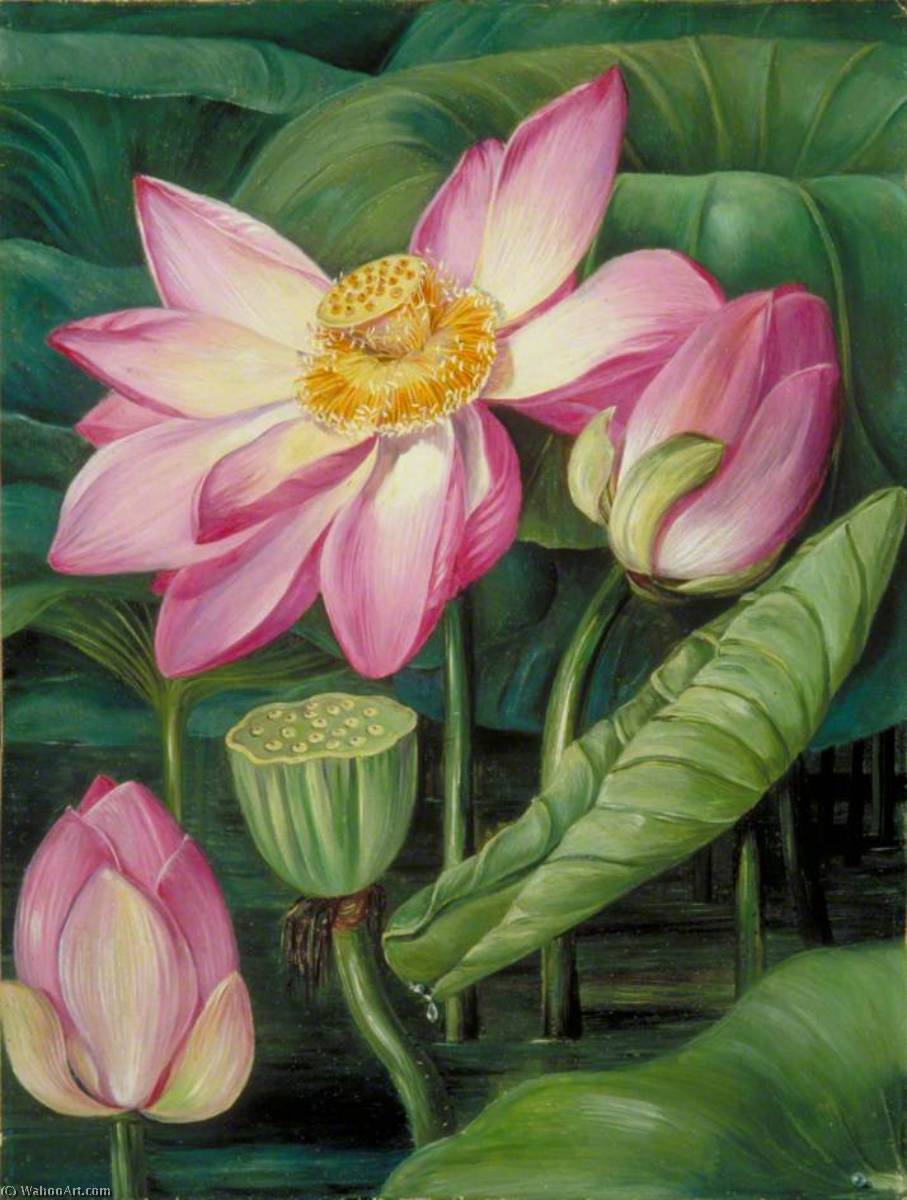
Blätter, Blüten und Früchte des heiligen Lotos in Java
 Öl auf Holztafel
- Zeitgenössischer Realismus
 1876
1876 46.0 x 35.0 cm
 Marianne North Galerie
 Weiterlesen
Handgefertigte Ölreproduktion
Handgemaltes Ölgemälde auf Leinwand in Ihrer Wunschgröße und mit Rahmen, auf Bestellung von unseren Künstlern angefertigt. ( Druck bestellen Bild kaufen)




P118B $10

P118H $10

P118W $10

P438Z $10

P508JH $12

P508YH $12

P805H $10

P805Z $10

P919BZ $10

P919G $10

P919XJ $10

P959ZH $10

P968JZ $12

W106C $8

W218G $10

W218JH $8

W218Y $10

W307PJ $10

W316G $10

W316PJ $8

W316Y $10

W398PJ $8

W4111J $10

W500HY $15

W500JH $15

W692G $12

W849H $8

W940BG $15

W953PJ $8




Wählen Sie aus unseren vordefinierten Formaten, die den ursprünglichen Proportionen des Kunstwerks entsprechen.

Sie können Ihre eigenen Maße eingeben, um einen bestimmten Rahmen oder Platz auszufüllen. Wenn die gewählte Größe nicht den Proportionen des Originalbildes entspricht, werden wir das Kunstwerk entweder beschneiden oder das Gemälde durch zusätzliche, handgemalte Elemente erweitern. Ein digitales Mockup wird Ihnen zur Genehmigung zugesandt, bevor die Produktion beginnt.
Bitte beachten Sie, dass die Bildschirmvorschau nicht die tatsächliche Beschneidung oder Erweiterung widerspiegelt. Nur das Mockup zeigt die endgültige Komposition exakt an.
Obwohl Sondermaße verfügbar sind, empfehlen wir, eine Größe aus der vordefinierten Liste zu wählen, um die ursprünglichen Proportionen beizubehalten.
Nach der Bestellung wird das ArtsDot.com-Team dem Kunden Anweisungen per E-Mail zusenden und eine Mockup-Vorschau bereitstellen.
Weltweiter Versand () in nur 3 bis 4 Wochen statt der üblichen 5 Wochen. (1 September). Keine Kompromisse bei der Qualität.

Kostenloser weltweiter Expressversand

Hochwertige Leinenleinwand

Umfassender Versicherungsschutz beim Versand

Zollgebühren-Rückerstattungsgarantie

Garantie für exakte Farbtreue

60 Tage Rückgaberecht (nur bei Mängeln)

100% Geld-zurück-Garantie

Mengenrabatt verfügbar
 Die Glasoption ist nur für Größen unter 110 cm verfügbar.

Blätter, Blüten und Früchte des heiligen Lotos in Java
Art der Reproduktion
Format der Reproduktion
-


Gesamtpreis
$ 263
A Symphony in Pink: Marianne North’s “Foliage, Flowers and Fruit of the Sacred Lotus in Java”
Marianne North's "Foliage, Flowers and Fruit of the Sacred Lotus in Java," painted in 1876, is more than a botanical illustration; it’s a vibrant testament to Victorian exploration, artistic dedication, and a profound respect for the natural world. This exquisite oil painting captures a moment of breathtaking beauty within the heart of Indonesia's Javanese landscape, offering viewers an intimate glimpse into a culture deeply intertwined with symbolism and spiritual reverence. North, a remarkably independent woman who defied societal expectations by embarking on decades-long expeditions to document flora across the globe, meticulously rendered this lotus bloom—a potent emblem of purity, enlightenment, and rebirth within Buddhist traditions—with astonishing detail and a captivating sense of life.
The painting immediately draws the eye with its dominant palette of delicate pinks, ranging from blush to deeper rose hues. These warm tones are expertly contrasted against the cool greens of the surrounding foliage and the dark, reflective waters, creating a dynamic visual harmony. North’s masterful use of glazing—a technique involving layering thin washes of oil paint—allows for an incredible depth of color and texture. You can almost feel the velvety softness of the petals, the subtle sheen on the leaves, and the gentle ripples in the water. The composition itself is carefully orchestrated; a vertical arrangement that directs the gaze upwards through the blossoming lotus, emphasizing its regal presence within the scene.
The Victorian Adventurer and Her Botanical Obsession
Understanding Marianne North’s life provides crucial context for appreciating her work. Born in 1830, she initially pursued a career as a musician but suffered ill health that redirected her passions toward art. Driven by an insatiable curiosity and a desire to escape the constraints of Victorian society, she embarked on a remarkable series of journeys throughout Asia, Africa, South America, and Australia—all undertaken independently and funded through the sale of her paintings. This wasn’t merely a hobby; it was a deeply personal mission fueled by a genuine love for botany and a commitment to documenting the world's plant life with unparalleled accuracy.
Her travels were not simply about collecting specimens, however. North meticulously observed and recorded the plants in their natural habitats, often spending months living amongst indigenous communities and learning from local experts. She developed close relationships with scientists like Frederic Edwin Church, whose encouragement spurred her to continue her explorations. The creation of her gallery at the Royal Botanic Gardens, Kew—a remarkable achievement for a woman of that era—stands as a lasting legacy of her dedication and a testament to her vision.
Symbolism and Spiritual Resonance
The lotus flower itself holds profound significance in Eastern cultures, particularly within Buddhism. Emerging from muddy waters, it symbolizes purity, enlightenment, and rebirth – representing the potential for spiritual growth even amidst challenging circumstances. North’s choice to depict this specific lotus bloom—the *nelumbo nucifera*, a sacred variety associated with the Javanese people—underscores the painting's connection to local traditions and beliefs. The surrounding foliage, rendered with equally meticulous detail, further reinforces this sense of harmony between nature and spirituality.
Beyond its symbolic meaning, “Foliage, Flowers and Fruit of the Sacred Lotus in Java” offers a glimpse into a world far removed from Victorian England. It’s a window onto a vibrant culture steeped in ancient traditions and a profound connection to the natural world. The painting invites us to contemplate themes of beauty, resilience, and the enduring power of nature—qualities that continue to resonate deeply with viewers today.
A Masterpiece for Art & Interior Design
Reproductions of Marianne North’s “Foliage, Flowers and Fruit of the Sacred Lotus in Java” are highly sought after by collectors and interior designers alike. The painting's rich colors, intricate detail, and evocative subject matter make it a stunning addition to any space. Its serene beauty can bring a sense of tranquility and connection to nature into your home or office. Consider framing this artwork in a classic gold or dark wood frame to complement its elegant aesthetic. This piece is not just a painting; it’s an investment in art history, a celebration of botanical artistry, and a reminder of the enduring power of beauty.
Ähnliche Kunstwerke
Über den Künstler
Marianne North: Ein Leben in Botanischer Kunst
Frühes Leben und Ausbildung
- Marianne North, geboren am 24. Oktober 1830 in Hastings, Vereinigtes Königreich, war die älteste Tochter einer wohlhabenden Landbesitzerfamilie.
- Ihr frühes Leben umfasste eine Gesangsausbildung bei Charlotte Helen Sainton-Dolby. Ihre Gesangsbeschäftigungen wurden jedoch durch Krankheit eingeschränkt.
- Nach diesem Rückschlag wandte sie sich der Malerei von Blumen zu, die dann zur bestimmenden Leidenschaft und dem Fokus ihres Lebenswerdegangs wurde.
Umfassende Reisen und botanische Entdeckungen
- Marianne North unternahm umfangreiche Reisen um die Welt, beginnend in ihren 40ern – ein bemerkenswert unabhängiges Unterfangen für eine Frau des viktorianischen Zeitalters.
- Ihre Reisen führten sie nach Syrien, dem Nil, Sizilien, Kanada, den Vereinigten Staaten, Jamaika, Brasilien, Teneriffa, Kalifornien, Japan, Borneo, Java, Ceylon (Sri Lanka), Indien, Australien und Neuseeland.
- Diese Reisen waren nicht nur Sightseeing; sie dokumentierten die Flora jeder Region detailliert durch botanische Gemälde.
- Sie entdeckte während ihrer Expeditionen zahlreiche Pflanzenarten und trug somit erheblich zum botanischen Wissen bei.
Künstlerischer Stil und Entwicklung
- Norths künstlerischer Stil ist durch seine detaillierte Realismus und lebendige Farbpalette gekennzeichnet.
- Sie arbeitete hauptsächlich in Ölfarben und schuf Gemälde, die den Wesenszug der exotischen Pflanzen und Landschaften mit bemerkenswerter Genauigkeit erfassten.
- Ihr Ansatz war größtenteils autodidaktisch; sie entwickelte ihre Fähigkeiten durch Beobachtung und Übung während ihrer Reisen.
- Obwohl sie nicht einer bestimmten Kunstrichtung angehören konnte, spiegeln ihre Werke Elemente des viktorianischen Naturalismus und der wissenschaftlichen Illustration wider.
Bekannte Werke und die Kew-Galerie
- Zu ihren bekanntesten Werken gehören Foliage, Flowers and Fruit of the Cashew, Tanjore, India, Elephants, Exotic Fish und Leaf Insect.
- Um die Bedeutung ihrer Sammlung zu würdigen, schenkte Marianne North rund 800 Gemälde an den Royal Botanic Gardens, Kew.
- Im Jahr 1882 wurde eine spezielle Galerie in Kew errichtet, um ihre Werke auszustellen – die Marianne North Gallery. Diese ist bis heute ein beliebtes Ausstellungsstück.
Vermächtnis und historische Bedeutung
- Marianne North stellte konventionelle viktorianische Erwartungen für Frauen in Frage, indem sie eine unabhängige Reise und eine professionelle künstlerische Karriere verfolgte.
- Ihre Gemälde liefern wertvolle Dokumentationen des Pflanzenleibs aus der ganzen Welt im 19. Jahrhundert und dienen sowohl als Kunstwerk als auch als wissenschaftliche Aufzeichnung.
- Die Restaurierung der Marianne North Gallery in Kew im Jahr 2008 unterstrich ihr bleibendes Vermächtnis und ihren Beitrag zur Botanik und Kunst.
- Sie wird als Pionierin der botanischen Kunst und eine abenteuerlustige Seele remembered, die gesellschaftliche Normen zu überwinden wagte, um ihren Leidenschaften nachzugehen.
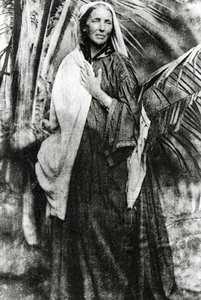
Marianne North
1830 - 1890 , Vereinigtes Königreich
Kurzinfos
- Bemerkenswerte Werke:
- Foliage, Flowers and Fruit...
- Elephants
- Exotic Fish
- Leaf Insect
- Geburtsdatum: 24. Oktober 1830
- Geburtsort: Hastings, Vereinigtes Königreich
- Künstlerische Richtung: Botanische Kunst, Naturalismus
- Nationalität: Britisch
- Sterbedatum: 30. August 1890
- Vollständiger Name: Marianne North
Ähnliche Artikel
Marianne North: Die 25 schönsten Blumenmalereien der viktorianischen Reisenden | ArtsDot
Entdecken Sie die 25 schönsten Werke der viktorianischen Blumenmalerin Marianne North! Erleben Sie ihre exotischen Reisebilder & botanischen Illustrationen. Hochwertige Kunst Reproduktionen für Ihr Zuhause auf ArtsDot.com.
The Flourishing Canvas: A Historical Journey Through Botanical Illustration
Explore the captivating history of botanical illustration! Discover renowned artists like Robert Havell & Mary Walcott, learn about techniques, and find museum-quality art at ArtsDot.com.
Victorian Botanical Painting: Science, Art & Aesthetic Sensibility
Explore the exquisite world of Victorian botanical art! Discover the science & artistry behind stunning floral illustrations by Gould, Muckley & more. Learn about collecting, value & investment at ArtsDot.
Blossoms of Time: A Historical Journey Through Flower Painting
Explore the captivating history of flower painting! Discover Dutch masters, symbolic meanings, & botanical art. Expert insights & high-quality reproductions at ArtsDot.
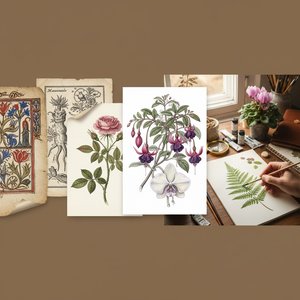
The Flourishing Canvas: A Historical Journey Through Botanical Illustration
Explore the captivating history of botanical illustration! Discover renowned artists like Robert Havell & Mary Walcott, learn about techniques, and find museum-quality art at ArtsDot.com.