 Vorschau anzeigen
 Versenden
 Teilen
 Details anzeigen

 Herunterladen
 Ähnliche Objekte
 Röntgenaufnahme
 Diashow
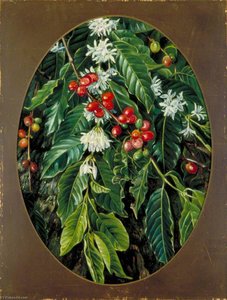
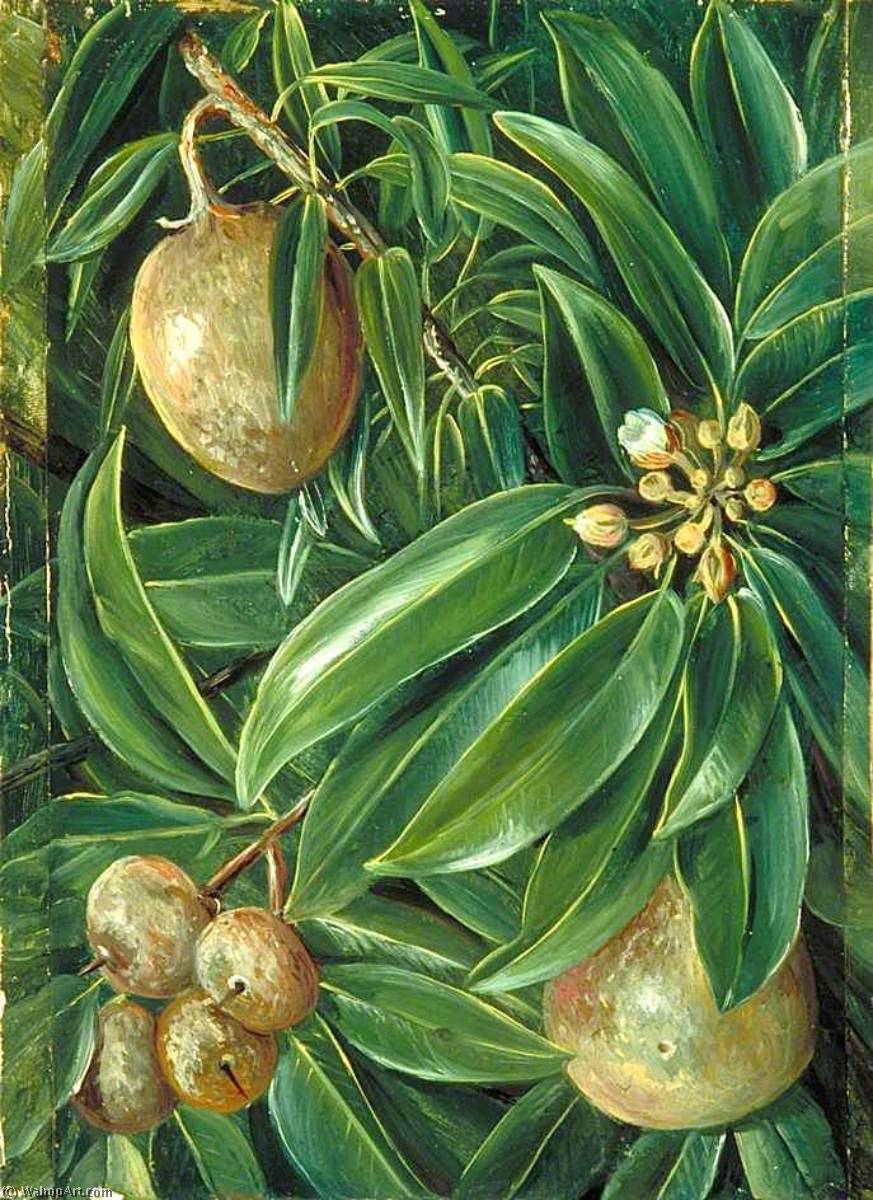
Foliage, Flowers and Fruit of the Sapodilla Plum


 Weiterlesen
Giclée / Kunstdruck
Giclée- oder Leinwanddruck in Museumsqualität mit schneller Produktion und flexiblen Veredelungsoptionen. ( Handgemalte Reproduktion bestellen Bild kaufen)




P118B $10

P118H $10

P118W $10

P438Z $10

P508JH $12

P508YH $12

P805H $10

P805Z $10

P919BZ $10

P919G $10

P919XJ $10

P959ZH $10

P968JZ $12

W106C $8

W218G $10

W218JH $8

W218Y $10

W307PJ $10

W316G $10

W316PJ $8

W316Y $10

W398PJ $8

W4111J $10

W500HY $15

W500JH $15

W692G $12

W849H $8

W940BG $15

W953PJ $8




Wählen Sie aus unseren vordefinierten Formaten, die den ursprünglichen Proportionen des Kunstwerks entsprechen.

Sie können Ihre eigenen Maße eingeben, um ein bestimmtes Format oder einen speziellen Platz einzupassen. Wenn das von Ihnen gewählte Format nicht den Proportionen des Originalbildes entspricht, werden wir das Kunstwerk entweder beschneiden oder das Bild mit einem gespiegelten oder einfarbigen Rand erweitern. Ein digitaler Entwurf wird Ihnen zur Genehmigung zugesandt, bevor die Produktion beginnt.
Bitte beachten Sie, dass die Vorschau auf dem Bildschirm nicht den tatsächlichen Zuschnitt oder die Erweiterung widerspiegelt. Nur der Entwurf zeigt die endgültige Komposition präzise an.
Obwohl Sondermaße verfügbar sind, empfehlen wir die Auswahl eines Maßes aus der vordefinierten Liste, um die ursprünglichen Proportionen zu bewahren.
Weltweiter Versand () innerhalb von 2 Wochen statt der üblichen 4/5 Wochen. (29 August)

Kostenloser weltweiter Expressversand

Hochwertige Leinenleinwand

Umfassender Versicherungsschutz beim Versand

Zollgebühren-Rückerstattungsgarantie

Garantie für exakte Farbtreue

60 Tage Rückgaberecht (nur bei Mängeln)

100% Geld-zurück-Garantie

Mengenrabatt verfügbar
 Die Glasoption ist nur für Größen unter 110 cm verfügbar.

Foliage, Flowers and Fruit of the Sapodilla Plum
Giclée / Kunstdruck
Format der Reproduktion
-


Gesamtpreis
$ 62
A Botanical Symphony in Green
In the lush, verdant world of Marianne North’s Foliage, Flowers and Fruit of the Sapodilla Plum, the viewer is invited into an intimate encounter with nature's quiet abundance. This exquisite still life serves as a window into a dense, thriving ecosystem, where the heavy weight of ripe fruit meets the delicate, rhythmic dance of leaves. The composition is a masterclass in organic layering; there is no empty space to distract the eye, only a continuous, breathing tapestry of botanical life. As one gazki through the deep emeralds and sun-dappled yellows, the painting evokes a profound sense of fertility and the unstoppable vitality of the natural world. It is a piece that does not merely depict plants, but captures the very essence of growth and the sweet, heavy stillness of a summer afternoon.
The technique employed in this work speaks to North’s unique position as both an artist and a dedicated botanical observer. Executed with the meticulous care characteristic of late 19th-century oil painting, the piece showcases a remarkable command over texture and light. One can almost feel the waxy smoothness of the fruit's skin and the crisp, structural veins of the surrounding foliage. Through subtle transitions in shade and a sophisticated use of chiaroscuro, North creates a palpable sense of three-dimensional volume. The brushwork, while precise enough to satisfy the scientific eye, retains a painterly soul, allowing light to filter through the canopy as if through a real forest ceiling. This balance between botanical accuracy and artistic expression makes the work particularly captivating for those who appreciate the intersection of science and fine art.
Beyond its physical beauty, the painting carries a deeper emotional resonance that makes it a timeless choice for sophisticated interiors. There is a restorative quality to the palette; the dominance of greens and earthy browns offers a grounding, tranquil atmosphere, perfect for creating a sanctuary within a home. For the collector or interior designer, this artwork functions as more than just decoration—it is an infusion of life. Whether placed in a sunlit morning room or a moody, library-style study, the Sapodilla Plum brings with it the spirit of Victorian exploration and the enduring charm of the natural landscape. It stands as a testament to a life lived in pursuit of beauty, offering a permanent connection to the wild, untamed elegance of the botanical realm.
Ähnliche Kunstwerke
Über den Künstler
Marianne North: Ein Leben in Botanischer Kunst
Frühes Leben und Ausbildung
- Marianne North, geboren am 24. Oktober 1830 in Hastings, Vereinigtes Königreich, war die älteste Tochter einer wohlhabenden Landbesitzerfamilie.
- Ihr frühes Leben umfasste eine Gesangsausbildung bei Charlotte Helen Sainton-Dolby. Ihre Gesangsbeschäftigungen wurden jedoch durch Krankheit eingeschränkt.
- Nach diesem Rückschlag wandte sie sich der Malerei von Blumen zu, die dann zur bestimmenden Leidenschaft und dem Fokus ihres Lebenswerdegangs wurde.
Umfassende Reisen und botanische Entdeckungen
- Marianne North unternahm umfangreiche Reisen um die Welt, beginnend in ihren 40ern – ein bemerkenswert unabhängiges Unterfangen für eine Frau des viktorianischen Zeitalters.
- Ihre Reisen führten sie nach Syrien, dem Nil, Sizilien, Kanada, den Vereinigten Staaten, Jamaika, Brasilien, Teneriffa, Kalifornien, Japan, Borneo, Java, Ceylon (Sri Lanka), Indien, Australien und Neuseeland.
- Diese Reisen waren nicht nur Sightseeing; sie dokumentierten die Flora jeder Region detailliert durch botanische Gemälde.
- Sie entdeckte während ihrer Expeditionen zahlreiche Pflanzenarten und trug somit erheblich zum botanischen Wissen bei.
Künstlerischer Stil und Entwicklung
- Norths künstlerischer Stil ist durch seine detaillierte Realismus und lebendige Farbpalette gekennzeichnet.
- Sie arbeitete hauptsächlich in Ölfarben und schuf Gemälde, die den Wesenszug der exotischen Pflanzen und Landschaften mit bemerkenswerter Genauigkeit erfassten.
- Ihr Ansatz war größtenteils autodidaktisch; sie entwickelte ihre Fähigkeiten durch Beobachtung und Übung während ihrer Reisen.
- Obwohl sie nicht einer bestimmten Kunstrichtung angehören konnte, spiegeln ihre Werke Elemente des viktorianischen Naturalismus und der wissenschaftlichen Illustration wider.
Bekannte Werke und die Kew-Galerie
- Zu ihren bekanntesten Werken gehören Foliage, Flowers and Fruit of the Cashew, Tanjore, India, Elephants, Exotic Fish und Leaf Insect.
- Um die Bedeutung ihrer Sammlung zu würdigen, schenkte Marianne North rund 800 Gemälde an den Royal Botanic Gardens, Kew.
- Im Jahr 1882 wurde eine spezielle Galerie in Kew errichtet, um ihre Werke auszustellen – die Marianne North Gallery. Diese ist bis heute ein beliebtes Ausstellungsstück.
Vermächtnis und historische Bedeutung
- Marianne North stellte konventionelle viktorianische Erwartungen für Frauen in Frage, indem sie eine unabhängige Reise und eine professionelle künstlerische Karriere verfolgte.
- Ihre Gemälde liefern wertvolle Dokumentationen des Pflanzenleibs aus der ganzen Welt im 19. Jahrhundert und dienen sowohl als Kunstwerk als auch als wissenschaftliche Aufzeichnung.
- Die Restaurierung der Marianne North Gallery in Kew im Jahr 2008 unterstrich ihr bleibendes Vermächtnis und ihren Beitrag zur Botanik und Kunst.
- Sie wird als Pionierin der botanischen Kunst und eine abenteuerlustige Seele remembered, die gesellschaftliche Normen zu überwinden wagte, um ihren Leidenschaften nachzugehen.
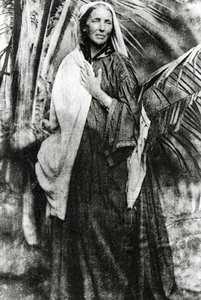
Marianne North
1830 - 1890 , Vereinigtes Königreich
Kurzinfos
- Bemerkenswerte Werke:
- Foliage, Flowers and Fruit...
- Elephants
- Exotic Fish
- Leaf Insect
- Geburtsdatum: 24. Oktober 1830
- Geburtsort: Hastings, Vereinigtes Königreich
- Künstlerische Richtung: Botanische Kunst, Naturalismus
- Nationalität: Britisch
- Sterbedatum: 30. August 1890
- Vollständiger Name: Marianne North
Ähnliche Artikel
Marianne North: Die 25 schönsten Blumenmalereien der viktorianischen Reisenden | ArtsDot
Entdecken Sie die 25 schönsten Werke der viktorianischen Blumenmalerin Marianne North! Erleben Sie ihre exotischen Reisebilder & botanischen Illustrationen. Hochwertige Kunst Reproduktionen für Ihr Zuhause auf ArtsDot.com.
Öl auf Holz: 10 Meisterwerke, die Kunstgeschichte veränderten |
Entdecken Sie die 10 legendärsten Gemälde auf Holz – von Renaissance bis Impressionismus! Erfahren Sie die Geschichten der Künstler & ihre Meisterwerke. Hochwertige Reproduktionen bei .
Oil on Panel: A Historical Survey of Technique, Support & Aesthetic Evolution
Explore the rich history of oil on panel painting! Discover Renaissance techniques, support structures & aesthetic evolution. Expert insights for art collectors and enthusiasts.
The Flourishing Canvas: A Historical Journey Through Botanical Illustration
Explore the captivating history of botanical illustration! Discover renowned artists like Robert Havell & Mary Walcott, learn about techniques, and find museum-quality art at ArtsDot.com.
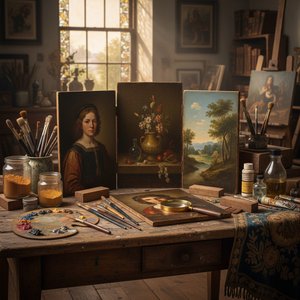
Öl auf Holz: Eine historische Untersuchung von Technik, Trägermaterial und ästhetischer Wirkung
Entdecken Sie die faszinierende Welt der Ölmalerei auf Holz! Expertenwissen zu Technik, Geschichte und Restaurierung von Meisterwerken. Für Kunstliebhaber & Sammler.