 Vorschau anzeigen
 Versenden
 Teilen
 Details anzeigen

 Herunterladen
 Ähnliche Objekte
 Röntgenaufnahme
 Diashow
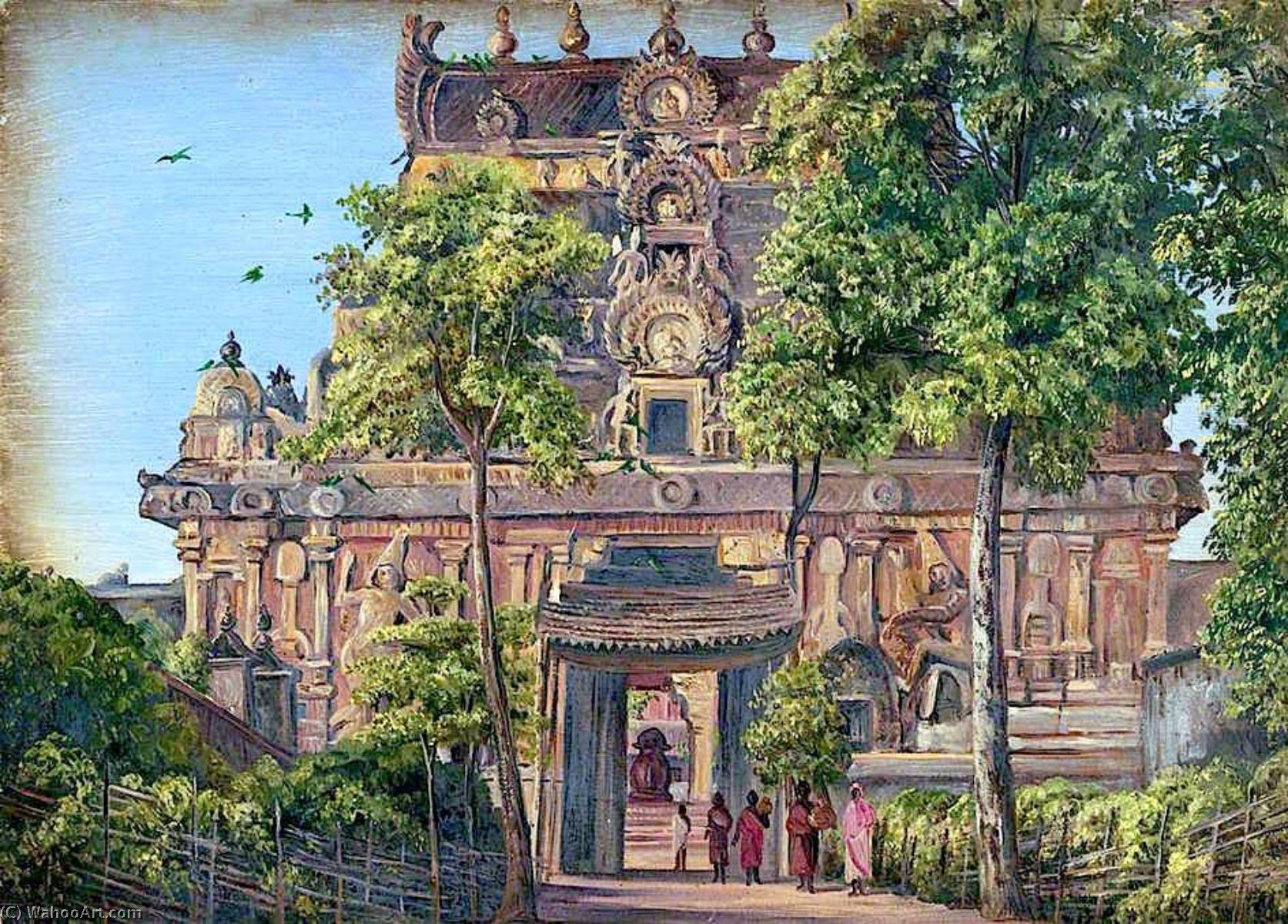
Gate of the Temple of Tanjore (Thanjavur) with the Great Bull Seen through Doorway, Tamil Nadu, Indi


 Weiterlesen
Handgefertigte Ölreproduktion
Handgemaltes Ölgemälde auf Leinwand in Ihrer Wunschgröße und mit Rahmen, auf Bestellung von unseren Künstlern angefertigt. ( Druck bestellen Bild kaufen)




P118B $10

P118H $10

P118W $10

P438Z $10

P508JH $12

P508YH $12

P805H $10

P805Z $10

P919BZ $10

P919G $10

P919XJ $10

P959ZH $10

P968JZ $12

W106C $8

W218G $10

W218JH $8

W218Y $10

W307PJ $10

W316G $10

W316PJ $8

W316Y $10

W398PJ $8

W4111J $10

W500HY $15

W500JH $15

W692G $12

W849H $8

W940BG $15

W953PJ $8




Wählen Sie aus unseren vordefinierten Formaten, die den ursprünglichen Proportionen des Kunstwerks entsprechen.

Sie können Ihre eigenen Maße eingeben, um einen bestimmten Rahmen oder Platz auszufüllen. Wenn die gewählte Größe nicht den Proportionen des Originalbildes entspricht, werden wir das Kunstwerk entweder beschneiden oder das Gemälde durch zusätzliche, handgemalte Elemente erweitern. Ein digitales Mockup wird Ihnen zur Genehmigung zugesandt, bevor die Produktion beginnt.
Bitte beachten Sie, dass die Bildschirmvorschau nicht die tatsächliche Beschneidung oder Erweiterung widerspiegelt. Nur das Mockup zeigt die endgültige Komposition exakt an.
Obwohl Sondermaße verfügbar sind, empfehlen wir, eine Größe aus der vordefinierten Liste zu wählen, um die ursprünglichen Proportionen beizubehalten.
Nach der Bestellung wird das ArtsDot.com-Team dem Kunden Anweisungen per E-Mail zusenden und eine Mockup-Vorschau bereitstellen.
Weltweiter Versand () in nur 3 bis 4 Wochen statt der üblichen 5 Wochen. (3 September). Keine Kompromisse bei der Qualität.

Kostenloser weltweiter Expressversand

Hochwertige Leinenleinwand

Umfassender Versicherungsschutz beim Versand

Zollgebühren-Rückerstattungsgarantie

Garantie für exakte Farbtreue

60 Tage Rückgaberecht (nur bei Mängeln)

100% Geld-zurück-Garantie

Mengenrabatt verfügbar
 Die Glasoption ist nur für Größen unter 110 cm verfügbar.

Gate of the Temple of Tanjore (Thanjavur) with the Great Bull Seen through Doorway, Tamil Nadu, Indi
Art der Reproduktion
Format der Reproduktion
-


Gesamtpreis
$ 263
A Window into Devotion: The Spirit of Tanjore
In the vibrant tapestry of nineteenth-century botanical and landscape art, few works capture the intersection of sacred architecture and living breath as poignantly as Marianne North’s Gate of the Temple of Tanjore. Painted in 1877, this masterpiece serves as more than a mere topographical record; it is an immersive portal into the heart of Tamil Nadu. Through the heavy, ornate threshold of the temple gate, the viewer is invited to witness a moment of profound stillness amidst the bustle of Indian life. The focal point—a magnificent Great Bull, likely Nandi, standing sentinel near the temple entrance—commands the composition with a quiet, primordial dignity. North’s ability to frame this scene through a doorway creates a sense of voyeuristic discovery, as if the viewer has just stumbled upon a sacred secret hidden within the shadows of the stone architecture.
The painting breathes with the energy of a living ecosystem. Beyond the immediate presence of the bull, North populates her canvas with the rhythmic movement of daily life; figures drift through the courtyard, their smallness emphasizing the monumental scale of the temple structures and the timelessness of the landscape. The inclusion of delicate avian details—a bird perched high in the periphery and another near the ground—adds a layer of naturalistic complexity that was North's hallmark. This interplay between the man-made grandeur of the Tanjore architecture and the spontaneous vitality of the flora and fauna creates a balanced, harmonious composition that feels both epic and intimate.
The Mastery of a Victorian Explorer
To understand the technical brilliance of this work, one must consider the intrepid life of its creator. Marianne North was not a typical Victorian lady of leisure; she was a self-taught botanical artist and global adventurer who traversed continents to document the world's flora. This painting reflects her unique technique, which blended scientific observation with an emotive, painterly flair. Her use of color is particularly striking, utilizing rich, earthy tones to ground the temple architecture while employing brighter, more luminous pigments to capture the sunlight filtering through the trees and the textures of the animals.
The brushwork possesses a fluid, organic quality that avoids the rigid stiffness often found in academic landscapes of the era. Instead, North employs a layered approach that builds depth, allowing the lush greenery of the Indian backdrop to recede naturally behind the sharp, detailed lines of the temple gate and the clock tower. For collectors and interior designers, this piece offers a sophisticated textural element; it provides a sense of historical weight and global connection, making it an ideal centerpiece for spaces that celebrate travel, heritage, or the intersection of nature and culture.
An Eternal Legacy for the Discerning Collector
Owning a reproduction of such a significant work is an opportunity to bring a piece of history into the modern home. The Gate of the Temple of Tanjore transcends simple decoration; it acts as a conversation piece that evokes themes of resilience, spirituality, and the enduring beauty of the natural world. The emotional impact of the painting lies in its ability to transport the observer—moving them from the contemporary room into the warm, sun-drenched atmosphere of 1870s India.
For those seeking to curate an environment of inspiration, this artwork offers a unique blend of botanical accuracy and romantic narrative. Whether placed in a grand library or a serene study, the painting’s rich palette and complex storytelling provide a window into a vanished era of exploration. It remains a testament to North's extraordinary vision: a vision that saw the divine not just in the stone of temples, but in the very breath of the creatures and plants that inhabit the earth.
Ähnliche Kunstwerke
Über den Künstler
Marianne North: Ein Leben in Botanischer Kunst
Frühes Leben und Ausbildung
- Marianne North, geboren am 24. Oktober 1830 in Hastings, Vereinigtes Königreich, war die älteste Tochter einer wohlhabenden Landbesitzerfamilie.
- Ihr frühes Leben umfasste eine Gesangsausbildung bei Charlotte Helen Sainton-Dolby. Ihre Gesangsbeschäftigungen wurden jedoch durch Krankheit eingeschränkt.
- Nach diesem Rückschlag wandte sie sich der Malerei von Blumen zu, die dann zur bestimmenden Leidenschaft und dem Fokus ihres Lebenswerdegangs wurde.
Umfassende Reisen und botanische Entdeckungen
- Marianne North unternahm umfangreiche Reisen um die Welt, beginnend in ihren 40ern – ein bemerkenswert unabhängiges Unterfangen für eine Frau des viktorianischen Zeitalters.
- Ihre Reisen führten sie nach Syrien, dem Nil, Sizilien, Kanada, den Vereinigten Staaten, Jamaika, Brasilien, Teneriffa, Kalifornien, Japan, Borneo, Java, Ceylon (Sri Lanka), Indien, Australien und Neuseeland.
- Diese Reisen waren nicht nur Sightseeing; sie dokumentierten die Flora jeder Region detailliert durch botanische Gemälde.
- Sie entdeckte während ihrer Expeditionen zahlreiche Pflanzenarten und trug somit erheblich zum botanischen Wissen bei.
Künstlerischer Stil und Entwicklung
- Norths künstlerischer Stil ist durch seine detaillierte Realismus und lebendige Farbpalette gekennzeichnet.
- Sie arbeitete hauptsächlich in Ölfarben und schuf Gemälde, die den Wesenszug der exotischen Pflanzen und Landschaften mit bemerkenswerter Genauigkeit erfassten.
- Ihr Ansatz war größtenteils autodidaktisch; sie entwickelte ihre Fähigkeiten durch Beobachtung und Übung während ihrer Reisen.
- Obwohl sie nicht einer bestimmten Kunstrichtung angehören konnte, spiegeln ihre Werke Elemente des viktorianischen Naturalismus und der wissenschaftlichen Illustration wider.
Bekannte Werke und die Kew-Galerie
- Zu ihren bekanntesten Werken gehören Foliage, Flowers and Fruit of the Cashew, Tanjore, India, Elephants, Exotic Fish und Leaf Insect.
- Um die Bedeutung ihrer Sammlung zu würdigen, schenkte Marianne North rund 800 Gemälde an den Royal Botanic Gardens, Kew.
- Im Jahr 1882 wurde eine spezielle Galerie in Kew errichtet, um ihre Werke auszustellen – die Marianne North Gallery. Diese ist bis heute ein beliebtes Ausstellungsstück.
Vermächtnis und historische Bedeutung
- Marianne North stellte konventionelle viktorianische Erwartungen für Frauen in Frage, indem sie eine unabhängige Reise und eine professionelle künstlerische Karriere verfolgte.
- Ihre Gemälde liefern wertvolle Dokumentationen des Pflanzenleibs aus der ganzen Welt im 19. Jahrhundert und dienen sowohl als Kunstwerk als auch als wissenschaftliche Aufzeichnung.
- Die Restaurierung der Marianne North Gallery in Kew im Jahr 2008 unterstrich ihr bleibendes Vermächtnis und ihren Beitrag zur Botanik und Kunst.
- Sie wird als Pionierin der botanischen Kunst und eine abenteuerlustige Seele remembered, die gesellschaftliche Normen zu überwinden wagte, um ihren Leidenschaften nachzugehen.
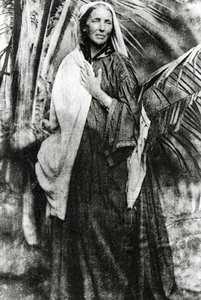
Marianne North
1830 - 1890 , Vereinigtes Königreich
Kurzinfos
- Bemerkenswerte Werke:
- Foliage, Flowers and Fruit...
- Elephants
- Exotic Fish
- Leaf Insect
- Geburtsdatum: 24. Oktober 1830
- Geburtsort: Hastings, Vereinigtes Königreich
- Künstlerische Richtung: Botanische Kunst, Naturalismus
- Nationalität: Britisch
- Sterbedatum: 30. August 1890
- Vollständiger Name: Marianne North
Ähnliche Artikel

Die 10 legendärsten Aquarellwerke der Kunstgeschichte – Meisterwerke für Ihr Zuhause
Entdecken Sie die 10 legendärsten Aquarellwerke der Kunstgeschichte! Von Turner bis Monet – erleben Sie die Geschichten, Techniken & Farben dieser Meisterwerke. Finden Sie hochwertige Kunstdrucke auf ArtsDot.com und gestalten Sie Ihr Zuhause mit zeitloser Eleganz.

Ephemeral Visions: Exploring the Artistic Legacy & Contemporary Practice of Watercolor Painting
Explore the captivating world of watercolor painting! Discover its rich history, essential techniques, influential artists & collecting tips. A comprehensive guide for art enthusiasts from ArtsDot.
Flüchtige Visionen: Die Geschichte und emotionale Resonanz der Aquarellmalerei
Entdecken Sie die faszinierende Welt der Aquarellmalerei! Von historischen Ursprüngen bis zu modernen Techniken – wir bieten Expertenwissen, Inspiration und Tipps für Anfänger & Fortgeschrittene.
Ephemeral Visions: Exploring the Artistic Legacy & Nuances of Watercolor Painting
Explore the captivating world of watercolor painting! Discover its rich history, essential techniques, influential artists & collecting tips from art experts. A comprehensive guide for enthusiasts.
Marianne North: Die 25 schönsten Blumenmalereien der viktorianischen Reisenden | ArtsDot
Entdecken Sie die 25 schönsten Werke der viktorianischen Blumenmalerin Marianne North! Erleben Sie ihre exotischen Reisebilder & botanischen Illustrationen. Hochwertige Kunst Reproduktionen für Ihr Zuhause auf ArtsDot.com.