 Vorschau anzeigen
 Versenden
 Teilen
 Details anzeigen

 Herunterladen
 Ähnliche Objekte
 Röntgenaufnahme
 Diashow
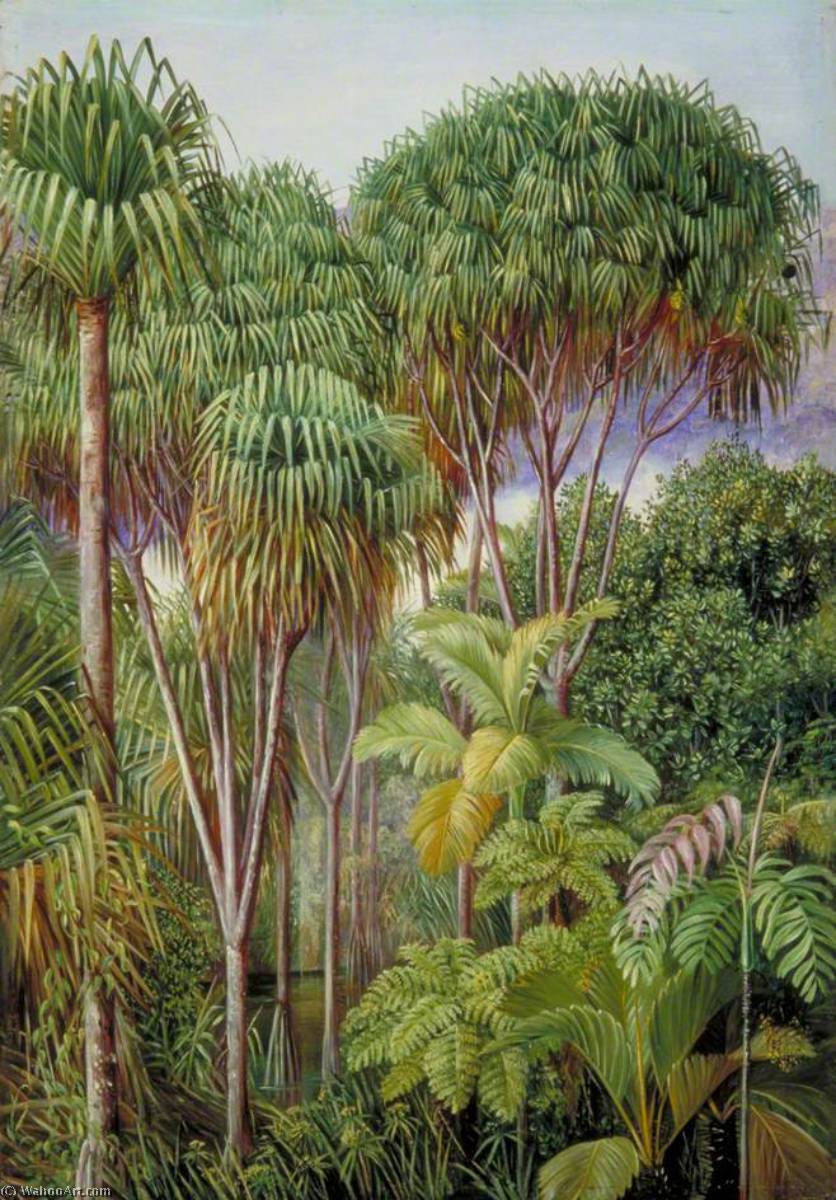
Schraubenbäume, Palmen, Baumfarne und Zimtbäume auf den Hügeln von Mahé
 Öl auf Leinwand
- Wandkunst
- Viktorianische botanische Malerei
 1883
1883- Moderne
 51.0 x 35.0 cm
 Marianne North Galerie
 Weiterlesen
Giclée / Kunstdruck
Giclée- oder Leinwanddruck in Museumsqualität mit schneller Produktion und flexiblen Veredelungsoptionen. ( Handgemalte Reproduktion bestellen Bild kaufen)




P118B $10

P118H $10

P118W $10

P438Z $10

P508JH $12

P508YH $12

P805H $10

P805Z $10

P919BZ $10

P919G $10

P919XJ $10

P959ZH $10

P968JZ $12

W106C $8

W218G $10

W218JH $8

W218Y $10

W307PJ $10

W316G $10

W316PJ $8

W316Y $10

W398PJ $8

W4111J $10

W500HY $15

W500JH $15

W692G $12

W849H $8

W940BG $15

W953PJ $8




Wählen Sie aus unseren vordefinierten Formaten, die den ursprünglichen Proportionen des Kunstwerks entsprechen.

Sie können Ihre eigenen Maße eingeben, um ein bestimmtes Format oder einen speziellen Platz einzupassen. Wenn das von Ihnen gewählte Format nicht den Proportionen des Originalbildes entspricht, werden wir das Kunstwerk entweder beschneiden oder das Bild mit einem gespiegelten oder einfarbigen Rand erweitern. Ein digitaler Entwurf wird Ihnen zur Genehmigung zugesandt, bevor die Produktion beginnt.
Bitte beachten Sie, dass die Vorschau auf dem Bildschirm nicht den tatsächlichen Zuschnitt oder die Erweiterung widerspiegelt. Nur der Entwurf zeigt die endgültige Komposition präzise an.
Obwohl Sondermaße verfügbar sind, empfehlen wir die Auswahl eines Maßes aus der vordefinierten Liste, um die ursprünglichen Proportionen zu bewahren.
Weltweiter Versand () innerhalb von 2 Wochen statt der üblichen 4/5 Wochen. (25 August)

Kostenloser weltweiter Expressversand

Hochwertige Leinenleinwand

Umfassender Versicherungsschutz beim Versand

Zollgebühren-Rückerstattungsgarantie

Garantie für exakte Farbtreue

60 Tage Rückgaberecht (nur bei Mängeln)

100% Geld-zurück-Garantie

Mengenrabatt verfügbar
 Die Glasoption ist nur für Größen unter 110 cm verfügbar.

Schraubenbäume, Palmen, Baumfarne und Zimtbäume auf den Hügeln von Mahé
Giclée / Kunstdruck
Format der Reproduktion
-


Gesamtpreis
$ 62
Sammlerstück-Beschreibung
A Symphony of Tropical Flora: Marianne North’s “Screw Pines, Palms, Tree Ferns and Cinnamon Trees on the Hills of Mahé”
Marianne North's "Screw Pines, Palms, Tree Ferns and Cinnamon Trees on the Hills of Mahé" isn’t merely a painting; it’s an immersive journey into the heart of the Seychelles archipelago. Completed in 1883, this vibrant oil-on-board work transcends simple botanical illustration, becoming a testament to North's relentless curiosity, her pioneering spirit as a female explorer and artist, and her profound connection with the natural world. The canvas explodes with life – a riot of emerald greens, sun-drenched yellows, and the rich browns of ancient wood – capturing not just the appearance of these iconic islands but also their very essence.
North’s approach to painting was revolutionary for its time. Rejecting the prevailing academic style, she embraced a directness and immediacy rarely seen in botanical art. She eschewed meticulous detail in favor of capturing the *feeling* of a place – the dappled sunlight filtering through dense foliage, the humid air thick with scent, the vibrant energy of life teeming within the landscape. This is evident in her loose brushstrokes, the bold application of color, and the slightly blurred edges that suggest movement and atmosphere. She worked directly on location, often setting up a makeshift studio amidst the very plants she depicted, ensuring an unparalleled level of accuracy and freshness.
The Explorer’s Eye: Context and Journey
Marianne North was far more than just a painter; she was a dedicated botanist and intrepid traveler. Driven by a desire to document the world's flora, she embarked on a series of extraordinary expeditions throughout her life – from the steamy jungles of Brazil to the rugged mountains of India, and finally, to the Seychelles. Her travels were not undertaken for fame or fortune but fueled by an unwavering passion for discovery and a commitment to sharing her knowledge with the world. This painting is a direct result of that journey, capturing a specific moment in time on Mahé, the largest island of the group.
The Seychelles, at this point in history, were relatively unexplored by Western artists. North’s work provided an invaluable visual record of their unique ecosystem – a landscape dominated by towering palm trees, ancient screw pines (a species endemic to the islands), and lush cinnamon groves. Her meticulous observations not only documented these plants but also contributed significantly to botanical science, with many of her discoveries later formally recognized.
Symbolism and Emotional Resonance
Beyond its scientific value, “Screw Pines, Palms, Tree Ferns and Cinnamon Trees on the Hills of Mahé” is rich in symbolic meaning. The vibrant colors evoke a sense of tropical paradise – a place of exotic beauty, abundance, and untamed wilderness. The towering trees represent strength, resilience, and the enduring power of nature. The screw pines, with their distinctive spiraling trunks, are particularly striking, embodying the unique character of the Seychelles.
Furthermore, the painting reflects North’s own personal journey – her independence, her adventurous spirit, and her deep appreciation for the natural world. It's a celebration of life in all its forms, a testament to the beauty that can be found when one dares to venture beyond the familiar. The slightly hazy atmosphere creates a sense of mystery and invites the viewer to lose themselves within the scene, experiencing the same feeling of wonder that North must have felt as she painted it.
A Timeless Masterpiece: Reproduction and Legacy
Today, “Screw Pines, Palms, Tree Ferns and Cinnamon Trees on the Hills of Mahé” stands as a remarkable example of Victorian botanical art. Reproductions offer an accessible way to bring this stunning landscape into your home or office, allowing you to appreciate North’s artistry and her extraordinary life's work. When selecting a reproduction, consider the quality of materials – a fine-art print on archival paper will ensure that the colors remain vibrant for generations to come.
More than just a beautiful image, this painting represents a pivotal moment in botanical illustration and the story of a remarkable woman who defied societal expectations to pursue her passions. It’s an invitation to reconnect with nature, to appreciate its beauty, and to celebrate the spirit of exploration and discovery.
Ähnliche Kunstwerke
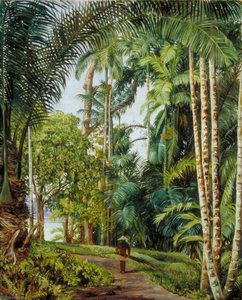
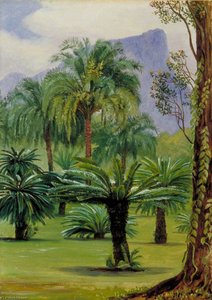
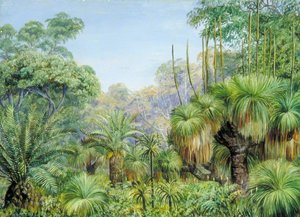
Über den Künstler
Marianne North: Ein Leben in Botanischer Kunst
Frühes Leben und Ausbildung
- Marianne North, geboren am 24. Oktober 1830 in Hastings, Vereinigtes Königreich, war die älteste Tochter einer wohlhabenden Landbesitzerfamilie.
- Ihr frühes Leben umfasste eine Gesangsausbildung bei Charlotte Helen Sainton-Dolby. Ihre Gesangsbeschäftigungen wurden jedoch durch Krankheit eingeschränkt.
- Nach diesem Rückschlag wandte sie sich der Malerei von Blumen zu, die dann zur bestimmenden Leidenschaft und dem Fokus ihres Lebenswerdegangs wurde.
Umfassende Reisen und botanische Entdeckungen
- Marianne North unternahm umfangreiche Reisen um die Welt, beginnend in ihren 40ern – ein bemerkenswert unabhängiges Unterfangen für eine Frau des viktorianischen Zeitalters.
- Ihre Reisen führten sie nach Syrien, dem Nil, Sizilien, Kanada, den Vereinigten Staaten, Jamaika, Brasilien, Teneriffa, Kalifornien, Japan, Borneo, Java, Ceylon (Sri Lanka), Indien, Australien und Neuseeland.
- Diese Reisen waren nicht nur Sightseeing; sie dokumentierten die Flora jeder Region detailliert durch botanische Gemälde.
- Sie entdeckte während ihrer Expeditionen zahlreiche Pflanzenarten und trug somit erheblich zum botanischen Wissen bei.
Künstlerischer Stil und Entwicklung
- Norths künstlerischer Stil ist durch seine detaillierte Realismus und lebendige Farbpalette gekennzeichnet.
- Sie arbeitete hauptsächlich in Ölfarben und schuf Gemälde, die den Wesenszug der exotischen Pflanzen und Landschaften mit bemerkenswerter Genauigkeit erfassten.
- Ihr Ansatz war größtenteils autodidaktisch; sie entwickelte ihre Fähigkeiten durch Beobachtung und Übung während ihrer Reisen.
- Obwohl sie nicht einer bestimmten Kunstrichtung angehören konnte, spiegeln ihre Werke Elemente des viktorianischen Naturalismus und der wissenschaftlichen Illustration wider.
Bekannte Werke und die Kew-Galerie
- Zu ihren bekanntesten Werken gehören Foliage, Flowers and Fruit of the Cashew, Tanjore, India, Elephants, Exotic Fish und Leaf Insect.
- Um die Bedeutung ihrer Sammlung zu würdigen, schenkte Marianne North rund 800 Gemälde an den Royal Botanic Gardens, Kew.
- Im Jahr 1882 wurde eine spezielle Galerie in Kew errichtet, um ihre Werke auszustellen – die Marianne North Gallery. Diese ist bis heute ein beliebtes Ausstellungsstück.
Vermächtnis und historische Bedeutung
- Marianne North stellte konventionelle viktorianische Erwartungen für Frauen in Frage, indem sie eine unabhängige Reise und eine professionelle künstlerische Karriere verfolgte.
- Ihre Gemälde liefern wertvolle Dokumentationen des Pflanzenleibs aus der ganzen Welt im 19. Jahrhundert und dienen sowohl als Kunstwerk als auch als wissenschaftliche Aufzeichnung.
- Die Restaurierung der Marianne North Gallery in Kew im Jahr 2008 unterstrich ihr bleibendes Vermächtnis und ihren Beitrag zur Botanik und Kunst.
- Sie wird als Pionierin der botanischen Kunst und eine abenteuerlustige Seele remembered, die gesellschaftliche Normen zu überwinden wagte, um ihren Leidenschaften nachzugehen.
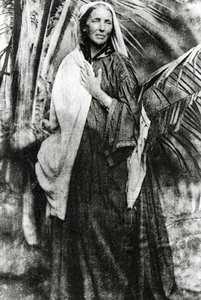
Marianne North
1830 - 1890 , Vereinigtes Königreich
Kurzinfos
- Bemerkenswerte Werke:
- Foliage, Flowers and Fruit...
- Elephants
- Exotic Fish
- Leaf Insect
- Geburtsdatum: 24. Oktober 1830
- Geburtsort: Hastings, Vereinigtes Königreich
- Künstlerische Richtung: Botanische Kunst, Naturalismus
- Nationalität: Britisch
- Sterbedatum: 30. August 1890
- Vollständiger Name: Marianne North
Ähnliche Artikel
Marianne North: Die 25 schönsten Blumenmalereien der viktorianischen Reisenden | ArtsDot
Entdecken Sie die 25 schönsten Werke der viktorianischen Blumenmalerin Marianne North! Erleben Sie ihre exotischen Reisebilder & botanischen Illustrationen. Hochwertige Kunst Reproduktionen für Ihr Zuhause auf ArtsDot.com.
The Flourishing Canvas: A Historical Journey Through Botanical Illustration
Explore the captivating history of botanical illustration! Discover renowned artists like Robert Havell & Mary Walcott, learn about techniques, and find museum-quality art at ArtsDot.com.
The Flourishing Canvas: A Historical Journey Through Botanical Illustration
Explore the captivating history of botanical illustration! Discover renowned artists like Robert Havell & Mary Walcott, learn about techniques, and find museum-quality art at ArtsDot.com.
Victorian Botanical Painting: Science, Art & Aesthetic Sensibility
Explore the exquisite world of Victorian botanical art! Discover the science & artistry behind stunning floral illustrations by Gould, Muckley & more. Learn about collecting, value & investment at ArtsDot.
The Flourishing Canvas: A Historical & Artistic Exploration of Botanical Illustration
Explore the rich history of botanical illustration! Discover key artists like Havell & Barraband, learn about scientific accuracy & aesthetic beauty. Shop museum-quality reproductions at ArtsDot.