 Vorschau anzeigen
 Versenden
 Teilen
 Details anzeigen

 Herunterladen
 Ähnliche Objekte
 Röntgenaufnahme
 Diashow
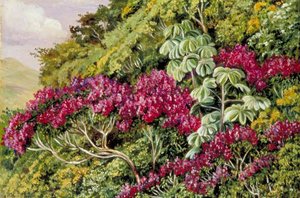
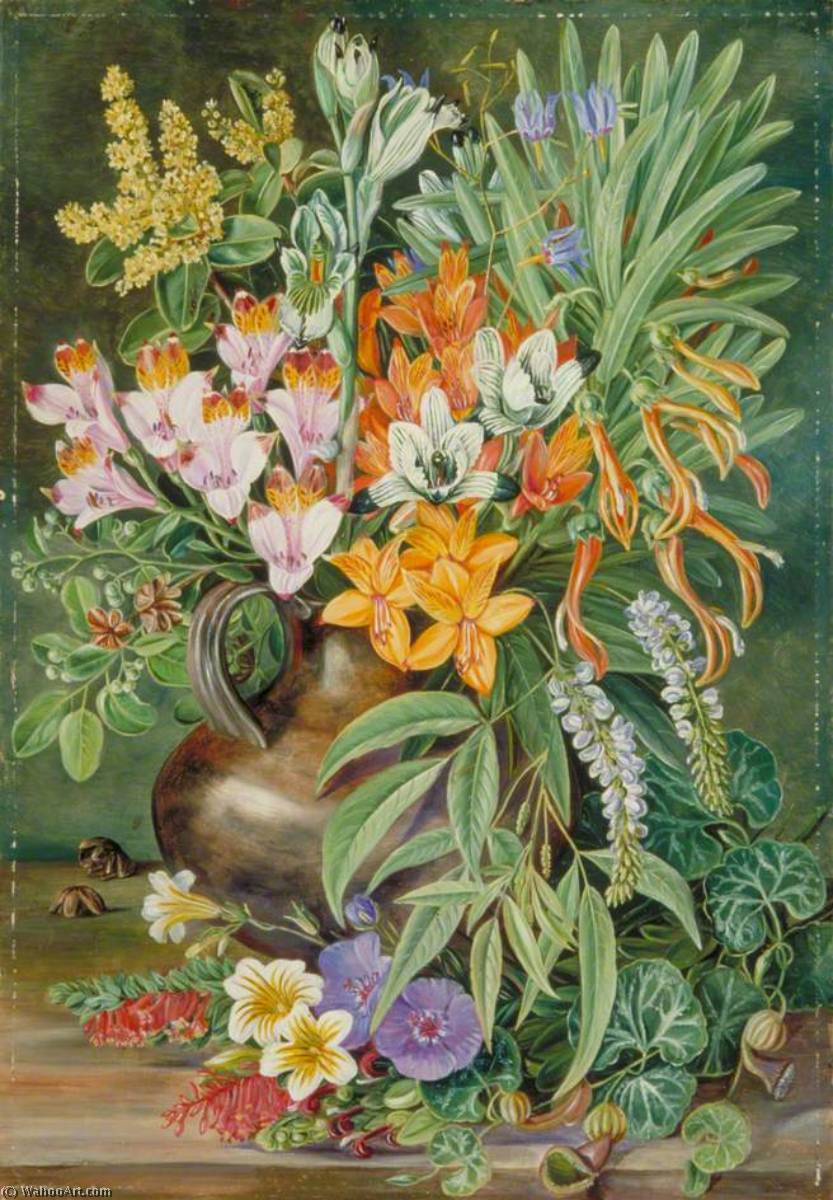
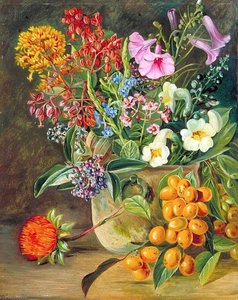
Some Wild Flowers of Quilpué, Chili


 Weiterlesen
Handgefertigte Ölreproduktion
Handgemaltes Ölgemälde auf Leinwand in Ihrer Wunschgröße und mit Rahmen, auf Bestellung von unseren Künstlern angefertigt. ( Druck bestellen Bild kaufen)




P118B $10

P118H $10

P118W $10

P438Z $10

P508JH $12

P508YH $12

P805H $10

P805Z $10

P919BZ $10

P919G $10

P919XJ $10

P959ZH $10

P968JZ $12

W106C $8

W218G $10

W218JH $8

W218Y $10

W307PJ $10

W316G $10

W316PJ $8

W316Y $10

W398PJ $8

W4111J $10

W500HY $15

W500JH $15

W692G $12

W849H $8

W940BG $15

W953PJ $8




Wählen Sie aus unseren vordefinierten Formaten, die den ursprünglichen Proportionen des Kunstwerks entsprechen.

Sie können Ihre eigenen Maße eingeben, um einen bestimmten Rahmen oder Platz auszufüllen. Wenn die gewählte Größe nicht den Proportionen des Originalbildes entspricht, werden wir das Kunstwerk entweder beschneiden oder das Gemälde durch zusätzliche, handgemalte Elemente erweitern. Ein digitales Mockup wird Ihnen zur Genehmigung zugesandt, bevor die Produktion beginnt.
Bitte beachten Sie, dass die Bildschirmvorschau nicht die tatsächliche Beschneidung oder Erweiterung widerspiegelt. Nur das Mockup zeigt die endgültige Komposition exakt an.
Obwohl Sondermaße verfügbar sind, empfehlen wir, eine Größe aus der vordefinierten Liste zu wählen, um die ursprünglichen Proportionen beizubehalten.
Nach der Bestellung wird das ArtsDot.com-Team dem Kunden Anweisungen per E-Mail zusenden und eine Mockup-Vorschau bereitstellen.
Weltweiter Versand () in nur 3 bis 4 Wochen statt der üblichen 5 Wochen. (29 August). Keine Kompromisse bei der Qualität.

Kostenloser weltweiter Expressversand

Hochwertige Leinenleinwand

Umfassender Versicherungsschutz beim Versand

Zollgebühren-Rückerstattungsgarantie

Garantie für exakte Farbtreue

60 Tage Rückgaberecht (nur bei Mängeln)

100% Geld-zurück-Garantie

Mengenrabatt verfügbar
 Die Glasoption ist nur für Größen unter 110 cm verfügbar.

Some Wild Flowers of Quilpué, Chili
Art der Reproduktion
Format der Reproduktion
-


Gesamtpreis
$ 263
Marianne North: A Pioneer of Botanical Art
Marianne North (1830-1890) wasn’t merely an artist; she was a fearless explorer, driven by an unwavering passion for documenting the astonishing beauty and diversity of the natural world. Born into privilege in Hastings, England, her early life seemed destined for musical pursuits—a path swiftly redirected by illness towards the meticulous craft of flower painting – a transformative decision that propelled her onto a remarkable journey unlike many women of her era. Her story resonates with resilience, independence, and an unparalleled connection to flora, cementing her legacy as one of Victorian Britain’s most celebrated botanical artists.- Early Life & Education: Despite initial aspirations for music, North's health steered her towards a fascination with botany fostered by her father’s acquaintance with Joseph Dalton Hooker, director of Kew Gardens. This formative influence would shape the trajectory of her artistic endeavors and intellectual pursuits.
- The Explorer’s Spirit: Beginning in 1871, North embarked on an ambitious expedition traversing continents – Canada, Jamaica, Brazil, Japan, Borneo, India, Australia, and New Zealand – fueled by self-funding and a resolute determination to translate her artistic vision into tangible observation.
- A Unique Artistic Style: Unlike many artists of her time, North eschewed formal training, yet her paintings embody elements of Victorian naturalism, characterized by breathtaking realism and luminous color palettes. She achieved depth and texture through masterful brushstrokes capturing not just the form but also the atmosphere of each location.
- Kew Gardens Legacy: Her generous offer to donate her extensive collection of over 800 oil paintings to Kew Gardens resulted in the creation of a stunning gallery—a testament to her vision and a lasting contribution to botanical art history.
Some Wild Flowers of Quilpué, Chili: A Detailed Examination
“Some Wild Flowers of Quilpué,” painted circa 1880, exemplifies North’s unparalleled skill in capturing the essence of exotic flora with meticulous detail. Executed in oil on canvas, this artwork presents an abundant arrangement of flowers and foliage overflowing from a dark ceramic vase—a composition vertically oriented that emphasizes height and density. The muted green background serves as a subtle counterpoint to the vibrant hues of the floral subjects, skillfully illuminated by soft, diffused light which highlights textural nuances. Lines are predominantly organic, mirroring the curves and contours of blossoms and leaves, contributing to an overall impression of naturalistic beauty.- Composition & Perspective: The flattened perspective typical of still life painting lends itself to a contemplative gaze, inviting viewers to appreciate the intricate patterns and colors found within nature’s tapestry.
- Technique & Materials: North employed fine brushes and oil paints—a deliberate choice reflecting her commitment to scientific accuracy alongside artistic expression—resulting in remarkable textural detail. The velvety softness of some blooms contrasts with the rough surface of others, demonstrating a profound understanding of botanical materiality.
- Symbolism & Emotion: Beyond mere representation, “Some Wild Flowers of Quilpué” evokes themes of abundance, growth, and fleeting beauty – sentiments deeply rooted in Victorian sensibilities and reflecting North’s own appreciation for the ephemeral wonders of the natural world.
Influence & Context: Echoes of Dutch Still Life Tradition
North's artistic style draws inspiration from 18th-century Dutch still life painting, prioritizing realism and painstaking rendering—a stylistic choice that underscores her dedication to preserving botanical specimens with unwavering precision. Her work stands apart from prevailing trends of the era, championing an independent path driven by scientific curiosity and artistic passion. The meticulous attention to detail—evident in every brushstroke—mirrors the legacy of Dutch masters who sought to capture the sublime beauty of God’s creation through masterful technique. Marianne North's enduring contribution to botanical art continues to inspire artists and collectors alike, securing her place as a visionary figure within Victorian history.Ähnliche Kunstwerke
Über den Künstler
Marianne North: Ein Leben in Botanischer Kunst
Frühes Leben und Ausbildung
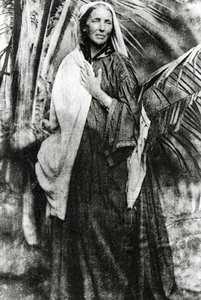
- Marianne North, geboren am 24. Oktober 1830 in Hastings, Vereinigtes Königreich, war die älteste Tochter einer wohlhabenden Landbesitzerfamilie.
- Ihr frühes Leben umfasste eine Gesangsausbildung bei Charlotte Helen Sainton-Dolby. Ihre Gesangsbeschäftigungen wurden jedoch durch Krankheit eingeschränkt.
- Nach diesem Rückschlag wandte sie sich der Malerei von Blumen zu, die dann zur bestimmenden Leidenschaft und dem Fokus ihres Lebenswerdegangs wurde.
Umfassende Reisen und botanische Entdeckungen
- Marianne North unternahm umfangreiche Reisen um die Welt, beginnend in ihren 40ern – ein bemerkenswert unabhängiges Unterfangen für eine Frau des viktorianischen Zeitalters.
- Ihre Reisen führten sie nach Syrien, dem Nil, Sizilien, Kanada, den Vereinigten Staaten, Jamaika, Brasilien, Teneriffa, Kalifornien, Japan, Borneo, Java, Ceylon (Sri Lanka), Indien, Australien und Neuseeland.
- Diese Reisen waren nicht nur Sightseeing; sie dokumentierten die Flora jeder Region detailliert durch botanische Gemälde.
- Sie entdeckte während ihrer Expeditionen zahlreiche Pflanzenarten und trug somit erheblich zum botanischen Wissen bei.
Künstlerischer Stil und Entwicklung
- Norths künstlerischer Stil ist durch seine detaillierte Realismus und lebendige Farbpalette gekennzeichnet.
- Sie arbeitete hauptsächlich in Ölfarben und schuf Gemälde, die den Wesenszug der exotischen Pflanzen und Landschaften mit bemerkenswerter Genauigkeit erfassten.
- Ihr Ansatz war größtenteils autodidaktisch; sie entwickelte ihre Fähigkeiten durch Beobachtung und Übung während ihrer Reisen.
- Obwohl sie nicht einer bestimmten Kunstrichtung angehören konnte, spiegeln ihre Werke Elemente des viktorianischen Naturalismus und der wissenschaftlichen Illustration wider.
Bekannte Werke und die Kew-Galerie
- Zu ihren bekanntesten Werken gehören Foliage, Flowers and Fruit of the Cashew, Tanjore, India, Elephants, Exotic Fish und Leaf Insect.
- Um die Bedeutung ihrer Sammlung zu würdigen, schenkte Marianne North rund 800 Gemälde an den Royal Botanic Gardens, Kew.
- Im Jahr 1882 wurde eine spezielle Galerie in Kew errichtet, um ihre Werke auszustellen – die Marianne North Gallery. Diese ist bis heute ein beliebtes Ausstellungsstück.
Vermächtnis und historische Bedeutung
- Marianne North stellte konventionelle viktorianische Erwartungen für Frauen in Frage, indem sie eine unabhängige Reise und eine professionelle künstlerische Karriere verfolgte.
- Ihre Gemälde liefern wertvolle Dokumentationen des Pflanzenleibs aus der ganzen Welt im 19. Jahrhundert und dienen sowohl als Kunstwerk als auch als wissenschaftliche Aufzeichnung.
- Die Restaurierung der Marianne North Gallery in Kew im Jahr 2008 unterstrich ihr bleibendes Vermächtnis und ihren Beitrag zur Botanik und Kunst.
- Sie wird als Pionierin der botanischen Kunst und eine abenteuerlustige Seele remembered, die gesellschaftliche Normen zu überwinden wagte, um ihren Leidenschaften nachzugehen.
Marianne North
1830 - 1890 , Vereinigtes Königreich
Kurzinfos
- Bemerkenswerte Werke:
- Foliage, Flowers and Fruit...
- Elephants
- Exotic Fish
- Leaf Insect
- Geburtsdatum: 24. Oktober 1830
- Geburtsort: Hastings, Vereinigtes Königreich
- Künstlerische Richtung: Botanische Kunst, Naturalismus
- Nationalität: Britisch
- Sterbedatum: 30. August 1890
- Vollständiger Name: Marianne North
Ähnliche Artikel
Marianne North: Die 25 schönsten Blumenmalereien der viktorianischen Reisenden | ArtsDot
Entdecken Sie die 25 schönsten Werke der viktorianischen Blumenmalerin Marianne North! Erleben Sie ihre exotischen Reisebilder & botanischen Illustrationen. Hochwertige Kunst Reproduktionen für Ihr Zuhause auf ArtsDot.com.
The Flourishing Canvas: A Historical Journey Through Botanical Illustration
Explore the captivating history of botanical illustration! Discover renowned artists like Robert Havell & Mary Walcott, learn about techniques, and find museum-quality art at ArtsDot.com.
Victorian Botanical Painting: Science, Art & Aesthetic Sensibility
Explore the exquisite world of Victorian botanical art! Discover the science & artistry behind stunning floral illustrations by Gould, Muckley & more. Learn about collecting, value & investment at ArtsDot.
Blossoms of Time: A Historical Journey Through Flower Painting
Explore the captivating history of flower painting! Discover Dutch masters, symbolic meanings, & botanical art. Expert insights & high-quality reproductions at ArtsDot.
The Flourishing Canvas: A Historical Journey Through Botanical Illustration
Explore the captivating history of botanical illustration! Discover renowned artists like Robert Havell & Mary Walcott, learn about techniques, and find museum-quality art at ArtsDot.com.