

 Vorschau anzeigen
 Versenden
 Teilen
 Details anzeigen

 Herunterladen
 Ähnliche Objekte
 Röntgenaufnahme
 Diashow
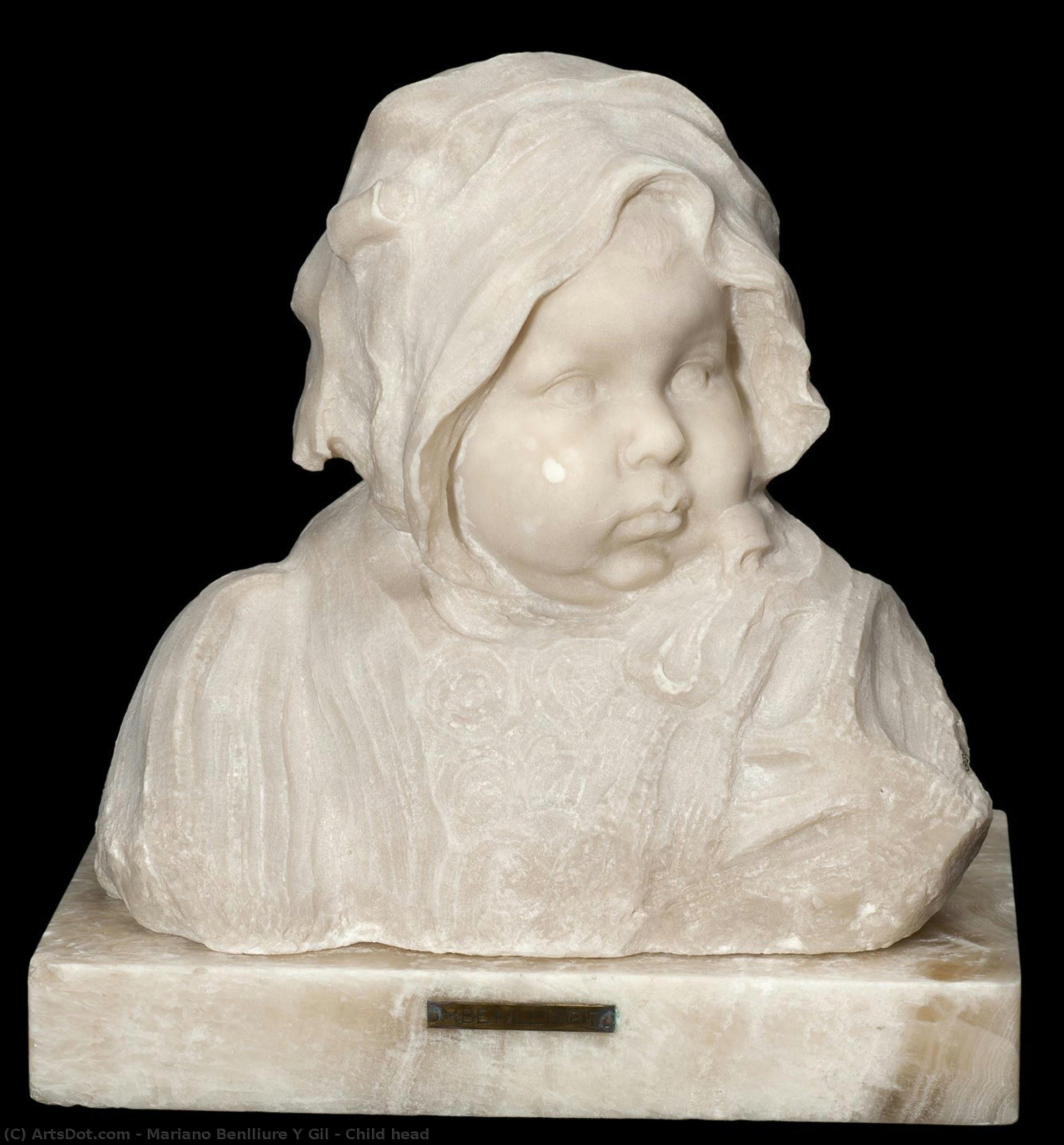
Child head
 Acrylic On Canvas
- WallArt
- Heroic realism
 1912
1912 36.0 x 37.0 cm
 Vil·la Casals-Museu Pau Casals
 Weiterlesen
Handgefertigte Ölreproduktion
Handgemaltes Ölgemälde auf Leinwand in Ihrer Wunschgröße und mit Rahmen, auf Bestellung von unseren Künstlern angefertigt. ( Druck bestellen Bild kaufen)




P118B $10

P118H $10

P118W $10

P438Z $10

P508JH $12

P508YH $12

P805H $10

P805Z $10

P919BZ $10

P919G $10

P919XJ $10

P959ZH $10

P968JZ $12

W106C $8

W218G $10

W218JH $8

W218Y $10

W307PJ $10

W316G $10

W316PJ $8

W316Y $10

W398PJ $8

W4111J $10

W500HY $15

W500JH $15

W692G $12

W849H $8

W940BG $15

W953PJ $8




Wählen Sie aus unseren vordefinierten Formaten, die den ursprünglichen Proportionen des Kunstwerks entsprechen.

Sie können Ihre eigenen Maße eingeben, um einen bestimmten Rahmen oder Platz auszufüllen. Wenn die gewählte Größe nicht den Proportionen des Originalbildes entspricht, werden wir das Kunstwerk entweder beschneiden oder das Gemälde durch zusätzliche, handgemalte Elemente erweitern. Ein digitales Mockup wird Ihnen zur Genehmigung zugesandt, bevor die Produktion beginnt.
Bitte beachten Sie, dass die Bildschirmvorschau nicht die tatsächliche Beschneidung oder Erweiterung widerspiegelt. Nur das Mockup zeigt die endgültige Komposition exakt an.
Obwohl Sondermaße verfügbar sind, empfehlen wir, eine Größe aus der vordefinierten Liste zu wählen, um die ursprünglichen Proportionen beizubehalten.
Nach der Bestellung wird das ArtsDot.com-Team dem Kunden Anweisungen per E-Mail zusenden und eine Mockup-Vorschau bereitstellen.
Weltweiter Versand () in nur 3 bis 4 Wochen statt der üblichen 5 Wochen. (22 August). Keine Kompromisse bei der Qualität.

Kostenloser weltweiter Expressversand

Hochwertige Leinenleinwand

Umfassender Versicherungsschutz beim Versand

Zollgebühren-Rückerstattungsgarantie

Garantie für exakte Farbtreue

60 Tage Rückgaberecht (nur bei Mängeln)

100% Geld-zurück-Garantie

Mengenrabatt verfügbar
 Die Glasoption ist nur für Größen unter 110 cm verfügbar.

Child head
Art der Reproduktion
Format der Reproduktion
-


Gesamtpreis
$ 263
Beschreibung des Kunstwerks
A Fragment of Grief: Exploring the Poignancy of Mariano Benlliure’s “Child Head”
Mariano Benlliure y Gil's "Child Head," a small but profoundly moving sculpture created in 1912, transcends mere representation to embody a potent distillation of sorrow and vulnerability. Born in Valencia, Spain, during a period of significant artistic transition – bridging the realism of the past with nascent influences from Impressionism and Symbolism – Benlliure was already establishing himself as a master of capturing psychological depth through his sculpted portraits. This particular piece, rendered in a meticulously detailed marble that suggests both coolness and an underlying warmth, isn’t simply a depiction of a baby; it's a carefully constructed meditation on loss and the enduring nature of childhood innocence.
The photograph itself offers a remarkably intimate view. The artist has chosen to focus tightly on the infant’s face, emphasizing the delicate curve of its cheekbone, the subtle furrowing of its brow, and most strikingly, the suggestion of tears welling in its eyes. This close-up composition immediately draws the viewer into an almost unbearable proximity with the subject's emotional state. The marble’s texture is remarkably smooth, yet subtly veined – a deliberate choice that lends a sense of life and fragility to the stone, mirroring the ephemeral nature of childhood itself.
The Sculptor’s Legacy: Benlliure within the Spanish Artistic Landscape
Mariano Benlliure y Gil's career was inextricably linked with the vibrant artistic scene of late 19th and early 20th century Spain. He emerged from a family steeped in artistic tradition, benefiting from the tutelage of Francisco Domingo Marqués, a prominent painter and sculptor. This lineage instilled within him a deep understanding of classical forms and techniques, which he skillfully blended with his own distinctive style – characterized by a remarkable ability to convey emotion through subtle gestures and nuanced expressions. His work frequently explored themes of heroism and historical narrative, as evidenced in monumental sculptures like the “Monument to José de San Martín” in Peru and the “Tomb of Práxedes Mateo Sagasta” in Madrid. However, "Child Head" represents a shift towards a more introspective and emotionally charged subject matter, revealing a previously unseen vulnerability within his oeuvre.
The sculpture’s creation coincided with a period of social and political upheaval in Spain – the rise of republicanism and the subsequent instability of the monarchy. This context undoubtedly influenced Benlliure's artistic choices, prompting him to explore themes of loss, grief, and the fragility of human existence. The work is often interpreted as a poignant reflection on the anxieties and uncertainties of the era.
Symbolic Resonance: Tears, Stone, and the Echoes of Grief
The most arresting element of “Child Head” is undoubtedly the suggestion of tears streaming down the infant’s cheeks. While seemingly simple, this detail carries immense symbolic weight. It immediately evokes a sense of profound sadness and vulnerability, inviting viewers to contemplate the source of the child's sorrow. The marble itself – traditionally associated with permanence and endurance – serves as a stark contrast to the fleeting nature of childhood and the inevitability of loss. The cool, unyielding quality of the stone underscores the enduring nature of grief, suggesting that it can linger long after the initial pain has subsided.
Furthermore, the closed eyes of the child contribute to the sculpture’s overall sense of melancholy. They suggest a state of quiet contemplation, as if the infant is lost in its own thoughts and memories. The subtle tilt of the head adds another layer of complexity, hinting at a deep-seated sadness that transcends mere physical discomfort.
A Timeless Portrait of Vulnerability: Reproduction and Beyond
Reproductions of “Child Head” offer an exceptional opportunity to bring this poignant work into private collections and interior spaces. The meticulous detail captured in the original sculpture is faithfully reproduced, allowing viewers to appreciate the artist’s extraordinary skill and sensitivity. The choice of marble ensures a luxurious feel, while the subtle variations in tone and texture create a sense of depth and realism. Consider framing the reproduction within a simple, elegant setting – perhaps a neutral-toned room with soft lighting – to allow the sculpture's emotional impact to fully resonate. “Child Head” is more than just a beautiful object; it’s a powerful reminder of the fragility of life and the enduring power of human emotion.
Ähnliche Kunstwerke

Über den Künstler
Frühes Leben und Ausbildung
- Geburt: Mariano Benlliure y Gil wurde am 8. September 1862 in Valencia, Spanien geboren.
- Familiärer Hintergrund: Er stammte aus einer künstlerisch begabten Familie; sein Bruder José Benlliure y Gil war ebenfalls ein bedeutender Maler.
- Frühe künstlerische Neigung: Schon in jungen Jahren zeigte Mariano eine Leidenschaft für die Kunst, zunächst konzentrierte er sich auf Stierkampfthemen in seinen frühen Skulpturen. Diese wurden aus Wachs modelliert und in Bronze gegossen.
- Formale Ausbildung: Im Alter von dreizehn Jahren präsentierte er ein Wachsmodell eines Picadors auf der Exposición Nacional de Bellas Artes im Jahr 1876 und erlangte so frühzeitig Anerkennung.
- Pariser Studien: Er begann zunächst mit dem Malen und reiste nach Paris, wobei ihm sein Meister Francisco Domingo Marqués die Kosten übernahm.
- Wechsel zur Bildhauerei: Eine entscheidende Reise nach Rom im Jahr 1879, wo er die Skulpturen von Michelangelo kennenlernte, inspirierte ihn dazu, sich ganz der Bildhauerei zu widmen.
Künstlerischer Stil und Hauptwerke
- Stilmerkmale: Benlliures Stil zeichnet sich durch detaillierten Naturalismus in Kombination mit impressionistischer Spontaneität aus. Er fing die Essenz seiner Motive gekonnt ein und verband Realismus mit künstlerischem Ausdruck.
- Monumentale Werke: Er schuf zahlreiche öffentliche Denkmäler und Porträtbüsten, die für ihre Qualität und Wirkung hoch geschätzt werden.
- Bemerkenswerte Denkmäler:
- Das Grab von Práxedes Mateo Sagasta im Pantheon der berühmten Männer, Madrid
- Denkmal für José de San Martín, Lima, Peru
- Denkmal für Álvaro de Bazán, Plaza de la Villa, Madrid
- Denkmal für Isabella die Katholische, Granada
- Denkmal für General Cassola, Parque del Oeste, Madrid
- Denkmal für Maria Christina von Bourbon, Madrid
- Equestrisches Denkmal: Die Bronzereiterstatue von Alfons XII im Madrider El Retiro Park ist eines seiner bekanntesten Meisterwerke.
- Skulpturale Porträts: Er schuf viele Porträtbüsten, darunter solche von bedeutenden Persönlichkeiten wie Joaquín Sorolla und Léon Bonnat.
- Weitere Werke: Bemerkenswerte Werke sind “Odón de Buen”, “Königin Mª Cristina”, “Maestro Serrano” und “Ramón y Cajal”.
Einflüsse und Entwicklung
- Frühe Einflüsse: Sein Bruder, José Benlliure y Gil, ein Maler, spielte eine Rolle in seiner frühen künstlerischen Entwicklung.
- Michelangelos Einfluss: Die Skulpturen von Michelangelo beeinflussten ihn während seines Aufenthalts in Rom tiefgreifend bei der Entscheidung, sich ganz der Bildhauerei zu widmen.
- Spanische künstlerische Tradition: Er war tief in den spanischen künstlerischen Traditionen verwurzelt und stellte oft Themen dar, die mit der spanischen Geschichte und Kultur zusammenhängen.
- Impressionistische Tendenzen: Obwohl er hauptsächlich ein realistischer Bildhauer war, integrierte er impressionistische Elemente in seine Arbeit und verlieh ihr Spontaneität und Lebendigkeit.
- Beziehung zu Joaquín Sorolla: Seine Freundschaft mit dem Maler Joaquín Sorolla beeinflusste seinen Umgang mit Licht und Farbe in seinen Skulpturen.
Vermächtnis und historische Bedeutung
- Anerkennung als führender Bildhauer: Mariano Benlliure y Gil gilt als einer der bedeutendsten spanischen Bildhauer seiner Zeit.
- Beitrag zur öffentlichen Kunst: Seine monumentalen Werke bereicherten Spaniens öffentliche Kunstlandschaft erheblich und erinnerten an historische Figuren und Ereignisse.
- Einfluss auf nachfolgende Künstler: Er beeinflusste Generationen spanischer Bildhauer mit seinem realistischen Stil und seiner technischen Geschicklichkeit.
- Bewahrung des kulturellen Erbes: Seine Skulpturen werden weiterhin für ihren künstlerischen Wert und ihren Beitrag zur Bewahrung des spanischen Kulturerbes bewundert.
- Tod und Erinnerung: Er starb am 9. November 1947 in Madrid und hinterliess ein bleibendes Vermächtnis als Meisterbildhauer.
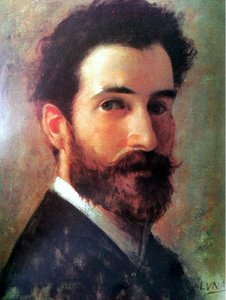
Mariano Benlliure y Gil
1862 - 1947 , Spanien
Kurzinfos
- Bemerkenswerte Werke:
- Odón de Buen
- Queen Mª Cristina
- Geburtsdatum: 8. September 1862
- Geburtsort (Stadt, Land): Valencia, Spanien
- Künstler, Die Diesen Künstler Beeinflussten: ['Michelangelo']
- Künstlerische Bewegung/Stil: Heroischer Realismus
- Nationalität: Spanisch
- Sterbedatum: 9. November 1947
- Vollständiger Name: Mariano Benlliure y Gil
Ähnliche Artikel

Bronze-Meisterwerke: Die 10 Skulpturen, die Kunstgeschichte schrieben | ArtsDot
Entdecken Sie die 10 legendärsten Bronze Skulpturen der Kunstgeschichte! Von Michelangelo bis Rodin – erfahren Sie die Geschichten hinter den Meisterwerken und lassen Sie sich von Wanddeko-Ideen inspirieren. Hochwertige Kunstdrucke auf ArtsDot.com.
The Enduring Allure of Marble in Art History: From Classical Sculpture to Modern Abstraction
Explore the captivating history of marble sculpture from ancient Greece to modern art. Discover renowned artists like Canova & Michelangelo, carving techniques, and investment insights at ArtsDot.

The Enduring Form: Exploring Themes & Techniques in Sculpture Across Historical Periods
Explore the rich history of sculpture from ancient masterpieces to contemporary innovations. Discover key techniques, influential artists & investment potential for discerning art collectors.
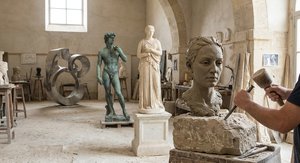
The Enduring Form: Sculpture Across History, Technique & Emotional Resonance
Explore the rich history of sculpture with ArtsDot. Discover key techniques, influential artists & investment potential for discerning collectors. Expert insights into valuing and collecting timeless masterpieces.

Die 10 legendärsten Bronzestatuen: Meisterwerke, die Kunstgeschichte schrieben | ArtsDot
Entdecken Sie die 10 legendärsten Bronzestatuen der Kunstgeschichte! Von Rodin bis Michelangelo – erfahren Sie die Geschichten hinter ikonischen Skulpturen und finden Sie hochwertige Reproduktionen für Ihr Zuhause. Jetzt bei ArtsDot entdecken!

