 Versenden
 Teilen
 Details anzeigen

 Herunterladen
 Ähnliche Objekte
 Diashow
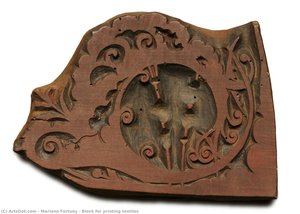
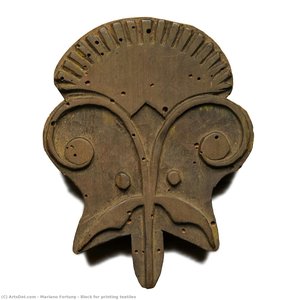
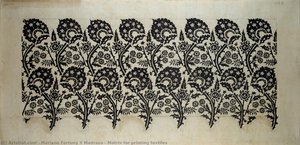
Matrix for printing textiles


 Weiterlesen
Handgefertigte Ölreproduktion
Handgemaltes Ölgemälde auf Leinwand in Ihrer Wunschgröße und mit Rahmen, auf Bestellung von unseren Künstlern angefertigt. ( Druck bestellen Bild kaufen)




































Wählen Sie aus unseren vordefinierten Formaten, die den ursprünglichen Proportionen des Kunstwerks entsprechen.

Sie können Ihre eigenen Maße eingeben, um einen bestimmten Rahmen oder Platz auszufüllen. Wenn die gewählte Größe nicht den Proportionen des Originalbildes entspricht, werden wir das Kunstwerk entweder beschneiden oder das Gemälde durch zusätzliche, handgemalte Elemente erweitern. Ein digitales Mockup wird Ihnen zur Genehmigung zugesandt, bevor die Produktion beginnt.
Bitte beachten Sie, dass die Bildschirmvorschau nicht die tatsächliche Beschneidung oder Erweiterung widerspiegelt. Nur das Mockup zeigt die endgültige Komposition exakt an.
Obwohl Sondermaße verfügbar sind, empfehlen wir, eine Größe aus der vordefinierten Liste zu wählen, um die ursprünglichen Proportionen beizubehalten.
Nach der Bestellung wird das ArtsDot.com-Team dem Kunden Anweisungen per E-Mail zusenden und eine Mockup-Vorschau bereitstellen.
Weltweiter Versand () in nur 3 bis 4 Wochen statt der üblichen 5 Wochen. (21 August). Keine Kompromisse bei der Qualität.

Kostenloser weltweiter Expressversand

Hochwertige Leinenleinwand

Umfassender Versicherungsschutz beim Versand

Zollgebühren-Rückerstattungsgarantie

Garantie für exakte Farbtreue

60 Tage Rückgaberecht (nur bei Mängeln)

100% Geld-zurück-Garantie

Mengenrabatt verfügbar
 Die Glasoption ist nur für Größen unter 110 cm verfügbar.

Matrix for printing textiles
Art der Reproduktion
Format der Reproduktion
-


Gesamtpreis
$ 263
Beschreibung des Kunstwerks
A Symphony of Botanical Lines: Unveiling ‘Matrix for Printing Textiles’
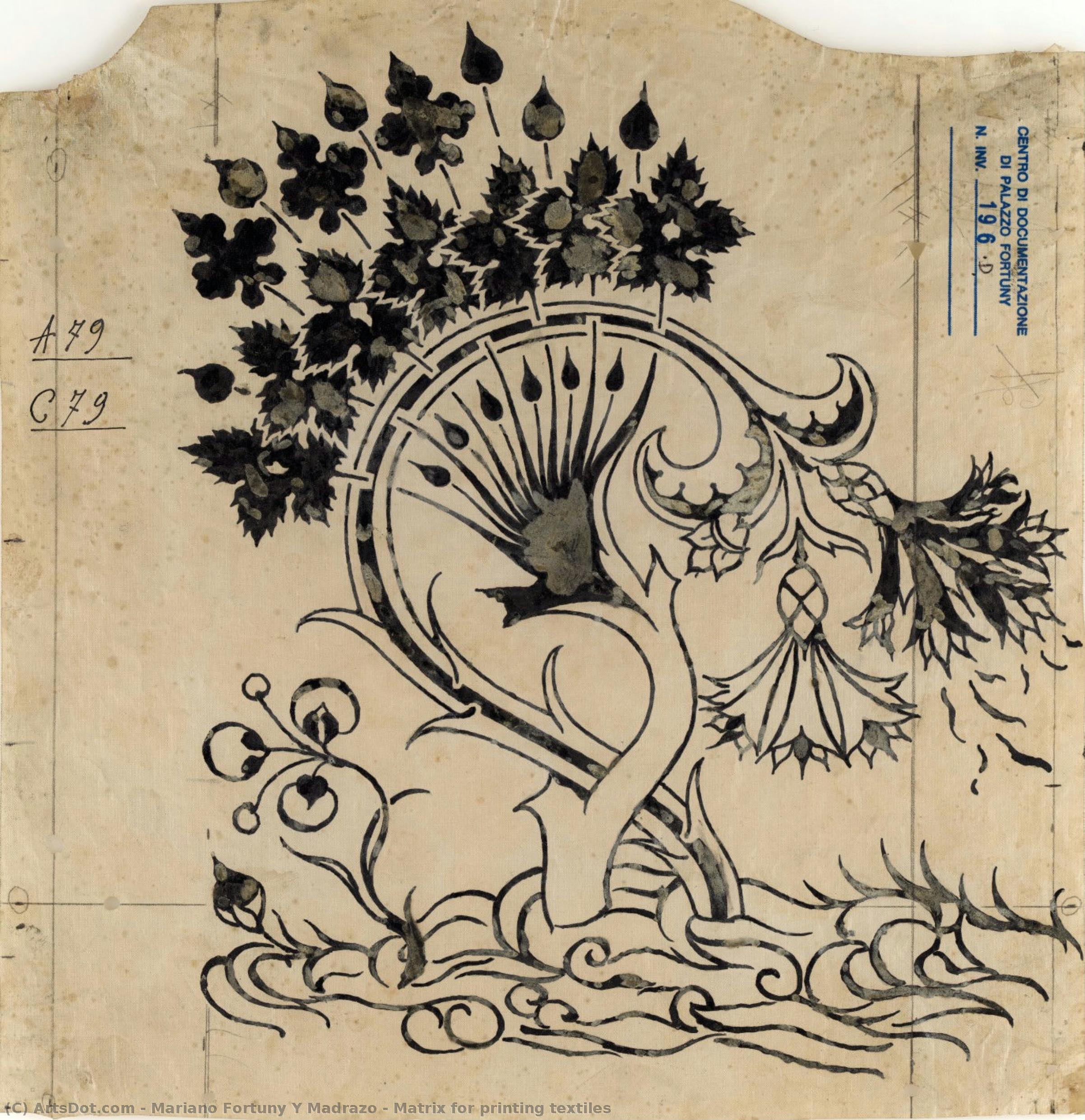
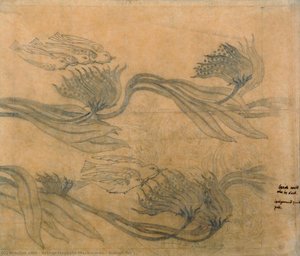
Mariano Fortuny y Madrazo's “Matrix for Printing Textiles” (1910) isn’t merely a decorative design; it’s an immersive experience captured on paper. This captivating monochrome drawing, born from the meticulous hand of a Venetian polymath, pulsates with a quiet dynamism—a testament to Fortuny’s profound understanding of both nature and artistic technique. The image immediately draws the eye into a dense, swirling world of stylized flora and fauna, rendered in intricate hatching and cross-hatching that suggests texture and depth without resorting to traditional shading. It's a deliberate choice, reflecting Fortuny’s fascination with textile design and his desire to mimic the appearance of woven fabrics through visual means.
- Subject Matter: The core of the artwork is an exuberant botanical arrangement—a riot of stylized vines, leaves, and flowers. These aren't realistic depictions; rather, they’re distilled into elegant, flowing forms, echoing the Art Nouveau movement’s embrace of organic shapes and a rejection of rigid academic styles.
- Style & Influence: Fortuny’s work is deeply rooted in the late 19th-century aesthetic, blending elements of Art Nouveau with influences from Orientalism – a hallmark of his Venetian period. The swirling lines and intricate details recall the decorative motifs found in textiles from the East, while the overall composition possesses a distinctly European sensibility.
The Technique: A Masterclass in Pen and Ink
The execution of “Matrix for Printing Textiles” is as remarkable as its subject matter. Fortuny’s mastery of pen and ink is immediately apparent, evidenced by the subtle variations in line weight and pressure that create a sense of movement and volume. The hatching technique—the use of closely spaced parallel lines to build up tone—is particularly noteworthy. It's not simply applied uniformly; instead, it’s strategically employed to suggest the texture of foliage, the shadows cast by leaves, and the delicate veins of flowers. The artist’s control is exquisite, demonstrating a deep understanding of how line can be used to evoke form and atmosphere.
Materials: Paper and Ink – The simplicity of these materials belies the complexity of the artwork's execution. Fortuny’s ability to achieve such rich visual effects with just pen and ink speaks volumes about his skill and artistic vision.Historical Context: Venice, Innovation, and the Textile Industry
To fully appreciate “Matrix for Printing Textiles,” it’s essential to understand the context in which Fortuny worked. He was a pivotal figure in the late 19th and early 20th centuries—a time of rapid technological and artistic innovation. Venice, with its rich history as a center of trade and craftsmanship, provided an ideal environment for his creative explorations. Fortuny’s work directly addressed the burgeoning textile industry, designing patterns specifically intended for printing on fabrics. His designs were highly sought after by fashion houses and manufacturers, contributing significantly to the aesthetic trends of the era.
Additional Research:- Useful Links: Google Arts & Culture
- WikiArt: WikiArt Store
- Wikipedia: Wikipedia - Woodblock Printing on Textiles
A Legacy of Beauty and Innovation
“Matrix for Printing Textiles” is more than just a beautiful drawing; it’s a window into the mind of a brilliant artist and innovator. Fortuny's ability to seamlessly blend artistic vision with technical skill—to capture the essence of nature through the precise manipulation of line—solidifies his place as one of the most significant figures in 20th-century art and design. Reproductions of this piece offer a chance to bring its intricate beauty into your own space, serving as a constant reminder of Fortuny’s enduring legacy.
Ähnliche Kunstwerke
Über den Künstler
Frühes Leben und Hintergrund
Mariano Fortuny y Madrazo, ein renommierter spanischer Universalgelehrter, Künstler, Erfinder und Modedesigner, wurde am 11. Mai 1871 in Granada, Spanien, geboren. Als Sohn von Mariano Fortuny y Marsal, einem Maler, wurden Marianos künstlerische Neigungen von klein auf gefördert.Karrierehöhepunkte
Marianos glanzvolle Karriere erstreckte sich über mehrere Disziplinen:- Modedesign: Er eröffnete 1906 sein Modehaus, das bis 1946 bestand und einen unauslöschlichen Eindruck in der Modewelt hinterließ.
- Künstlerische Tätigkeit: Seine künstlerischen Talente beschränkten sich nicht auf die Mode; er war ein begabter Maler, wie seine Werke wie "Fetching Water" (Öl auf Leinwand) zeigen.
- Erfindungen: Marianos Erfindergeist führte zur Entwicklung innovativer Designs und Techniken sowohl in der Kunst als auch in der Mode.
Einflüsse und Entwicklung
Fortuny wurde stark von den Werken alter Meister, insbesondere venezianischer Künstler, beeinflusst. Seine Reisen durch Europa und Nordafrika inspirierten ihn zu neuen Formen und Techniken. Er experimentierte mit verschiedenen Materialien und Druckverfahren, um einzigartige Textilien und Muster zu schaffen. Die Zusammenarbeit mit seiner Frau Henriette Negrin, einer Expertin für natürliche Farbstoffe, war entscheidend für seine innovativen Färbemethoden. Seine frühen Arbeiten zeigten Einflüsse des Orientalismus und der Romantik, die sich später in seinem Stil weiterentwickelten.Bedeutende Werke und Sammlungen
Einige seiner bemerkenswertesten Kunstwerke finden sich in verschiedenen Museen, darunter:- Mariano Fortuny: Teegewand (Museum of Fine Arts, Boston, Vereinigte Staaten), das seine Beherrschung der Pigmentierung auf Leinwand zeigt.
- Mariano Fortuny: Stoffprobe (Museo del Traje, Madrid, Spanien), die seine Verwendung von Baumwolle und eklektischen Designmotiven hervorhebt.
- Seine innovativen Kleiderdesigns, wie das "Delphos"-Kleid, sind berühmt für ihre fließenden Formen und plissierten Stoffe.
Vermächtnis und historische Bedeutung
Marianos Fortuny y Madrazos Vermächtnis reicht über seine eigenen Werke hinaus und beeinflusst Generationen von Künstlern und Designern. Seine Beiträge zur Welt der Kunst und Mode sind ein Beweis für seinen innovativen Geist. Er gilt als Pionier in den Bereichen Textildesign, Bühnenbeleuchtung und Modedesign des frühen 20. Jahrhunderts. Sein Palazzo Fortuny in Venedig ist heute ein Museum, das sein Leben und Werk feiert. Seine Entdeckungen und Innovationen haben die Mode- und Kunstwelt nachhaltig geprägt und inspirieren bis heute Designer und Künstler weltweit.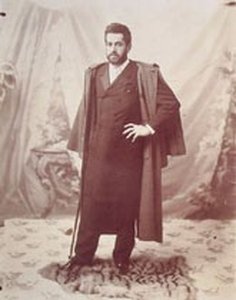
Mariano Fortuny
1871 - 1949 , Spanien
Kurzinfos
- Beeinflusste Künstler:
- Modedesigner
- Textilkünstler
- Bemerkenswerte Werke: ['Fetching Water']
- Geburtsdatum: 11. Mai 1871
- Geburtsort: Granada, Spanien
- Künstlerische Richtung: Art Deco, Venezianisch
- Nationalität: Spanisch
- Sterbedatum: 1949
- Vollständiger Name: Mariano Fortuny y Madrazo
Ähnliche Artikel
Mariano Fortuny: Ein Synthese aus Kunst, Mode und Design – Das Erbe eines venezianischen Innovators
Entdecken Sie das faszinierende Erbe von Mariano Fortuny, dem venezianischen Künstler und Innovator! Erfahren Sie mehr über seine bahnbrechenden Stoffe, seinen Einfluss auf Mode & Design und die Bewahrung seines Schaffens im Museo Fortuny.

Die Top 10 berühmter Gemälde im Reich der dunklen Töne |
Entdecken Sie die Top 10 berühmter Gemälde, beherrscht von dunklen Tönen! Von Caravaggio bis Manet – erfahren Sie die Geschichten hinter Meisterwerken der Kunstgeschichte. Finden Sie Ihre perfekte Reproduktion auf .
The Flourishing Canvas: A Historical Journey Through Botanical Illustration
Explore the captivating history of botanical illustration! Discover renowned artists like Robert Havell & Mary Walcott, learn about techniques, and find museum-quality art at ArtsDot.com.

Victorian Botanical Painting: Science, Art & Aesthetic Sensibility
Explore the exquisite world of Victorian botanical art! Discover the science & artistry behind stunning floral illustrations by Gould, Muckley & more. Learn about collecting, value & investment at ArtsDot.
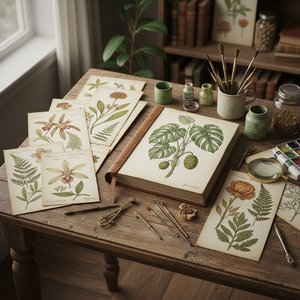
The Flourishing Canvas: A Historical & Artistic Exploration of Botanical Illustration
Explore the rich history of botanical illustration! Discover key artists like Havell & Barraband, learn about scientific accuracy & aesthetic beauty. Shop museum-quality reproductions at ArtsDot.