 Vorschau anzeigen
 Versenden
 Teilen
 Details anzeigen

 Herunterladen
 Ähnliche Objekte
 Röntgenaufnahme
 Diashow
 Statistiken
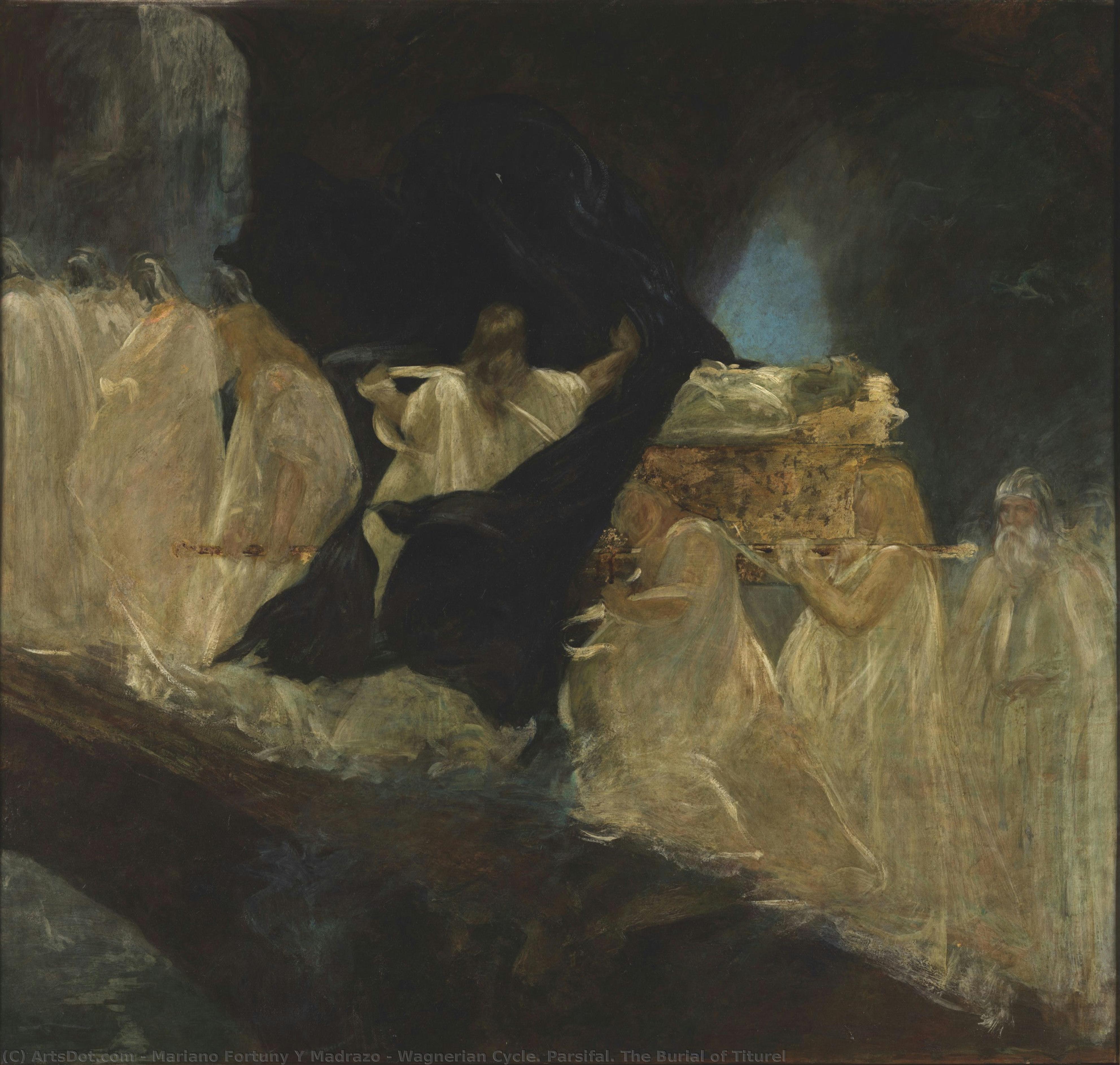
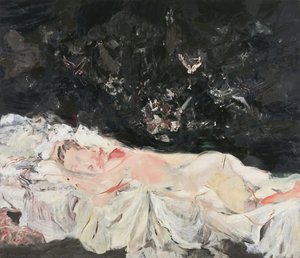
Wagnerian Cycle. Parsifal. The Burial of Titurel
 Oil On Canvas
- WallArt
- Symbolism
 115.0 x 121.0 cm
 Palazzo Fortuny
 Weiterlesen
Giclée / Kunstdruck
Giclée- oder Leinwanddruck in Museumsqualität mit schneller Produktion und flexiblen Veredelungsoptionen. ( Handgemalte Reproduktion bestellen Zum digitalen Bild wechseln)




P118B $10

P118H $10

P118W $10

P438Z $10

P508JH $12

P508YH $12

P805H $10

P805Z $10

P919BZ $10

P919G $10

P919XJ $10

P959ZH $10

P968JZ $12

W106C $8

W218G $10

W218JH $8

W218Y $10

W307PJ $10

W316G $10

W316PJ $8

W316Y $10

W398PJ $8

W4111J $10

W500HY $15

W500JH $15

W692G $12

W849H $8

W940BG $15

W953PJ $8




Wählen Sie aus unseren vordefinierten Formaten, die den ursprünglichen Proportionen des Kunstwerks entsprechen.

Sie können Ihre eigenen Maße eingeben, um ein bestimmtes Format oder einen speziellen Platz einzupassen. Wenn das von Ihnen gewählte Format nicht den Proportionen des Originalbildes entspricht, werden wir das Kunstwerk entweder beschneiden oder das Bild mit einem gespiegelten oder einfarbigen Rand erweitern. Ein digitaler Entwurf wird Ihnen zur Genehmigung zugesandt, bevor die Produktion beginnt.
Bitte beachten Sie, dass die Vorschau auf dem Bildschirm nicht den tatsächlichen Zuschnitt oder die Erweiterung widerspiegelt. Nur der Entwurf zeigt die endgültige Komposition präzise an.
Obwohl Sondermaße verfügbar sind, empfehlen wir die Auswahl eines Maßes aus der vordefinierten Liste, um die ursprünglichen Proportionen zu bewahren.
Weltweiter Versand () innerhalb von 2 Wochen statt der üblichen 4/5 Wochen. (8 September)

Kostenloser weltweiter Expressversand

Hochwertige Leinenleinwand

Umfassender Versicherungsschutz beim Versand

Zollgebühren-Rückerstattungsgarantie

Garantie für exakte Farbtreue

100-Tage-Rückgaberecht (nur bei Mängeln)

100% Geld-zurück-Garantie

Mengenrabatt verfügbar
 Die Glasoption ist nur für Größen unter 110 cm verfügbar.

Wagnerian Cycle. Parsifal. The Burial of Titurel
Giclée / Kunstdruck
Format der Reproduktion
-


Gesamtpreis
$ 62
A Somber Requiem: Mariano Fortuny’s “Wagnerian Cycle. Parsifal. The Burial of Titurel”
Mariano Fortuny y Madrazo's "Wagnerian Cycle. Parsifal. The Burial of Titurel" is not merely a painting; it’s an immersion into the heart of grief and ritual, a visual echo of Richard Wagner’s profound operatic dramas. Completed around 1893, this monumental work transcends simple representation, becoming a deeply symbolic meditation on mortality, communal mourning, and the weight of ancient legend. The canvas unfolds as a meticulously constructed tableau of sorrow, dominated by muted earth tones – ochres, browns, and deep blues – that evoke a sense of twilight and impending darkness. Fortuny masterfully employs a palette deliberately devoid of vibrant color, amplifying the painting’s somber mood and drawing the viewer into its melancholic atmosphere.
A Symphony of Technique: Impasto and Atmospheric Depth
Fortuny's technical prowess is immediately apparent in the rich, textured impasto that defines every surface. Thick layers of paint build up a palpable physicality, particularly evident in the folds of the draped cloths and the rough texture of the coffin itself. This deliberate manipulation of the medium isn’t simply decorative; it conveys a sense of weight, age, and the enduring nature of memory. Furthermore, Fortuny expertly utilizes atmospheric perspective – objects receding into the background are rendered with increasing softness and diminished detail – to create an illusion of vastness and enclosure. The cavernous space within which the scene unfolds seems to press in on the figures, intensifying their isolation and amplifying the sense of despair. Notice how light, seemingly emanating from an unseen source above the coffin, casts dramatic shadows that sculpt the forms and heighten the emotional intensity.
Echoes of Wagner: Myth, Ritual, and the Burden of Legacy
The painting’s title itself provides crucial context, referencing Wagner's monumental opera cycle “Der Ring des Nibelungen,” specifically the episode "Parsifal." This work explores themes of redemption, sacrifice, and the corruption of power through the lens of Arthurian legend. Fortuny’s depiction aligns perfectly with these themes: the burial of Titurel represents not just death but also the end of an era, a lineage burdened by sin and destined for oblivion. The figures carrying the coffin are not heroes or warriors; they are ordinary people united in grief, embodying the collective mourning of a community grappling with its past. The scene’s ritualistic elements – the solemn procession, the shrouded coffin, the dark setting – evoke ancient burial customs, suggesting a connection to timeless traditions and the cyclical nature of life and death.
Symbolism in Shadow: The Weight of Mortality
Beyond its narrative content, “Wagnerian Cycle. Parsifal. The Burial of Titurel” is rich with symbolic imagery. The coffin itself serves as a potent symbol of mortality, representing the inescapable reality of death and decay. The figures carrying it are not actively celebrating or glorifying death; rather, they bear it with solemn dignity, acknowledging its inevitability. The dark setting – reminiscent of an underground crypt or a subterranean realm – further reinforces this sense of darkness and mystery, suggesting that death is merely a transition to another state of being. Even the muted color palette contributes to the painting’s symbolic weight, conveying a feeling of loss, regret, and the profound sadness inherent in confronting mortality. Fortuny's masterful use of light and shadow creates an atmosphere of quiet contemplation, inviting viewers to reflect on their own experiences with grief and remembrance.
This evocative artwork, a testament to Fortuny’s artistic vision and his deep engagement with Wagnerian themes, remains a powerful and moving exploration of the human condition. Reproductions capture much of its original impact, offering a glimpse into a world steeped in myth, ritual, and profound emotional depth.
Ähnliche Kunstwerke



Über den Künstler
Frühes Leben und Hintergrund
Mariano Fortuny y Madrazo, ein renommierter spanischer Universalgelehrter, Künstler, Erfinder und Modedesigner, wurde am 11. Mai 1871 in Granada, Spanien, geboren. Als Sohn von Mariano Fortuny y Marsal, einem Maler, wurden Marianos künstlerische Neigungen von klein auf gefördert.Karrierehöhepunkte
Marianos glanzvolle Karriere erstreckte sich über mehrere Disziplinen:- Modedesign: Er eröffnete 1906 sein Modehaus, das bis 1946 bestand und einen unauslöschlichen Eindruck in der Modewelt hinterließ.
- Künstlerische Tätigkeit: Seine künstlerischen Talente beschränkten sich nicht auf die Mode; er war ein begabter Maler, wie seine Werke wie "Fetching Water" (Öl auf Leinwand) zeigen.
- Erfindungen: Marianos Erfindergeist führte zur Entwicklung innovativer Designs und Techniken sowohl in der Kunst als auch in der Mode.
Einflüsse und Entwicklung
Fortuny wurde stark von den Werken alter Meister, insbesondere venezianischer Künstler, beeinflusst. Seine Reisen durch Europa und Nordafrika inspirierten ihn zu neuen Formen und Techniken. Er experimentierte mit verschiedenen Materialien und Druckverfahren, um einzigartige Textilien und Muster zu schaffen. Die Zusammenarbeit mit seiner Frau Henriette Negrin, einer Expertin für natürliche Farbstoffe, war entscheidend für seine innovativen Färbemethoden. Seine frühen Arbeiten zeigten Einflüsse des Orientalismus und der Romantik, die sich später in seinem Stil weiterentwickelten.Bedeutende Werke und Sammlungen
Einige seiner bemerkenswertesten Kunstwerke finden sich in verschiedenen Museen, darunter:- Mariano Fortuny: Teegewand (Museum of Fine Arts, Boston, Vereinigte Staaten), das seine Beherrschung der Pigmentierung auf Leinwand zeigt.
- Mariano Fortuny: Stoffprobe (Museo del Traje, Madrid, Spanien), die seine Verwendung von Baumwolle und eklektischen Designmotiven hervorhebt.
- Seine innovativen Kleiderdesigns, wie das "Delphos"-Kleid, sind berühmt für ihre fließenden Formen und plissierten Stoffe.
Vermächtnis und historische Bedeutung
Marianos Fortuny y Madrazos Vermächtnis reicht über seine eigenen Werke hinaus und beeinflusst Generationen von Künstlern und Designern. Seine Beiträge zur Welt der Kunst und Mode sind ein Beweis für seinen innovativen Geist. Er gilt als Pionier in den Bereichen Textildesign, Bühnenbeleuchtung und Modedesign des frühen 20. Jahrhunderts. Sein Palazzo Fortuny in Venedig ist heute ein Museum, das sein Leben und Werk feiert. Seine Entdeckungen und Innovationen haben die Mode- und Kunstwelt nachhaltig geprägt und inspirieren bis heute Designer und Künstler weltweit.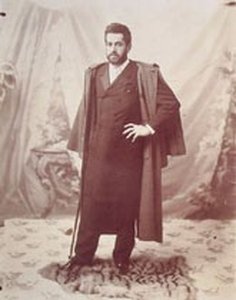
Mariano Fortuny
1871 - 1949 , Spanien
Kurzinfos
- Beeinflusste Künstler:
- Modedesigner
- Textilkünstler
- Bemerkenswerte Werke: ['Fetching Water']
- Geburtsdatum: 11. Mai 1871
- Geburtsort: Granada, Spanien
- Künstlerische Richtung: Art Deco, Venezianisch
- Nationalität: Spanisch
- Sterbedatum: 1949
- Vollständiger Name: Mariano Fortuny y Madrazo
Ähnliche Artikel

The Enduring Power of Painting: A Historical & Contemporary Exploration of Form and Emotion
Explore the rich history & enduring techniques of oil painting with ArtsDot. Discover masterpieces, learn about art collecting, and find authentic handmade reproductions crafted by skilled artists.
Die zeitlichen Dimensionen künstlerischer Schöpfung: Eine detaillierte Untersuchung des Ölmalerei-Prozesses von der Auftragsannahme bis zur Vollendung
Entdecken Sie die zeitlichen Dimensionen der Ölmalerei! Expertenwissen zu Techniken, Geschichte und Restaurierung – von der Auftragsannahme bis zum fertigen Meisterwerk. Für Kunstliebhaber & Sammler.

Das bleibende Erbe der Ölmalerei: Technik, Geschichte und zeitgenössische Praxis
Entdecken Sie die faszinierende Geschichte der Ölmalerei – von den frühen Techniken bis zur modernen Kunst. Expertenwissen, detaillierte Analysen und Inspiration für Sammler & Kunstliebhaber.

Öl auf Leinwand: Eine historische und technische Erkundung eines zeitlosen künstlerischen Mediums
Entdecken Sie die faszinierende Welt der Ölmalerei! Von historischen Techniken bis zur modernen Anwendung – wir bieten Expertenwissen, Restaurierungstipps und hochwertige Reproduktionen. Jetzt informieren!

The Enduring Legacy of Oil on Canvas: Technique, History & Aesthetic Impact
Explore the rich history & techniques of oil painting – from Renaissance masters to Impressionism. Discover pigments, layering methods, and why this timeless medium endures. Expert insights for artists & art enthusiasts.