

 Vorschau anzeigen
 Versenden
 Teilen
 Details anzeigen

 Herunterladen
 Ähnliche Objekte
 Röntgenaufnahme
 Diashow
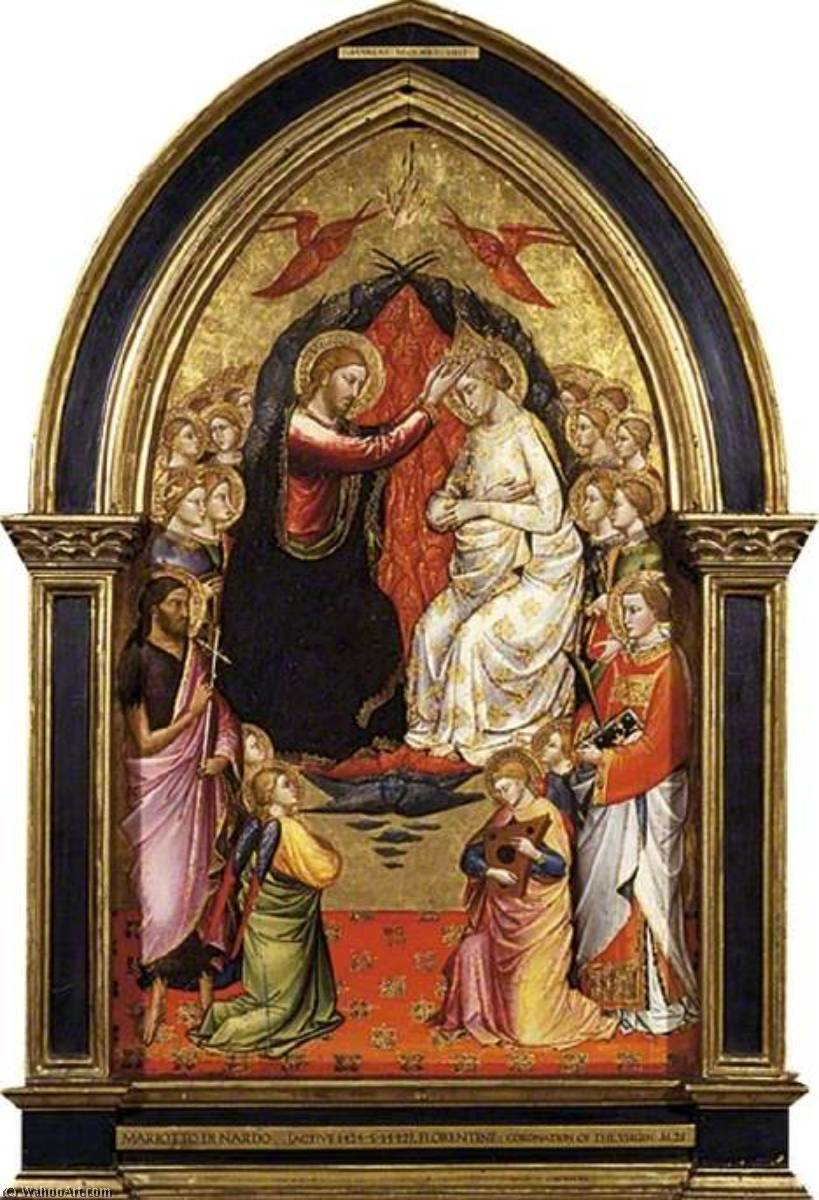
The Coronation of the Virgin
 Oil On Canvas
- WallArt
- Late Gothic Style
 81.0 x 52.0 cm
 Fitzwilliam-Museum
 Weiterlesen
Handgefertigte Ölreproduktion
Handgemaltes Ölgemälde auf Leinwand in Ihrer Wunschgröße und mit Rahmen, auf Bestellung von unseren Künstlern angefertigt. ( Druck bestellen Bild kaufen)




P118B $10

P118H $10

P118W $10

P438Z $10

P508JH $12

P508YH $12

P805H $10

P805Z $10

P919BZ $10

P919G $10

P919XJ $10

P959ZH $10

P968JZ $12

W106C $8

W218G $10

W218JH $8

W218Y $10

W307PJ $10

W316G $10

W316PJ $8

W316Y $10

W398PJ $8

W4111J $10

W500HY $15

W500JH $15

W692G $12

W849H $8

W940BG $15

W953PJ $8




Wählen Sie aus unseren vordefinierten Formaten, die den ursprünglichen Proportionen des Kunstwerks entsprechen.

Sie können Ihre eigenen Maße eingeben, um einen bestimmten Rahmen oder Platz auszufüllen. Wenn die gewählte Größe nicht den Proportionen des Originalbildes entspricht, werden wir das Kunstwerk entweder beschneiden oder das Gemälde durch zusätzliche, handgemalte Elemente erweitern. Ein digitales Mockup wird Ihnen zur Genehmigung zugesandt, bevor die Produktion beginnt.
Bitte beachten Sie, dass die Bildschirmvorschau nicht die tatsächliche Beschneidung oder Erweiterung widerspiegelt. Nur das Mockup zeigt die endgültige Komposition exakt an.
Obwohl Sondermaße verfügbar sind, empfehlen wir, eine Größe aus der vordefinierten Liste zu wählen, um die ursprünglichen Proportionen beizubehalten.
Nach der Bestellung wird das ArtsDot.com-Team dem Kunden Anweisungen per E-Mail zusenden und eine Mockup-Vorschau bereitstellen.
Weltweiter Versand () in nur 3 bis 4 Wochen statt der üblichen 5 Wochen. (27 August). Keine Kompromisse bei der Qualität.

Kostenloser weltweiter Expressversand

Hochwertige Leinenleinwand

Umfassender Versicherungsschutz beim Versand

Zollgebühren-Rückerstattungsgarantie

Garantie für exakte Farbtreue

60 Tage Rückgaberecht (nur bei Mängeln)

100% Geld-zurück-Garantie

Mengenrabatt verfügbar
 Die Glasoption ist nur für Größen unter 110 cm verfügbar.

The Coronation of the Virgin
Art der Reproduktion
Format der Reproduktion
-


Gesamtpreis
$ 263
Beschreibung des Kunstwerks
Mariotto di Nardo: Bridging Gothic Splendor and Renaissance Promise
The Coronation of the Virgin by Mariotto di Nardo stands as a pivotal artwork, marking a crucial juncture between the opulent formalism of late Gothic painting and the burgeoning naturalism that would soon dominate the Florentine Renaissance. Executed around 1408, this monumental tempera panel—now housed in The Fitzwilliam Museum—offers a glimpse into an artistic landscape grappling with profound transformations, reflecting both established traditions and nascent explorations of humanist ideals.- Subject Matter: The painting depicts the Virgin Mary enthroned amidst a procession of angels and saints, commemorating her divine coronation – a theme deeply rooted in Marian devotion prevalent throughout medieval Europe.
- Style & Technique: Mariotto’s style embodies the Gothic twilight, characterized by flattened perspectives, stylized drapery, and an emphasis on decorative ornamentation. However, subtle innovations foreshadow the stylistic breakthroughs of artists like Piero della Francesca and Masaccio, hinting at a move towards greater realism and spatial depth.
- Historical Context: Florence during Mariotto’s time was experiencing rapid urbanization and civic pride fueled by papal patronage—particularly evident in the ambitious construction of Brunelleschi's Duomo. Artistic endeavors served as expressions of Florentine identity and spiritual aspiration, mirroring broader cultural currents.
- Symbolism: The coronation itself symbolizes Mary’s exaltation as Queen of Heaven and Mother of God – a central dogma within Christian theology. Angels bearing musical instruments represent divine harmony and praise, underscoring the sanctity of the occasion.
- Emotional Impact: Mariotto's Coronation aims to inspire awe and reverence in the viewer, conveying the profound spiritual significance of Mary’s role as intermediary between God and humanity. The painting’s serene beauty speaks to a timeless fascination with religious iconography and artistic excellence.
Further Exploration
For more information on Mariotto di Nardo and his artistic legacy, consider visiting these resources:Ähnliche Kunstwerke
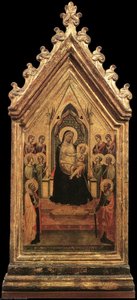
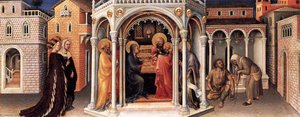
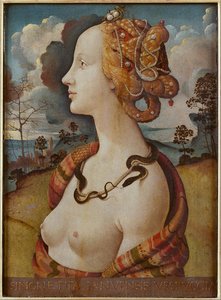
Über den Künstler
Mariotto di Nardo (1365–1424): A Florentine Gothic Pioneer
Mariotto di Nardo di Cione, a name perhaps less resonant than those of his Renaissance contemporaries, nevertheless occupies a crucial position in the transition between the elegant world of late Gothic painting and the burgeoning naturalism that would define the 15th century. Born around 1365 in Florence—precise birthdates remain elusive, shrouded in the mists of archival records—Mariotto flourished during an era marked by profound artistic transformation, witnessing firsthand the rise of humanist ideals and the gradual adoption of new visual conventions. He wasn’t merely a passive participant in this unfolding narrative; he was a skilled interpreter and adapter, infusing his work with a distinctive sensibility that captivated his peers and continues to fascinate art historians today. While biographical details remain sparse—the personal life of Mariotto di Nardo remains largely unexplored by scholars—his artistic legacy speaks volumes about the evolving aesthetic landscape of Florence and its enduring influence on subsequent generations of artists.Family Roots and Early Artistic Training
Mariotto’s lineage traced back to Andrea di Cione, better known as Orcagna, a celebrated sculptor whose monumental works graced both Florence and Pisa. Orcagna’s mastery of stone carving—particularly evident in the Baptistery doors of Florence—established a tradition of sculptural excellence that profoundly impacted Mariotto’s formative years. His father, Nardo di Cione, initially pursued a career as a stonecutter in Siena and Volterra before dedicating himself to painting, becoming Mariotto’s first teacher. This familial connection to artistic craftsmanship undoubtedly instilled in the young Mariotto a deep appreciation for technical skill and meticulous observation—qualities that would permeate his entire oeuvre. The influence of Orcagna’s dramatic compositions and refined draftsmanship is subtly discernible in Mariotto’s early paintings, though he swiftly developed his own distinctive style, diverging from established conventions to forge an independent artistic path. Precise information regarding Mariotto’s family life remains scarce, reflecting the limitations of surviving documentation from the period—a testament to the challenges faced by historians reconstructing the lives of artists during the medieval era.The Gothic Style and Florentine Artistic Circles
Mariotto di Nardo emerged as a prominent figure within Florence's artistic circles during the latter half of the 14th century, immersing himself in the vibrant intellectual and cultural milieu that characterized the period. He was deeply influenced by the prevailing Gothic style—a tradition rooted in Northern European precedents but adapted to Florentine sensibilities—characterized by elongated figures, stylized drapery, and a preference for flattened perspectives. Artists like Spinello Aretino and Niccolò di Pietro Gerini served as crucial mentors and models, shaping Mariotto’s artistic vision and fostering his engagement with innovative techniques. These interactions within the esteemed Company of Saint Luke—a guild dedicated to safeguarding artistic excellence and promoting humanist ideals—provided Mariotto with invaluable access to resources and fostered connections with fellow artists who shared his ambition for stylistic experimentation. The Gothic style wasn't merely a stylistic choice; it represented a conscious effort to engage with the broader intellectual currents shaping Florentine culture during this transformative epoch.A Flourishing Career: Frescoes, Panels, and Illuminated Manuscripts
Mariotto’s artistic career spanned from approximately 1394 to 1424—a period marked by prolific commissions and remarkable creative output. He quickly gained renown as a painter of frescoes—particularly celebrated for his monumental decoration of the Duomo of Florence—where he employed innovative techniques to convey religious narratives with dramatic intensity and visual splendor. His masterful handling of color, combined with meticulous attention to detail, cemented his reputation as one of Florence’s foremost fresco artists. Beyond ecclesiastical projects, Mariotto excelled in panel painting—creating devotional images for private patrons and adorning churches throughout Tuscany. He demonstrated a remarkable versatility in adapting his style to diverse contexts—embracing both Gothic grandeur and subtle humanist refinements. Furthermore, Mariotto pursued the craft of manuscript illumination—producing exquisitely decorated Gospels and liturgical texts that showcased his exceptional draftsmanship and artistic sensibility. These commissions underscore his commitment to upholding Florentine artistic traditions while simultaneously pushing boundaries and exploring new expressive possibilities.Innovations and Legacy: Oblique Perspective and Emotional Depth
Mariotto di Nardo’s contribution to Florentine art history extends beyond mere stylistic adherence; he instigated subtle yet significant innovations that foreshadowed the aesthetic breakthroughs of the early Renaissance. One notable characteristic of his work is his experimentation with oblique perspective—a technique that created a sense of depth and spatial recession without fully embracing the mathematically precise linear perspective championed by artists like Brunelleschi. This departure from established conventions reflects Mariotto’s willingness to challenge artistic orthodoxies and explore new visual strategies—a hallmark of Florentine creativity during this pivotal transitional period. Moreover, his figures possess an unprecedented degree of emotional intensity—characterized by expressive gestures and nuanced facial expressions that convey profound psychological insight. These innovations underscore Mariotto’s artistic genius—demonstrating a capacity for capturing the human condition with remarkable sensitivity and nuance. His legacy continues to inspire awe and admiration among those who appreciate the beauty and complexity of Florentine Gothic art—a testament to his enduring influence on subsequent generations of artists and a cornerstone of Italian Renaissance heritage.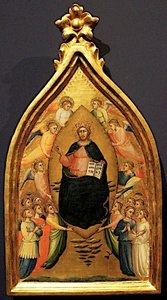
Mariotto di Nardo
1365 - 1424 , Italien
Kurzinfos
- Artistic Movement Or Style: Florentines Gotik
- Artists Or Movements Influenced By This Artist: ['Renaissance']
- Artists Who Influenced This Artist:
- Lorenzo Monaco
- Spinello Aretino
- Niccolò di Pietro Gerini
- Date Of Birth: Vor 1365
- Date Of Death: Zwischen 1424 und 1427
- Full Name: Mariotto di Nardo
- Nationality: Italienisch
- Notable Artworks:
- Deploration
- Christ au Sepulcre
- Scenes from Life of Christ
- Place Of Birth: Florenz, Italien
Ähnliche Artikel

Giotto di Bondone: Die 25 Meisterwerke des Frührenaissance – Kunst für Ihr Zuhause
Entdecken Sie die 25 Meisterwerke von Giotto di Bondone! Erleben Sie die Frührenaissance, religiöse Kunst & ikonische Fresken wie in der Scrovegni Kapelle. Hochwertige Kunstdrucke online bei ArtsDot.com – für zeitlose Eleganz in Ihrem Zuhause.
The Shadow of Faith: Exploring Gothic Art's Spiritual Intensity & Architectural Innovation
Explore the spiritual intensity & architectural innovation of Gothic art! Discover the symbolism behind cathedrals, stained glass & master artists like Giotto and Monet. A deep dive into medieval history & artistic expression.
The Radiant Dusk of Medieval Vision: Exploring Late Gothic Art's Synthesis of Faith, Form & Emotionality (c. 1300-1500)
Explore the exquisite beauty & spiritual depth of Late Gothic art (c. 1300-1500). Discover key artists, symbolism, and its lasting influence on the Renaissance. Expert insights at ArtsDot.
Top 25 Kunstwerke der Biennale Venedig: Meisterwerke für Ihr Zuhause | ArtsDot
Entdecken Sie die 25 bedeutendsten Kunstwerke der Biennale Venedig! Erfahren Sie die Geschichten hinter berühmten Gemälden, Künstlern und Stilen. Hochwertige Kunstdrucke & Reproduktionen für Ihr Zuhause – jetzt auf ArtsDot.com!
Jacob Henricus Maris: Meister des niederländischen Stimmungsrealismus und der intimen Landschaft
Entdecken Sie das Werk von Jacob Henricus Maris, einem Meister des niederländischen Stimmungsrealismus! Erfahren Sie mehr über seine Landschaftsmalerei, Einflüsse und berühmte Gemälde. Jetzt lesen & inspirieren lassen!

