 Vorschau anzeigen
 Versenden
 Teilen
 Details anzeigen

 Herunterladen
 Ähnliche Objekte
 Röntgenaufnahme
 Diashow
 Statistiken
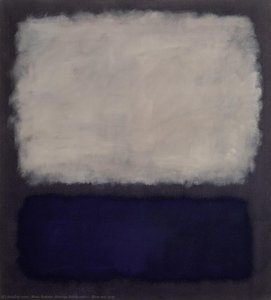
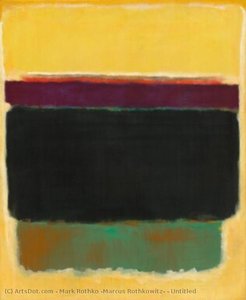
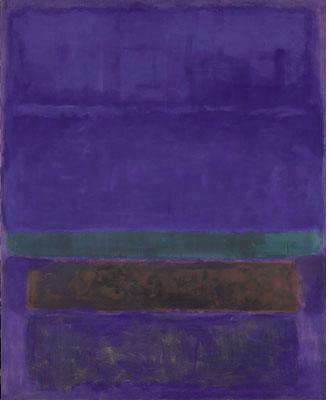
Untitled (Blue, Green, and Brown)

 Weiterlesen
Giclée / Kunstdruck
Giclée- oder Leinwanddruck in Museumsqualität mit schneller Produktion und flexiblen Veredelungsoptionen. ( Handgemalte Reproduktion bestellen Zum digitalen Bild wechseln)




P118B $10

P118H $10

P118W $10

P438Z $10

P508JH $12

P508YH $12

P805H $10

P805Z $10

P919BZ $10

P919G $10

P919XJ $10

P959ZH $10

P968JZ $12

W106C $8

W218G $10

W218JH $8

W218Y $10

W307PJ $10

W316G $10

W316PJ $8

W316Y $10

W398PJ $8

W4111J $10

W500HY $15

W500JH $15

W692G $12

W849H $8

W940BG $15

W953PJ $8




Wählen Sie aus unseren vordefinierten Formaten, die den ursprünglichen Proportionen des Kunstwerks entsprechen.

Sie können Ihre eigenen Maße eingeben, um ein bestimmtes Format oder einen speziellen Platz einzupassen. Wenn das von Ihnen gewählte Format nicht den Proportionen des Originalbildes entspricht, werden wir das Kunstwerk entweder beschneiden oder das Bild mit einem gespiegelten oder einfarbigen Rand erweitern. Ein digitaler Entwurf wird Ihnen zur Genehmigung zugesandt, bevor die Produktion beginnt.
Bitte beachten Sie, dass die Vorschau auf dem Bildschirm nicht den tatsächlichen Zuschnitt oder die Erweiterung widerspiegelt. Nur der Entwurf zeigt die endgültige Komposition präzise an.
Obwohl Sondermaße verfügbar sind, empfehlen wir die Auswahl eines Maßes aus der vordefinierten Liste, um die ursprünglichen Proportionen zu bewahren.
Weltweiter Versand () innerhalb von 2 Wochen statt der üblichen 4/5 Wochen. (11 September)

Kostenloser weltweiter Expressversand

Hochwertige Leinenleinwand

Umfassender Versicherungsschutz beim Versand

Zollgebühren-Rückerstattungsgarantie

Garantie für exakte Farbtreue

100-Tage-Rückgaberecht (nur bei Mängeln)

100% Geld-zurück-Garantie

Mengenrabatt verfügbar
 Die Glasoption ist nur für Größen unter 110 cm verfügbar.

Untitled (Blue, Green, and Brown)
Giclée / Kunstdruck
Format der Reproduktion
-


Gesamtpreis
$ 62
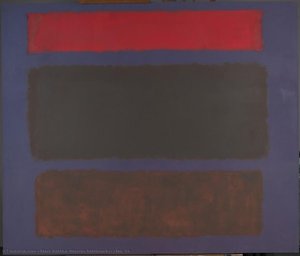
Mark Rothko’s ‘Blue, Green, and Brown’: A Meditation on Color and Emotion
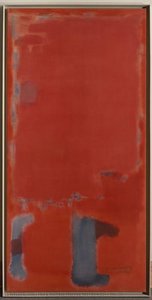
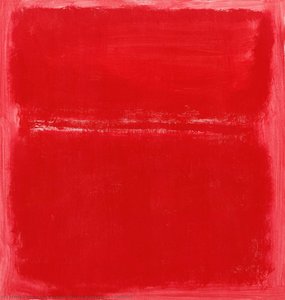
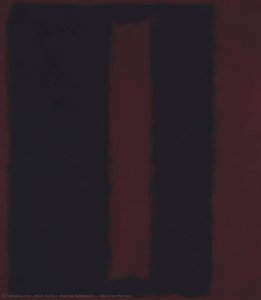
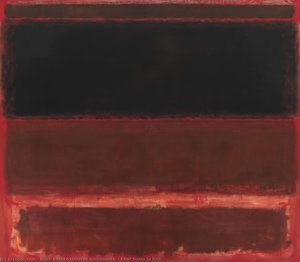
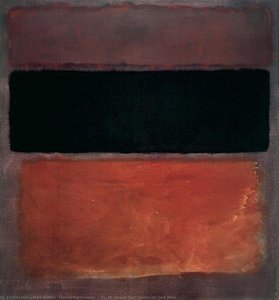
Mark Rothko's Blue, Green, and Brown (1952) stands as a monumental achievement within the American abstract expressionist movement. More than simply a painting, it is an immersive experience—a carefully constructed space designed to evoke profound emotional responses in the viewer. Created during a pivotal period of Rothko’s artistic development, this work exemplifies his signature style: vast rectangular blocks of color stacked vertically against a subtly textured ground, creating a sense of depth and ambiguity that continues to captivate audiences today.
The painting's genesis lies in Rothko’s deliberate exploration of the relationship between color and human experience. He sought to move beyond representational imagery, aiming instead to capture fundamental aspects of existence – sorrow, joy, spirituality – through pure chromatic form. Rothko himself described his process as “an anecdote of the spirit,” a phrase that encapsulates the painting's core intention: not to depict something recognizable, but to offer a visceral encounter with emotion itself. The seemingly simple arrangement of blue, green, and brown is, in fact, the result of meticulous layering and glazing techniques, building up complex tonal variations within each block.
Color as Symbol and Atmosphere
The choice of these specific colors is profoundly significant. Rothko’s use of blue—a color often associated with melancholy, introspection, and spirituality—dominates the composition, creating a sense of quiet contemplation. The green introduces an element of vitality and growth, yet remains subdued, suggesting a restrained energy. Finally, the brown provides grounding and stability, anchoring the vertical forms within the canvas. These colors aren’t merely decorative; they are carefully calibrated to create a specific atmosphere—one that is both unsettling and deeply moving.
Rothko's technique involved applying thin layers of oil paint, building up color through multiple glazes. This process allowed him to achieve remarkable luminosity and depth within the rectangular forms, creating an illusion of three-dimensionality. The subtle variations in tone—the way light catches on the edges of each block—are crucial to the painting’s impact, inviting the viewer to lose themselves in its surface.
Contextualizing Rothko's Vision
Blue, Green, and Brown was created during a period of intense experimentation within abstract expressionism. While artists like Jackson Pollock were embracing gestural abstraction, Rothko sought a more controlled and contemplative approach. His work reflects the broader anxieties and spiritual questioning of post-war America, grappling with themes of mortality, isolation, and the search for meaning in a rapidly changing world.
The painting’s eventual placement within the Rothko Chapel in Houston, Texas—a space designed to foster contemplation and spiritual reflection—further solidified its significance. The chapel's architecture, with its darkened walls and soaring ceilings, was specifically conceived to enhance the impact of Rothko’s monumental canvases. This setting underscores the artist’s ambition: to create works that transcend mere decoration and become genuine spaces for emotional and spiritual engagement.
A Timeless Masterpiece
Blue, Green, and Brown remains one of Mark Rothko's most iconic paintings, a testament to his profound understanding of color and its ability to evoke powerful emotions. Its enduring appeal lies in its simplicity, its ambiguity, and its capacity to connect with viewers on a deeply personal level. A hand-painted reproduction offers an unparalleled opportunity to experience the full force of this masterpiece within your own space – a window into the soul of one of 20th century’s most influential artists.
Ähnliche Kunstwerke
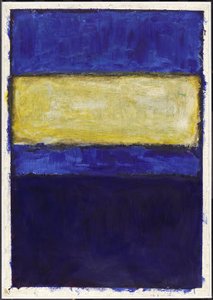
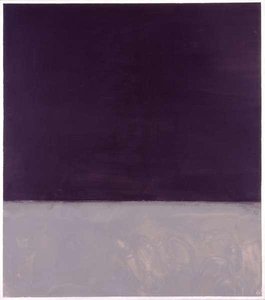
Über den Künstler
frühes Leben und Einflüsse
Mark Rothko (Marcus Rothkowitz), ein renommierter amerikanischer Künstler, wurde am 25. September 1903 in Dwinisk, Lettland, geboren. Seine Familie immigrierte als Kind, gerade zehn Jahre alt, in die Vereinigten Staaten. Diese kulturelle Veränderung beeinflusste später seinen künstlerischen Stil.künstlerische Entwicklung
Rothkos frühe Werke waren durch den **abstrakten Expressionismus** geprägt, einen Stil, der die Prozesshaftigkeit der Kunstschaffung betonte und nicht das Endprodukt. Seine Gemälde, wie No. 18 (1948) und Untitled (1948), zeigten seinen einzigartigen Ansatz für Farbe und Form.- **Farbfeld:** Rothkos Verwendung von kräftigen, rechteckigen Farbflächen, oft in scharfem Kontrast zueinander, erzeugte ein Gefühl von Tiefe und Emotion.
- **Organische Struktur:** Seine Gemälde wirkten lebendig, als wären die Farben lebendige Wesen.
Bemerkenswerte Werke und Ausstellungen
- No. 10 (1950), ein Gemälde, das einen bedeutenden Wandel in Rothkos Stil markierte, befindet sich heute im Besitz der Museum of Modern Arts.
- Die Seagram-Muralen, eine Reihe von Gemälden, die für das Restaurant Four Seasons angefertigt wurden, zeigten Rothkos Fähigkeit, seinen Stil an verschiedene Umgebungen anzupassen.
- No. 3 (1950), ein Gemälde, das Rothkos Verwendung von kräftigen, rechteckigen Farbflächen veranschaulicht.
Spätes Leben und Vermächtnis
Rothkos Leben war von Kämpfen mit psychischen Problemen und einer turbulenten Ehe geprägt. Er starb am 25. Februar 1970 im Alter von 66 Jahren. Trotz seiner Herausforderungen hinterließ Rothko einen unauslöschlichen Eindruck in der Kunstwelt. Ochre and Red on Red (Farbfeld), ein Gemälde, das Rothkos einzigartigen Ansatz für Farbe zeigt, befindet sich in der Sammlung von ArtsDot.com. Mark Rothkos Wikipedia-Seite bietet weitere Einblicke in sein Leben und seinen künstlerischen Stil.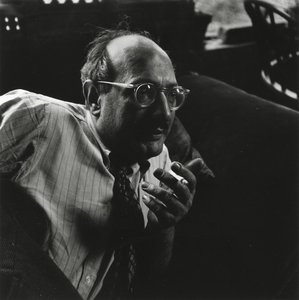
Mark Rothko
1903 - 1970 , Lettland
Kurzinfos
- Beeinflusste Künstler: ['Minimalistische Kunst']
- Bemerkenswerte Werke:
- Nr. 18 (1948)
- Nr. 10 (1950)
- Seagram-Wandbilder
- Nr. 3 (1950)
- Einflüsse:
- Surrealismus
- Marxistische Philosophie
- Geburtsdatum: 25. September 1903
- Geburtsort: Daugavpils, Lettland
- Künstlerische Bewegung: Abstrakter Expressionismus
- Nationalität: Amerikanisch
- Todatum: 25. Februar 1970
- Vollständiger Name: Mark Rothko / Marcus Rothkowitz
Ähnliche Artikel
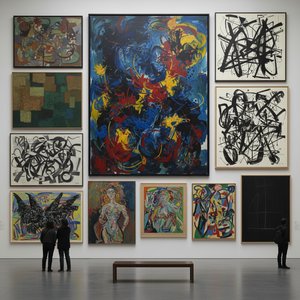
Abstrakter Expressionismus: Die 10 Meisterwerke, die eine Kunstbewegung prägten |
Entdecken Sie die 10 Meisterwerke des Abstrakten Expressionismus! Von Jackson Pollock bis Mark Rothko – erfahren Sie die Geschichten hinter ikonischen Gemälde und finden Sie hochwertige Reproduktionen für Ihr Zuhause. Jetzt bei entdecken!

Die Top 10 Gemälde in Schattierungen von 'Slate Blue': Kunst für Ihr Zuhause
Entdecken Sie die Top 10 Gemälde in faszinierenden 'Slate Blue' Tönen! Von Monet bis Manet – erleben Sie Kunstgeschichte und lassen Sie sich von Meisterwerken inspirieren. Hochwertige Kunstdrucke auf
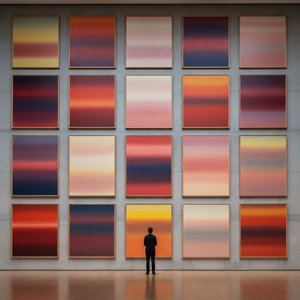
Mark Rothkos Meisterwerke: Die Top 25 für Kunstliebhaber | ArtsDot
Entdecken Sie die 25 Meisterwerke von Mark Rothko! Tauchen Sie ein in die Welt der abstrakten Kunst, des Expressionismus und der Farbfeldmalerei. Hochwertige Kunstdrucke & Reproduktionen auf ArtsDot.com – für Ihre Wohnräume.

Kandinsky: Die 25 Meisterwerke des Abstrakten – Kunst für Ihr Zuhause | ArtsDot
Entdecken Sie die 25 bedeutendsten Gemälde von Wassily Kandinsky! Tauchen Sie ein in die Welt der abstrakten Kunst, des Expressionismus und der Farbkomposition. Hochwertige Kunstdrucke & Inspiration für Ihr Zuhause auf ArtsDot.com.
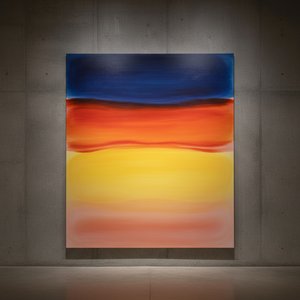
Die Sublimität der Farbe: Mark Rothkos emotionale Landschaften des Abstrakten Expressionismus
Entdecken Sie die tiefgründige Welt von Mark Rothko und dem Abstrakten Expressionismus. Expertenanalyse der Farbfeldmalerei, ihre emotionale Tiefe & bleibenden Einfluss. Jetzt lesen!