

 Vorschau anzeigen
 Versenden
 Teilen
 Details anzeigen

 Herunterladen
 Ähnliche Objekte
 Röntgenaufnahme
 Diashow
 Statistiken
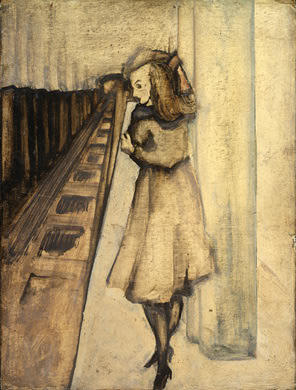
Untitled (woman in subway)


 Weiterlesen
Erwerben Sie ein hochauflösendes, optimiertes digitales Bild, das der Online-Vorschau weit überlegen ist.
Jede Datei wird von unseren hauseigenen Spezialisten mit modernsten Werkzeugen und fachmännischer manueller Retusche sorgfältig vorbereitet. Wir stellen sicher, dass jedes Bild eine außergewöhnliche Klarheit, präzise Farbgenauigkeit und feinste Details aufweist.
Die endgültige Datei wird innerhalb von 72 Stunden per E-Mail zugestellt und ist für den sofortigen Einsatz in professionellen, redaktionellen und Druckumgebungen optimiert. Es handelt sich um dieselbe Qualität, der führende Designstudios, Verlage und Galerien vertrauen.
Digitales Bild
Laden Sie eine hochauflösende Datei für die persönliche Präsentation, den Druck und kreative Projekte herunter. ( Zu Druck wechseln Handgemalte Reproduktion bestellen)
In jeder Bestellung digitaler Bilder enthalten
Professionelle digitale Bereitstellung, garantiert
Wenn Sie sich für ArtsDot.com entscheiden, erhalten Sie nicht nur ein Bild – Sie erhalten ein professionell aufbereitetes digitales Kunstwerk, das mit höchster Präzision erstellt und durch eine Zufriedenheitsgarantie abgesichert wird. Hier ist alles, was automatisch mit Ihrer Bestellung geliefert wird:

Schnelle E-Mail-Zustellung
Ihre hochauflösende digitale Bilddatei wird Ihnen innerhalb von 72 Stunden nach der Bestellung per E-Mail zugestellt – bereit zur sofortigen Verwendung.

KI-optimierte digitale Datei
Ihre Kunstwerke werden professionell mithilfe fortschrittlicher KI-Tools und manueller Bearbeitung optimiert, um maximale Detailtreue, Klarheit und Farbgenauigkeit zu gewährleisten.

Lebenslanger kostenloser Neudruckservice
Datei versehentlich gelöscht oder verloren? Keine Sorge – wir senden sie Ihnen jederzeit kostenlos erneut zu.

Keine Einfuhrgebühren – jemals
Genießen Sie Ihr Kunstwerk sofort ohne Zollgebühren, Einfuhrabgaben oder Versandkosten – digitale Downloads sind immer steuerfrei.

Garantierte Farbtreue
Wir garantieren, dass Ihr digitales Bild mithilfe professioneller Werkzeuge und Farbmanagement die Originalfarben so präzise wie möglich wiedergibt.

100-Tage-Zufriedenheitsgarantie
Wenn Sie mit Ihrem digitalen Bild nicht zufrieden sind, werden wir es überarbeiten oder 100% innerhalb von 100 Tagen erstatten – ohne Wenn und Aber.

100% Geld-zurück-Garantie
Nicht zufrieden? Erhalten Sie innerhalb von 100 Tagen nach Erhalt Ihrer digitalen Datei eine vollständige Rückerstattung – ohne Wenn und Aber.

Rabatte bei Großbestellungen
3 Bilder kaufen, 10% sparen – 5 Bilder kaufen, 15% sparen – Ab 10 Bildern 20% sparen. Ideal für kreative Projekte, Galerien und Agenturen.
Mark Rothko’s ‘Untitled (Woman in Subway)’ – A Meditation on Urban Isolation
Mark Rothko's 'Untitled (Woman in Subway)' is not merely a depiction of a solitary figure; it’s a profound exploration of human experience within the anonymous, often isolating, environment of the urban landscape. Executed in stark black and white, the painting immediately draws the viewer into its quiet drama, mirroring the muted tones and contemplative mood of a subway platform. The woman, rendered with an almost skeletal simplicity, embodies a universal sense of displacement – a feeling acutely relevant to the modern condition. Rothko’s masterful use of negative space amplifies this effect, emphasizing her vulnerability against the implied backdrop of countless faces and hurried movements.
- Subject Matter: The painting centers on a woman in a subway setting, capturing a fleeting moment of introspection amidst the relentless flow of urban life.
- Style: Rothko’s signature style is evident – reductive forms, layered blocks of color (though here rendered in monochrome), and an emphasis on emotional resonance over representational accuracy.
- Technique: The work demonstrates Rothko's meticulous layering technique, building up the image through multiple applications of paint, creating a textured surface that invites close observation.
Historical Context & the Rise of Abstract Expressionism
Created during the mid-20th century, ‘Untitled (Woman in Subway)’ reflects the broader trajectory of Abstract Expressionism, a movement born from the anxieties and uncertainties following World War II. Rothko, along with Jackson Pollock and Willem de Kooning, sought to express profound emotional truths through non-objective forms, rejecting traditional representational art. The post-war era saw a growing sense of alienation and disillusionment, themes that deeply resonated with Rothko’s own experiences – his childhood in Latvia marked by displacement and loss. This context informs the painting's inherent melancholy, prompting viewers to confront questions about identity, loneliness, and the human condition.
- Abstract Expressionism: The work is a key example of Abstract Expressionism’s focus on conveying emotion through non-figurative forms.
- Post-War Anxiety: Rothko's exploration of isolation reflects the broader societal anxieties of the time.
- Latvian Roots: His personal history, particularly his early life in Latvia, profoundly influenced his artistic vision and thematic concerns.
Symbolism & Emotional Resonance
The woman’s posture – leaning against the bench with her hand extended – suggests a moment of quiet contemplation, perhaps a brief respite from the relentless pace of the subway. Her averted gaze hints at an unspoken narrative, inviting the viewer to project their own emotions and experiences onto the scene. The bench itself becomes a symbol of temporary refuge, a fragile boundary between the individual and the overwhelming mass of humanity. Rothko’s deliberate use of monochrome further intensifies this emotional impact, stripping away any distractions and focusing solely on the raw essence of human feeling. The composition evokes a sense of anticipation – what is she waiting for? What thoughts occupy her mind?
- The Bench: Represents temporary refuge and isolation.
- Averted Gaze: Suggests introspection and unspoken narratives.
- Monochrome Palette: Amplifies the emotional impact, focusing on raw feeling.
Collecting & Interior Design Applications
'Untitled (Woman in Subway)' is a compelling addition to any art collection, offering a timeless meditation on human experience. Its stark simplicity and evocative atmosphere make it equally suitable for contemporary interior design spaces. The monochrome palette lends itself beautifully to minimalist aesthetics, while the painting’s inherent drama adds a touch of sophistication and intrigue. ArtsDot.com offers meticulously crafted hand-painted reproductions that faithfully capture Rothko's artistic vision, ensuring that this powerful work can be enjoyed by art lovers and collectors worldwide.
Ähnliche Kunstwerke
Biografie des Künstlers
frühes Leben und Einflüsse
Mark Rothko (Marcus Rothkowitz), ein renommierter amerikanischer Künstler, wurde am 25. September 1903 in Dwinisk, Lettland, geboren. Seine Familie immigrierte als Kind, gerade zehn Jahre alt, in die Vereinigten Staaten. Diese kulturelle Veränderung beeinflusste später seinen künstlerischen Stil.künstlerische Entwicklung
Rothkos frühe Werke waren durch den **abstrakten Expressionismus** geprägt, einen Stil, der die Prozesshaftigkeit der Kunstschaffung betonte und nicht das Endprodukt. Seine Gemälde, wie No. 18 (1948) und Untitled (1948), zeigten seinen einzigartigen Ansatz für Farbe und Form.- **Farbfeld:** Rothkos Verwendung von kräftigen, rechteckigen Farbflächen, oft in scharfem Kontrast zueinander, erzeugte ein Gefühl von Tiefe und Emotion.
- **Organische Struktur:** Seine Gemälde wirkten lebendig, als wären die Farben lebendige Wesen.
Bemerkenswerte Werke und Ausstellungen
- No. 10 (1950), ein Gemälde, das einen bedeutenden Wandel in Rothkos Stil markierte, befindet sich heute im Besitz der Museum of Modern Arts.
- Die Seagram-Muralen, eine Reihe von Gemälden, die für das Restaurant Four Seasons angefertigt wurden, zeigten Rothkos Fähigkeit, seinen Stil an verschiedene Umgebungen anzupassen.
- No. 3 (1950), ein Gemälde, das Rothkos Verwendung von kräftigen, rechteckigen Farbflächen veranschaulicht.
Spätes Leben und Vermächtnis
Rothkos Leben war von Kämpfen mit psychischen Problemen und einer turbulenten Ehe geprägt. Er starb am 25. Februar 1970 im Alter von 66 Jahren. Trotz seiner Herausforderungen hinterließ Rothko einen unauslöschlichen Eindruck in der Kunstwelt. Ochre and Red on Red (Farbfeld), ein Gemälde, das Rothkos einzigartigen Ansatz für Farbe zeigt, befindet sich in der Sammlung von ArtsDot.com. Mark Rothkos Wikipedia-Seite bietet weitere Einblicke in sein Leben und seinen künstlerischen Stil.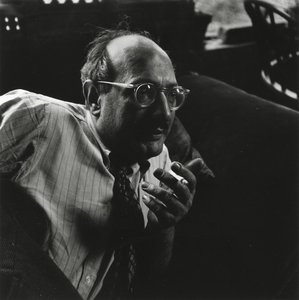
Mark Rothko
1903 - 1970 , Lettland
Kurzinfos
- Beeinflusste Künstler: ['Minimalistische Kunst']
- Bemerkenswerte Werke:
- Nr. 18 (1948)
- Nr. 10 (1950)
- Seagram-Wandbilder
- Nr. 3 (1950)
- Einflüsse:
- Surrealismus
- Marxistische Philosophie
- Geburtsdatum: 25. September 1903
- Geburtsort: Daugavpils, Lettland
- Künstlerische Bewegung: Abstrakter Expressionismus
- Nationalität: Amerikanisch
- Todatum: 25. Februar 1970
- Vollständiger Name: Mark Rothko / Marcus Rothkowitz