 Vorschau anzeigen
 Versenden
 Teilen
 Details anzeigen

 Herunterladen
 Ähnliche Objekte
 Röntgenaufnahme
 Diashow
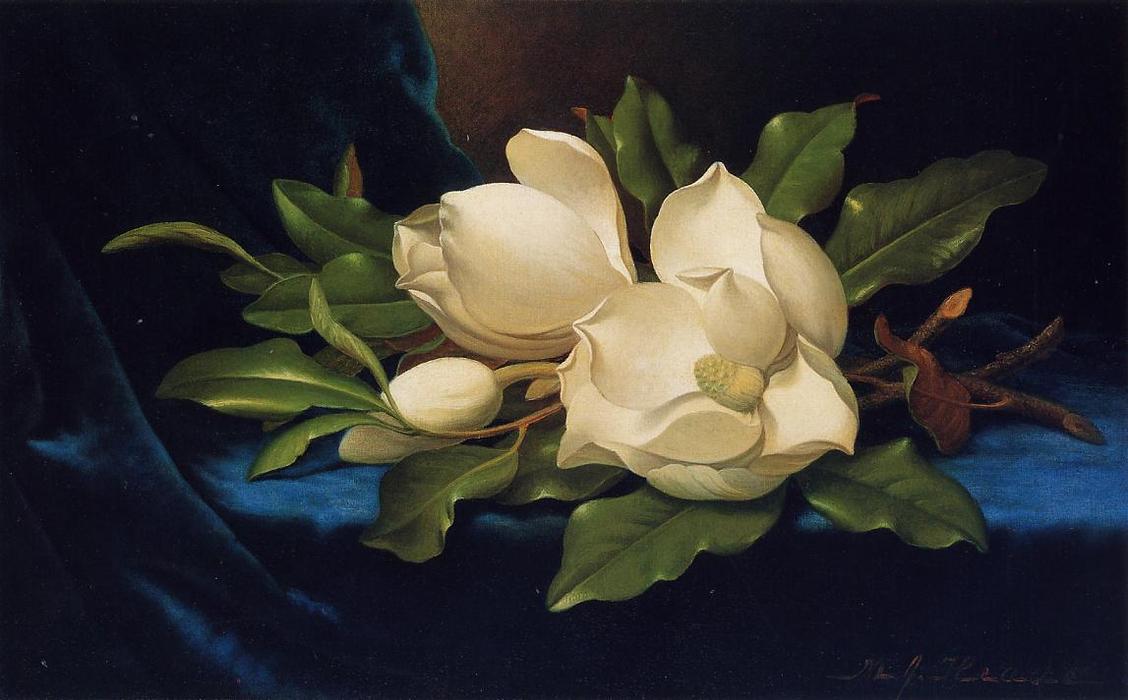
Giant Magnolias on a Blue Velvet Cloth


 Weiterlesen
Giclée / Kunstdruck
Giclée- oder Leinwanddruck in Museumsqualität mit schneller Produktion und flexiblen Veredelungsoptionen. ( Handgemalte Reproduktion bestellen Bild kaufen)




P118B $10

P118H $10

P118W $10

P438Z $10

P508JH $12

P508YH $12

P805H $10

P805Z $10

P919BZ $10

P919G $10

P919XJ $10

P959ZH $10

P968JZ $12

W106C $8

W218G $10

W218JH $8

W218Y $10

W307PJ $10

W316G $10

W316PJ $8

W316Y $10

W398PJ $8

W4111J $10

W500HY $15

W500JH $15

W692G $12

W849H $8

W940BG $15

W953PJ $8




Wählen Sie aus unseren vordefinierten Formaten, die den ursprünglichen Proportionen des Kunstwerks entsprechen.

Sie können Ihre eigenen Maße eingeben, um ein bestimmtes Format oder einen speziellen Platz einzupassen. Wenn das von Ihnen gewählte Format nicht den Proportionen des Originalbildes entspricht, werden wir das Kunstwerk entweder beschneiden oder das Bild mit einem gespiegelten oder einfarbigen Rand erweitern. Ein digitaler Entwurf wird Ihnen zur Genehmigung zugesandt, bevor die Produktion beginnt.
Bitte beachten Sie, dass die Vorschau auf dem Bildschirm nicht den tatsächlichen Zuschnitt oder die Erweiterung widerspiegelt. Nur der Entwurf zeigt die endgültige Komposition präzise an.
Obwohl Sondermaße verfügbar sind, empfehlen wir die Auswahl eines Maßes aus der vordefinierten Liste, um die ursprünglichen Proportionen zu bewahren.
Weltweiter Versand () innerhalb von 2 Wochen statt der üblichen 4/5 Wochen. (23 August)

Kostenloser weltweiter Expressversand

Hochwertige Leinenleinwand

Umfassender Versicherungsschutz beim Versand

Zollgebühren-Rückerstattungsgarantie

Garantie für exakte Farbtreue

60 Tage Rückgaberecht (nur bei Mängeln)

100% Geld-zurück-Garantie

Mengenrabatt verfügbar
 Die Glasoption ist nur für Größen unter 110 cm verfügbar.

Giant Magnolias on a Blue Velvet Cloth
Giclée / Kunstdruck
Format der Reproduktion
-


Gesamtpreis
$ 62
Sammlerstück-Beschreibung
A Moment Frozen in Velvet: Martin Johnson Heade’s “Giant Magnolias on a Blue Velvet Cloth”
Martin Johnson Heade's "Giant Magnolias on a Blue Velvet Cloth," painted in 1890, isn’t merely a depiction of flowers; it’s an immersion into a realm of luminous stillness and sensual beauty. This exquisite work, now residing within the National Gallery of Art, exemplifies the height of Luminism – a style Heade pioneered that sought to capture the fleeting effects of light and atmosphere with remarkable subtlety and grace. More than just botanical illustration, this painting is a meditation on color, texture, and the quiet poetry of nature’s embrace.
Heade, born in rural Pennsylvania and later finding his artistic voice amidst the vibrant art scene of New York City, possessed an uncanny ability to translate the ephemeral qualities of light onto canvas. Unlike the grand landscapes favored by some of his contemporaries, Heade focused on intimate scenes – often featuring flowers, hummingbirds, or marshlands – where he could meticulously dissect and recreate the delicate dance between illumination and shadow. “Giant Magnolias” is a testament to this skill, showcasing an almost photographic precision in rendering the velvety petals, the subtle gradations of color, and the way light seems to spill across the surface of the velvet cloth.
The Language of Light: Technique and Composition
The painting’s power lies not just in its subject matter but also in Heade's masterful technique. He employed a broken brushstroke method – applying paint in small, irregular dabs rather than smooth, blended layers – to create an illusion of shimmering light and texture. The colors are remarkably muted, dominated by pale pinks, creams, and blues, yet they vibrate with intensity. Notice how the artist uses highlights to draw the eye to the central clusters of blossoms, while shadows subtly define their form and add depth to the composition.
The arrangement is carefully considered. The three main flower groupings are strategically placed, creating a sense of balance and harmony. The inclusion of a single leaf near the top right corner adds a touch of naturalism and prevents the scene from feeling overly staged. The dark blue velvet cloth itself isn’t simply a backdrop; it's an active participant in the painting, absorbing and reflecting light to create a rich, tactile surface that invites the viewer to reach out and touch.
Symbolic Resonance: Flowers, Light, and the American Spirit
Beyond its aesthetic beauty, “Giant Magnolias” is imbued with symbolic meaning. The magnolias themselves are associated with purity, grace, and Southern charm – qualities that resonated deeply within American culture at the time of the painting’s creation. The abundant light, a hallmark of Luminism, represents divine presence and spiritual illumination. It suggests a moment of transcendent beauty, a pause in the everyday world where one can connect with something larger than oneself.
Furthermore, Heade's focus on domestic scenes – flowers arranged on velvet cloths – reflects a shift in American art away from grand historical narratives towards more intimate and personal subjects. This emphasis on the beauty of the ordinary, coupled with his masterful use of light and color, helped to establish Heade as one of the most important figures in the development of American landscape painting.
A Timeless Appeal: For Collectors and Interior Designers
“Giant Magnolias on a Blue Velvet Cloth” remains a captivating work of art today, offering a glimpse into the artistic sensibilities of a bygone era. Its delicate beauty, masterful technique, and rich symbolism continue to resonate with viewers across generations. Reproductions of this painting are highly sought after by collectors and interior designers alike, who appreciate its ability to bring a sense of tranquility and elegance to any space.
Whether displayed in a formal gallery or a cozy living room, “Giant Magnolias” serves as a reminder of the enduring power of art to transport us to another world – a world where light, color, and beauty reign supreme. Its quiet grandeur invites contemplation and offers a moment of respite from the complexities of modern life.
Ähnliche Kunstwerke


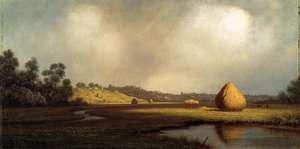
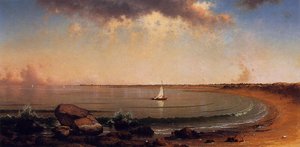

Über den Künstler
Frühes Leben und Ausbildung
Martin Johnson Heade, ein amerikanischer Maler, wurde am 11. August 1819 in Lumberville, Pennsylvania, geboren. Seine frühen Jahre waren von einer starken Neigung zur Kunst geprägt, was ihn dazu veranlasste, unter der Anleitung von Edward Hicks und möglicherweise Thomas Hicks zu studieren. Diese grundlegende Ausbildung legte den Grundstein für seine zukünftigen künstlerischen Bestrebungen.Künstlerische Karriere
Heades künstlerische Karriere lässt sich grob in mehrere Phasen einteilen, die jeweils durch eine deutliche Verschiebung seines Themas und Stils gekennzeichnet sind. Zunächst konzentrierte er sich auf Porträts, wobei sein früheste bekannte Arbeit ein Porträt aus dem Jahr 1839 war. Anschließend reiste er nach Europa, wo er verschiedenen künstlerischen Einflüssen ausgesetzt war.- Heades Werk zeigte zunehmend Interesse an Landschaftsmalerei, insbesondere nachdem er Künstler der Hudson River School wie John Frederick Kensett und Benjamin Champney getroffen hatte.
- Seine Reisen nach Brasilien (1863-1864) und anschließende Reisen nach Nicaragua, Kolumbien, Panama und Jamaika (1866 und 1870) beeinflussten seine Arbeit tiefgreifend und führten zu einer Reihe kleiner Gemälde mit Darstellung von Kolibris.
- Heades späte Jahre in St. Augustine, Florida, waren durch einen verstärkten Fokus auf Stillleben gekennzeichnet, insbesondere Magnolienblüten, die auf Samtstoff gelegt wurden.
Stil und Bekannte Werke
Heades Stil ist durch einen romantischen Ansatz zu seinen Motiven gekennzeichnet, wobei oft das Zusammenspiel von Licht und Schatten betont wird. Seine bekanntesten Werke umfassen Darstellungen der Küstenmarschlandschaften Neuenglands, was dazu geführt hat, dass einige Historiker ihn als Luministen-Maler kategorisieren.- Heades Werk ist heute Teil bedeutender Museen und Sammlungen, darunter die Martin Johnson Heade Sammlung auf https://ArtsDot.com/@/martin-johnson-heide.
- Einige seiner bemerkenswerten Gemälde, wie zum Beispiel "Forked Tailed Woodnymph", sind in der Sammlung auf ArtsDot zu finden.
- Für weitere Informationen über Heades Leben und Werk besuchen Sie bitte die Wikipedia-Seite über Martin Johnson Heade.
Vermächtnis
Obwohl Martin Johnson Heade zu Lebzeiten nicht weithin bekannt war, hat seine Arbeit seit den 1940er Jahren die Aufmerksamkeit von Gelehrten und Sammlern erregt. Heute gilt er als ein bedeutender amerikanischer Künstler, wobei seine Gemälde gelegentlich an unerwarteten Orten wie auf Flohmärkten oder in Garagenverkäufen entdeckt werden. Wichtige Punkte: * Geboren: 11. August 1819, Lumberville, Pennsylvania * Gestorben: 4. September 1904 * Bekannte Werke: Marschlandschaftsbilder, Meeresblicke, Darstellungen tropischer Vögel, Lotusblüten und Stillleben * Stil: Romantischer Ansatz mit Fokus auf Licht und Schatten, kategorisiert als Luministen-Maler * Sammlungen: Bedeutende Museen und die Martin Johnson Heade Sammlung auf ArtsDot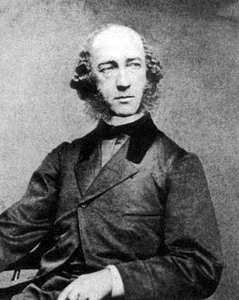
Martin Johnson Heade
1819 - 1904 , Vereinigte Staaten von Amerika
Kurzinfos
- Beeinflusste Künstler:
- John Frederick Kensett
- Benjamin Champney
- Bemerkenswerte Werke:
- Forked Tailed Woodnymph
- Salt Marsh Landscapes
- Magnolienblütenstillleben
- Geburtsdatum: 11. August 1819
- Geburtsort: Lumberville, USA
- Künstlerische Bewegung: Luminismus
- Nationalität: Amerikanisch
- Sterbedatum: 4. September 1904
- Vollständiger Name: Martin Johnson Heade
Ähnliche Artikel
Martin Johnson Heade: Luminismus, amerikanische Identität und das poetische Stillleben
Entdecken Sie das Werk von Martin Johnson Heade! Erfahren Sie mehr über den Luminismus, seine Landschaftsmalerei und die poetischen Stillleben dieses amerikanischen Meisters. Kunstexperten-Analyse & hochwertige Reproduktionen.
Blossoming Symbolism: A Historical Journey Through Flowers in Western Painting
Explore the rich history of flower symbolism in Western painting! Discover how artists from the Renaissance to Modernism used blossoms to convey meaning, emotion & beauty. Learn about iconic artworks and movements.
Silent Narratives: Exploring the Enduring Appeal of Still Life Painting Across Centuries
Explore the rich history of still life painting with ArtsDot. Discover Dutch Masters, decode vanitas symbolism & learn about collecting timeless art. Expert insights and museum-quality reproductions.
Blossoms of Time: A Historical Journey Through Flower Painting
Explore the captivating history of flower painting! Discover Dutch masters, symbolic meanings, & botanical art. Expert insights & high-quality reproductions at ArtsDot.
The Enduring Appeal of Still Life: A Historical & Contemporary Exploration
Explore the rich history & symbolism of still life painting with ArtsDot. Discover masterpieces from the Dutch Golden Age, learn about vanitas art, and find expert guidance for collecting timeless artworks.