 Vorschau anzeigen
 Versenden
 Teilen
 Details anzeigen

 Herunterladen
 Ähnliche Objekte
 Röntgenaufnahme
 Diashow
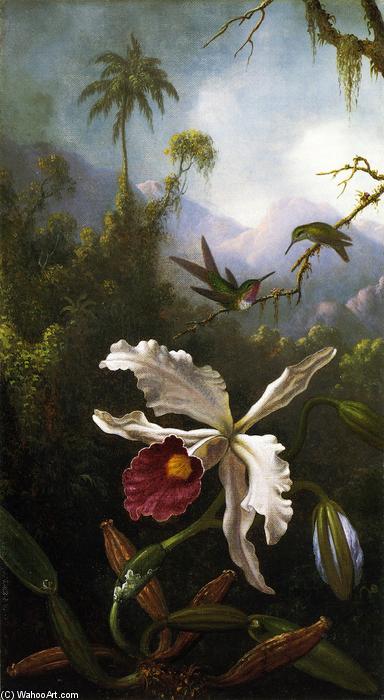
Two Hummingbirds above a White Orchid


 Weiterlesen
Handgefertigte Ölreproduktion
Handgemaltes Ölgemälde auf Leinwand in Ihrer Wunschgröße und mit Rahmen, auf Bestellung von unseren Künstlern angefertigt. ( Druck bestellen Bild kaufen)




P118B $10

P118H $10

P118W $10

P438Z $10

P508JH $12

P508YH $12

P805H $10

P805Z $10

P919BZ $10

P919G $10

P919XJ $10

P959ZH $10

P968JZ $12

W106C $8

W218G $10

W218JH $8

W218Y $10

W307PJ $10

W316G $10

W316PJ $8

W316Y $10

W398PJ $8

W4111J $10

W500HY $15

W500JH $15

W692G $12

W849H $8

W940BG $15

W953PJ $8




Wählen Sie aus unseren vordefinierten Formaten, die den ursprünglichen Proportionen des Kunstwerks entsprechen.

Sie können Ihre eigenen Maße eingeben, um einen bestimmten Rahmen oder Platz auszufüllen. Wenn die gewählte Größe nicht den Proportionen des Originalbildes entspricht, werden wir das Kunstwerk entweder beschneiden oder das Gemälde durch zusätzliche, handgemalte Elemente erweitern. Ein digitales Mockup wird Ihnen zur Genehmigung zugesandt, bevor die Produktion beginnt.
Bitte beachten Sie, dass die Bildschirmvorschau nicht die tatsächliche Beschneidung oder Erweiterung widerspiegelt. Nur das Mockup zeigt die endgültige Komposition exakt an.
Obwohl Sondermaße verfügbar sind, empfehlen wir, eine Größe aus der vordefinierten Liste zu wählen, um die ursprünglichen Proportionen beizubehalten.
Nach der Bestellung wird das ArtsDot.com-Team dem Kunden Anweisungen per E-Mail zusenden und eine Mockup-Vorschau bereitstellen.
Weltweiter Versand () in nur 3 bis 4 Wochen statt der üblichen 5 Wochen. (24 August). Keine Kompromisse bei der Qualität.

Kostenloser weltweiter Expressversand

Hochwertige Leinenleinwand

Umfassender Versicherungsschutz beim Versand

Zollgebühren-Rückerstattungsgarantie

Garantie für exakte Farbtreue

60 Tage Rückgaberecht (nur bei Mängeln)

100% Geld-zurück-Garantie

Mengenrabatt verfügbar
 Die Glasoption ist nur für Größen unter 110 cm verfügbar.

Two Hummingbirds above a White Orchid
Art der Reproduktion
Format der Reproduktion
-


Gesamtpreis
$ 263
Beschreibung des Kunstwerks
A Symphony of Emeralds and Wings: Martin Johnson Heade’s “Hummingbirds Above White Orchids”
Martin Johnson Heade's "Hummingbirds Above White Orchids," painted circa 1870, isn’t merely a depiction of flora and fauna; it’s an immersion into the heart of Luminism – a uniquely American style of landscape painting that prioritized atmosphere, light, and the sublime beauty of nature. This exquisite work, now housed in prestigious collections, captures a fleeting moment of vibrant life within the hushed serenity of a Pennsylvania forest, offering viewers a profound connection to the natural world and a glimpse into the artist’s deeply felt reverence for it.
Heade, born in 1819 in Lumberville, Pennsylvania, was profoundly shaped by his upbringing amidst the rolling hills and verdant forests of Bucks County. This intimate relationship with the landscape became the cornerstone of his artistic practice. Unlike many of his contemporaries who sought grand vistas or dramatic scenes, Heade focused on capturing the subtle nuances of light filtering through foliage, the delicate textures of leaves and petals, and the quiet grace of wildlife. His meticulous observation and patient rendering process resulted in paintings that possess an almost palpable sense of stillness and tranquility – a quality deeply rooted in his Luminist philosophy.
The Language of Light: Technique and Style
The painting’s power lies largely in Heade's masterful manipulation of light. He employed a technique known as “lost-edge blending,” where he subtly layered colors to create soft transitions and atmospheric effects, mimicking the way sunlight diffuses through the forest canopy. The dappled light, rendered with delicate brushstrokes, seems to shimmer across the leaves and illuminate the vibrant white orchids at the painting’s center. Notice how Heade doesn't simply paint the orchids; he captures their luminosity, suggesting a radiant glow emanating from within. The background is deliberately muted – a wash of greens and browns – allowing the foreground subjects to command attention without overwhelming the viewer.
Heade’s palette is restrained yet remarkably effective. He favors cool greens and blues, punctuated by flashes of vibrant color in the hummingbirds' plumage and the orchid blossoms. The use of complementary colors—the blue of the shadows and the red of the birds—creates a dynamic visual harmony that draws the eye across the canvas. The brushwork itself is incredibly fine and controlled, contributing to the painting’s overall sense of delicacy and precision.
Symbolism and the American Sublime
Beyond its technical brilliance, “Hummingbirds Above White Orchids” resonates with symbolic meaning. Hummingbirds, often associated with joy, speed, and transformation, represent vitality and fleeting beauty – a potent metaphor for life’s ephemeral nature. The white orchids, symbols of purity, innocence, and grace, further enhance this theme. Together, they evoke a sense of wonder and reverence for the natural world.
The painting also speaks to the concept of the “American Sublime,” a term coined by Ralph Waldo Emerson to describe the experience of encountering vast, awe-inspiring landscapes that inspire both humility and spiritual insight. Heade’s work captures this feeling – a sense of being dwarfed by the immensity of nature while simultaneously connected to something larger than oneself. It's not simply a pretty picture; it’s an invitation to contemplate our place within the grand scheme of existence.
A Timeless Masterpiece: Reproduction and Beyond
Reproductions of “Hummingbirds Above White Orchids” offer a remarkable opportunity to bring this exquisite artwork into your home or office. The detail and luminosity captured by Heade are faithfully reproduced, allowing you to appreciate the painting’s subtle nuances and atmospheric effects. Whether displayed in a sunlit room or a more subdued setting, this piece will undoubtedly serve as a constant source of inspiration and tranquility – a reminder of the enduring beauty and power of the natural world.
Consider commissioning a hand-painted reproduction from ArtsDot.com to experience the true artistry and craftsmanship of this iconic American landscape painting. It’s more than just a print; it's a legacy, preserved for generations to come.
Ähnliche Kunstwerke
Über den Künstler
Frühes Leben und Ausbildung
Martin Johnson Heade, ein amerikanischer Maler, wurde am 11. August 1819 in Lumberville, Pennsylvania, geboren. Seine frühen Jahre waren von einer starken Neigung zur Kunst geprägt, was ihn dazu veranlasste, unter der Anleitung von Edward Hicks und möglicherweise Thomas Hicks zu studieren. Diese grundlegende Ausbildung legte den Grundstein für seine zukünftigen künstlerischen Bestrebungen.Künstlerische Karriere
Heades künstlerische Karriere lässt sich grob in mehrere Phasen einteilen, die jeweils durch eine deutliche Verschiebung seines Themas und Stils gekennzeichnet sind. Zunächst konzentrierte er sich auf Porträts, wobei sein früheste bekannte Arbeit ein Porträt aus dem Jahr 1839 war. Anschließend reiste er nach Europa, wo er verschiedenen künstlerischen Einflüssen ausgesetzt war.- Heades Werk zeigte zunehmend Interesse an Landschaftsmalerei, insbesondere nachdem er Künstler der Hudson River School wie John Frederick Kensett und Benjamin Champney getroffen hatte.
- Seine Reisen nach Brasilien (1863-1864) und anschließende Reisen nach Nicaragua, Kolumbien, Panama und Jamaika (1866 und 1870) beeinflussten seine Arbeit tiefgreifend und führten zu einer Reihe kleiner Gemälde mit Darstellung von Kolibris.
- Heades späte Jahre in St. Augustine, Florida, waren durch einen verstärkten Fokus auf Stillleben gekennzeichnet, insbesondere Magnolienblüten, die auf Samtstoff gelegt wurden.
Stil und Bekannte Werke
Heades Stil ist durch einen romantischen Ansatz zu seinen Motiven gekennzeichnet, wobei oft das Zusammenspiel von Licht und Schatten betont wird. Seine bekanntesten Werke umfassen Darstellungen der Küstenmarschlandschaften Neuenglands, was dazu geführt hat, dass einige Historiker ihn als Luministen-Maler kategorisieren.- Heades Werk ist heute Teil bedeutender Museen und Sammlungen, darunter die Martin Johnson Heade Sammlung auf https://ArtsDot.com/@/martin-johnson-heide.
- Einige seiner bemerkenswerten Gemälde, wie zum Beispiel "Forked Tailed Woodnymph", sind in der Sammlung auf ArtsDot zu finden.
- Für weitere Informationen über Heades Leben und Werk besuchen Sie bitte die Wikipedia-Seite über Martin Johnson Heade.
Vermächtnis
Obwohl Martin Johnson Heade zu Lebzeiten nicht weithin bekannt war, hat seine Arbeit seit den 1940er Jahren die Aufmerksamkeit von Gelehrten und Sammlern erregt. Heute gilt er als ein bedeutender amerikanischer Künstler, wobei seine Gemälde gelegentlich an unerwarteten Orten wie auf Flohmärkten oder in Garagenverkäufen entdeckt werden. Wichtige Punkte: * Geboren: 11. August 1819, Lumberville, Pennsylvania * Gestorben: 4. September 1904 * Bekannte Werke: Marschlandschaftsbilder, Meeresblicke, Darstellungen tropischer Vögel, Lotusblüten und Stillleben * Stil: Romantischer Ansatz mit Fokus auf Licht und Schatten, kategorisiert als Luministen-Maler * Sammlungen: Bedeutende Museen und die Martin Johnson Heade Sammlung auf ArtsDot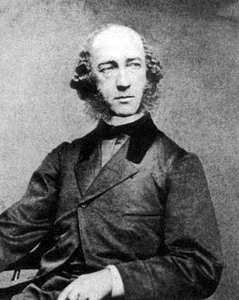
Martin Johnson Heade
1819 - 1904 , Vereinigte Staaten von Amerika
Kurzinfos
- Beeinflusste Künstler:
- John Frederick Kensett
- Benjamin Champney
- Bemerkenswerte Werke:
- Forked Tailed Woodnymph
- Salt Marsh Landscapes
- Magnolienblütenstillleben
- Geburtsdatum: 11. August 1819
- Geburtsort: Lumberville, USA
- Künstlerische Bewegung: Luminismus
- Nationalität: Amerikanisch
- Sterbedatum: 4. September 1904
- Vollständiger Name: Martin Johnson Heade
Ähnliche Artikel
Martin Johnson Heade: Luminismus, amerikanische Identität und das poetische Stillleben
Entdecken Sie das Werk von Martin Johnson Heade! Erfahren Sie mehr über den Luminismus, seine Landschaftsmalerei und die poetischen Stillleben dieses amerikanischen Meisters. Kunstexperten-Analyse & hochwertige Reproduktionen.

Romantische Landschaften: Die 10 Meisterwerke, die eine Epoche prägten | ArtsDot
Entdecken Sie die 10 Meisterwerke der Romantischen Landschaftsmalerei! Von Caspar David Friedrich bis Turner – erleben Sie die Kunst, Emotion & Natur. Hochwertige Reproduktionen auf ArtsDot.com

Evocations of Place: A Historical Journey Through Landscape Art
Explore the rich history of landscape art with ArtsDot. Discover renowned artists, movements like Impressionism & Romanticism, and expert guidance for collecting timeless pieces. Find your perfect serene escape today!

John Constable: Die 25 Meisterwerke des englischen Landschaftsgenies – ArtsDot
Entdecken Sie die 25 Meisterwerke von John Constable! Erleben Sie englische Landschaftsmalerei vom Hay Wain bis zur Stour Valley. Hochwertige Reproduktionen & Kunst für Ihr Zuhause auf ArtsDot.com.

Evocations of Place: A Historical Journey Through Landscape Art
Explore the rich history of landscape art with ArtsDot. Discover renowned artists, movements like Impressionism & tonalism, and expert guidance for collecting timeless pieces. Find your perfect serene escape today!