 Vorschau anzeigen
 Versenden
 Teilen
 Details anzeigen

 Herunterladen
 Ähnliche Objekte
 Röntgenaufnahme
 Diashow
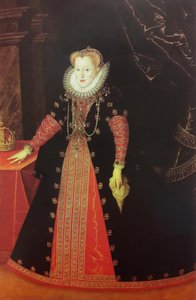
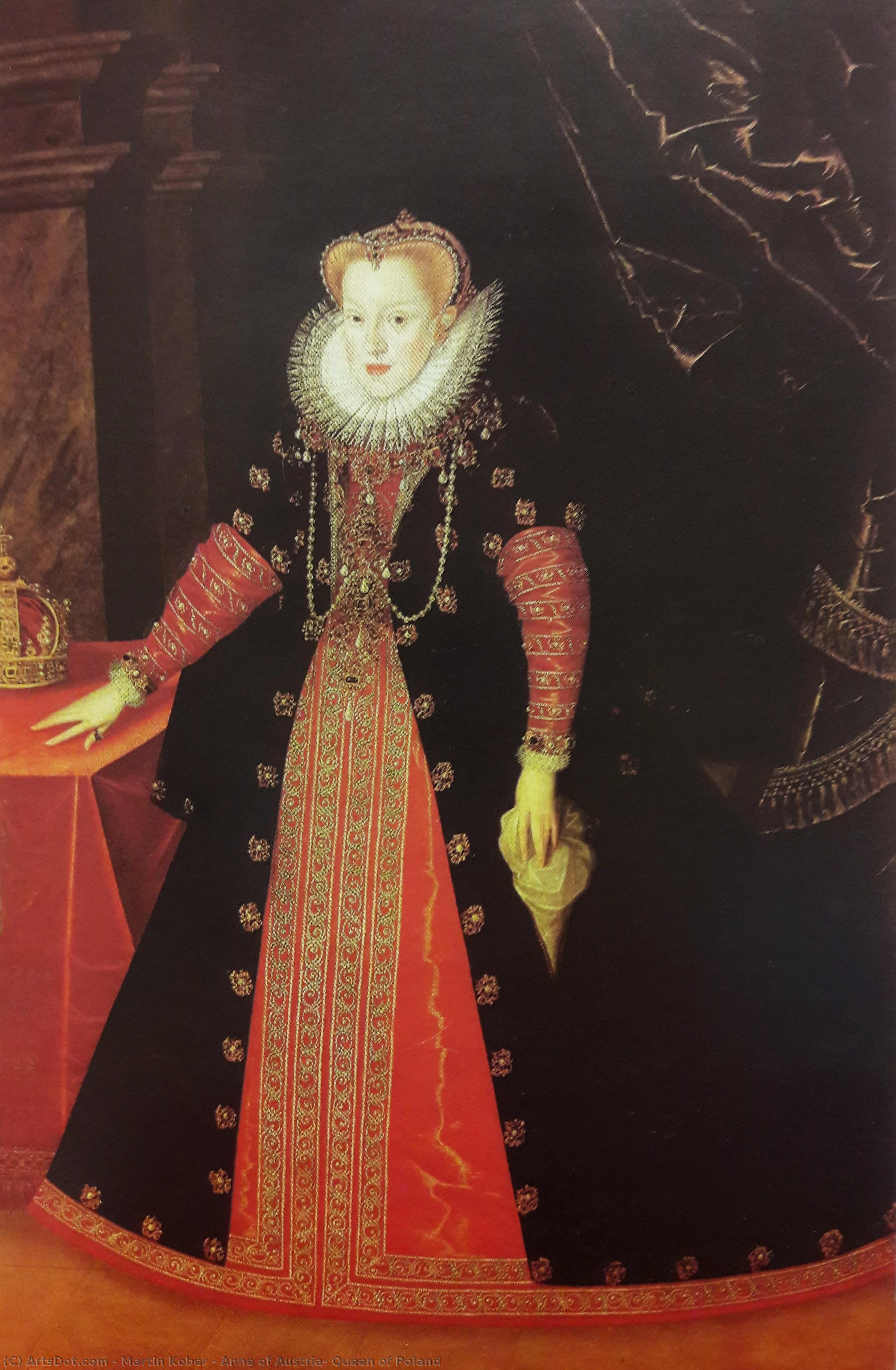
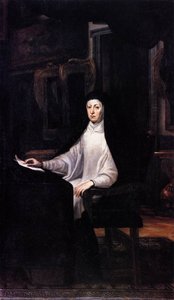
Anne of Austria, Queen of Poland


 Weiterlesen
Erwerben Sie ein hochauflösendes, optimiertes digitales Bild, das der Online-Vorschau weit überlegen ist.
Jede Datei wird von unseren hauseigenen Spezialisten mit modernsten Werkzeugen und fachmännischer manueller Retusche sorgfältig vorbereitet. Wir stellen sicher, dass jedes Bild eine außergewöhnliche Klarheit, präzise Farbgenauigkeit und feinste Details aufweist.
Die endgültige Datei wird innerhalb von 72 Stunden per E-Mail zugestellt und ist für den sofortigen Einsatz in professionellen, redaktionellen und Druckumgebungen optimiert. Es handelt sich um dieselbe Qualität, der führende Designstudios, Verlage und Galerien vertrauen.
Digitales Bild
Laden Sie eine hochauflösende Datei für die persönliche Präsentation, den Druck und kreative Projekte herunter. ( Druck bestellen Handgemalte Reproduktion bestellen)
In jeder Bestellung digitaler Bilder enthalten
Professionelle digitale Bereitstellung, garantiert
Wenn Sie sich für ArtsDot.com entscheiden, erhalten Sie nicht nur ein Bild – Sie erhalten ein professionell aufbereitetes digitales Kunstwerk, das mit höchster Präzision erstellt und durch eine Zufriedenheitsgarantie abgesichert wird. Hier ist alles, was automatisch mit Ihrer Bestellung geliefert wird:

Schnelle E-Mail-Zustellung
Ihre hochauflösende digitale Bilddatei wird Ihnen innerhalb von 72 Stunden nach der Bestellung per E-Mail zugestellt – bereit zur sofortigen Verwendung.

KI-optimierte digitale Datei
Ihre Kunstwerke werden professionell mithilfe fortschrittlicher KI-Tools und manueller Bearbeitung optimiert, um maximale Detailtreue, Klarheit und Farbgenauigkeit zu gewährleisten.

Lebenslanger kostenloser Neudruckservice
Datei versehentlich gelöscht oder verloren? Keine Sorge – wir senden sie Ihnen jederzeit kostenlos erneut zu.

Keine Einfuhrgebühren – jemals
Genießen Sie Ihr Kunstwerk sofort ohne Zollgebühren, Einfuhrabgaben oder Versandkosten – digitale Downloads sind immer steuerfrei.

Garantierte Farbtreue
Wir garantieren, dass Ihr digitales Bild mithilfe professioneller Werkzeuge und Farbmanagement die Originalfarben so präzise wie möglich wiedergibt.

60-Tage-Zufriedenheitsgarantie
Sollten Sie mit Ihrem digitalen Bild nicht zufrieden sein, werden wir es überarbeiten oder Ihnen innerhalb von 60 Tagen 100% erstatten – ohne Wenn und Aber.

100% Geld-zurück-Garantie
Nicht zufrieden? Erhalten Sie innerhalb von 60 Tagen nach Erhalt Ihrer digitalen Datei eine vollständige Rückerstattung – ohne Angabe von Gründen.

Rabatte bei Großbestellungen
3 Bilder kaufen, 10% sparen – 5 Bilder kaufen, 15% sparen – Ab 10 Bildern 20% sparen. Ideal für kreative Projekte, Galerien und Agenturen.
Ähnliche Kunstwerke


Biografie des Künstlers
The Enigmatic Landscapes of Martin Kober
Martin Kober is a contemporary artist whose work quietly commands attention, drawing viewers into meticulously crafted landscapes that resonate with both tranquility and an underlying sense of mystery. While biographical details remain somewhat elusive – Kober intentionally maintains a low profile, allowing the paintings themselves to speak most directly – his artistic journey has been one of consistent exploration within the realm of atmospheric perspective and subtle emotional expression. He emerged in the late 20th century, a period marked by a return to representational painting after decades dominated by abstraction, yet Kober’s approach is far from simply revivalist. Instead, he synthesizes traditional techniques with a distinctly modern sensibility, creating scenes that feel both familiar and otherworldly. His canvases are not depictions of specific places, but rather evocations of mood, memory, and the profound connection between humanity and the natural world.Early Influences and Artistic Development
Though details about his formal training are scarce, it’s evident that Kober possesses a deep understanding of the Old Masters – particularly the Dutch landscape painters of the 17th century like Jacob van Ruisdael and Albert Cuyp. The influence is not one of direct imitation, but rather an absorption of their mastery of light, shadow, and atmospheric effects. The meticulous detail in his rendering of foliage, water, and sky clearly echoes these traditions, yet Kober infuses his work with a contemporary palette and a more restrained emotional tone. Early works often featured solitary trees silhouetted against vast, expansive skies, hinting at themes of isolation and contemplation that would become central to his oeuvre. He gradually moved away from purely representational depictions, incorporating increasingly abstract elements into his compositions – blurred boundaries, ambiguous forms, and a heightened emphasis on color as a means of conveying emotion rather than simply describing reality. This evolution suggests an early engagement with the principles of Impressionism and Post-Impressionism, though Kober’s work ultimately transcends easy categorization.Themes and Techniques
Kober's paintings are characterized by their evocative power and subtle complexity. He frequently depicts scenes of forests, fields, and waterways, often shrouded in mist or bathed in the soft light of dawn or dusk. These landscapes are not idyllic retreats but rather spaces that invite introspection and a sense of quiet melancholy. The absence of human figures in many of his works further emphasizes this feeling of solitude, suggesting a world untouched by civilization – or perhaps one from which humanity has withdrawn. His technique is remarkably refined, employing layers of thin glazes to create luminous effects and subtle gradations of color. He often uses a limited palette, relying on variations of blues, greens, grays, and browns to convey atmosphere and mood. The surfaces of his paintings are smooth and almost seamless, creating a sense of depth and realism that draws the viewer into the scene. Kober’s mastery of light is particularly noteworthy – he captures the fleeting effects of sunlight filtering through trees, the shimmering reflections on water, and the subtle nuances of atmospheric perspective with extraordinary precision.Major Achievements and Historical Significance
While Kober has eschewed large-scale exhibitions and public recognition, his work has steadily gained a devoted following among collectors and art enthusiasts. He is represented in several private collections internationally, and his paintings have been featured in numerous smaller galleries and curated shows. His significance lies not in groundbreaking innovation but rather in the quiet perfection of his craft and the profound emotional resonance of his work.- He represents a continuation of the representational tradition in contemporary art.
- His landscapes offer a powerful antidote to the fast-paced, hyper-connected world, inviting viewers to slow down and reconnect with nature.
- Kober’s work demonstrates the enduring power of painting as a medium for expressing subtle emotions and complex ideas.