 Vorschau anzeigen
 Versenden
 Teilen
 Details anzeigen

 Herunterladen
 Ähnliche Objekte
 Röntgenaufnahme
 Diashow
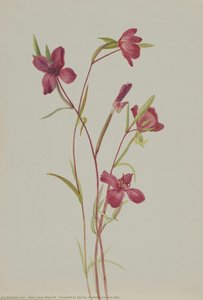
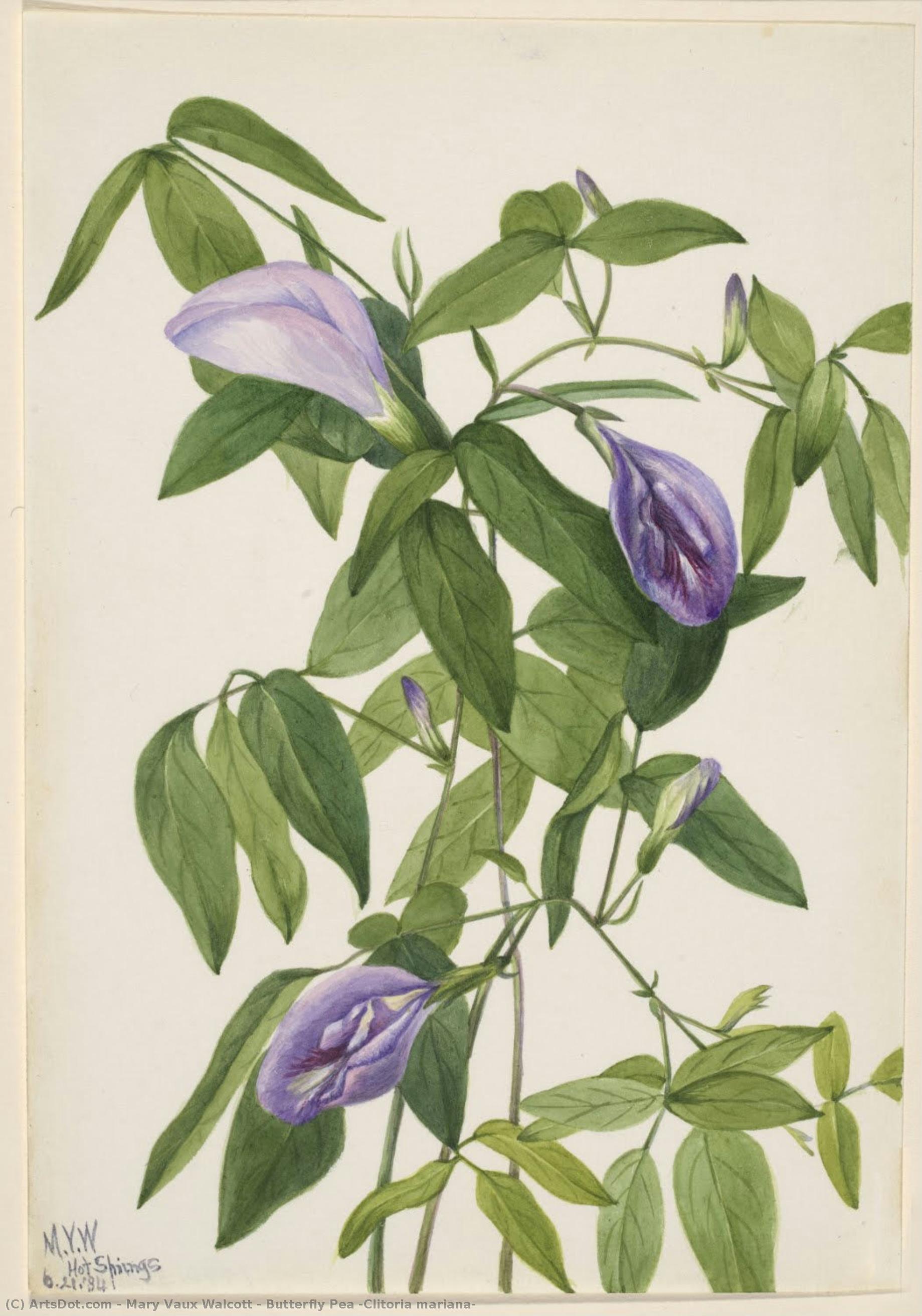
Butterfly Pea (Clitoria mariana)
 Aquarell
- Wandkunst
- American Naturalism
 1934
1934 25.0 x 17.0 cm
 Smithsonian American Art Museum
 Weiterlesen
Handgefertigte Ölreproduktion
Handgemaltes Ölgemälde auf Leinwand in Ihrer Wunschgröße und mit Rahmen, auf Bestellung von unseren Künstlern angefertigt. ( Druck bestellen Bild kaufen)




P118B $10

P118H $10

P118W $10

P438Z $10

P508JH $12

P508YH $12

P805H $10

P805Z $10

P919BZ $10

P919G $10

P919XJ $10

P959ZH $10

P968JZ $12

W106C $8

W218G $10

W218JH $8

W218Y $10

W307PJ $10

W316G $10

W316PJ $8

W316Y $10

W398PJ $8

W4111J $10

W500HY $15

W500JH $15

W692G $12

W849H $8

W940BG $15

W953PJ $8




Wählen Sie aus unseren vordefinierten Formaten, die den ursprünglichen Proportionen des Kunstwerks entsprechen.

Sie können Ihre eigenen Maße eingeben, um einen bestimmten Rahmen oder Platz auszufüllen. Wenn die gewählte Größe nicht den Proportionen des Originalbildes entspricht, werden wir das Kunstwerk entweder beschneiden oder das Gemälde durch zusätzliche, handgemalte Elemente erweitern. Ein digitales Mockup wird Ihnen zur Genehmigung zugesandt, bevor die Produktion beginnt.
Bitte beachten Sie, dass die Bildschirmvorschau nicht die tatsächliche Beschneidung oder Erweiterung widerspiegelt. Nur das Mockup zeigt die endgültige Komposition exakt an.
Obwohl Sondermaße verfügbar sind, empfehlen wir, eine Größe aus der vordefinierten Liste zu wählen, um die ursprünglichen Proportionen beizubehalten.
Nach der Bestellung wird das ArtsDot.com-Team dem Kunden Anweisungen per E-Mail zusenden und eine Mockup-Vorschau bereitstellen.
Weltweiter Versand () in nur 3 bis 4 Wochen statt der üblichen 5 Wochen. (20 August). Keine Kompromisse bei der Qualität.

Kostenloser weltweiter Expressversand

Hochwertige Leinenleinwand

Umfassender Versicherungsschutz beim Versand

Zollgebühren-Rückerstattungsgarantie

Garantie für exakte Farbtreue

60 Tage Rückgaberecht (nur bei Mängeln)

100% Geld-zurück-Garantie

Mengenrabatt verfügbar
 Die Glasoption ist nur für Größen unter 110 cm verfügbar.

Butterfly Pea (Clitoria mariana)
Art der Reproduktion
Format der Reproduktion
-


Gesamtpreis
$ 263
Beschreibung des Kunstwerks
A Whisper of Purple: Mary Vaux Walcott’s “Butterfly Pea”
“Butterfly Pea,” painted in 1934 by the remarkable Mary Vaux Walcott, isn't merely a depiction of a wildflower; it’s an immersion into a bygone era of meticulous observation and deeply felt connection with the natural world. This watercolor on paper, currently residing within the Smithsonian American Art Museum’s collection, captures a single bloom of Clitoria mariana – a plant known for its striking, almost iridescent purple petals – in exquisite detail. But to simply label it as a botanical illustration would be a profound understatement. Walcott, often dubbed “the Audubon of Botany,” infused her work with an intimate understanding of both the scientific and emotional significance of the flora she depicted, transforming each painting into a testament to her lifelong dedication.
Walcott’s artistic journey was one defined by resilience and a pioneering spirit. Born in Philadelphia during a period when societal expectations for women were rigidly confined, she defied convention by pursuing her passion for art and natural history with unwavering determination. Her early life, marked by the loss of her mother at a young age, instilled within her a profound sense of responsibility and a deep appreciation for the beauty that could be found even amidst hardship. This personal narrative profoundly shaped her artistic vision, imbuing her work with a quiet dignity and an almost reverent regard for the delicate intricacies of the natural world.
The Art of Observation: Technique and Style
What immediately strikes the viewer is Walcott’s masterful technique – a testament to years spent honing her craft. The watercolor medium, so often perceived as fleeting and ephemeral, is here wielded with astonishing control. Delicate washes build up layers of color, capturing the subtle variations in tone and texture of the petals, leaves, and stem. Notice how she expertly utilizes dry brushstrokes to suggest the velvety surface of the flower, contrasted against smooth, blended areas that evoke the translucence of its delicate form. The composition is carefully balanced, drawing the eye towards the central bloom while allowing the surrounding foliage to provide a sense of depth and context. Walcott’s meticulous attention to detail isn't simply about replicating what she saw; it’s about conveying the very essence of the plant – its vibrancy, fragility, and inherent beauty.
Beyond technique, Walcott’s style is distinctly Impressionistic in its approach to light and color. She doesn’t aim for photographic realism but rather seeks to capture the *impression* of the flower, translating its visual qualities into a luminous and evocative painting. The purple hues are particularly captivating – ranging from deep indigo to vibrant magenta – creating a sense of movement and vitality that seems to almost shimmer on the paper. This careful manipulation of color is further enhanced by her use of complementary colors, which heighten the intensity of the purple and create a harmonious balance within the composition.
Symbolism and Context: A Window into the Natural World
“Butterfly Pea” transcends its purely botanical subject matter to offer a glimpse into the broader context of early 20th-century American art and conservation. Walcott’s work coincided with a growing awareness of the importance of preserving America's natural heritage, fueled by figures like John James Audubon and Theodore Roosevelt. Her detailed illustrations played a crucial role in documenting and promoting the beauty of North American wildflowers, contributing to a burgeoning interest in botany and ecology.
The Clitoria mariana itself holds symbolic weight. Native to both North America and Asia, it represents adaptability and resilience – qualities that resonated deeply with Walcott’s own life experiences. The flower's vibrant purple color is associated with royalty, spirituality, and transformation, adding another layer of meaning to the painting. Furthermore, its delicate beauty serves as a poignant reminder of the fragility of nature and the importance of protecting it from harm.
A Legacy of Beauty: Reproduction and Inspiration
Today, “Butterfly Pea” stands as a testament to Mary Vaux Walcott’s extraordinary talent and unwavering dedication. High-quality reproductions capture much of the original's luminous quality, offering an accessible way to experience this remarkable artwork. Whether displayed in a formal gallery setting or adorning a cozy corner of your home, this painting evokes a sense of tranquility, wonder, and connection with the natural world. It’s more than just a beautiful image; it’s a window into a fascinating life story—a celebration of art, science, and the enduring power of observation.
Ähnliche Kunstwerke
Über den Künstler
Frühes Leben und Ausbildung
Mary Morris Vaux Walcott, eine amerikanische Künstlerin und Naturforscherin, wurde am 31. Juli 1860 in Philadelphia, Pennsylvania, in einer wohlhabenden quakerischen Familie geboren. Nach ihrem Abschluss von der Friends Select School in Philadelphia im Jahr 1879 entwickelte sie ein Interesse an Aquarellmalerei. Sie erhielt keine formale künstlerische Ausbildung, sondern lernte hauptsächlich durch Selbststudium und Beobachtung der Natur.Künstlerisches Schaffen und Beiträge
Mary Vaux Walcott ist vor allem für ihre Aquarellgemälde von Wildblumen bekannt, was ihr den Beinamen „die Audubon der Botanik“ einbrachte. Ihr Werk zeichnet sich durch eine außergewöhnliche Detailgenauigkeit und eine liebevolle Darstellung der Pflanzenwelt aus. Sie widmete sich hauptsächlich der botanischen Illustration und dokumentierte die Schönheit und Vielfalt nordamerikanischer Flora. Zu ihren bemerkenswertesten Werken gehören:- Untitled (Herbstblätter), ein Aquarellgemälde, das ihre Fähigkeit zeigt, die Essenz der Natur einzufangen, und das sich derzeit im Smithsonian American Art Museum befindet.
- Perennial Gaillardia (Gaillardia aristata), eine weitere Illustration, die ebenfalls im Smithsonian American Art Museum zu finden ist.
- Bourgeau Rose (Rosa bourgeauiana), ein Aquarellgemälde, das ihre Liebe zum Detail demonstriert und ebenfalls im Smithsonian American Art Museum ausgestellt ist.
- Bushpoppy (Dendromecon rigidum), ein Beispiel für ihre Arbeit bei der Darstellung der Schönheit von Flora, auch im Smithsonian American Art Museum zu sehen.
- Mexican Fremontia (Fremontodendron mexicanum), ein Aquarellgemälde, das ihr Engagement für die botanische Kunst unterstreicht und ebenfalls im Smithsonian American Art Museum aufbewahrt wird.
Persönliches Leben und Spätere Jahre
Im Jahr 1914 heiratete Mary Vaux Walcott Charles Doolittle Walcott, den Sekretär des Smithsonian Institution. Nach ihrer Heirat setzte sie ihre künstlerische Tätigkeit fort und unterstützte ihren Mann bei seinen Projekten bis zu seinem Tod im Jahr 1927. Ihre Ehe mit einem bedeutenden Wissenschaftler ermöglichte ihr einen direkten Zugang zu wissenschaftlichen Kreisen und förderte ihr Interesse an der botanischen Forschung.Vermächtnis und Bedeutung
Mary Vaux Walcotts Beiträge zur botanischen Kunst sind unbestreitbar. Ihr Werk findet sich in verschiedenen Sammlungen, darunter im Smithsonian American Art Museum. Sie gilt als eine Pionierin der botanischen Illustration und hat mit ihrer detailgetreuen Darstellung die Schönheit und Vielfalt der Pflanzenwelt für kommende Generationen bewahrt. Ihre Arbeit inspiriert weiterhin Künstler und Naturforscher gleichermaßen. Ihr Fokus auf wissenschaftliche Genauigkeit in Kombination mit künstlerischer Sensibilität macht sie zu einer einzigartigen Figur in der Geschichte der amerikanischen Kunst. Sie trug dazu bei, die Wertschätzung für die natürliche Welt durch ihre Gemälde zu fördern und das Verständnis für die Bedeutung botanischer Forschung zu vertiefen.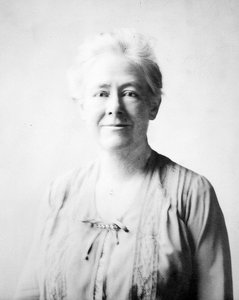
Mary Vaux Walcott
1860 - 1940 , Vereinigte Staaten von Amerika
Kurzinfos
- Bemerkenswerte Werke:
- Untitled (Herbstblätter)
- Perennial Gaillardia
- Bourgeau Rose
- Bushpoppy
- Mexican Fremontia
- Geburtsdatum: 31. Juli 1860
- Geburtsort: Philadelphia, USA
- Künstlerische Richtung: Botanische Illustration
- Nationalität: Amerikanerin
- Sterbedatum: 1940
- Vollständiger Name: Mary Vaux Walcott
Ähnliche Artikel
Die 10 legendärsten Aquarellwerke der Kunstgeschichte – Meisterwerke für Ihr Zuhause
Entdecken Sie die 10 legendärsten Aquarellwerke der Kunstgeschichte! Von Turner bis Monet – erleben Sie die Geschichten, Techniken & Farben dieser Meisterwerke. Finden Sie hochwertige Kunstdrucke auf ArtsDot.com und gestalten Sie Ihr Zuhause mit zeitloser Eleganz.
Mary Vaux Walcott: Botanische Präzision und künstlerische Vision im amerikanischen Naturschutz
Entdecken Sie das faszinierende Leben und Werk von Mary Vaux Walcott – einer Pionierin der botanischen Illustration und des amerikanischen Naturschutzes. Erfahren Sie mehr über ihre präzisen Gemälde, wissenschaftlichen Beiträge und ihr Vermächtnis.

Ephemeral Visions: Exploring the Artistic Legacy & Contemporary Practice of Watercolor Painting
Explore the captivating world of watercolor painting! Discover its rich history, essential techniques, influential artists & collecting tips. A comprehensive guide for art enthusiasts from ArtsDot.
Flüchtige Visionen: Die Geschichte und emotionale Resonanz der Aquarellmalerei
Entdecken Sie die faszinierende Welt der Aquarellmalerei! Von historischen Ursprüngen bis zu modernen Techniken – wir bieten Expertenwissen, Inspiration und Tipps für Anfänger & Fortgeschrittene.
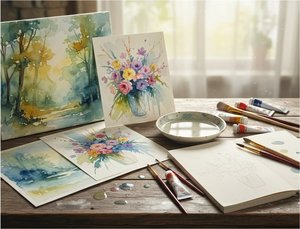
Ephemeral Visions: Exploring the Artistic Legacy & Nuances of Watercolor Painting
Explore the captivating world of watercolor painting! Discover its rich history, essential techniques, influential artists & collecting tips from art experts. A comprehensive guide for enthusiasts.