 Vorschau anzeigen
 Versenden
 Teilen
 Details anzeigen

 Herunterladen
 Ähnliche Objekte
 Röntgenaufnahme
 Diashow
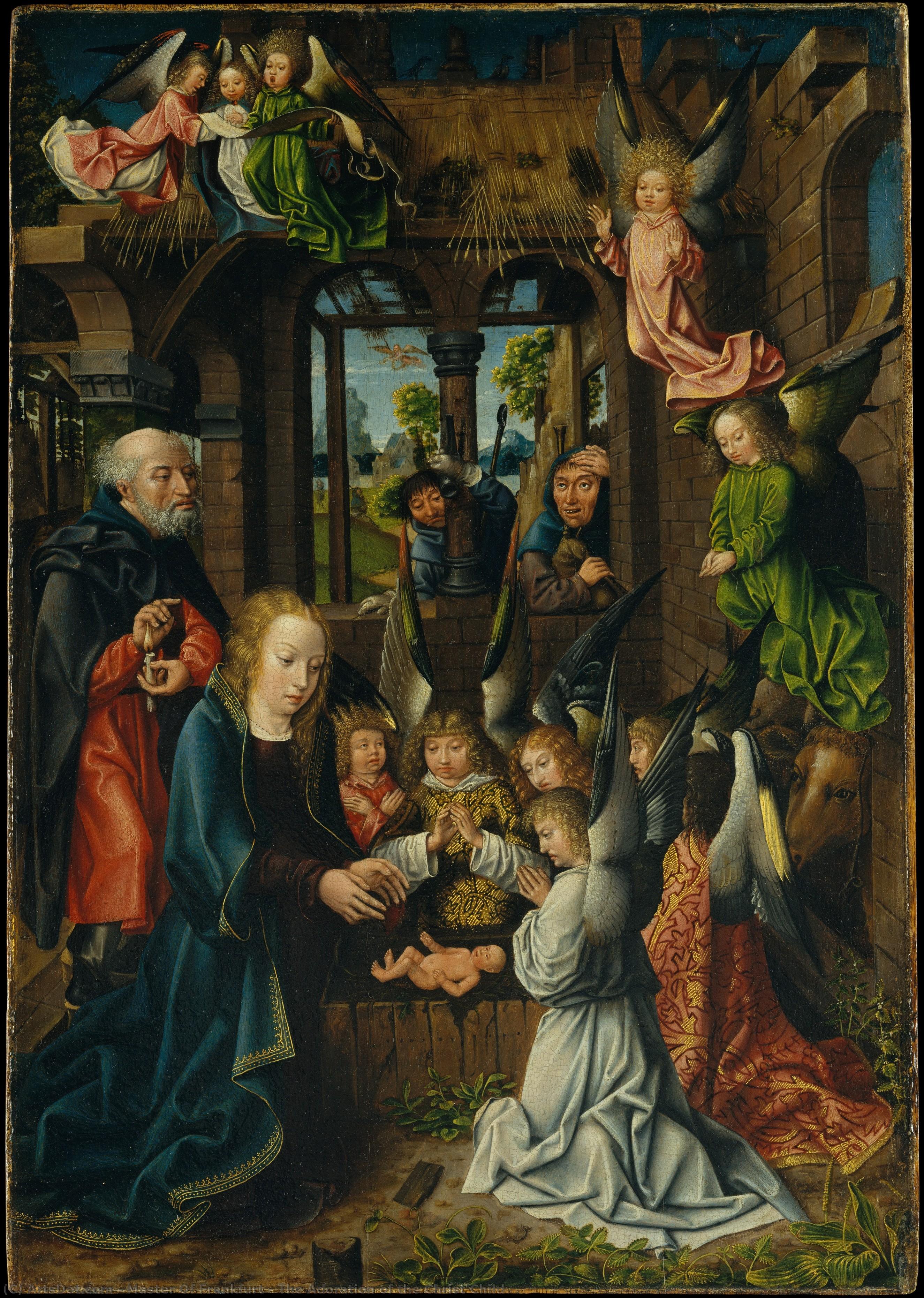
The Adoration of the Christ Child
 1502
1502 59.0 x 41.0 cm
 Metropolitan Museum of Art
 Weiterlesen
Erwerben Sie ein hochauflösendes, optimiertes digitales Bild, das der Online-Vorschau weit überlegen ist.
Jede Datei wird von unseren hauseigenen Spezialisten mit modernsten Werkzeugen und fachmännischer manueller Retusche sorgfältig vorbereitet. Wir stellen sicher, dass jedes Bild eine außergewöhnliche Klarheit, präzise Farbgenauigkeit und feinste Details aufweist.
Die endgültige Datei wird innerhalb von 72 Stunden per E-Mail zugestellt und ist für den sofortigen Einsatz in professionellen, redaktionellen und Druckumgebungen optimiert. Es handelt sich um dieselbe Qualität, der führende Designstudios, Verlage und Galerien vertrauen.
Digitales Bild
Laden Sie eine hochauflösende Datei für die persönliche Präsentation, den Druck und kreative Projekte herunter. ( Druck bestellen Handgemalte Reproduktion bestellen)
In jeder Bestellung digitaler Bilder enthalten
Professionelle digitale Bereitstellung, garantiert
Wenn Sie sich für ArtsDot.com entscheiden, erhalten Sie nicht nur ein Bild – Sie erhalten ein professionell aufbereitetes digitales Kunstwerk, das mit höchster Präzision erstellt und durch eine Zufriedenheitsgarantie abgesichert wird. Hier ist alles, was automatisch mit Ihrer Bestellung geliefert wird:

Schnelle E-Mail-Zustellung
Ihre hochauflösende digitale Bilddatei wird Ihnen innerhalb von 72 Stunden nach der Bestellung per E-Mail zugestellt – bereit zur sofortigen Verwendung.

KI-optimierte digitale Datei
Ihre Kunstwerke werden professionell mithilfe fortschrittlicher KI-Tools und manueller Bearbeitung optimiert, um maximale Detailtreue, Klarheit und Farbgenauigkeit zu gewährleisten.

Lebenslanger kostenloser Neudruckservice
Datei versehentlich gelöscht oder verloren? Keine Sorge – wir senden sie Ihnen jederzeit kostenlos erneut zu.

Keine Einfuhrgebühren – jemals
Genießen Sie Ihr Kunstwerk sofort ohne Zollgebühren, Einfuhrabgaben oder Versandkosten – digitale Downloads sind immer steuerfrei.

Garantierte Farbtreue
Wir garantieren, dass Ihr digitales Bild mithilfe professioneller Werkzeuge und Farbmanagement die Originalfarben so präzise wie möglich wiedergibt.

60-Tage-Zufriedenheitsgarantie
Sollten Sie mit Ihrem digitalen Bild nicht zufrieden sein, werden wir es überarbeiten oder Ihnen innerhalb von 60 Tagen 100% erstatten – ohne Wenn und Aber.

100% Geld-zurück-Garantie
Nicht zufrieden? Erhalten Sie innerhalb von 60 Tagen nach Erhalt Ihrer digitalen Datei eine vollständige Rückerstattung – ohne Angabe von Gründen.

Rabatte bei Großbestellungen
3 Bilder kaufen, 10% sparen – 5 Bilder kaufen, 15% sparen – Ab 10 Bildern 20% sparen. Ideal für kreative Projekte, Galerien und Agenturen.
Ähnliche Kunstwerke




Biografie des Künstlers
The Enigmatic World of the Master of Frankfurt
The ‘Master of Frankfurt’ remains one of the most compelling and elusive figures in early Netherlandish painting. Unlike many artists of his time, a concrete biographical record stubbornly resists discovery. We know him not through signed portraits or documented commissions, but rather through a distinctive body of work – approximately twenty surviving paintings that reveal a singular artistic vision steeped in religious fervor, intricate detail, and a touch of the fantastical. His very name is an attribution derived from the frequent presence of Frankfurt cityscapes within his compositions, suggesting a strong connection to this important mercantile center during the 16th century. While the precise identity of the artist continues to be debated among scholars, the power and originality of his paintings have secured his place as a significant contributor to the Northern Renaissance.A Style Forged in Religious Devotion
The Master of Frankfurt’s artistic style is immediately recognizable. He specialized almost exclusively in religious scenes, particularly depictions of the Holy Family – the Virgin Mary, Joseph, and the infant Christ. These are not grand, sweeping narratives, however; instead, they focus on intimate moments of domestic life within a meticulously rendered interior setting. His paintings often feature multiple figures crowded into relatively small spaces, creating a sense of closeness and immediacy that draws the viewer directly into the sacred drama unfolding before them. A hallmark of his work is the inclusion of detailed architectural backgrounds, frequently showcasing recognizable views of Frankfurt, which served not merely as decorative elements but also as anchors to the contemporary world, grounding the spiritual narrative in a tangible reality. The artist’s palette favors rich, saturated colors – deep reds, blues, and golds – applied with a remarkable precision that highlights the textures of fabrics, skin, and objects.Influences and Artistic Lineage
Pinpointing the Master of Frankfurt's artistic influences is a complex undertaking given the limited information available about his training. However, scholars generally agree that he was deeply influenced by the Delft School, particularly the work of painters like Jan van der Heyden and Hans Vredeman de Vries. This influence is evident in his meticulous attention to perspective, architectural detail, and the use of light and shadow to create a sense of depth and realism. Furthermore, echoes of Geertgen tot Sint Jans’s serene piety and compositional clarity can be detected in his depictions of the Holy Family. It's also plausible that he absorbed elements from the broader artistic milieu of the Rhineland, known for its tradition of devotional painting and woodcarving. He doesn’t simply imitate these influences; rather, he synthesizes them into a unique style characterized by an unusual blend of realism, emotional intensity, and symbolic complexity.Symbolism Woven into Everyday Life
The Master of Frankfurt was not merely a skilled craftsman but also a sophisticated visual storyteller. His paintings are replete with symbolism, often subtly embedded within the seemingly ordinary details of everyday life. Objects, gestures, and even architectural elements carry layers of meaning that enrich the religious narrative. For example, the inclusion of specific flowers or fruits might allude to virtues or theological concepts. The careful arrangement of figures and objects within the composition is also deliberate, guiding the viewer’s eye towards key symbolic motifs. The artist's use of light, often emanating from a hidden source, serves not only to illuminate the scene but also to represent divine grace and spiritual enlightenment. Deciphering these layers of symbolism requires careful observation and an understanding of contemporary religious beliefs and iconography.Historical Significance and Lasting Legacy
Despite the anonymity surrounding his life, the Master of Frankfurt’s work holds a significant place in art history. He represents a fascinating example of a regional painter who developed a highly individual style within the broader context of the Northern Renaissance. His paintings offer valuable insights into the religious sensibilities of 16th-century Germany and the role of art in fostering personal devotion.- His meticulous realism and attention to detail influenced subsequent generations of painters.
- The inclusion of recognizable cityscapes provides a unique glimpse into the urban landscape of Frankfurt during this period.
- His focus on intimate scenes of the Holy Family resonated with contemporary audiences seeking a more personal connection to religious narratives.