

 Vorschau anzeigen
 Versenden
 Teilen
 Details anzeigen

 Herunterladen
 Ähnliche Objekte
 Röntgenaufnahme
 Diashow
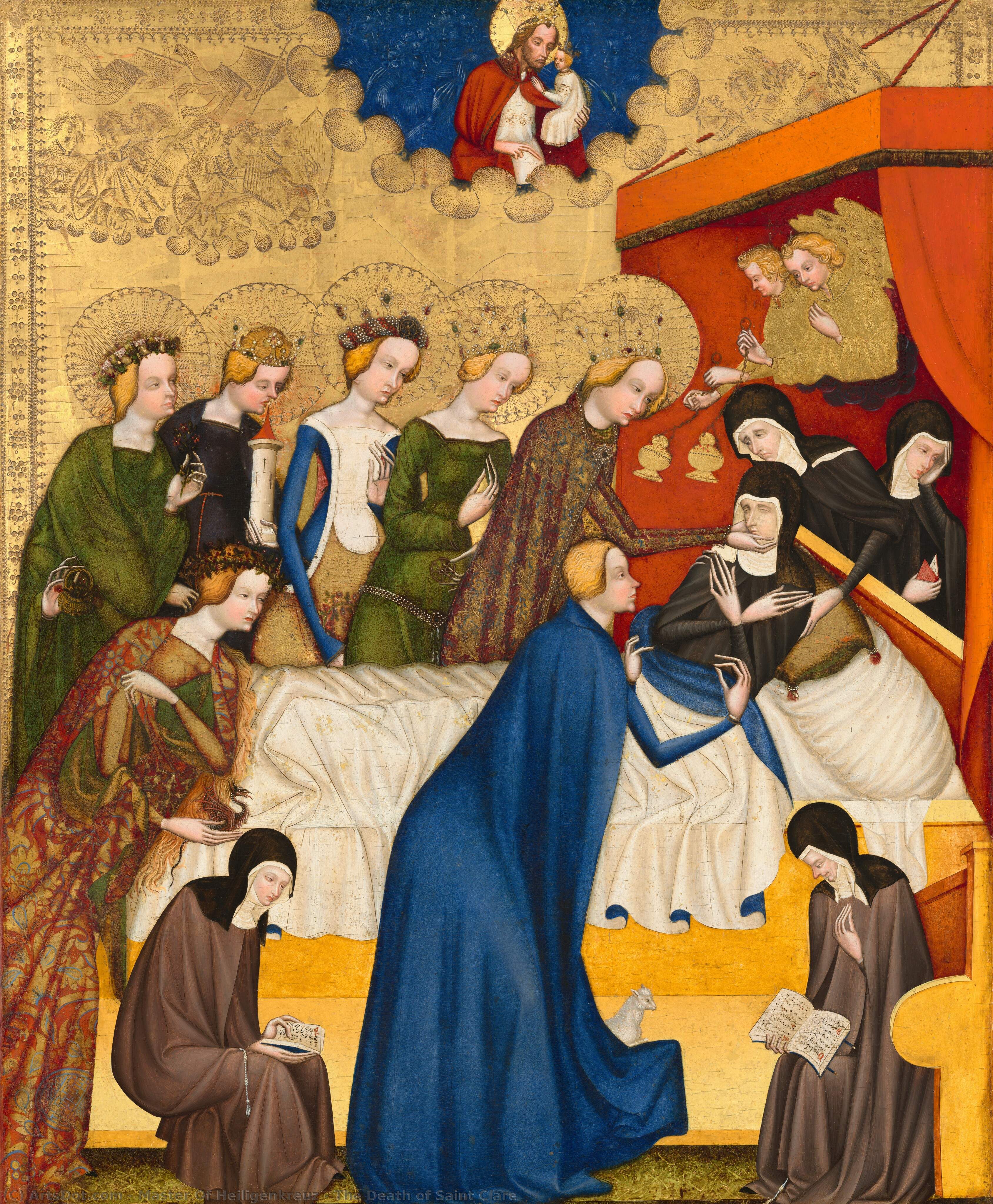
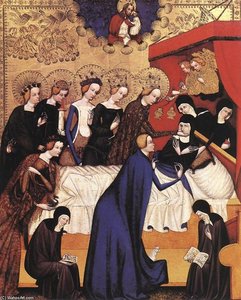
The Death of Saint Clare
 Tempera On Panel
 1410
1410- Late Medieval
 86.0 x 74.0 cm
 Weiterlesen
Erwerben Sie ein hochauflösendes, optimiertes digitales Bild, das der Online-Vorschau weit überlegen ist.
Jede Datei wird von unseren hauseigenen Spezialisten mit modernsten Werkzeugen und fachmännischer manueller Retusche sorgfältig vorbereitet. Wir stellen sicher, dass jedes Bild eine außergewöhnliche Klarheit, präzise Farbgenauigkeit und feinste Details aufweist.
Die endgültige Datei wird innerhalb von 72 Stunden per E-Mail zugestellt und ist für den sofortigen Einsatz in professionellen, redaktionellen und Druckumgebungen optimiert. Es handelt sich um dieselbe Qualität, der führende Designstudios, Verlage und Galerien vertrauen.
Digitales Bild
Laden Sie eine hochauflösende Datei für die persönliche Präsentation, den Druck und kreative Projekte herunter. ( Druck bestellen Handgemalte Reproduktion bestellen)
In jeder Bestellung digitaler Bilder enthalten
Professionelle digitale Bereitstellung, garantiert
Wenn Sie sich für ArtsDot.com entscheiden, erhalten Sie nicht nur ein Bild – Sie erhalten ein professionell aufbereitetes digitales Kunstwerk, das mit höchster Präzision erstellt und durch eine Zufriedenheitsgarantie abgesichert wird. Hier ist alles, was automatisch mit Ihrer Bestellung geliefert wird:

Schnelle E-Mail-Zustellung
Ihre hochauflösende digitale Bilddatei wird Ihnen innerhalb von 72 Stunden nach der Bestellung per E-Mail zugestellt – bereit zur sofortigen Verwendung.

KI-optimierte digitale Datei
Ihre Kunstwerke werden professionell mithilfe fortschrittlicher KI-Tools und manueller Bearbeitung optimiert, um maximale Detailtreue, Klarheit und Farbgenauigkeit zu gewährleisten.

Lebenslanger kostenloser Neudruckservice
Datei versehentlich gelöscht oder verloren? Keine Sorge – wir senden sie Ihnen jederzeit kostenlos erneut zu.

Keine Einfuhrgebühren – jemals
Genießen Sie Ihr Kunstwerk sofort ohne Zollgebühren, Einfuhrabgaben oder Versandkosten – digitale Downloads sind immer steuerfrei.

Garantierte Farbtreue
Wir garantieren, dass Ihr digitales Bild mithilfe professioneller Werkzeuge und Farbmanagement die Originalfarben so präzise wie möglich wiedergibt.

60-Tage-Zufriedenheitsgarantie
Sollten Sie mit Ihrem digitalen Bild nicht zufrieden sein, werden wir es überarbeiten oder Ihnen innerhalb von 60 Tagen 100% erstatten – ohne Wenn und Aber.

100% Geld-zurück-Garantie
Nicht zufrieden? Erhalten Sie innerhalb von 60 Tagen nach Erhalt Ihrer digitalen Datei eine vollständige Rückerstattung – ohne Angabe von Gründen.

Rabatte bei Großbestellungen
3 Bilder kaufen, 10% sparen – 5 Bilder kaufen, 15% sparen – Ab 10 Bildern 20% sparen. Ideal für kreative Projekte, Galerien und Agenturen.
Ähnliche Kunstwerke

Biografie des Künstlers
The Enigmatic Master of Heiligenkreuz: A Portrait of a Lost Renaissance
The identity of the “Master of Heiligenkreuz” remains one of art history’s most enduring mysteries, a captivating puzzle that has occupied scholars for over a century. This Austrian painter, active primarily during the first half of the 15th century, produced a remarkable body of work characterized by dramatic religious scenes—particularly depictions of St. Clare’s death and Annunciations—that showcase a unique blend of Gothic and International Gothic styles. While his precise origins remain elusive, tracing the evolution of his art offers a fascinating glimpse into the artistic landscape of early Renaissance Central Europe.
The earliest known works attributed to the Master are diptychs – two-panel paintings – discovered at the Cistercian Abbey of Heiligenkreuz in southeastern Austria. These pieces, dating from around 1400-1410, immediately established his distinctive style: elongated figures with delicate hands and faces, a penchant for rich color palettes, and an expressive use of light and shadow. The left panel depicts the Annunciation, showcasing the Virgin Mary receiving the news of her divine conception, while the reverse portrays the Madonna and Child – a tender scene brimming with serenity. The right panel presents the Mystical Marriage of Saint Catherine, alongside Saint Dorothy, demonstrating a masterful command of detail and emotional depth.
What immediately sets the Master’s work apart is its synthesis of influences. While firmly rooted in the Gothic tradition—evident in his meticulous rendering of drapery and architectural details—he also absorbed elements from the International Gothic style, which was gaining prominence across Europe at the time. This fusion resulted in a highly individualistic aesthetic, characterized by an almost unsettling realism combined with a profound sense of spirituality. The figures possess a certain elongated quality, reminiscent of Northern European art, yet their expressions are imbued with a palpable emotional intensity rarely seen in contemporary works.
Several theories have been proposed regarding the Master’s origins and artistic influences. Initially, scholars suggested a French connection, pointing to similarities with Franco-Burgundian goldsmithing techniques evident in his use of gold leaf and decorative elements. Later investigations explored potential links to Prague, citing stylistic parallels with panel painting workshops active at the Bohemian court. The debate continues, fueled by the scarcity of documentary evidence and the fragmentary nature of the surviving corpus. It’s possible that the Master was an itinerant artist, traveling between different courts and absorbing influences from various artistic centers.
Despite the lack of definitive answers about his identity, the Master of Heiligenkreuz's legacy is undeniable. His paintings are prized for their emotional intensity, technical skill, and unique stylistic synthesis. They represent a crucial link in the development of early Renaissance art in Austria, bridging the gap between the late Gothic period and the burgeoning realism of the High Renaissance. Works like “The Death of St. Clare,” currently housed at the National Gallery of Washington D.C., exemplify his ability to convey profound religious themes with remarkable sensitivity and dramatic power. The enduring mystery surrounding his life and origins only adds to the allure of this enigmatic artist, ensuring that the Master of Heiligenkreuz will continue to fascinate art historians for generations to come.
Key Works & Characteristics
- The Death of St. Clare (c. 1400-1410): National Gallery of Art, Washington D.C. – A cornerstone of the Master’s oeuvre, showcasing his dramatic use of light and shadow to convey a sense of profound sorrow and spiritual transcendence.
- Annunciation (c. 1400-1410): Cistercian Abbey of Heiligenkreuz – Demonstrates the artist's mastery of composition and detail, capturing the moment of divine revelation with remarkable precision.
- Mystical Marriage of Saint Catherine (c. 1400-1410): Cistercian Abbey of Heiligenkreuz – Highlights the Master’s ability to imbue religious figures with a sense of human emotion and vulnerability.
- Diptychs:** The majority of the Master's known works are diptychs, reflecting the prevalent format for devotional paintings during this period.
Stylistic Influences & Techniques
The Master’s style is a complex synthesis of influences. He drew heavily from the Gothic tradition, evident in his meticulous attention to detail, particularly in the rendering of drapery and architectural elements. However, he also incorporated elements of the International Gothic style, characterized by elongated figures, delicate hands, and an expressive use of color. His technique involved layering thin glazes of paint to achieve luminous effects and creating a sense of depth through careful modeling of forms. The use of gold leaf was particularly prominent, adding richness and splendor to his works.
Historical Context & Legacy
The Master of Heiligenkreuz operated during a period of significant artistic and cultural change in Central Europe. The rise of the Renaissance coincided with the decline of feudalism and the emergence of new urban centers. His work reflects this dynamic environment, blending traditional religious iconography with innovative stylistic approaches. Despite the lack of definitive biographical information, his paintings are considered to be among the most important examples of early Renaissance art in Austria, offering valuable insights into the artistic development of the region. The enduring mystery surrounding his identity only serves to heighten the fascination with this enigmatic and profoundly talented artist.
master of heiligenkreuz
Austria
Kurzinfos
- Artistic Movement Or Style: International Gothic
- Artists Or Movements Influenced By This Artist: ['French and German artists']
- Artists Who Influenced This Artist:
- Franco-Burgundian goldsmiths
- Prague panel painters
- Date Of Birth: c. 1395-1430
- Full Name: Master of Heiligenkreuz
- Nationality: Austrian
- Notable Artworks:
- The Death of St. Clare
- Annunciation
- Mystical Marriage of Saint Catherine
- Place Of Birth: Heiligenkreuz, Austria

