

 Vorschau anzeigen
 Versenden
 Teilen
 Details anzeigen

 Herunterladen
 Ähnliche Objekte
 Röntgenaufnahme
 Diashow
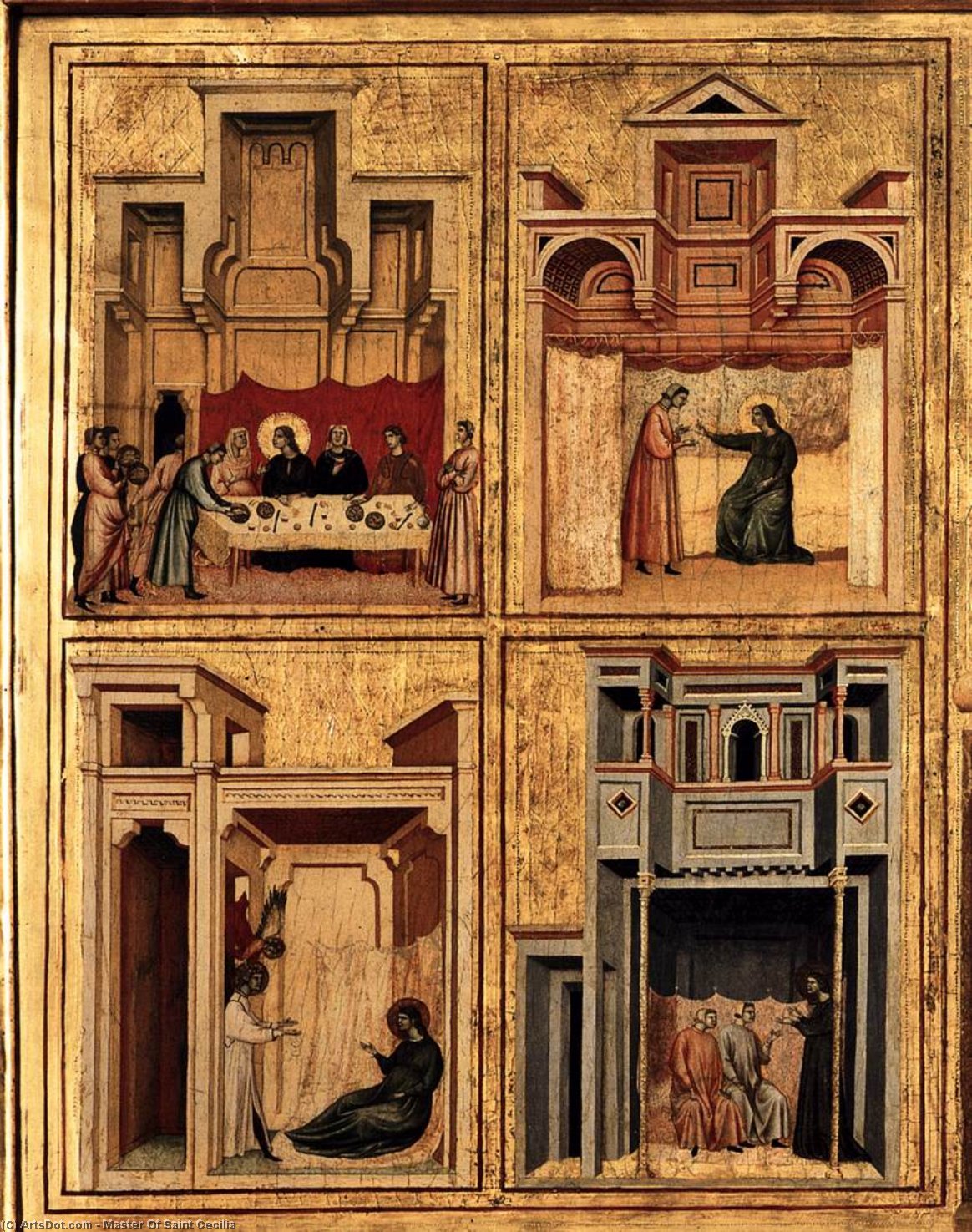
Saint Cecilia Altarpiece (detail)


 Weiterlesen
Erwerben Sie ein hochauflösendes, optimiertes digitales Bild, das der Online-Vorschau weit überlegen ist.
Jede Datei wird von unseren hauseigenen Spezialisten mit modernsten Werkzeugen und fachmännischer manueller Retusche sorgfältig vorbereitet. Wir stellen sicher, dass jedes Bild eine außergewöhnliche Klarheit, präzise Farbgenauigkeit und feinste Details aufweist.
Die endgültige Datei wird innerhalb von 72 Stunden per E-Mail zugestellt und ist für den sofortigen Einsatz in professionellen, redaktionellen und Druckumgebungen optimiert. Es handelt sich um dieselbe Qualität, der führende Designstudios, Verlage und Galerien vertrauen.
Digitales Bild
Laden Sie eine hochauflösende Datei für die persönliche Präsentation, den Druck und kreative Projekte herunter. ( Druck bestellen Handgemalte Reproduktion bestellen)
In jeder Bestellung digitaler Bilder enthalten
Professionelle digitale Bereitstellung, garantiert
Wenn Sie sich für ArtsDot.com entscheiden, erhalten Sie nicht nur ein Bild – Sie erhalten ein professionell aufbereitetes digitales Kunstwerk, das mit höchster Präzision erstellt und durch eine Zufriedenheitsgarantie abgesichert wird. Hier ist alles, was automatisch mit Ihrer Bestellung geliefert wird:

Schnelle E-Mail-Zustellung
Ihre hochauflösende digitale Bilddatei wird Ihnen innerhalb von 72 Stunden nach der Bestellung per E-Mail zugestellt – bereit zur sofortigen Verwendung.

KI-optimierte digitale Datei
Ihre Kunstwerke werden professionell mithilfe fortschrittlicher KI-Tools und manueller Bearbeitung optimiert, um maximale Detailtreue, Klarheit und Farbgenauigkeit zu gewährleisten.

Lebenslanger kostenloser Neudruckservice
Datei versehentlich gelöscht oder verloren? Keine Sorge – wir senden sie Ihnen jederzeit kostenlos erneut zu.

Keine Einfuhrgebühren – jemals
Genießen Sie Ihr Kunstwerk sofort ohne Zollgebühren, Einfuhrabgaben oder Versandkosten – digitale Downloads sind immer steuerfrei.

Garantierte Farbtreue
Wir garantieren, dass Ihr digitales Bild mithilfe professioneller Werkzeuge und Farbmanagement die Originalfarben so präzise wie möglich wiedergibt.

60-Tage-Zufriedenheitsgarantie
Sollten Sie mit Ihrem digitalen Bild nicht zufrieden sein, werden wir es überarbeiten oder Ihnen innerhalb von 60 Tagen 100% erstatten – ohne Wenn und Aber.

100% Geld-zurück-Garantie
Nicht zufrieden? Erhalten Sie innerhalb von 60 Tagen nach Erhalt Ihrer digitalen Datei eine vollständige Rückerstattung – ohne Angabe von Gründen.

Rabatte bei Großbestellungen
3 Bilder kaufen, 10% sparen – 5 Bilder kaufen, 15% sparen – Ab 10 Bildern 20% sparen. Ideal für kreative Projekte, Galerien und Agenturen.
Details zum Sammlerstück
The Enigmatic Master of Saint Cecilia
The identity of the ‘Master of Saint Cecilia’ remains one of art history's most enduring mysteries—a testament to the challenges faced by scholars attempting to reconstruct the life and career of a pivotal figure in early Netherlandish painting. Active primarily between 1475/1480 and 1510, this artist emerged from the shadows of Cologne’s artistic milieu, leaving behind only tantalizing clues about his origins and motivations. Despite lacking a definitive name, his distinctive style—characterized by vibrant enamel colors and a masterful grasp of Gothic techniques—has secured him a place among the most recognizable artists of the Renaissance in Germany.
A Canvas Born from Darkness
Information regarding the Master’s life is scarce; biographical details are absent beyond speculation based on circumstantial evidence. He was born sometime around 1450, likely in Italy, though precise birthplace remains elusive. His artistic journey began in Utrecht or Leuven, where he honed his skills amidst a burgeoning artistic community eager to embrace new stylistic influences from Florence and Venice.
A Symphony of Byzantine Influence
The Master’s oeuvre is dominated by altarpiece panels—primarily depictions of Saint Cecilia, the patron saint of musicians—that exemplify the profound impact of Byzantine iconography on Northern European art. These works are instantly recognizable for their flattened perspective, stylized figures rendered with meticulous detail, and an overwhelming palette of gold leaf, ochre, brown, and muted blues and reds. The artist skillfully employed tempera paint on a gessoed wood panel, adhering to traditional techniques that prioritized spiritual resonance over realistic representation.
Decoding the Symbolism
Each scene within the Saint Cecilia Altarpiece is laden with symbolic significance. The central figure of Saint Cecilia—often depicted in serene repose—is surrounded by halos signifying holiness and illuminated by radiant light symbolizing divine grace. Her drapery folds are rendered with geometric precision, reflecting the formal aesthetic of Byzantine art and emphasizing spiritual contemplation. Furthermore, musical instruments – lyres and pipes – are prominently displayed, representing Cecilia’s devotion to music as a form of prayer.
A Legacy of Dramatic Light
The artist's masterful manipulation of light is particularly noteworthy. Strong contrasts between illumination and shadow create a dramatic visual effect, directing the viewer’s gaze towards key figures and architectural elements within each panel. This technique—characteristic of Byzantine churches—underscores the spiritual solemnity of the subject matter and evokes a palpable sense of reverence.
A Window into Medieval Faith
The Saint Cecilia Altarpiece stands as an exceptional example of medieval devotional art, encapsulating the artistic conventions and theological beliefs prevalent during its creation. Its enduring appeal lies not only in its aesthetic beauty but also in its ability to convey profound spiritual truths—a testament to the artist’s skill in capturing the essence of Christian faith through visual storytelling.
Ähnliche Kunstwerke

Biografie des Künstlers
The Enigmatic Master of Saint Cecilia
The identity of the ‘Master of Saint Cecilia’ remains one of art history's most enduring mysteries—a testament to the challenges faced by scholars attempting to reconstruct the life and career of a pivotal figure in early Netherlandish painting. Active primarily between 1475/1480 and 1510, this artist emerged from the shadows of Cologne’s artistic milieu, leaving behind only tantalizing clues about his origins and motivations. Despite lacking a definitive name, his distinctive style—characterized by vibrant enamel colors and a masterful grasp of Gothic techniques—has secured him a place among the most recognizable artists of the Renaissance in Germany.A Canvas Born from Darkness
Information regarding the Master’s life is scarce; biographical details are absent beyond speculation based on circumstantial evidence. He was born sometime around 1450, likely in Italy, though precise birthplace remains elusive. His artistic journey began in Utrecht or Gelderland, where he honed his skills during a formative period marked by burgeoning humanist ideals and the revival of classical art forms. The discovery of a book of hours bearing Sophia van Bylant’s imprint—a remarkable example of Netherlandish manuscript illumination—provided invaluable insight into his cultural context, suggesting connections to Arnhem and highlighting the influence of Flemish artistic traditions. Around 1480, he relocated to Cologne, where he established himself as a respected painter and collaborated extensively with the Carthusian Monastery, cementing his reputation for producing devotional imagery.The Saint Cecilia Altarpiece: A Defining Work
His fame rests largely upon the ‘Saint Cecilia Altarpiece,’ commissioned circa 1505-1510 for Cologne Cathedral—a monumental undertaking that exemplifies his artistic prowess. Depicting saint Cecilia flanked by saint Agnes and saint Bartholomew, the altarpiece showcases a breathtaking palette of enamel colors—a technique perfected during this era—and demonstrates an exceptional understanding of Gothic architectural principles. The inclusion of a Carthusian monk within the composition underscores the artist’s affiliation with Cologne’s monastic community and speaks to the pervasive religious fervor of the time. This masterpiece is considered one of the most important works of art from his period, demonstrating his ability to synthesize stylistic elements from both Northern and Byzantine traditions. Analysis of his oeuvre reveals a fascinating trajectory—beginning with miniatures for Sophia van Bylant’s book of hours, where the ‘Flagellation’ scene exemplifies an early Netherlandish style characterized by meticulous detail and expressive brushwork. The use of Flemish pigments and compositional conventions suggests that he initially trained in Utrecht or Gelderland, marking him as part of a broader artistic movement. Furthermore, stylistic affinities with Cologne’s artistic circles—particularly evident in the altarpiece—indicate a sustained engagement with German art and intellectual currents.Stylistic Echoes: From Utrecht to Cologne
The Saint Cecilia Altarpiece is considered one of the most important works of art from his period, demonstrating his ability to synthesize stylistic elements from both Northern and Byzantine traditions. He stood as a symbol of artistic innovation within a period defined by uncertainty and experimentation—a figure whose enduring legacy continues to captivate art historians and enthusiasts alike. Despite his anonymity, the Master’s influence extends far beyond his surviving paintings. His distinctive style served as inspiration for subsequent generations of artists, shaping the visual landscape of early Renaissance Germany. He is celebrated for his masterful use of enamel colors and Gothic style.Legacy: An Artist Beyond Recognition
Despite lacking a definitive name, the Master of Saint Cecilia’s legacy persists through his remarkable contribution to Netherlandish art history. His oeuvre—primarily consisting of devotional paintings—continues to inspire admiration for its technical brilliance and expressive power. The ‘Saint Cecilia Altarpiece,’ along with other works attributed to him, remains a cornerstone of artistic scholarship, ensuring that the enigma surrounding his identity will continue to fascinate for years to come.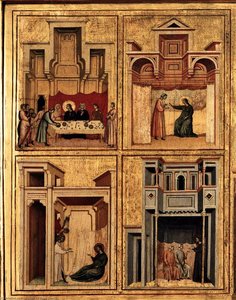
Meister von Sankt Cecilia
1450 - 1510 , Italien
Kurzinfos
- Artistic Movement Or Style: Frühniederländische Renaissance
- Artists Or Movements Influenced By This Artist: ['Nordeuropäische Kunst']
- Artists Who Influenced This Artist:
- Jan van Eyck
- Rogier van der Weyden
- Date Of Birth: Around 1450
- Date Of Death: 1510
- Full Name: Master of Saint Cecilia
- Nationality: Niederländisch
- Notable Artworks:
- Saint Bartholomäus Altarpiece
- Madonna und Kind mit Heilige Anna
- Place Of Birth: Italy

