 Vorschau anzeigen
 Versenden
 Teilen
 Details anzeigen

 Herunterladen
 Ähnliche Objekte
 Röntgenaufnahme
 Diashow
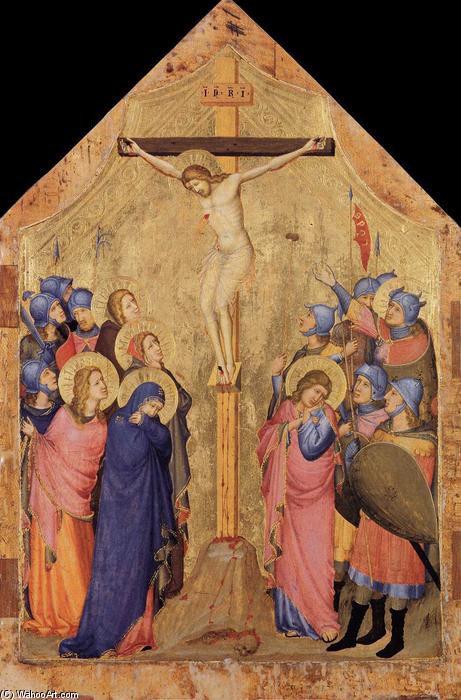
The Crucifixion
 1330
1330 46.0 x 30.0 cm
 Metropolitan Museum of Art
 Weiterlesen
Giclée / Kunstdruck
Giclée- oder Leinwanddruck in Museumsqualität mit schneller Produktion und flexiblen Veredelungsoptionen. ( Handgemalte Reproduktion bestellen Bild kaufen)




































Wählen Sie aus unseren vordefinierten Formaten, die den ursprünglichen Proportionen des Kunstwerks entsprechen.

Sie können Ihre eigenen Maße eingeben, um ein bestimmtes Format oder einen speziellen Platz einzupassen. Wenn das von Ihnen gewählte Format nicht den Proportionen des Originalbildes entspricht, werden wir das Kunstwerk entweder beschneiden oder das Bild mit einem gespiegelten oder einfarbigen Rand erweitern. Ein digitaler Entwurf wird Ihnen zur Genehmigung zugesandt, bevor die Produktion beginnt.
Bitte beachten Sie, dass die Vorschau auf dem Bildschirm nicht den tatsächlichen Zuschnitt oder die Erweiterung widerspiegelt. Nur der Entwurf zeigt die endgültige Komposition präzise an.
Obwohl Sondermaße verfügbar sind, empfehlen wir die Auswahl eines Maßes aus der vordefinierten Liste, um die ursprünglichen Proportionen zu bewahren.
Weltweiter Versand () innerhalb von 2 Wochen statt der üblichen 4/5 Wochen. (24 August)

Kostenloser weltweiter Expressversand

Hochwertige Leinenleinwand

Umfassender Versicherungsschutz beim Versand

Zollgebühren-Rückerstattungsgarantie

Garantie für exakte Farbtreue

60 Tage Rückgaberecht (nur bei Mängeln)

100% Geld-zurück-Garantie

Mengenrabatt verfügbar
 Die Glasoption ist nur für Größen unter 110 cm verfügbar.

The Crucifixion
Giclée / Kunstdruck
Format der Reproduktion
-


Gesamtpreis
$ 62
Ähnliche Kunstwerke

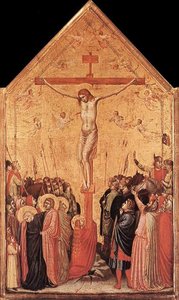
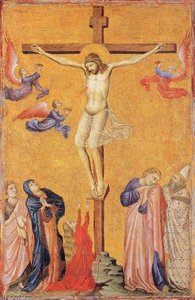
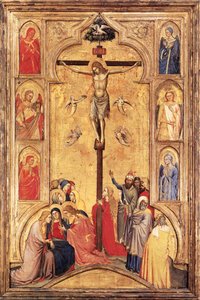
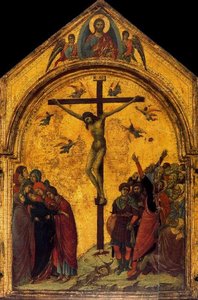
Über den Künstler
The Enigma of the Illuminated Page
In the shadowy corridors of art history, where names have been swallowed by the passage of centuries, the Master of the Codex of Saint George remains one of the most captivating enigmas of the fourteenth century. An artist whose true identity is lost to time, this painter is known only through the luminous legacy of their handiutwork. Active approximately between 1320 and 1330, this anonymous creator breathed life into sacred texts, transforming vellum into a window of divine revelation. While biographical details remain elusive, the sheer brilliance of their surviving manuscripts allows us to glimpse a soul deeply attuned to the spiritual and aesthetic currents of the Roman School of Illumination.
The Master’s identity is inextricably linked to a magnificent illuminated missal, a volume that contains not only liturgical texts but also a Vita of Saint George. This singular work, which serves as the artist's namesake, suggests a creator of immense technical skill and profound religious devotion. Though their name has vanished, their presence is felt in every stroke of gold leaf and every carefully layered pigment, marking them as a pivotal figure in the transition toward more emotive and detailed narrative styles within the late Gothic tradition.
A Journey Through Rome and Avignon
The artistic trajectory of the Master suggests a life lived amidst the great centers of ecclesiastical power. Scholars believe this painter was an exponent of the Roman School, likely operating within the vibrant atmosphere of Rome before perhaps finding patronage in Avignon. This latter city, serving as the seat of the papal court from 1309, would have provided a sophisticated stage for an illuminator of such caliber. The influence of the papacy and the presence of high-ranking clergy, such as Cardinal Jacopo Stefaneschi, likely shaped the scale and grandeur of the Master's commissions.
Working in these environments meant engaging with a diverse array of artistic influences. The Master’s style reflects a sophisticated synthesis of traditions, blending the structured elegance of Roman illumination with the burgeoning expressive qualities that would later define International Gothic art. There is a palpable sense of movement and emotional depth in their work, suggesting an artist who was not merely a decorator of texts but a storyteller capable of translating complex theological concepts into visual poetry.
Mastery of Pigment and Devotion
To examine the works attributed to the Master of the Codex of Saint George is to witness a masterclass in medieval technique. Their ability to manipulate light and color creates an atmosphere that is simultaneously regal and intimate. The artist’s repertoire demonstrates an extraordinary command over the precious materials of the era:
- Lapis Lazuli: Used to create deep, celestial ultramarine blues that anchor the compositions.
- Gilding: The meticulous application of gold leaf to signify divine light and the sanctity of the figures.
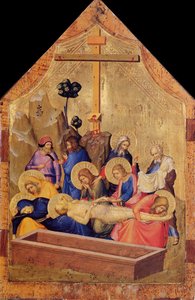
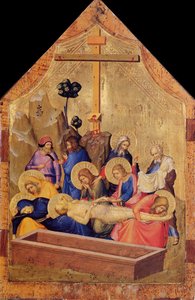
- Narrative Detail: An uncanny ability to render facial expressions and drapery that convey profound human emotion, such as the sorrow found in The Lamentation.
Beyond the technical brilliance, the historical significance of this artist lies in their contribution to the evolution of religious iconography. Through the decoration of Gospels and Psalters, the Master helped bridge the gap between the rigid, symbolic forms of earlier centuries and the more naturalistic, human-centric approach of the early Renaissance. Even without a biography, the Master’s voice remains clear—a silent, golden whisper from the fourteenth century that continues to inspire awe in all who behold their illuminated wonders.
Kurzinfos
- Artistic Movement Or Style: International Gothic
- Full Name: Master of the Codex of Saint George
- Nationality: Italian
- Notable Artworks:
- The Lamentation
- The Crucifixion
- Codex of St George (Folio 85r)
- Place Of Birth: Italy