

 Vorschau anzeigen
 Versenden
 Teilen
 Details anzeigen

 Herunterladen
 Ähnliche Objekte
 Röntgenaufnahme
 Diashow
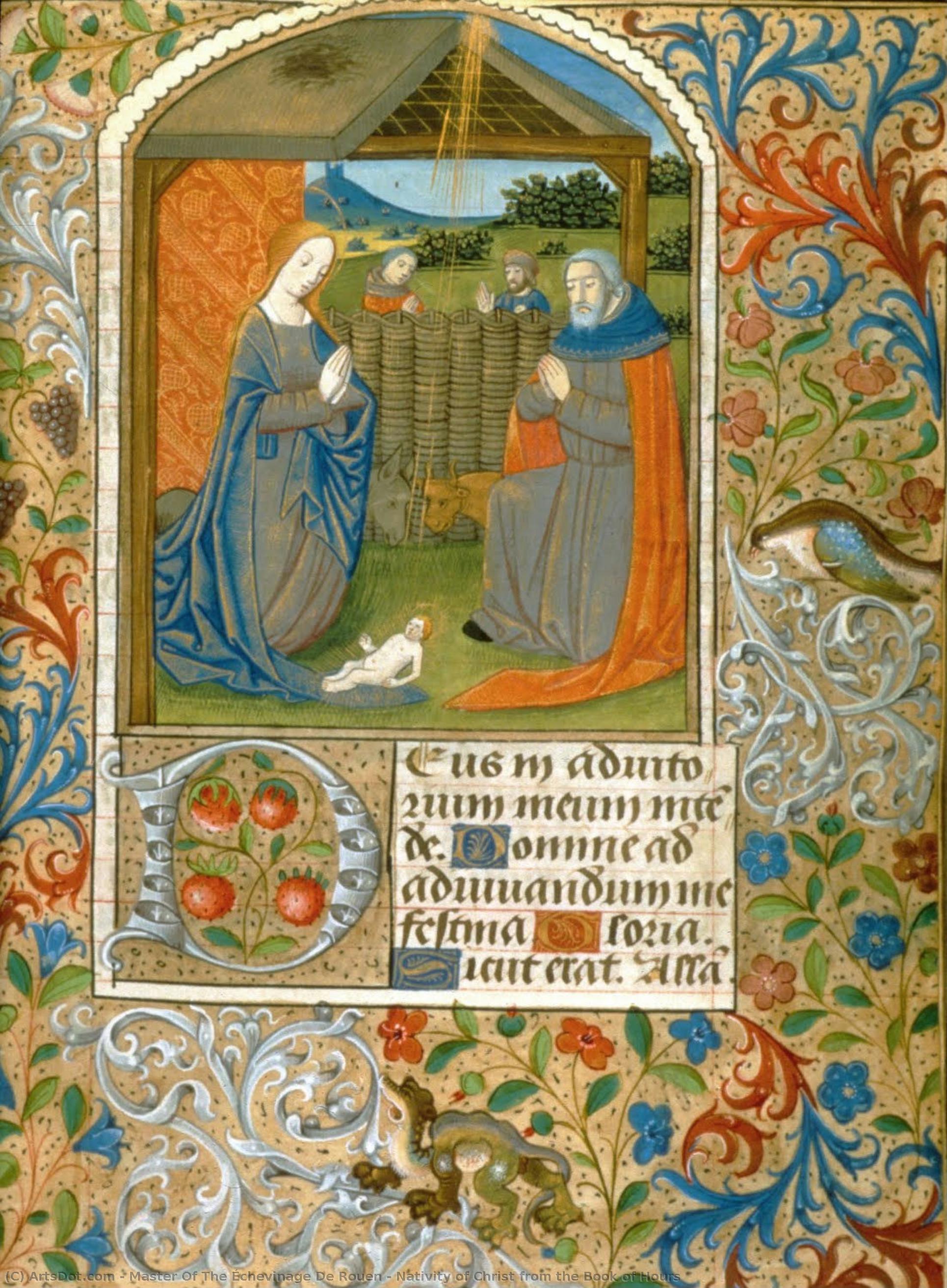
Nativity of Christ from the Book of Hours
 Manuscript
- Late Medieval
 1480
1480- Late Medieval
 20.0 x 15.0 cm
 Chrysler Museum of Art
 Weiterlesen
Handgefertigte Ölreproduktion
Handgemaltes Ölgemälde auf Leinwand in Ihrer Wunschgröße und mit Rahmen, auf Bestellung von unseren Künstlern angefertigt. ( Druck bestellen Bild kaufen)




P118B $10

P118H $10

P118W $10

P438Z $10

P508JH $12

P508YH $12

P805H $10

P805Z $10

P919BZ $10

P919G $10

P919XJ $10

P959ZH $10

P968JZ $12

W106C $8

W218G $10

W218JH $8

W218Y $10

W307PJ $10

W316G $10

W316PJ $8

W316Y $10

W398PJ $8

W4111J $10

W500HY $15

W500JH $15

W692G $12

W849H $8

W940BG $15

W953PJ $8




Wählen Sie aus unseren vordefinierten Formaten, die den ursprünglichen Proportionen des Kunstwerks entsprechen.

Sie können Ihre eigenen Maße eingeben, um einen bestimmten Rahmen oder Platz auszufüllen. Wenn die gewählte Größe nicht den Proportionen des Originalbildes entspricht, werden wir das Kunstwerk entweder beschneiden oder das Gemälde durch zusätzliche, handgemalte Elemente erweitern. Ein digitales Mockup wird Ihnen zur Genehmigung zugesandt, bevor die Produktion beginnt.
Bitte beachten Sie, dass die Bildschirmvorschau nicht die tatsächliche Beschneidung oder Erweiterung widerspiegelt. Nur das Mockup zeigt die endgültige Komposition exakt an.
Obwohl Sondermaße verfügbar sind, empfehlen wir, eine Größe aus der vordefinierten Liste zu wählen, um die ursprünglichen Proportionen beizubehalten.
Nach der Bestellung wird das ArtsDot.com-Team dem Kunden Anweisungen per E-Mail zusenden und eine Mockup-Vorschau bereitstellen.
Weltweiter Versand () in nur 3 bis 4 Wochen statt der üblichen 5 Wochen. (3 September). Keine Kompromisse bei der Qualität.

Kostenloser weltweiter Expressversand

Hochwertige Leinenleinwand

Umfassender Versicherungsschutz beim Versand

Zollgebühren-Rückerstattungsgarantie

Garantie für exakte Farbtreue

60 Tage Rückgaberecht (nur bei Mängeln)

100% Geld-zurück-Garantie

Mengenrabatt verfügbar
 Die Glasoption ist nur für Größen unter 110 cm verfügbar.

Nativity of Christ from the Book of Hours
Art der Reproduktion
Format der Reproduktion
-


Gesamtpreis
$ 263
A Sacred Window into the Late Middle Ages
In the quiet intimacy of a fifteenth-century devotional life, few objects held as much spiritual weight as the illuminated manuscript. The Nativity of Christ from the Book of Hours, crafted around 1480 by the master of the échevinage de rouen, serves as a breathtaking portal into this era of profound piety. This delicate miniature, measuring just 20 x 15 cm, was not merely a book but a vessel for prayer, designed to guide the faithful through the canonical hours of the day. As the eye wanders across the page, one is immediately struck by the lavish golden border that frames the sacred scene, a testament to the immense value placed on such hand-painted treasures. The artistry reflects a period when every stroke of pigment and application of gold leaf was an act of devotion, intended to elevate the reader's mind from the earthly realm toward the divine.
The composition of this masterpiece is a masterful blend of the celestial and the terrestrial. At its heart lies the Nativity, where the Virgin Mary cradles the infant Jesus with a tenderness that transcends centuries. Nearby, Joseph stands in quiet contemplation, anchoring the holy family within a scene that feels both monumental and deeply personal. Yet, what makes this particular illumination truly captivating for the modern observer is the subtle infusion of secular life into the sacred narrative. The presence of two dogs—one on the left and another on the right—and an apple tree scattered with fruit introduces a sense of lived reality. These elements suggest that the miracle of Christ's birth is not an isolated event in a vacuum, but one woven into the very fabric of the natural world, making the divine accessible to the everyday observer.
Technique and the Art of Illumination
The master of the échevinage de rouen demonstrates a level of technical precision that remains awe-inspiring even by contemporary standards. The use of vibrant pigments, likely derived from precious minerals, creates a rich color palette that has survived the passage of half a millennium. The artist employs a delicate layering technique to achieve depth within such a small scale, using fine brushwork to define the soft folds of Mary's garments and the subtle textures of the surrounding landscape. The interplay between the luminous gold leaf and the saturated blues and reds creates a rhythmic visual movement, drawing the viewer into the miniature's intricate details. This meticulous craftsmanship is further highlighted by the embellished Latin invocation, “Deus, veni in adiutorium meum” (Oh God, come to my aid), where the ornate letter “D” serves as both a linguistic and artistic anchor for the page.
For collectors and interior designers alike, a high-quality reproduction of this work offers more than just aesthetic beauty; it provides a sense of historical continuity and intellectual depth. The painting’s ability to balance religious solemnity with charming, earthly details—such as the bird perched in the corner or the scattered apples—makes it a versatile piece for sophisticated decor. Whether placed in a study filled with classical literature or as a focal point in a gallery-style living space, this artwork invites contemplation and conversation. It is a piece that does not merely decorate a room but enriches its atmosphere, bringing the quiet, luminous spirit of the French Renaissance into the modern home.
Ähnliche Kunstwerke
Über den Künstler
The Master of the Échevinage de Rouen: A Beacon of Late Medieval French Illuminatory Art
The Master of the Échevinage de Rouen, a name synonymous with understated brilliance and meticulous craftsmanship, stands as one of the most significant figures in the artistic landscape of 15th-century France. Though shrouded in relative obscurity compared to contemporaries like Limbourg or Mariotto Alfano, his contribution to illuminated manuscripts—particularly those produced in Rouen—is undeniable, shaping the aesthetic sensibilities of an era defined by piety and burgeoning humanist thought. Born around 1460 in Rouen, France – precise biographical details remain elusive, adding to the mystique surrounding this prolific artist who commanded a workshop that flourished throughout the decade of his prime.Early Life & Training
Information regarding his formative years is sparse, suggesting he honed his skills within Rouen’s established artistic milieu. Evidence strongly indicates connections with Flemish influences—most notably the Ghent Altarpiece—a testament to the artistic dynamism circulating across Europe during this period. This convergence mirrored a broader trend toward stylistic homogenization, reflecting the influence of Northern European masters on French artists eager to embrace innovation and elevate their craft. The workshop environment itself fostered experimentation and collaboration, nurturing talent within Rouen’s vibrant cultural landscape.The Rouen Workshop & Artistic Style
Following the expulsion of the English from Rouen in 1449, the city experienced an unprecedented surge in manuscript production—a pivotal moment that propelled the Master to prominence as the dominant illuminator. Capitalizing on this favorable circumstance and establishing a workshop equipped with considerable resources, he oversaw the creation of breathtaking books – secular chronicles alongside devotional psalters – distinguished by remarkable realism and masterful color palettes. These weren’t merely decorative embellishments; they were meticulously crafted narratives intended to inspire contemplation and convey profound spiritual truths. The workshop's success underscored Rouen’s position as a burgeoning center for artistic excellence, attracting skilled artisans from across France.Notable Works: “Nativity of Christ from the Book of Hours”
Among his most celebrated achievements is “Nativity of Christ from the Book of Hours,” a masterpiece embodying his signature style and representing a decisive departure from earlier artistic conventions. The intricate depiction of Mary, Joseph, and the infant Jesus exemplifies the humanist ideals prevalent at the time—emphasizing anatomical accuracy and emotional depth – a conscious effort to move beyond stylized representations toward portraying human figures with unprecedented realism. His meticulous attention to detail extended far beyond mere visual fidelity; he skillfully employed techniques like glazing and burnishing to achieve luminous surfaces that captivated viewers centuries later, demonstrating an unparalleled understanding of artistic materiality. The painting’s serene composition and vibrant colors continue to resonate with audiences today, securing its place as a cornerstone of Rouen manuscript illumination.Influences & Techniques
The Master's artistic vision was undoubtedly shaped by Flemish art, particularly the expressive realism championed by Jan van Eyck. He embraced innovative pigment preparation methods—incorporating ultramarine blue derived from lapis lazuli – a costly material that signaled prestige and sophistication. Furthermore, his subtle mastery of perspective subtly enhanced spatial depth within his compositions, reflecting an awareness of emerging scientific theories about optics and demonstrating a commitment to pushing the boundaries of artistic representation. These influences underscored the interconnectedness of European artistic traditions during this transformative period.Legacy & Historical Significance
The Master’s output cemented Rouen's reputation as a center for artistic excellence and profoundly impacted the trajectory of French illuminatory art. His work serves as an invaluable window into the intellectual and cultural currents of the late medieval period—demonstrating the enduring power of visual storytelling to convey religious devotion and humanist values. Today, reproductions of his illuminated manuscripts continue to inspire admiration for their beauty and technical prowess, securing his place among the titans of European art history – a testament to his unwavering dedication to craftmanship and artistic innovation.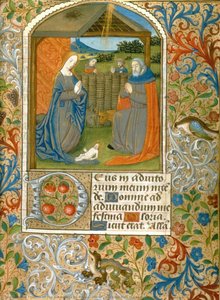
Meister Des Rouenischen Echevinages
Frankreich
Kurzinfos
- Artistic Movement Or Style: Spätmittelalterliche Illumination
- Date Of Birth: (Living)
- Full Name: master of the échevinage de rouen
- Nationality: Französisch
- Notable Artworks: ['Nativity of Christ von den Stundenbüchern']
- Place Of Birth: Rouen, Frankreich
Ähnliche Artikel
Meisterwerke des Hochmittelalters: 10 Kunstwerke für Ihr Zuhause | ArtsDot
Entdecken Sie die 10 bedeutendsten Meisterwerke des Hochmittelalters! Erfahren Sie Geschichten von Romanik, Gotik & berühmten Künstlern. Finden Sie hochwertige Reproduktionen für Ihr Zuhause auf ArtsDot.com.
Illuminating Faith & Power: A Journey Through Medieval Art (c. 500 – c. 1500)
Explore the rich history of Medieval Art (c. 500 – c. 1500) with ArtsDot. Discover Byzantine mosaics, Gothic cathedrals & Renaissance masterpieces. Expert insights & museum-quality reproductions.
Frühmittelalterliche Meisterwerke: 10 Kunstschätze für Ihr Zuhause | ArtsDot
Entdecken Sie die 10 bedeutendsten Meisterwerke des Frühmittelalters! Von karolingischer Buchmalerei bis ottonischen Goldschmiedekunstwerken – erleben Sie Kunstgeschichte hautnah. Hochwertige Reproduktionen & Inspiration für Ihr Zuhause auf ArtsDot.com.
Spätmittelalterliche Meisterwerke: 10 Kunstwerke für Ihr Zuhause | ArtsDot
Entdecken Sie die 10 bedeutendsten Meisterwerke des Spätmittelalters! Erfahren Sie die Geschichten hinter Jan van Eyck, Rogier van der Weyden & mehr. Hochwertige Kunst Reproduktionen für Ihr Zuhause – jetzt auf ArtsDot.com!

Die 10 Meisterwerke des Goldenen Zeitalters der niederländischen Malerei |
Entdecken Sie die 10 Meisterwerke des Niederländischen Goldenen Zeitalters! Von Rembrandt bis Vermeer – erleben Sie Kunstgeschichte, Techniken & Emotionen. Hochwertige Gemäldereproduktionen für Ihr Zuhause auf .

