 Vorschau anzeigen
 Versenden
 Teilen
 Details anzeigen

 Herunterladen
 Ähnliche Objekte
 Röntgenaufnahme
 Diashow
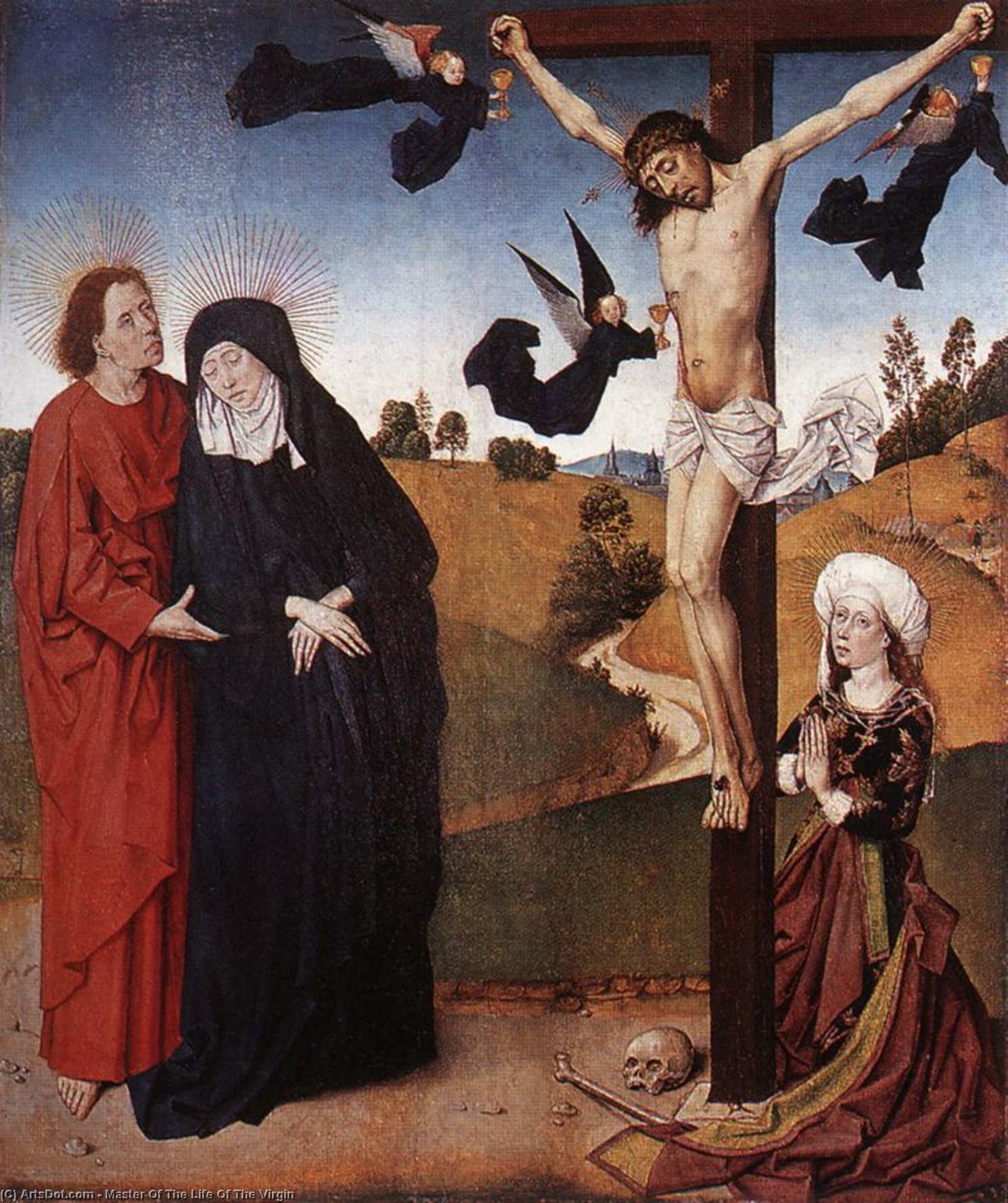
Christ on the Cross with Mary, John and Mary Magdalene
 Oil On Panel
- Late Gothic
 1465
1465- Late Medieval
 86.0 x 72.0 cm
 Wallraf-Richartz-Museum
 Weiterlesen
Giclée / Kunstdruck
Giclée- oder Leinwanddruck in Museumsqualität mit schneller Produktion und flexiblen Veredelungsoptionen. ( Handgemalte Reproduktion bestellen Bild kaufen)




P118B $10

P118H $10

P118W $10

P438Z $10

P508JH $12

P508YH $12

P805H $10

P805Z $10

P919BZ $10

P919G $10

P919XJ $10

P959ZH $10

P968JZ $12

W106C $8

W218G $10

W218JH $8

W218Y $10

W307PJ $10

W316G $10

W316PJ $8

W316Y $10

W398PJ $8

W4111J $10

W500HY $15

W500JH $15

W692G $12

W849H $8

W940BG $15

W953PJ $8




Wählen Sie aus unseren vordefinierten Formaten, die den ursprünglichen Proportionen des Kunstwerks entsprechen.

Sie können Ihre eigenen Maße eingeben, um ein bestimmtes Format oder einen speziellen Platz einzupassen. Wenn das von Ihnen gewählte Format nicht den Proportionen des Originalbildes entspricht, werden wir das Kunstwerk entweder beschneiden oder das Bild mit einem gespiegelten oder einfarbigen Rand erweitern. Ein digitaler Entwurf wird Ihnen zur Genehmigung zugesandt, bevor die Produktion beginnt.
Bitte beachten Sie, dass die Vorschau auf dem Bildschirm nicht den tatsächlichen Zuschnitt oder die Erweiterung widerspiegelt. Nur der Entwurf zeigt die endgültige Komposition präzise an.
Obwohl Sondermaße verfügbar sind, empfehlen wir die Auswahl eines Maßes aus der vordefinierten Liste, um die ursprünglichen Proportionen zu bewahren.
Weltweiter Versand () innerhalb von 2 Wochen statt der üblichen 4/5 Wochen. (7 September)

Kostenloser weltweiter Expressversand

Hochwertige Leinenleinwand

Umfassender Versicherungsschutz beim Versand

Zollgebühren-Rückerstattungsgarantie

Garantie für exakte Farbtreue

100-Tage-Rückgaberecht (nur bei Mängeln)

100% Geld-zurück-Garantie

Mengenrabatt verfügbar
 Die Glasoption ist nur für Größen unter 110 cm verfügbar.

Christ on the Cross with Mary, John and Mary Magdalene
Giclée / Kunstdruck
Format der Reproduktion
-


Gesamtpreis
$ 62
A Divine Tragedy in Gold and Glaze
In the quiet, hallowed atmosphere of late Gothic devotion, few images command the soul quite like Christ on the Cross with Mary, John and Mary Magdalene. Created around 1465 by the enigmatic Master of the Life of the Virgin, this masterpiece serves as a profound window into the spiritual intensity of the Early Netherlandish school. The painting captures the pivotal moment of the Crucifixion, not merely as a historical event, but as an eternal, sacred drama. At its heart stands the figure of Christ, his form rendered with a precise, linear grace that defines the physical suffering of the Savior while maintaining a sense of divine composure. Surrounding him is a tight-knit circle of grief: the Virgin Mary, John the Apostle, and Mary Magdalene, each figure contributing a unique layer of sorrow to the composition.
The technique employed by this shadowy master is nothing short of miraculous, utilizing the meticulous layering of thin oil glazes on wood panel to achieve an ethereal luminosity. This method allows light to penetrate the surface, creating a sense of inner radiance that seems to emanate from Christ himself. The artist’s use of light is dramatic and purposeful, casting soft shadows that lend volume to the figures and pull them forward from the shallow, atmospheric landscape. While the perspective remains somewhat flattened—a hallmark of 15th-century devotional art—the overlapping of bodies and the delicate rendering of distant hills create a sense of profound depth, inviting the viewer to step into this sacred space.
Symbolism and the Language of Devotion
Every element within this composition is steeped in theological significance, designed to guide the viewer through a meditative journey. The presence of the skull at the base of the cross serves as a stark memento mori, a reminder of mortality and the triumph of life over death. Above, the celestial realm breaks into the earthly plane as angels descend, their forms caught in flight, bridging the gap between heaven and earth. The very colors chosen for the garments—rich, saturated tones contrasted against muted greens and blues—are not merely decorative but serve to highlight the emotional weight of the figures. The halo above Christ’s head acts as a beacon of divinity, anchoring the scene in the eternal.
For the discerning collector or interior designer, this artwork offers more than just aesthetic beauty; it provides a focal point of profound contemplation. The painting evokes a complex tapestry of emotions: the crushing weight of grief, the quiet strength of faith, and the overwhelming sense of reverence. Whether placed in a grand library, a private chapel, or a sophisticated contemporary living space, a high-quality reproduction of this work brings with it an aura of historical prestige and spiritual depth. It is a piece that does not merely decorate a room but transforms it, inviting a moment of stillness and reflection in an increasingly hurried world.
Ähnliche Kunstwerke
Über den Künstler
A Shadowy Figure in Late Gothic Art
The identity of the “Master of the Life of the Virgin” remains one of art history’s most enduring mysteries. This elusive 15th-century Flemish painter, active primarily in Cologne and identified through his remarkably consistent style and a body of devotional panels depicting scenes from Mary's life, operated under an assumed name – a common practice among artists of the period. Often referred to as the “Meister des Marienlebens” (Master of the Virgin), or occasionally Johann van Duyren, he’s a figure shrouded in anonymity, yet his work profoundly influenced generations of Northern European painters. His legacy lies not just in the beauty of his paintings but also in the questions they raise about artistic attribution and the nature of creative genius.
The earliest evidence of his workshop dates back to around 1463, with the completion of a series of eight panels for the Ursulakirche (Ursuline Church) in Cologne. These scenes – including the Annunciation, Visitation, Nativity, Presentation in the Temple, Flight into Egypt, and various episodes from Mary’s childhood and later life – quickly established his reputation. The style is characterized by its serene elegance, a masterful use of color, and a remarkable attention to detail. He drew heavily on the influence of Netherlandish masters like Dirk Bouts and Rogier van der Weyden, incorporating their sophisticated draftsmanship and expressive figures into his own distinctive vision. However, he possessed a unique ability to imbue these borrowed elements with a profound sense of piety and emotional depth.
The Corpus of Works: A Devotional Cycle
Beyond the panels from Cologne, the Master’s workshop produced a significant body of work, primarily centered around altarpieces and individual devotional paintings. Notable examples include a striking Crucifixion for the hospital chapel in Bernkastel-Kues, an Adoration of the Magi for the Germanisches Nationalmuseum in Nuremberg, and a captivating Deposition at the Wallraf-Richartz Museum in Cologne. The “Triptych of Canon Gerhard ter Streegen de Monte” is another significant work, showcasing his skill in composition and narrative storytelling. The consistent quality across these diverse works—ranging from large-scale altarpieces to intimate devotional panels—demonstrates a highly organized and disciplined workshop, suggesting the involvement of numerous assistants and followers.
Interestingly, many of the scenes from the Life of the Virgin were not considered central or particularly important within the broader narrative. The Master’s cycle often included less-celebrated episodes, such as the Presentation of Mary at the Temple, reflecting a deep understanding of Marian devotion and a desire to offer a comprehensive portrayal of her life. The scarcity of surviving examples—particularly the central panel from the Werden altarpiece—further complicates our understanding of his output and contributes to the enduring mystery surrounding this artist.
Technique and Style: A Synthesis of Influences
The Master’s style is a compelling synthesis of Northern European Gothic and Early Renaissance influences. He employed tempera on wood, a technique favored by artists in the region at the time, achieving remarkable luminosity and detail. His figures are rendered with a graceful elegance, characterized by flowing drapery, subtle modeling, and expressive gestures. He demonstrated a sophisticated understanding of perspective and spatial relationships, creating scenes that feel both intimate and monumental. The use of color is particularly noteworthy—a rich palette of reds, blues, and golds, carefully balanced to create a sense of harmony and serenity.
The influence of Netherlandish masters is readily apparent in his draftsmanship and compositional structure. However, the Master’s work transcends mere imitation; he infused these borrowed elements with his own unique sensibility, creating paintings that are both technically proficient and emotionally resonant. His ability to convey a sense of profound piety and spiritual contemplation distinguishes him as one of the most important figures in late Gothic painting.
Historical Significance: A Window into Northern Renaissance Devotion
The Master of the Life of the Virgin’s work offers invaluable insights into the religious and artistic landscape of 15th-century Germany. His devotional panels reflect the growing importance of Mary within Christian piety, as well as the increasing demand for images of the Virgin and Child in private homes and churches. The cycle he created exemplifies the widespread practice of commissioning altarpieces and individual paintings depicting scenes from the Life of the Virgin—a testament to the enduring power of Marian devotion.
Despite the lack of a definitive identity, the Master’s work continues to captivate viewers with its beauty, serenity, and profound spiritual depth. He remains an enigmatic figure in art history, a shadowy master whose paintings serve as a poignant reminder of the mysteries that surround artistic creation and the enduring power of faith.
Kurzinfos
- Artistic Movement Or Style: Late Gothic
- Artists Or Movements Influenced By This Artist: ['Cologne School']
- Artists Who Influenced This Artist:
- Dirk Bouts
- Rogier van der Weyden
- Date Of Birth: c. 1463
- Date Of Death: c. 1490
- Full Name: Meister des Marienlebens
- Nationality: German
- Notable Artworks:
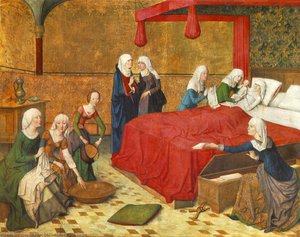
- The Birth of Mary
- Visitation
- Christ on the Cross
- Presentation in the Temple
- Place Of Birth: Cologne, Germany
Ähnliche Artikel

John Singer Sargent: Die 25 Meisterwerke des Porträts – Kunst für Ihr Zuhause | ArtsDot
Entdecken Sie die 25 Meisterwerke von John Singer Sargent! Tauchen Sie ein in die Welt der Porträtmalerei, des Impressionismus & der Belle Époque. Hochwertige Kunstdrucke & Reproduktionen für Ihr Zuhause – jetzt auf ArtsDot.com!

John Constable: Die 25 Meisterwerke des englischen Landschaftsgenies – ArtsDot
Entdecken Sie die 25 Meisterwerke von John Constable! Erleben Sie englische Landschaftsmalerei vom Hay Wain bis zur Stour Valley. Hochwertige Reproduktionen & Kunst für Ihr Zuhause auf ArtsDot.com.

Fra Angelico: Die 25 Meisterwerke des italienischen Frührenaissance-Malers | ArtsDot
Entdecken Sie die 25 schönsten Meisterwerke von Fra Angelico! Erleben Sie religiöse Kunst der italienischen Renaissance, himmlische Fresken & Panelgemälde. Finden Sie hochwertige Kunstdrucke und Reproduktionen für Ihr Zuhause auf ArtsDot.com.
The Radiant Dusk of Medieval Vision: Exploring Late Gothic Art's Synthesis of Faith, Form & Emotionality (c. 1300-1500)
Explore the exquisite beauty & spiritual depth of Late Gothic art (c. 1300-1500). Discover key artists, symbolism, and its lasting influence on the Renaissance. Expert insights at ArtsDot.
Beyond Borders: The Spiritual & Stylistic Innovations of International Gothic Art
Explore the exquisite beauty & spiritual depth of International Gothic art. Discover key artists like Simone Martini & Pol de Limbourg, its origins, symbolism, and lasting influence on European painting. Expert insights at ArtsDot.