

 Vorschau anzeigen
 Versenden
 Teilen
 Details anzeigen

 Herunterladen
 Ähnliche Objekte
 Röntgenaufnahme
 Diashow
 Statistiken
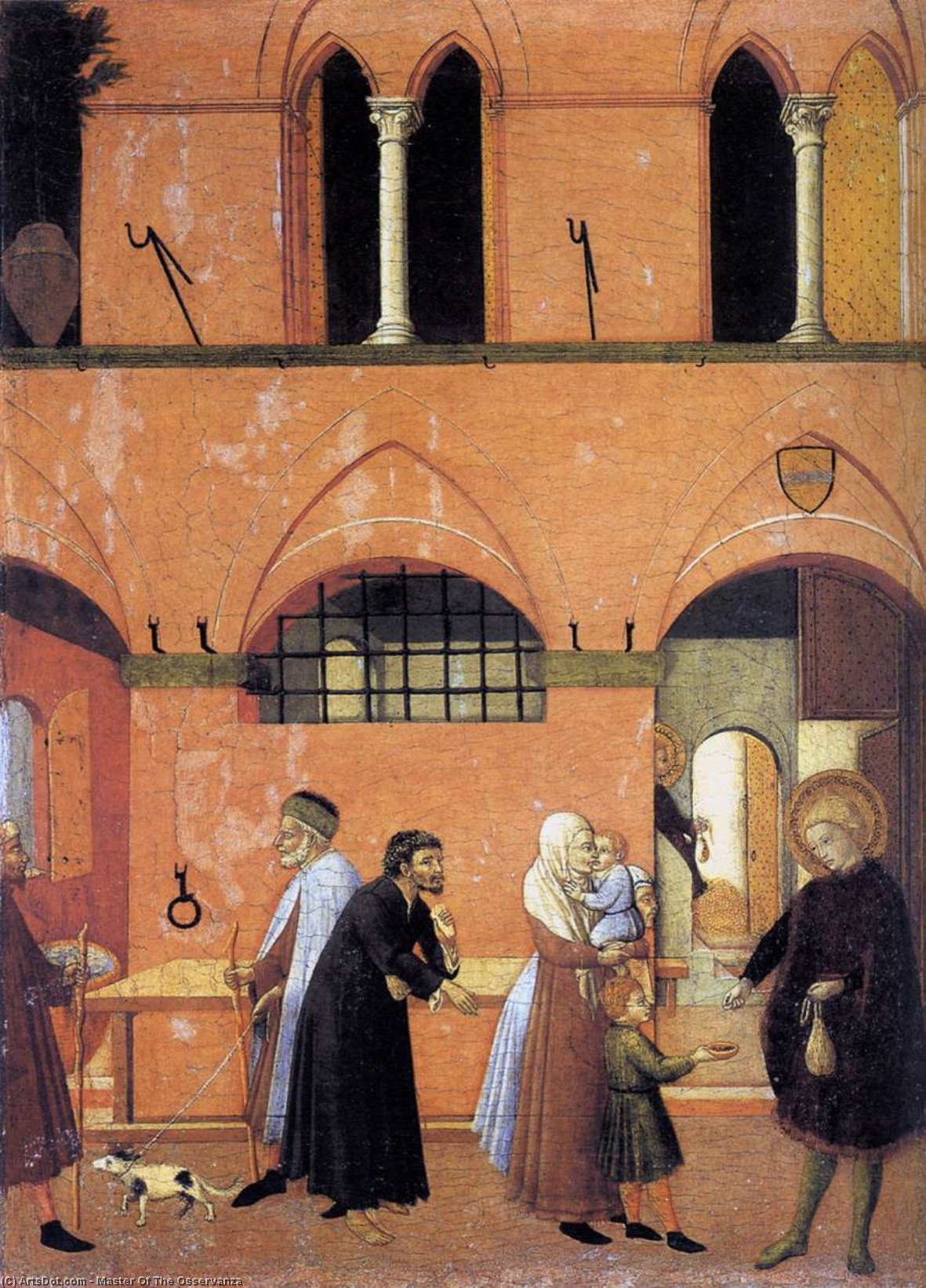
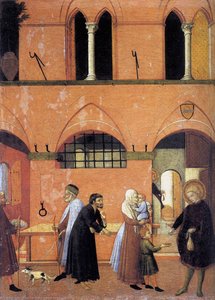
St Anthony Distributing his Wealth to the Poor
 Oil On Canvas
- WallArt
- Early Renaissance
 1440
1440 47.0 x 35.0 cm
 National Gallery of Art
 Weiterlesen
Handgefertigte Ölreproduktion
Handgemaltes Ölgemälde auf Leinwand in Ihrer Wunschgröße und mit Rahmen, auf Bestellung von unseren Künstlern angefertigt. ( Zu Druck wechseln Zum digitalen Bild wechseln)




P118B $10

P118H $10

P118W $10

P438Z $10

P508JH $12

P508YH $12

P805H $10

P805Z $10

P919BZ $10

P919G $10

P919XJ $10

P959ZH $10

P968JZ $12

W106C $8

W218G $10

W218JH $8

W218Y $10

W307PJ $10

W316G $10

W316PJ $8

W316Y $10

W398PJ $8

W4111J $10

W500HY $15

W500JH $15

W692G $12

W849H $8

W940BG $15

W953PJ $8




Wählen Sie aus unseren vordefinierten Formaten, die den ursprünglichen Proportionen des Kunstwerks entsprechen.

Sie können Ihre eigenen Maße eingeben, um einen bestimmten Rahmen oder Platz auszufüllen. Wenn die gewählte Größe nicht den Proportionen des Originalbildes entspricht, werden wir das Kunstwerk entweder beschneiden oder das Gemälde durch zusätzliche, handgemalte Elemente erweitern. Ein digitales Mockup wird Ihnen zur Genehmigung zugesandt, bevor die Produktion beginnt.
Bitte beachten Sie, dass die Bildschirmvorschau nicht die tatsächliche Beschneidung oder Erweiterung widerspiegelt. Nur das Mockup zeigt die endgültige Komposition exakt an.
Obwohl Sondermaße verfügbar sind, empfehlen wir, eine Größe aus der vordefinierten Liste zu wählen, um die ursprünglichen Proportionen beizubehalten.
Nach der Bestellung wird das ArtsDot.com-Team dem Kunden Anweisungen per E-Mail zusenden und eine Mockup-Vorschau bereitstellen.
Weltweiter Versand () in nur 3 bis 4 Wochen statt der üblichen 5 Wochen. (9 September). Keine Kompromisse bei der Qualität.

Kostenloser weltweiter Expressversand

Hochwertige Leinenleinwand

Umfassender Versicherungsschutz beim Versand

Zollgebühren-Rückerstattungsgarantie

Garantie für exakte Farbtreue

100-Tage-Rückgaberecht (nur bei Mängeln)

100% Geld-zurück-Garantie

Mengenrabatt verfügbar
 Die Glasoption ist nur für Größen unter 110 cm verfügbar.

St Anthony Distributing his Wealth to the Poor
Art der Reproduktion
Format der Reproduktion
-


Gesamtpreis
$ 263
A Testament to Charity: St Anthony Distributing his Wealth
To stand before this depiction of St. Anthony Distributing his Wealth to the Poor is to be enveloped in an atmosphere thick with profound piety and tangible human compassion. The scene unfolds against a backdrop suggesting humble, enduring life—the visible red brick wall anchoring the narrative in a specific, grounded reality. It is more than just a record of charity; it is a visual sermon on selfless giving. Observe the gentle interaction between figures: the man tenderly supporting a baby, another figure guiding a dog by its leash, and near the center, a woman whose presence seems to embody quiet grace. These vignettes of daily life are woven together by the central act of distribution, symbolized perhaps by the bowl resting patiently on the ground to the right.
The Hand of the Master of the Osservanza
This work bears the unmistakable signature of the Master of the Osservanza, an artist whose identity remains one of art history’s most captivating enigmas. Active in Siena during the early 15th century, this master possessed a unique ability to imbue religious subjects with startling psychological depth. The style speaks volumes about the late Gothic period in Italy—a time when devotional art was evolving from rigid formalism toward a more intimate, emotionally resonant portrayal of human experience. While the artist’s life remains shrouded in mystery, their touch is undeniable: a blend of meticulous detail and heartfelt narrative that continues to draw scholars and admirers alike.
Symbolism and Spiritual Resonance
The symbolism within this painting is rich and multi-layered. St. Anthony himself stands as the embodiment of spiritual wealth—the giving away of material goods for the sake of divine grace. The poor receiving aid are not merely recipients; they are participants in a sacred transaction, one that elevates both giver and receiver. The inclusion of everyday elements, like the dog or the architecture, grounds this heavenly act within the relatable sphere of human existence. It invites the viewer to contemplate their own capacity for generosity, transforming the artwork from mere decoration into a potent meditation on virtue.
A Touch of Renaissance Intimacy
The technique employed suggests the refined craftsmanship characteristic of the period, allowing light and shadow to model the figures with remarkable subtlety. The composition guides the eye naturally across the acts of giving and receiving, creating a visual rhythm that mirrors the steady beat of compassionate action. For those seeking an object for their home or collection—a piece that whispers tales of faith and humanity—this reproduction offers not just aesthetic beauty, but a connection to a pivotal moment in art history. It is a work designed to inspire contemplation, making it a profound focal point for any thoughtfully curated space.
Ähnliche Kunstwerke
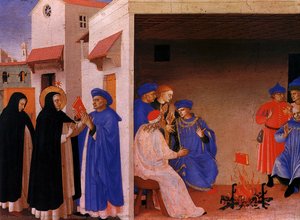

![Legende Des Heiligen Franziskus - [21] - Erscheinung Vor Fra Agostino Und Bischof Guido Von Arezzo — Giotto Di Bondone, Proto-renaissance](/media/artworks/images-thumb/8a/06/8a0632ef03ba49f12919faa78718a88b.jpg)
Über den Künstler
The Enigmatic Master of the Osservanza: A Sienese Visionary
The identity of the “Master of the Osservanza” remains one of art history’s most enduring mysteries, a testament to the skill and prolific output of an anonymous Italian painter active in Siena during the early 15th century. While definitively named only recently thanks to meticulous research by Maria Falcone, this artist—now recognized as Sano di Pietro—left behind a remarkable cycle of eight panels depicting scenes from the life of Saint Anthony Abbot, works that continue to captivate viewers with their haunting beauty and psychological depth. These paintings, scattered across museums in Siena, Washington D.C., New York, and Wiesbaden, Germany, offer a profound glimpse into the evolving artistic landscape of late Gothic Italy and reveal a painter deeply attuned to both religious devotion and the complexities of human experience.
The Osservanza cycle emerged around 1430-1450, a period marked by significant stylistic shifts in Siena. Influenced by the vibrant Sienese school—particularly the work of Duccio di Buoninsegna and Simone Martini—the Master nevertheless developed a distinct visual language characterized by a heightened sense of drama, emotional intensity, and an innovative use of color. Unlike the more overtly decorative style prevalent at the time, the Osservanza panels possess a remarkable restraint and solemnity, reflecting the saint’s ascetic life and his struggle against temptation. The artist's meticulous attention to detail—from the rugged texture of the desert landscape to the subtle expressions on the figures’ faces—creates an immersive experience for the viewer, drawing them into the narrative.
A Life of Solitude and Artistic Flourishing
Sano di Pietro’s early life remains shrouded in obscurity. He was born around 1405 in Siena, likely into a family involved in the production of dyes—a profession reflected in his surname, “di Pietro” (of Peter). Little is known about his formal artistic training, suggesting that he honed his skills through independent study and direct experience. The legend surrounding Saint Anthony’s life – a tale of monastic seclusion, spiritual trials, and encounters with demonic forces – provided the perfect subject matter for Sano's artistic explorations. The artist seems to have deliberately chosen this narrative as a vehicle for exploring themes of faith, temptation, and the human condition.
The Master’s career appears to have been largely dedicated to producing altarpieces and panel paintings for churches and private patrons in Siena and surrounding areas. He was particularly adept at creating devotional scenes that combined narrative clarity with emotional resonance. The Osservanza cycle, however, stands apart as a monumental achievement—a testament to his artistic skill and his ability to imbue religious imagery with profound psychological depth. It’s believed he worked on the cycle for approximately 15 years, culminating in a series of works that are considered among the most important examples of Sienese late Gothic art.
The Depths of Temptation: Analyzing the Osservanza Cycle
The eight panels of the Osservanza Triptych represent key episodes from Saint Anthony’s life, each imbued with a potent symbolic meaning. The cycle begins with “Anthony Leaving His Monastery,” depicting the saint's dramatic departure from his comfortable home and embrace of a solitary existence in the desert. This is followed by scenes such as "Saint Anthony Abbot Tempted by a Heap of Gold," where the saint resists the allure of worldly riches, and “Saint Anthony Abbot in the Wilderness,” illustrating his struggles against demonic temptations. The cycle culminates with “The Resurrection” and “Scenes from the Life of St. Anthony Abbot,” offering a glimpse into the saint’s final years and his eventual death.
What distinguishes these panels is their profound psychological realism. Sano doesn't simply depict religious events; he explores the inner turmoil of the characters involved, capturing their doubts, fears, and moments of spiritual struggle with remarkable sensitivity. The use of color—particularly the deep blues and purples—creates a sense of mystery and foreboding, while the stark contrasts between light and shadow heighten the drama of each scene. The artist’s innovative approach to perspective and spatial arrangement further enhances the immersive quality of the paintings, drawing the viewer into the heart of the narrative.
Legacy and Influence
Despite his anonymity for centuries, the Master of the Osservanza's work has exerted a significant influence on subsequent generations of Italian painters. His innovative use of color, dramatic composition, and psychological realism paved the way for the development of Renaissance art in Siena. The cycle’s emotional intensity and its exploration of complex human themes resonated with artists throughout Europe, inspiring countless imitations and reinterpretations.
Today, the Osservanza Triptych remains one of the most celebrated examples of Sienese late Gothic art. Its haunting beauty and profound psychological depth continue to captivate viewers, reminding us of the enduring power of religious imagery to explore the mysteries of faith, temptation, and the human condition. The recent identification of Sano di Pietro as the artist behind these masterpieces has finally brought recognition to a truly remarkable artistic visionary—a master whose work deserves to be celebrated for its originality, skill, and profound emotional resonance.
Kurzinfos
- Artistic Movement Or Style: Late Gothic
- Artists Or Movements Influenced By This Artist: ['Sassetta']
- Artists Who Influenced This Artist: ['Stefano di Giovanni']
- Date Of Birth: c. 1430
- Full Name: Sano di Pietro
- Nationality: Italian
- Notable Artworks:
- Saint Anthony Abbot Tempted by a Heap of Gold
- Nativity of the Virgin
- Scenes from the Life of St. Anthony Abbot
- Place Of Birth: Asciano, Siena
Ähnliche Artikel

Katsushika Hokusai: Die 25 Meisterwerke des Ukiyo-e – Kunst für Ihr Zuhause | ArtsDot
Entdecken Sie die 25 Meisterwerke von Katsushika Hokusai! Tauchen Sie ein in die Welt des Ukiyo-e, berühmte Holzschnitte wie 'Die große Welle' & Fuji-Ansichten. Hochwertige Kunstdrucke für Ihr Zuhause – jetzt auf ArtsDot.com!

Giclée Prints: Archival Quality & Aesthetic Nuances for the Discerning Collector
Explore the world of giclée prints with ArtsDot. Learn about archival quality, aesthetic nuances & investment potential. Expert guidance for discerning art collectors seeking museum-quality reproductions and lasting value.

The Enduring Legacy of Fine Art Prints: Technique, History & Aesthetic Impact
Explore the rich history & techniques of fine art prints. Discover investment potential, assess authenticity, and learn how to preserve your collection with expert guidance. Trusted insights for discerning collectors.

Echoes of Time: Exploring the Enduring Appeal & Historical Context of Vintage Art Prints
Explore the captivating world of vintage art prints! Discover their history, collecting tips & enduring appeal. Expert insights on chromolithography and building a legacy collection with ArtsDot.
The Radiant Dusk of Medieval Vision: Exploring Late Gothic Art's Synthesis of Faith, Form & Emotionality (c. 1300-1500)
Explore the exquisite beauty & spiritual depth of Late Gothic art (c. 1300-1500). Discover key artists, symbolism, and its lasting influence on the Renaissance. Expert insights at ArtsDot.