

 Vorschau anzeigen
 Versenden
 Teilen
 Details anzeigen

 Herunterladen
 Ähnliche Objekte
 Röntgenaufnahme
 Diashow
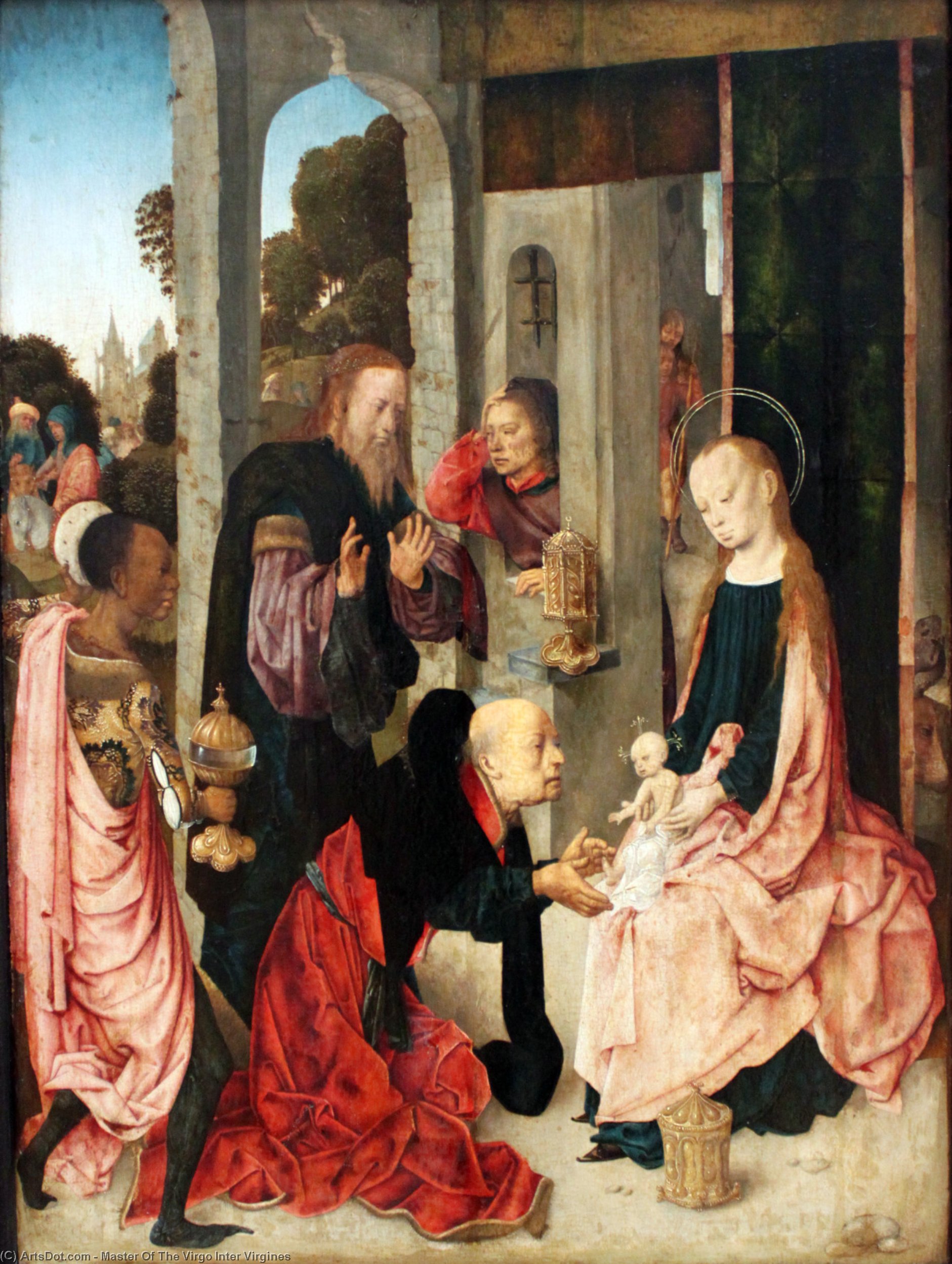
Adoration of the Magi
 Oil
Oil- WallArt
- Netherlandish realism
 1485
1485- Renaissance
 63.0 x 48.0 cm
 Staatliche Museen zu Berlin
 Weiterlesen
Giclée / Kunstdruck
Giclée- oder Leinwanddruck in Museumsqualität mit schneller Produktion und flexiblen Veredelungsoptionen. ( Handgemalte Reproduktion bestellen Bild kaufen)




P118B $10

P118H $10

P118W $10

P438Z $10

P508JH $12

P508YH $12

P805H $10

P805Z $10

P919BZ $10

P919G $10

P919XJ $10

P959ZH $10

P968JZ $12

W106C $8

W218G $10

W218JH $8

W218Y $10

W307PJ $10

W316G $10

W316PJ $8

W316Y $10

W398PJ $8

W4111J $10

W500HY $15

W500JH $15

W692G $12

W849H $8

W940BG $15

W953PJ $8




Wählen Sie aus unseren vordefinierten Formaten, die den ursprünglichen Proportionen des Kunstwerks entsprechen.

Sie können Ihre eigenen Maße eingeben, um ein bestimmtes Format oder einen speziellen Platz einzupassen. Wenn das von Ihnen gewählte Format nicht den Proportionen des Originalbildes entspricht, werden wir das Kunstwerk entweder beschneiden oder das Bild mit einem gespiegelten oder einfarbigen Rand erweitern. Ein digitaler Entwurf wird Ihnen zur Genehmigung zugesandt, bevor die Produktion beginnt.
Bitte beachten Sie, dass die Vorschau auf dem Bildschirm nicht den tatsächlichen Zuschnitt oder die Erweiterung widerspiegelt. Nur der Entwurf zeigt die endgültige Komposition präzise an.
Obwohl Sondermaße verfügbar sind, empfehlen wir die Auswahl eines Maßes aus der vordefinierten Liste, um die ursprünglichen Proportionen zu bewahren.
Weltweiter Versand () innerhalb von 2 Wochen statt der üblichen 4/5 Wochen. (28 August)

Kostenloser weltweiter Expressversand

Hochwertige Leinenleinwand

Umfassender Versicherungsschutz beim Versand

Zollgebühren-Rückerstattungsgarantie

Garantie für exakte Farbtreue

60 Tage Rückgaberecht (nur bei Mängeln)

100% Geld-zurück-Garantie

Mengenrabatt verfügbar
 Die Glasoption ist nur für Größen unter 110 cm verfügbar.

Adoration of the Magi
Giclée / Kunstdruck
Format der Reproduktion
-


Gesamtpreis
$ 62
Ähnliche Kunstwerke
Über den Künstler
The Enigmatic Shadow of the Netherlandish Renaissance
In the annals of fifteenth-century Northern European art, few figures possess a presence as haunting and elusive as the Master of the Virgo inter Virgines. A painter whose true name has been swallowed by the mists of time, he remains a phantom of the Dutch School, known only through the profound impact of his surviving works. Active primarily around Delft between the late 1480s and the dawn of the sixteenth century, this unnamed creator carved out a niche defined by an uncompromising commitment to realism. While many of his contemporaries leaned into the decorative flourishes of the late Gothic or the emerging Mannerist tendencies, this Master sought something deeper: a visceral, unadorned truth that captured the weight of human suffering and the quiet sanctity of divine grace.
The very identity of the artist is inextricably linked to one of the most celebrated altarpieces in the Rijksmuseum collection. The Virgin and Child with Four Holy Virgins, a monumental work completed around 1490, serves as the cornerstone of his known oeuvre. This piece, which once graced the convent of Koningsveld, showcases a painter capable of orchestrating complex theological narratives through a lens of stark naturalism. In this sacred gathering of Saint Catherine, Cecilia, Ursula, and Barbara, we see not just icons, but breathing, emotive figures rendered with an anatomical precision that was revolutionary for its time. It is through this singular masterpiece that art historians first began to distinguish his hand from the broader, more stylized traditions of the era.
A Legacy Forged in Realism and Devotion
The stylistic evolution of the Master suggests a profound engagement with the masters of the Ghent-Bruges school. Scholars often point to the expressive, heavy-set figures of Hugo van der Goes and the contemplative stillness found in the works of Dirk Bouts as primary influences that shaped his aesthetic. From these predecessors, he inherited a fascination with the psychological depth of his subjects, yet he departed from them by stripping away much of the ornamental excess. His work is characterized by a somber palette—deep earth tones, muted blues, and the stark, pale light that illuminates flesh in moments of profound vulnerability.
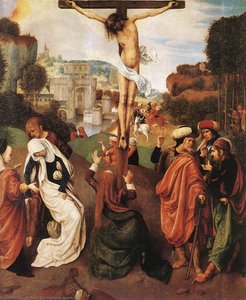
Beyond the celestial calm of his Marian compositions, the Master demonstrated a remarkable ability to navigate the darkest corridors of Christian iconography. His depictions of the Crucifixion and the Lamentation over the Dead Christ reveal an artist obsessed with the physical reality of sacrifice. In these works, the viewer is not merely a spectator to a religious event but a witness to the palpable weight of mortality. The handling of flesh tones in his more tragic scenes avoids idealization; instead, he captures the strain of muscle and the pallor of death, creating a symphony of grief that resonates with an almost modern intensity.
The historical significance of the Master of the Virgo inter Virgines lies in his role as a bridge between the medieval and the early modern. His contributions to both painting and the design of woodcuts helped establish a foundation for the Dutch tradition of realism that would flourish in later centuries. Though his biography remains a collection of scholarly fragments and educated guesses, his artistic voice remains unmistakable:
- Uncompromising Naturalism: A rejection of decorative artifice in favor of anatomical and emotional truth.
- Psychological Depth: The ability to convey complex internal states through subtle gesture and gaze.
- Mastery of Light and Texture: Using a somber, focused palette to heighten the spiritual gravity of his subjects.
Kurzinfos
- Artistic Movement Or Style: Realism
- Artists Or Movements Influenced By This Artist: ['Dutch School']
- Artists Who Influenced This Artist:
- Hugo van der Goes
- Geertgen tot Sint Jans
- Full Name: Master of the Virgo inter Virgines
- Nationality: Dutch
- Notable Artworks:
- Virgin and Child with Sts Catherine, Cecilia, Barbara, and Ursula
- Crucifixion
- Place Of Birth: Delft
Ähnliche Artikel
Romantic Realism's Finest: 10 Masterpieces for Your Home | ArtsDot
Explore 10 defining masterpieces of Romantic Realism! Discover Courbet, Millet & Daumier's powerful paintings—capturing emotion and social realities. Find museum-quality reproductions for your home at ArtsDot.com.
Spätmittelalterliche Meisterwerke: 10 Kunstwerke für Ihr Zuhause | ArtsDot
Entdecken Sie die 10 bedeutendsten Meisterwerke des Spätmittelalters! Erfahren Sie die Geschichten hinter Jan van Eyck, Rogier van der Weyden & mehr. Hochwertige Kunst Reproduktionen für Ihr Zuhause – jetzt auf ArtsDot.com!
Meisterwerke des Hochmittelalters: 10 Kunstwerke für Ihr Zuhause | ArtsDot
Entdecken Sie die 10 bedeutendsten Meisterwerke des Hochmittelalters! Erfahren Sie Geschichten von Romanik, Gotik & berühmten Künstlern. Finden Sie hochwertige Reproduktionen für Ihr Zuhause auf ArtsDot.com.

Echoes of Society: Exploring Social Realism's Enduring Legacy in Art
Explore the powerful world of Social Realism art! Discover key artists, masterpieces & its profound social commentary. Expert insights into this influential movement's history and enduring legacy.
Frühniederländische Renaissance: 10 Meisterwerke für Ihr Zuhause | ArtsDot
Entdecken Sie die 10 prägendsten Meisterwerke der Frühniederländischen Renaissance! Erfahren Sie mehr über Jan van Eyck, Rogier van der Weyden & Co. und ihre ikonischen Gemälde. Hochwertige Reproduktionen für Ihr Zuhause – jetzt auf ArtsDot.com!

