

 Vorschau anzeigen
 Versenden
 Teilen
 Details anzeigen

 Herunterladen
 Ähnliche Objekte
 Röntgenaufnahme
 Diashow
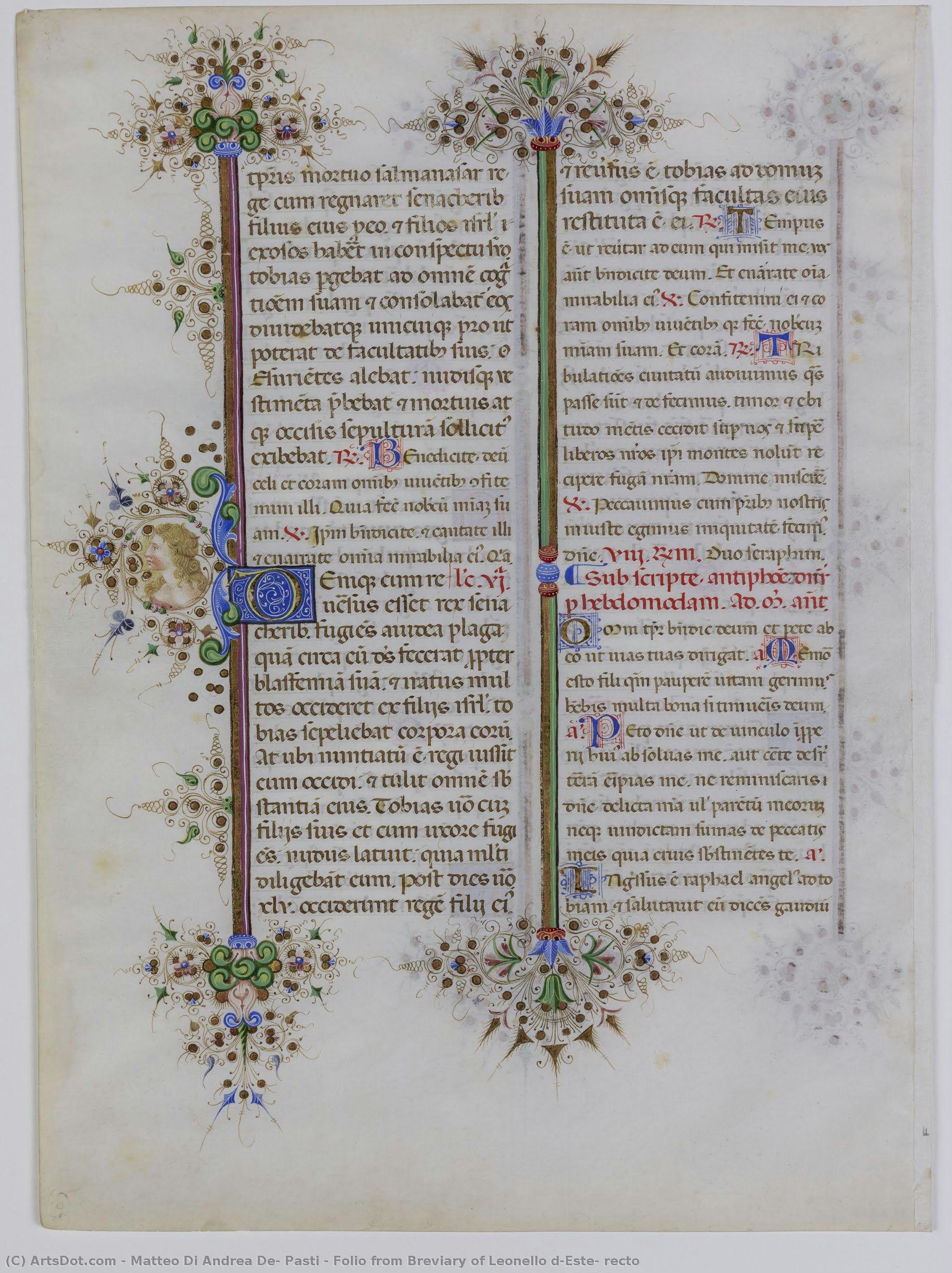
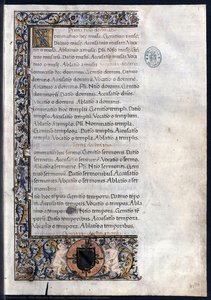
Folio from Breviary of Leonello d’Este, recto
 27.0 x 20.0 cm
 Musei Civici di Arte Antica e Museo Riminaldi
 Weiterlesen
Handgefertigte Ölreproduktion
Handgemaltes Ölgemälde auf Leinwand in Ihrer Wunschgröße und mit Rahmen, auf Bestellung von unseren Künstlern angefertigt. ( Druck bestellen Bild kaufen)




































Wählen Sie aus unseren vordefinierten Formaten, die den ursprünglichen Proportionen des Kunstwerks entsprechen.

Sie können Ihre eigenen Maße eingeben, um einen bestimmten Rahmen oder Platz auszufüllen. Wenn die gewählte Größe nicht den Proportionen des Originalbildes entspricht, werden wir das Kunstwerk entweder beschneiden oder das Gemälde durch zusätzliche, handgemalte Elemente erweitern. Ein digitales Mockup wird Ihnen zur Genehmigung zugesandt, bevor die Produktion beginnt.
Bitte beachten Sie, dass die Bildschirmvorschau nicht die tatsächliche Beschneidung oder Erweiterung widerspiegelt. Nur das Mockup zeigt die endgültige Komposition exakt an.
Obwohl Sondermaße verfügbar sind, empfehlen wir, eine Größe aus der vordefinierten Liste zu wählen, um die ursprünglichen Proportionen beizubehalten.
Nach der Bestellung wird das ArtsDot.com-Team dem Kunden Anweisungen per E-Mail zusenden und eine Mockup-Vorschau bereitstellen.
Weltweiter Versand () in nur 3 bis 4 Wochen statt der üblichen 5 Wochen. (22 August). Keine Kompromisse bei der Qualität.

Kostenloser weltweiter Expressversand

Hochwertige Leinenleinwand

Umfassender Versicherungsschutz beim Versand

Zollgebühren-Rückerstattungsgarantie

Garantie für exakte Farbtreue

60 Tage Rückgaberecht (nur bei Mängeln)

100% Geld-zurück-Garantie

Mengenrabatt verfügbar
 Die Glasoption ist nur für Größen unter 110 cm verfügbar.

Folio from Breviary of Leonello d’Este, recto
Art der Reproduktion
Format der Reproduktion
-


Gesamtpreis
$ 263
Ähnliche Kunstwerke



Über den Künstler
Matteo di Andrea de' Pasti: Sculptor of Renaissance Splendor
Matteo di Andrea de’ Pasti (c. 1420 – after 1468/1469) stands as a pivotal figure in the artistic landscape of Verona and the broader Italian Renaissance, renowned primarily for his monumental sculptures and intricately crafted medals that embody the ideals of humanist artistry and royal patronage. Born in Verona, Italy, he emerged from a tradition steeped in Veronese sculptural excellence, inheriting techniques honed by masters like Giovanni Battista Falcone and Andrea Mantegna—skills which would prove instrumental in shaping his distinctive style. His formative years were marked by exposure to the intellectual ferment of the era, fueled by humanist scholarship and artistic innovation emanating from Florence under Lorenzo de’ Medici. This influence is palpable in his embrace of classical proportions and idealized forms, mirroring the stylistic trends championed by Alberti and Brunelleschi. Notably, he collaborated closely with Leone Battista Alberti on the ambitious Tempio Malatestiano in Rimini—a project that cemented his reputation as a visionary architect-sculptor duo. Together, they conceived and executed a breathtaking edifice incorporating innovative structural solutions alongside stunning sculptural decoration, establishing a benchmark for Renaissance grandeur. The Tempio Malatestiano’s soaring dome and intricate mosaics stand as enduring monuments to their collaborative genius. Pasti’s prolific output spanned commissions from influential patrons like Lionello d'Este and Sigismondo Pandolfo Malatesta, reflecting the flourishing artistic environment of his time. His sculptures celebrated both religious piety and civic pride, often depicting saints and biblical figures with remarkable realism and emotional depth. The Tempio Malatestiano itself houses several monumental sculptures by Pasti—including a colossal statue of Saint Francis—demonstrating his mastery of scale and expressive power. This sculpture captures the saint’s serene dignity and embodies the humanist ideal of spiritual contemplation. Furthermore, he produced numerous portraits and busts for noble families across Italy, capturing the likenesses of prominent individuals with meticulous detail and conveying their character through subtle gestures and facial expressions. These portraits are considered exceptional examples of Renaissance portraiture, reflecting a profound understanding of human anatomy and psychological nuance. Beyond sculpture, Matteo de’ Pasti achieved considerable acclaim as a medalist, producing exquisitely crafted coins and commemorative medallions that served as emblems of royal authority and artistic prestige. His medals showcased exceptional technical skill—particularly in embossing techniques—resulting in surfaces adorned with shimmering relief that captivated viewers. These works are now housed in prestigious museums worldwide, including the Cleveland Museum of Art and the British Museum, guaranteeing their enduring legacy as masterpieces of Renaissance metalwork. The intricate designs on his medallions often incorporated allegorical imagery and symbolic references to classical mythology, demonstrating Pasti’s mastery of artistic symbolism and furthering the humanist quest for knowledge and beauty. His contribution to art history extends beyond individual pieces; Pasti’s work embodies the humanist spirit of the Renaissance—a commitment to observation, reason, and the pursuit of beauty informed by classical ideals. He remains a testament to the transformative power of artistic collaboration and the ability of sculptors to elevate architectural spaces into symbols of civic virtue and spiritual contemplation. Matteo di Andrea de' Pasti’s legacy continues to inspire artists today, securing his place as one of Verona’s most celebrated Renaissance luminaries.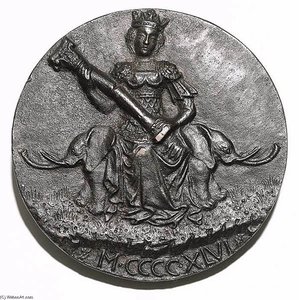
Matteo Di Andrea Pasti
Italien
Kurzinfos
- Artistic Movement Or Style: Renaissance
- Artists Or Movements Influenced By This Artist: ['Leone Battista Alberti']
- Date Of Birth: Verona, Italien ()
- Date Of Death: Nach 1468/1469
- Full Name: Matteo di Andrea de' Pasti
- Nationality: Italienisch
- Notable Artworks:
- Tempio Malatestiana
- Büste von Leon Battista Alberti
- Place Of Birth: Verona

