 Vorschau anzeigen
 Versenden
 Teilen
 Details anzeigen

 Herunterladen
 Ähnliche Objekte
 Röntgenaufnahme
 Diashow
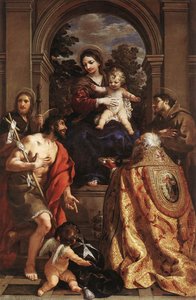
The Madonna of Costantinople


 Weiterlesen
Handgefertigte Ölreproduktion
Handgemaltes Ölgemälde auf Leinwand in Ihrer Wunschgröße und mit Rahmen, auf Bestellung von unseren Künstlern angefertigt. ( Druck bestellen Bild kaufen)




P118B $10

P118H $10

P118W $10

P438Z $10

P508JH $12

P508YH $12

P805H $10

P805Z $10

P919BZ $10

P919G $10

P919XJ $10

P959ZH $10

P968JZ $12

W106C $8

W218G $10

W218JH $8

W218Y $10

W307PJ $10

W316G $10

W316PJ $8

W316Y $10

W398PJ $8

W4111J $10

W500HY $15

W500JH $15

W692G $12

W849H $8

W940BG $15

W953PJ $8




Wählen Sie aus unseren vordefinierten Formaten, die den ursprünglichen Proportionen des Kunstwerks entsprechen.

Sie können Ihre eigenen Maße eingeben, um einen bestimmten Rahmen oder Platz auszufüllen. Wenn die gewählte Größe nicht den Proportionen des Originalbildes entspricht, werden wir das Kunstwerk entweder beschneiden oder das Gemälde durch zusätzliche, handgemalte Elemente erweitern. Ein digitales Mockup wird Ihnen zur Genehmigung zugesandt, bevor die Produktion beginnt.
Bitte beachten Sie, dass die Bildschirmvorschau nicht die tatsächliche Beschneidung oder Erweiterung widerspiegelt. Nur das Mockup zeigt die endgültige Komposition exakt an.
Obwohl Sondermaße verfügbar sind, empfehlen wir, eine Größe aus der vordefinierten Liste zu wählen, um die ursprünglichen Proportionen beizubehalten.
Nach der Bestellung wird das ArtsDot.com-Team dem Kunden Anweisungen per E-Mail zusenden und eine Mockup-Vorschau bereitstellen.
Weltweiter Versand () in nur 3 bis 4 Wochen statt der üblichen 5 Wochen. (26 August). Keine Kompromisse bei der Qualität.

Kostenloser weltweiter Expressversand

Hochwertige Leinenleinwand

Umfassender Versicherungsschutz beim Versand

Zollgebühren-Rückerstattungsgarantie

Garantie für exakte Farbtreue

60 Tage Rückgaberecht (nur bei Mängeln)

100% Geld-zurück-Garantie

Mengenrabatt verfügbar
 Die Glasoption ist nur für Größen unter 110 cm verfügbar.

The Madonna of Costantinople
Art der Reproduktion
Format der Reproduktion
-


Gesamtpreis
$ 263
Beschreibung des Kunstwerks
A Divine Gathering – The Madonna of Costantinople by Mattia Preti
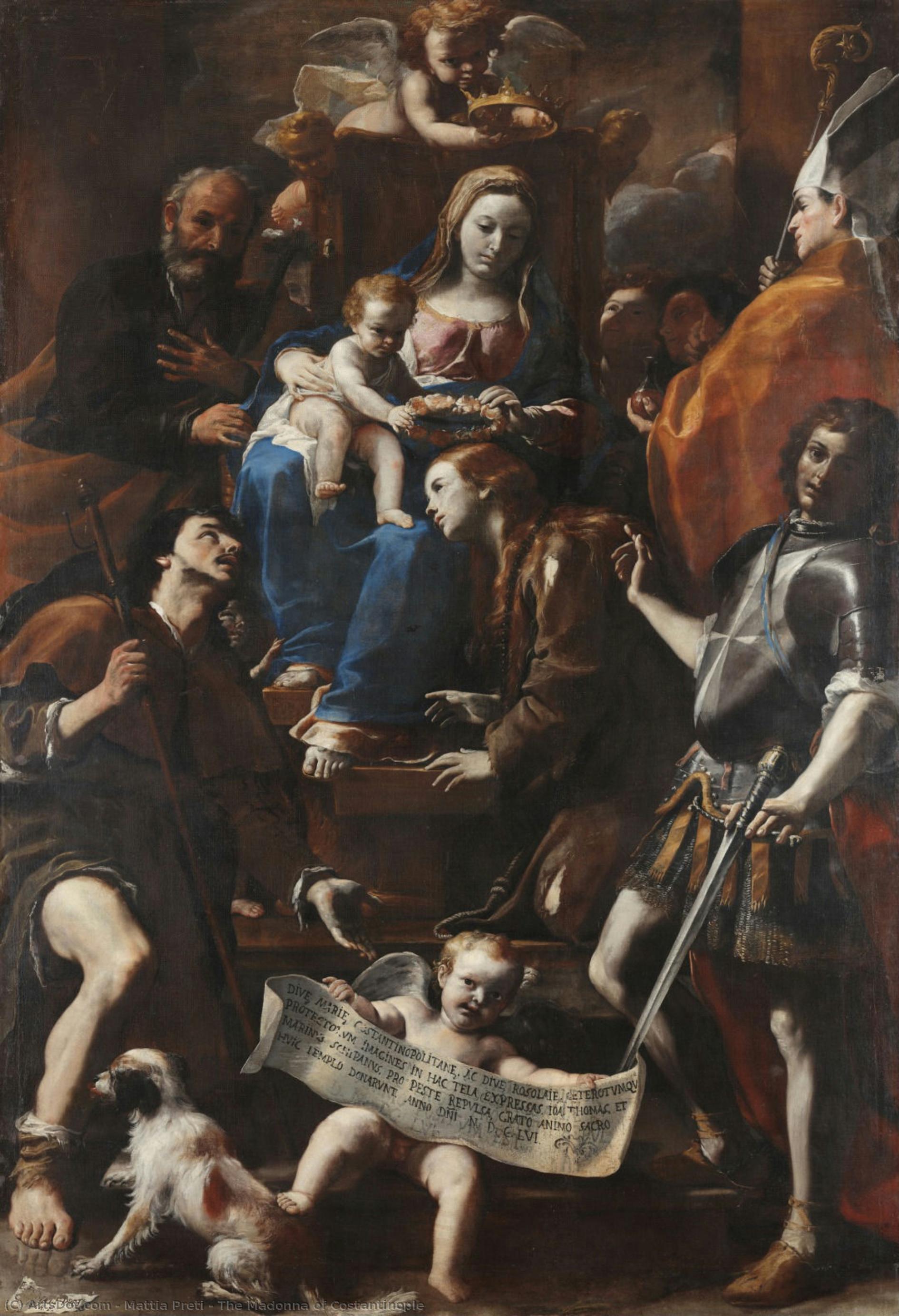
Mattia Preti’s “The Madonna of Costantinople,” painted in 1656, isn't merely a religious depiction; it’s a vibrant tableau vivant—a snapshot of a moment suspended in time. This arresting work, currently housed within the Church of Sant’Agostino degli Scalzi in Naples and part of the Fondi Edifici di Culto collection, immediately draws the viewer into a scene brimming with life, piety, and an almost palpable sense of celebration. Preti masterfully captures not just the figures themselves but also the atmosphere surrounding them – a feeling of warmth, community, and reverence that transcends the traditional confines of a Madonna and Child composition.

The painting depicts Mary cradling the infant Jesus, surrounded by a diverse group of individuals – men and women from various social strata. Notably, there are two dogs present, one positioned near the lower left corner and another closer to the center-right, adding an unexpected layer of domesticity and earthly connection to this sacred scene. A dining table is subtly visible in the background, suggesting a shared meal or gathering, further emphasizing the communal spirit of the composition. The setting itself—a richly decorated room—hints at a noble household, elevating the event depicted beyond a simple devotional image.
Baroque Drama and Caravaggist Influence
Mattia Preti, known as “Il Cavalier Calabrese,” was a pivotal figure in 17th-century Italian Baroque painting. Born in Taverna, Calabria, his artistic journey was marked by an absorption of diverse influences, most notably the dramatic chiaroscuro techniques pioneered by Caravaggio. This influence is immediately apparent in "The Madonna of Costantinople," where Preti employs a masterful use of light and shadow to sculpt the figures, creating a sense of depth and drama that dominates the scene. The strong contrasts between light and dark not only highlight key elements but also imbue the painting with an emotional intensity – a feeling of both serenity and profound reverence.
Preti’s style is characterized by its dynamism and expressive power. He moved away from the more restrained styles prevalent in earlier periods, embracing bold colors, dramatic gestures, and a heightened sense of realism. His work reflects the turbulent political and religious climate of his time, capturing both the grandeur and the anxieties of the era. The composition itself—a carefully arranged group of figures—is reminiscent of theatrical stage design, further enhancing the painting’s dramatic impact.
Symbolism and Historical Context
The inclusion of the dogs is particularly intriguing, adding a layer of symbolic meaning to the scene. Dogs have long been associated with loyalty, fidelity, and protection – qualities highly valued in religious iconography. Their presence here could be interpreted as a representation of divine guidance and watchful care. The gathering itself—a shared meal and conversation—underscores the importance of community and fellowship within the Christian faith. The painting was created during a period of significant social and political change in Europe, marked by religious conflict and the rise of powerful nation-states. Preti’s work reflects these complexities, offering a glimpse into the lives and beliefs of people living through a time of great upheaval.
Painted in 1656, “The Madonna of Costantinople” provides valuable insight into the artistic practices and cultural values of the Baroque period. It stands as a testament to Preti’s skill as a painter and his ability to capture the essence of human experience within a religious context. The painting's enduring appeal lies in its ability to evoke a sense of wonder, compassion, and connection – qualities that continue to resonate with viewers today.
A Timeless Masterpiece for Reproduction
Reproductions of “The Madonna of Costantinople” offer an exceptional opportunity to bring this captivating Baroque masterpiece into your home or office. Available in a range of sizes and mediums, these high-quality reproductions faithfully capture the painting’s rich colors, dramatic lighting, and intricate details. Whether you are an art enthusiast, a collector, or simply seeking to add a touch of elegance and sophistication to your space, this iconic work is sure to be a cherished addition to any collection.
Ähnliche Kunstwerke
Über den Künstler
Mattia Preti: Ein bedeutender italienischer Barockkünstler
- Geboren: Taverna, Italien (24. Februar 1613)
- Gestorben: 1699
Frühes Leben und Ausbildung
Mattia Preti wurde am 24. Februar 1613 in Taverna, Kalabrien, Italien geboren. Seine frühe künstlerische Ausbildung begann bei Giovanni Battista Caracciolo, einem Maler, der mit der Caravaggisten-Bewegung verbunden war. Diese anfängliche Auseinandersetzung prägte seinen Stil maßgeblich, was in vielen seiner Werke deutlich wird. Vor 1630 trat Preti seinem Bruder Gregorio Preti in Rom bei, wo er sich den Techniken von Caravaggio und anderen bedeutenden Künstlern der Zeit verschrieb. Diese Periode war entscheidend für die Entwicklung seines Verständnisses von dramatischem Licht und realistischen Darstellungen.
Wichtige künstlerische Entwicklungen und Einflüsse
Pretis künstlerischer Weg umfasste ein komplexes Zusammenspiel von Einflüssen. Obwohl er in der Caravaggismus verwurzelt war, absorbierte er auch Elemente verschiedener Meister wie Guercino, Rubens, Guido Reni und Giovanni Lanfranco. Seine Zeit in Neapel führte ihn zur Arbeit von Luca Giordano, was seinen Stil weiter verfeinerte. Eine bemerkenswerte Verschiebung trat auf, als Preti über eine strikte Caravaggeske Imitation hinausging und einen dynamischeren und ausdrucksstärkeren Barockstil entwickelte, der durch Folgendes gekennzeichnet ist:
- Dramatische Kontraste von Licht und Schatten: Ein Kennzeichen, das er von Caravaggio übernahm, um intensive Dramatik zu erzeugen und Schlüsselfiguren hervorzuheben.
- Intensive emotionale Ausdruckskraft: Pretis Werke vermitteln oft kraftvolle Emotionen durch Gesichtsausdrücke und Körpersprache.
- Dynamische Kompositionen: Seine Gemälde zeichnen sich durch energiegeladene Bewegung und komplexe Anordnungen von Figuren aus.
Hauptwerke und Aufträge
Pretis Karriere war geprägt von zahlreichen bedeutenden Aufträgen in ganz Italien und Malta. Zu den bemerkenswertesten Werken gehören:
- Freskzyklen in Rom: Er schuf Freskzyklen für Kirchen wie Sant’Andrea della Valle und San Carlo ai Catinari, was sein Können in großflächiger dekorativer Malerei demonstrierte.
- Fresken in San Biagio, Modena: Seine Arbeit in der Kirche von San Biagio zeigte seine Fähigkeit, seinen Stil an verschiedene Umgebungen anzupassen.
- Neapolitanische Pestfresken: Eine Reihe großer Fresken, die die Jungfrau oder Heilige darstellen, die das Volk vor der Pest retten, wurden auf sieben Stadttoren in Neapel gemalt. Obwohl sie heute verloren sind, zeugen Skizzen von ihrem Umfang und ihrer Wirkung.
- St. John’s Co-Cathedral, Valletta (Malta): Seine bedeutendste Leistung war die Umgestaltung des Innenraums der St. John’s Co-Cathedral mit einer umfangreichen Reihe von Gemälden, die das Leben und den Märtyrertod Johannes des Täufers darstellen. Dieses Projekt festigte seinen Ruf und sicherte ihm zahlreiche Aufträge in ganz Europa.
Vermächtnis und historische Bedeutung
Pretis zunehmender Ruf, der durch seine Arbeit in Malta befeuert wurde, führte zu einem erweiterten Kreis von Mäzenen und Aufträgen aus ganz Europa. Er wird als eine führende Figur in der italienischen Barockkunst in Erinnerung behalten, bekannt für seine dramatischen Kompositionen, die geschickte Verwendung von Licht und Schatten sowie seine Fähigkeit, intensive Emotionen zu vermitteln. Sein Vermächtnis wird weiterhin durch die Bewahrung seiner Werke in Museen wie dem Capodimonte Museum in Neapel und durch Reproduktionen auf ArtsDot.com geschätzt. Sein Beitrag zur Dekoration der St. John’s Co-Cathedral ist ein Zeugnis seines künstlerischen Talents und seines bleibenden Einflusses auf die Barockkunst.
Mattia Preti
1613 - 1699 , Italien
Kurzinfos
- Beeinflusste Künstler: ['Giovanni Battista Caracciolo']
- Bemerkenswerte Werke:
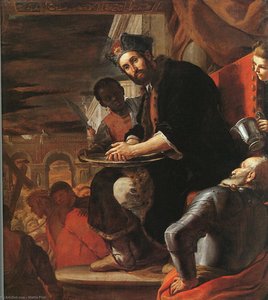
- Tribute Money
- Absaloms Festmahl
- Das Konzert
- Heiligendarstellung
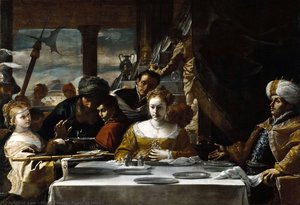
- Herodes' Gastmahl
- Einflussreiche Künstler:
- Caravaggio
- Luca Giordano
- Geburtsdatum: 24. Februar 1613
- Geburtsort: Taverna, Italien
- Künstlerischer Stil: Barock
- Nationalität: Italienisch
- Sterbedatum: 1699
- Vollständiger Name: Mattia Preti
Ähnliche Artikel

The Dramatic Flourish: Exploring the Baroque Movement's Enduring Legacy in Art History
Explore the dramatic world of Baroque art! Discover iconic artists like Caravaggio & Rubens, defining techniques, and its lasting impact on art history. Expert insights for collectors & enthusiasts at ArtsDot.

The Visceral Stage: Exploring Dramatic Narratives & Emotional Intensity in Baroque Art
Explore the dramatic world of Baroque art! Discover iconic masters like Caravaggio & Rembrandt, their techniques, and the movement's lasting impact. Expert insights for collectors & enthusiasts at ArtsDot.

Barocke Pracht: Wie Sie Opulenz und Emotionen in zeitgenössische Innenräume bringen
Entdecken Sie die Pracht des Barock! Expertenratgeber für luxuriöse Innenräume mit barocken Elementen. Inspiration, Tipps & hochwertige Kunst bei .

Barock Meisterwerke: Die 10 prägendsten Kunstwerke für Ihr Zuhause |
Entdecken Sie die 10 prägendsten Meisterwerke des Barock! Caravaggio, Rembrandt & Co. – Erfahren Sie die Geschichten hinter ikonischen Gemälde und finden Sie hochwertige Kunst Reproduktionen für Ihr Zuhause auf .

Theatricality & Triumph: Baroque Drama in Painting & Sculpture
Explore the dramatic world of Baroque art! Discover its history, defining characteristics, & lasting influence on painting & sculpture. Expert insights into Caravaggio, Zurbarán, and Bernini – plus high-quality reproductions at ArtsDot.