 Vorschau anzeigen
 Versenden
 Teilen
 Details anzeigen

 Herunterladen
 Ähnliche Objekte
 Röntgenaufnahme
 Diashow
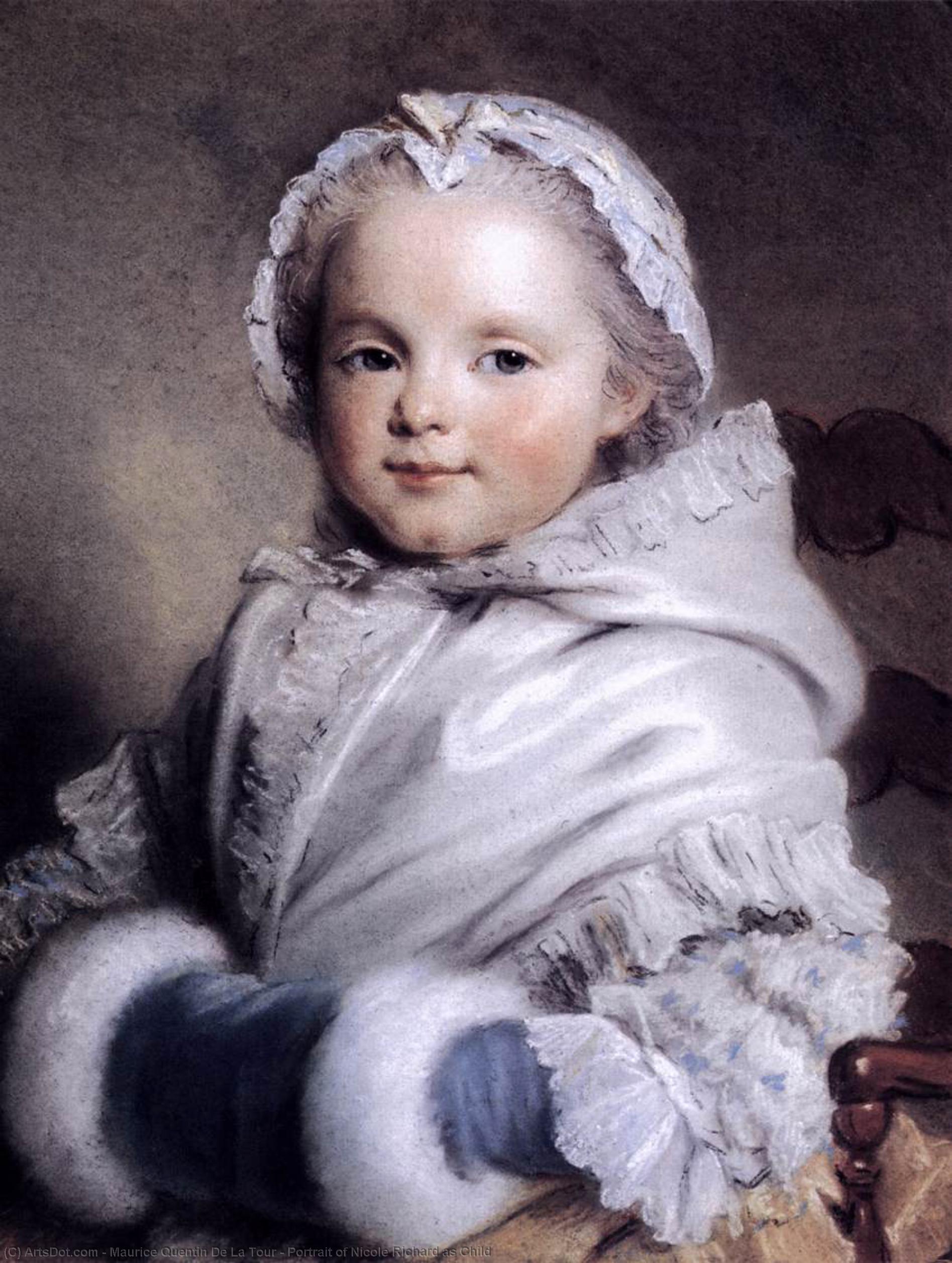
Portrait of Nicole Richard as Child
 Acrylic On Canvas
- WallArt
- Rococo Portraiture
 1748
1748 454.0 x 358.0 cm
 Louvre
 Weiterlesen
Handgefertigte Ölreproduktion
Handgemaltes Ölgemälde auf Leinwand in Ihrer Wunschgröße und mit Rahmen, auf Bestellung von unseren Künstlern angefertigt. ( Druck bestellen Bild kaufen)




P118B $10

P118H $10

P118W $10

P438Z $10

P508JH $12

P508YH $12

P805H $10

P805Z $10

P919BZ $10

P919G $10

P919XJ $10

P959ZH $10

P968JZ $12

W106C $8

W218G $10

W218JH $8

W218Y $10

W307PJ $10

W316G $10

W316PJ $8

W316Y $10

W398PJ $8

W4111J $10

W500HY $15

W500JH $15

W692G $12

W849H $8

W940BG $15

W953PJ $8




Wählen Sie aus unseren vordefinierten Formaten, die den ursprünglichen Proportionen des Kunstwerks entsprechen.

Sie können Ihre eigenen Maße eingeben, um einen bestimmten Rahmen oder Platz auszufüllen. Wenn die gewählte Größe nicht den Proportionen des Originalbildes entspricht, werden wir das Kunstwerk entweder beschneiden oder das Gemälde durch zusätzliche, handgemalte Elemente erweitern. Ein digitales Mockup wird Ihnen zur Genehmigung zugesandt, bevor die Produktion beginnt.
Bitte beachten Sie, dass die Bildschirmvorschau nicht die tatsächliche Beschneidung oder Erweiterung widerspiegelt. Nur das Mockup zeigt die endgültige Komposition exakt an.
Obwohl Sondermaße verfügbar sind, empfehlen wir, eine Größe aus der vordefinierten Liste zu wählen, um die ursprünglichen Proportionen beizubehalten.
Nach der Bestellung wird das ArtsDot.com-Team dem Kunden Anweisungen per E-Mail zusenden und eine Mockup-Vorschau bereitstellen.
Weltweiter Versand () in nur 3 bis 4 Wochen statt der üblichen 5 Wochen. (31 August). Keine Kompromisse bei der Qualität.

Kostenloser weltweiter Expressversand

Hochwertige Leinenleinwand

Umfassender Versicherungsschutz beim Versand

Zollgebühren-Rückerstattungsgarantie

Garantie für exakte Farbtreue

60 Tage Rückgaberecht (nur bei Mängeln)

100% Geld-zurück-Garantie

Mengenrabatt verfügbar
 Die Glasoption ist nur für Größen unter 110 cm verfügbar.

Portrait of Nicole Richard as Child
Art der Reproduktion
Format der Reproduktion
-


Gesamtpreis
$ 263
Portrait of Nicole Richard as Child: A Pastel Masterpiece by Maurice Quentin de La Tour
Maurice Quentin de La Tour’s “Portrait of Nicole Richard as Child,” painted in 1748, is more than just a charming depiction of youthful innocence; it's a remarkably intimate window into the Rococo era of French aristocratic life. This pastel portrait, measuring an impressive 454 x 358 cm, showcases de La Tour’s unparalleled skill in capturing character and emotion through delicate layers of color and subtle shading – techniques that firmly established him as one of the foremost portraitists of his time. The painting immediately draws the viewer in with Nicole Richard's radiant smile, a gesture both genuine and captivating, suggesting a personality brimming with curiosity and vitality despite her young age.
De La Tour’s mastery lies not just in replicating likeness but in conveying an inner world. Notice how he utilizes light to sculpt the girl’s face – a soft glow illuminating her cheekbones and highlighting the delicate curve of her lips. The subtle variations in pastel tone create a sense of depth, moving beyond mere representation to evoke a feeling of warmth and tenderness. The choice of pastel itself is significant; it was a relatively new medium at this time, favored for its ability to achieve luminous effects and capture fleeting expressions – qualities perfectly suited to de La Tour’s artistic vision.
Rococo Intimacy and Courtly Life
To fully appreciate “Portrait of Nicole Richard as Child,” we must understand the context in which it was created. The Rococo period, flourishing in 18th-century France, was characterized by a shift away from the grandeur of the Baroque era towards an atmosphere of elegance, frivolity, and intimate social gatherings. Portraits during this time were not simply records of appearance; they were carefully constructed statements about status, wealth, and social connections. De La Tour’s work exemplifies this trend, offering a glimpse into the refined world of French nobility.
The inclusion of the two figures in the background – a man standing behind Nicole and another further back – adds layers of narrative to the scene. While their identities remain somewhat enigmatic, they likely represent members of Nicole’s family or social circle, subtly reinforcing her position within this elite network. The simple chair or bench in the background provides a grounding element, anchoring the portrait within a domestic setting and suggesting a sense of comfort and familiarity.
Technique and Artistic Innovation
De La Tour's technique is truly remarkable. He was a pioneer in pastel painting, pushing the medium’s boundaries through his innovative layering and blending techniques. Unlike oil paints, pastels offer unparalleled control over color and tone, allowing for incredibly subtle gradations and delicate details. De La Tour expertly exploited this advantage, creating an image that feels both luminous and remarkably tactile – you can almost feel the softness of the pastel strokes.
Furthermore, de La Tour’s use of light is particularly noteworthy. He masterfully employs chiaroscuro—the contrast between light and dark—to create a sense of drama and depth. The subtle shadows that fall across Nicole's face not only define her features but also contribute to the overall mood of the portrait, imbuing it with an air of mystery and intrigue. His ability to capture fleeting expressions – like the slight upturn of Nicole’s lips – is a testament to his keen observational skills and artistic sensitivity.
Symbolism and Emotional Resonance
Beyond its technical brilliance, “Portrait of Nicole Richard as Child” resonates with profound emotional depth. The girl's youthful innocence and radiant smile evoke feelings of warmth, joy, and hope. The pearl necklace she wears—a symbol of purity and refinement—further emphasizes her privileged status and suggests a future filled with promise. De La Tour’s portrait is not merely a likeness; it’s an embodiment of the ideals of beauty, grace, and social harmony that defined the Rococo era.
Reproductions of this exquisite work offer a unique opportunity to bring this captivating scene into your home or office. ArtsDot's hand-painted reproductions faithfully capture the original’s delicate details and vibrant colors, allowing you to experience the artistry of Maurice Quentin de La Tour in stunning clarity. Whether you are an art enthusiast, collector, or simply seeking a touch of timeless elegance, this portrait is sure to be a cherished addition to any collection.
Ähnliche Kunstwerke
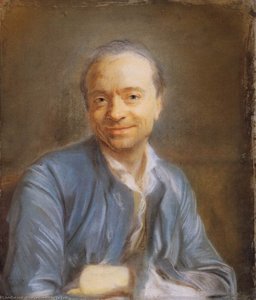
Über den Künstler
Maurice Quentin de La Tour: Ein Leben in Pastell
- Geboren: 5. September 1704, Saint-Quentin, Frankreich
- Gestorben: 17. Februar 1788, Saint-Quentin, Picardie, Königreich Frankreich
- Bekannt für: Rokoko-Porträtmalerei in Pastell, die Likenessen von Voltaire, Louis XV und Madame de Pompadour festhält.
Frühes Leben und künstlerische Entwicklung
- Maurice Quentin de La Tour wurde in eine musikalische Familie geboren; sein Vater, François de La Tour, war Musiker für den Duc du Maine. Trotz anfänglicher familiärer Erwartungen widmete sich Maurice der Malerei.
- Um 1724 zog er nach Paris, wo er seine künstlerische Karriere begann. Frühe Ausbildungen umfassten Studien bei Jacques Spoede und eine kurze Zeit in Rheims. Eine Reise nach England im Jahr 1725 beeinflusste seinen Stil weiter.
- Seine frühen Porträts, wie das von Voltaire (1731), zeigten ein aufkommendes Talent, Charakter und Likeness einzufangen. Dieses Porträt wurde bemerkenswert von Langlois graviert, was ihm größere Anerkennung einbrachte.
Künstlerischer Stil und bedeutende Werke
- Pastell-Meisterschaft: De La Tour wird für seine außergewöhnliche Fähigkeit gefeiert, Pastelle einzusetzen. Er nutzte das Medium, um Porträts mit einer bemerkenswerten Weichheit und Zartheit zu schaffen und subtile Nuancen von Ausdruck und Textur einzufangen.
- Rokoko-Einfluss: Seine Arbeit ist ein Beispiel für den Rokoko-Stil, der sich durch Eleganz, Anmut und einen Fokus auf die Darstellung der modischen Gesellschaft auszeichnet.
- Bedeutende Werke:
- Porträt von Voltaire (1731) – Festigte seinen Ruf früh in seiner Karriere.
- Selbstporträt, lachend (ca. 1737) – Zeigt seine Fähigkeit, Persönlichkeit und Witz darzustellen.
- Porträt von Madame de Pompadour – Ein bedeutender Auftrag, der seine Fähigkeit demonstriert, das Likeness einer prominenten Figur einzufangen.
- Porträts von Louis XV - Mehrere Porträts des französischen Königs, was seine Position am Hof festigte.
- Salon-Ausstellungen: Er stellte regelmäßig im Pariser Salon aus und präsentierte eine Reihe von 150 Porträts über drei Jahrzehnte hinweg, die zu einem Highlight für Besucher wurden.
Anerkennung und spätes Leben
- Königliche Anerkennung: Im Jahr 1737 wurde er von der Académie Royale de Peinture et Sculpture anerkannt. Später wurde er 1750 Hofporträtist.
- Philanthropie: Mit zunehmendem Reichtum widmete sich de La Tour philanthropischen Unternehmungen, gründete eine Zeichenschule in Saint-Quentin und unterstützte bedürftige Künstler.
- Psychische Gesundheitsprobleme: Um 1773 erlebte er einen Nervenzusammenbruch, der zu Zeiten psychischer Erkrankung und schließlich zum Ruhestand in seiner Heimatstadt Saint-Quentin führte.
Vermächtnis und historische Bedeutung
- De La Tours Porträts werden für ihre psychologische Einsicht und technische Brillanz hoch geschätzt. Er erhob das Pastellporträt zu neuen Höhen und beeinflusste nachfolgende Generationen von Künstlern.
- Seine Fähigkeit, die Essenz seiner Sujets – ihre Persönlichkeiten, Intelligenz und ihren sozialen Stand – einzufangen, machte ihn zu einem der meistgesuchten Porträtmaler seiner Zeit.
- Heute werden seine Werke in renommierten Museen auf der ganzen Welt aufbewahrt, darunter im Musée du Louvre, das wertvolle Einblicke in die französische Gesellschaft des 18. Jahrhunderts und künstlerische Praktiken bietet.
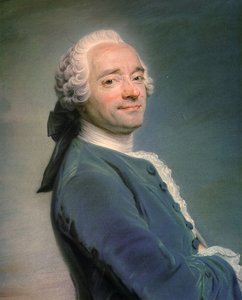
Maurice Quentin de La Tour
1704 - 1788 , Frankreich
Kurzinfos
- Bemerkenswerte Werke:
- Porträt von Voltaire
- Selbstporträt, lachend
- Madame de Pompadour
- Geburtsdatum: 5. September 1704
- Geburtsort: Saint-Quentin, Frankreich
- Künstlerische Richtung: Rokoko
- Nationalität: Französisch
- Sterbedatum: 17. Februar 1788
- Vollständiger Name: Maurice Quentin de La Tour
Ähnliche Artikel
Maurice Quentin de La Tour: Licht, Schatten und die Intimität des Rokoko-Porträts
Entdecken Sie das Werk von Maurice Quentin de La Tour! Erfahren Sie mehr über seine innovative Pastelltechnik, die psychologische Tiefe seiner Porträts und seinen Einfluss auf die Rokoko-Malerei. Einblick in königliche Aufträge & sein Vermächtnis.

Rococo Meisterwerke: Die Top 10, die eine Epoche prägten |
Entdecken Sie die Top 10 Rokoko Meisterwerke von Watteau, Boucher & Fragonard! Erfahren Sie die Geschichten hinter diesen ikonischen Gemälden und lassen Sie sich für Ihre Inneneinrichtung inspirieren. Hochwertige Kunstdrucke auf .

The Rococo Aesthetic: Opulence, Rebellion & the Pursuit of Pleasure in 18th-Century Art
Explore the opulent world of Rococo art! Discover its origins, key artists like Watteau & Boucher, and lasting influence on design. Expert insights for collectors & enthusiasts.
The Subdued Radiance of Pastel: Exploring Nuance & Emotion in Art
Explore the nuanced world of pastel art! Discover its history, techniques & emotional power with expert insights from ArtsDot.com. Find museum-quality reproductions and learn about collecting this delicate medium.
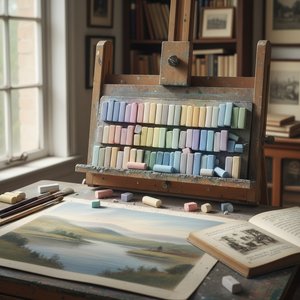
Die Subtilität der Pastelltechnik: Geschichte, Anwendung und emotionale Resonanz
Entdecken Sie die faszinierende Welt der Pastellmalerei! Erfahren Sie mehr über Technik, Geschichte und berühmte Künstler. Hochwertige Reproduktionen bei ArtsDot.