 Vorschau anzeigen
 Versenden
 Teilen
 Details anzeigen

 Herunterladen
 Ähnliche Objekte
 Röntgenaufnahme
 Diashow
 Stats
StatsUna joven, una viuda y una esposa

 Weiterlesen
Handgefertigte Ölreproduktion
Handgemaltes Ölgemälde auf Leinwand in Ihrer Wunschgröße und mit Rahmen, auf Bestellung von unseren Künstlern angefertigt. ( Switch to Print Switch to Digital Image)




P118B $10

P118H $10

P118W $10

P438Z $10

P508JH $12

P508YH $12

P805H $10

P805Z $10

P919BZ $10

P919G $10

P919XJ $10

P959ZH $10

P968JZ $12

W106C $8

W218G $10

W218JH $8

W218Y $10

W307PJ $10

W316G $10

W316PJ $8

W316Y $10

W398PJ $8

W4111J $10

W500HY $15

W500JH $15

W692G $12

W849H $8

W940BG $15

W953PJ $8




Wählen Sie aus unseren vordefinierten Formaten, die den ursprünglichen Proportionen des Kunstwerks entsprechen.

Sie können Ihre eigenen Maße eingeben, um einen bestimmten Rahmen oder Platz auszufüllen. Wenn die gewählte Größe nicht den Proportionen des Originalbildes entspricht, werden wir das Kunstwerk entweder beschneiden oder das Gemälde durch zusätzliche, handgemalte Elemente erweitern. Ein digitales Mockup wird Ihnen zur Genehmigung zugesandt, bevor die Produktion beginnt.
Bitte beachten Sie, dass die Bildschirmvorschau nicht die tatsächliche Beschneidung oder Erweiterung widerspiegelt. Nur das Mockup zeigt die endgültige Komposition exakt an.
Obwohl Sondermaße verfügbar sind, empfehlen wir, eine Größe aus der vordefinierten Liste zu wählen, um die ursprünglichen Proportionen beizubehalten.
Nach der Bestellung wird das ArtsDot.com-Team dem Kunden Anweisungen per E-Mail zusenden und eine Mockup-Vorschau bereitstellen.
Weltweiter Versand () in nur 3 bis 4 Wochen statt der üblichen 5 Wochen. (8 September). Keine Kompromisse bei der Qualität.

Kostenloser weltweiter Expressversand

Hochwertige Leinenleinwand

Umfassender Versicherungsschutz beim Versand

Zollgebühren-Rückerstattungsgarantie

Garantie für exakte Farbtreue

100-Tage-Rückgaberecht (nur bei Mängeln)

100% Geld-zurück-Garantie

Mengenrabatt verfügbar
 Die Glasoption ist nur für Größen unter 110 cm verfügbar.

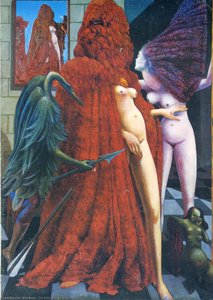
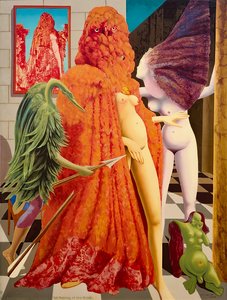
Una joven, una viuda y una esposa
Art der Reproduktion
Format der Reproduktion
-


Gesamtpreis
$ 263
Die Geburt einer Vision: Max Ernst und "Una joven, una viuda y una esposa"
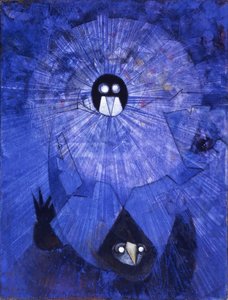
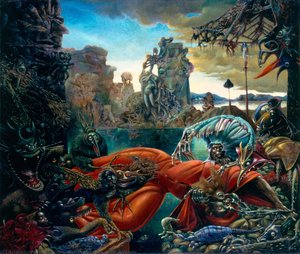
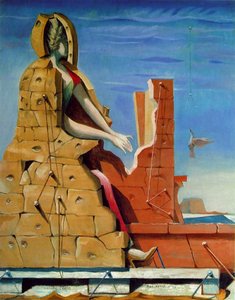
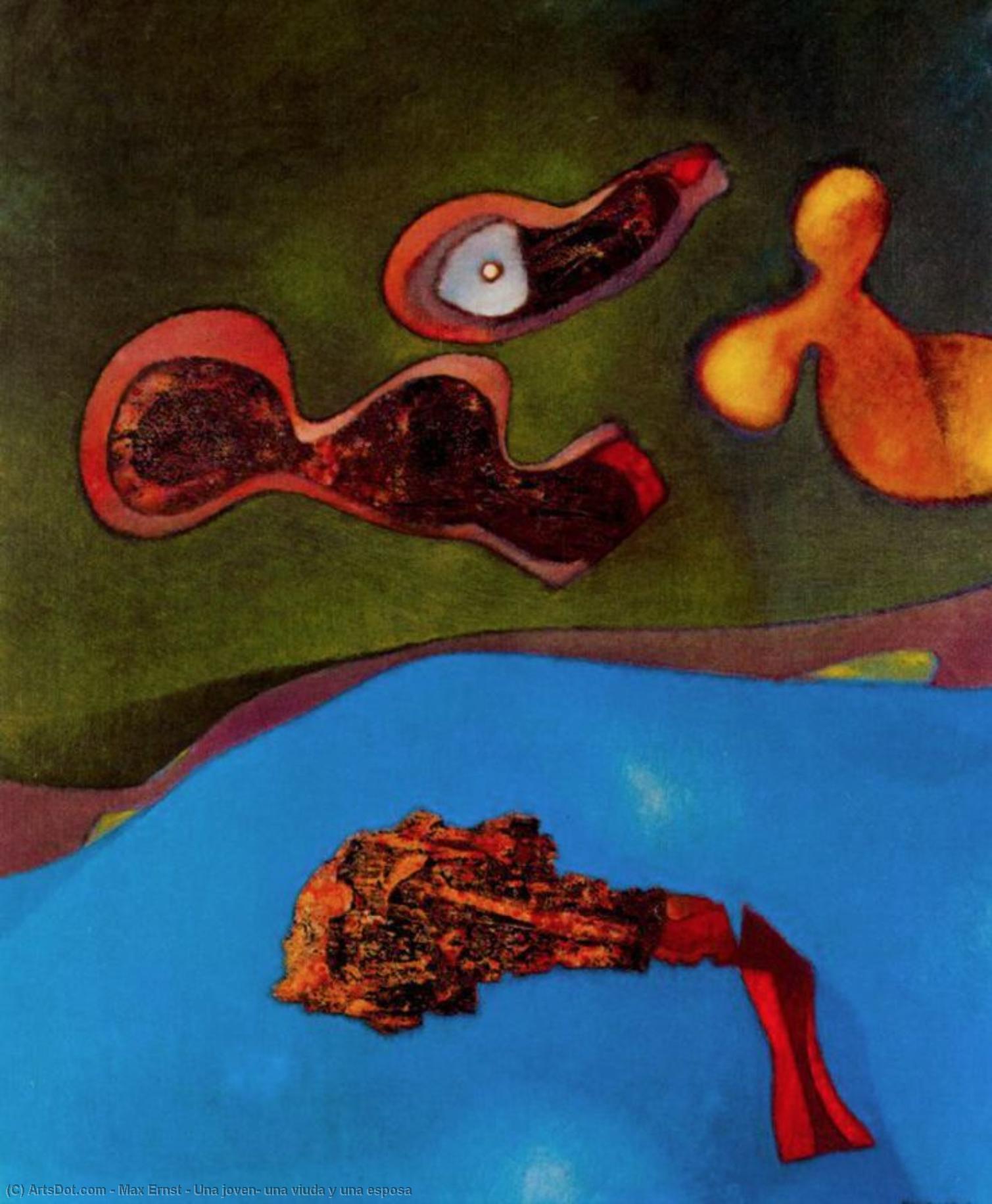
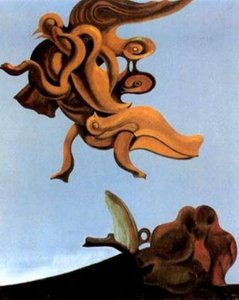
Max Ernst’s “Una joven, una viuda y una esposa” (A Young Woman, a Widow and a Wife) is not merely a painting; it's an invitation into the labyrinthine depths of the human psyche. Painted in 1923, during his most intensely creative period within the Dada and Surrealist movements, this work transcends simple representation, instead offering a fragmented dreamscape populated by enigmatic figures and unsettling juxtapositions. The canvas pulsates with a nervous energy, a palpable sense of disorientation that mirrors the tumultuous era from which it emerged – a world reeling from the devastation of World War I and grappling with the collapse of traditional values.
Ernst, a restless spirit who rejected formal artistic training in favor of self-discovery through philosophy, psychology, and experimentation, crafted this piece as a deliberate challenge to conventional notions of beauty and narrative. He wasn’t interested in depicting reality faithfully; rather, he sought to unlock the subconscious, to tap into the raw emotions and anxieties simmering beneath the surface of society. The painting is a testament to his innovative approach – a visual poem constructed from fragments of memory, desire, and dread.
Die Techniken des Surrealisten: Frottage und Collage
To understand “Una joven, una viuda y una esposa,” one must first appreciate Ernst’s distinctive techniques. He masterfully employed Frottage – a method of rubbing a pencil over textured surfaces to create ghostly impressions – and Collage, meticulously assembling disparate elements like newspaper clippings, fabric scraps, and printed matter. These processes weren't simply decorative; they were integral to his exploration of chance and the unexpected. The seemingly random arrangement of objects on the canvas—the boat adrift in a sea of blue, the solitary chair, the enigmatic clock—is not accidental but deliberately orchestrated to disrupt logical associations and stimulate the viewer’s imagination.
The dominant color palette – deep blues punctuated by flashes of red – contributes significantly to the painting's unsettling atmosphere. Blue often symbolizes melancholy, introspection, and the subconscious, while the strategic use of red hints at passion, danger, or perhaps even a suppressed rage. The layering of textures, achieved through these techniques, creates a tactile quality that invites the viewer to reach out and touch the canvas, further blurring the boundaries between reality and illusion.
Symbolik und Interpretation: Eine Welt der Ambivalenz
The figures themselves are deliberately ambiguous, their identities obscured by fragmented forms and distorted features. The woman with the bird’s head is particularly striking – a potent symbol of transformation, freedom, or perhaps even madness. Her avian visage suggests a connection to the natural world, yet also hints at an unsettling detachment from human society. The widow, rendered in skeletal form, embodies vulnerability and loss, while the wife represents domesticity and constraint.
The inclusion of seemingly mundane objects – the boat, the chair, the clock – adds another layer of complexity to the painting’s meaning. These elements are not merely props; they serve as metaphors for human experience, representing journeys, stability, and the relentless passage of time. Ernst deliberately avoids providing easy answers, instead inviting viewers to engage in a dialogue with the work, to project their own interpretations onto its enigmatic surface.
Ein Erbe der Dada und Surrealismus: Kunst als Rebellion
“Una joven, una viuda y una esposa” stands as a quintessential example of the Dada and Surrealist movements’ rejection of bourgeois values and artistic conventions. Born out of the disillusionment following World War I, these movements sought to dismantle established norms and explore the irrationality of human consciousness. Ernst's work embodies this spirit of rebellion, challenging viewers to question their assumptions about reality and embrace the power of imagination.
Today, reproductions of this captivating artwork are available through ArtsDot.com, allowing art enthusiasts worldwide to experience the profound emotional impact of Max Ernst’s vision. It remains a powerful reminder that art can be both unsettling and profoundly beautiful – a mirror reflecting the complexities of the human condition.
Ähnliche Kunstwerke
Über den Künstler
Max Ernst: Ein Leben im Surrealismus
Frühes Leben und Ausbildung
- Geboren: 1. April 1891 in Brühl, Deutschland.
- Ernsts Vater, Philipp Ernst, war Lehrer für Gehörlose und Amateurmaler, der Maxes frühes Interesse an Kunst förderte.
- Von 1909 studierte er Philosophie, Kunstgeschichte, Literatur, Psychologie und Psychiatrie an der Universität Bonn.
- Dieser vielfältige akademische Hintergrund beeinflusste seine späteren künstlerischen Erkundungen maßgeblich.
Künstlerische Entwicklung & Einflüsse
- Ein einschneidendes Ereignis war die Sonderbund-Ausstellung in Köln (1912), wo er Werke von Pablo Picasso, Vincent van Gogh, und Paul Gauguin entdeckte.
- Im Jahr 1914 lernte er Hans Arp kennen, der eine lebenslange Freundschaft schloss, die seine künstlerische Reise maßgeblich prägte.
- Der Erste Weltkrieg hatte einen tiefgreifenden Einfluss auf Ernst; seine Erfahrungen als Soldat führten zu Enttäuschung und einer kritischen Sicht auf die Gesellschaft.
- Er ließ sich von den Schriften Sigmund Freuds beeinflussen und erkundete Themen des Unterbewusstseins in seiner Kunst.
Dada & Surrealismus
- Nach dem Ersten Weltkrieg wurde Ernst eine Schlüsselfigur der Kölner Dada-Gruppe, die sich gegen traditionelle künstlerische Konventionen aussprach.
- Er entwickelte innovative Techniken wie Frottage (Erhitzen von Bleistift auf texturierte Oberflächen) und Grattage (Abkratzen von Farbe, um darunterliegende Schichten freizulegen).
- In den 1920er Jahren trat er der Surrealistischen Bewegung in Paris bei und arbeitete mit Künstlern wie Paul Éluard zusammen.
- Seine Werke dieser Zeit erforschten traumhafte Bilder und psychologische Themen.
Wichtige Werke & Techniken
- Frottage: Eine Technik zur Erzeugung von Texturen und unerwarteten Bildern, die in vielen seiner Werke zu sehen ist.
- Collage: Ernst verwendete häufig Collage, um disparate Elemente zu kombinieren und surreale Kompositionen zu schaffen.
- Bekannte Werke:
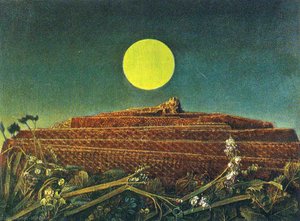
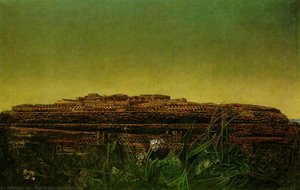
- Die gesamte Stadt
- Euclides
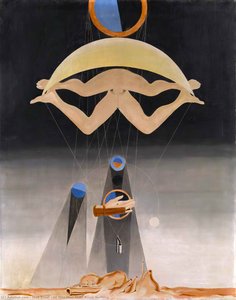
- Von diesem sollen nichts wissen
- Wald und Taube
- Seine Gemälde zeigen oft symbolische Bilder, darunter Vögel (insbesondere seinen Pseudonym Loplop), Landschaften und verstörende Gegenüberstellungen.
Spätes Leben & Vermächtnis
- Ernst zog während des Zweiten Weltkriegs in die Vereinigten Staaten, wo er weiter malte und mit neuen Techniken experimentierte.
- Nach dem Krieg kehrte er nach Frankreich zurück und blieb bis zu seinem Tod am 1. April 1976 in Paris aktiv.
- Historische Bedeutung: Max Ernsts Beiträge zu Dada und Surrealismus waren bahnbrechend. Er stellte künstlerische Normen in Frage, erforschte das Unterbewusstsein und entwickelte innovative Techniken, die Künstler bis heute inspirieren.
- Er gilt als eine der wichtigsten und einflussreichsten Figuren der Kunst des 20. Jahrhunderts.
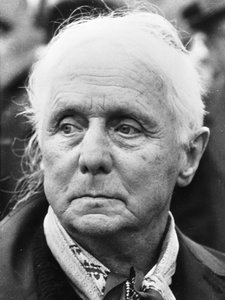
Max Ernst
1891 - 1976 , Deutschland
Kurzinfos
- Artistic Movement Or Style: Dadaismus & Surrealismus
- Artists Who Influenced This Artist:
- Pablo Picasso
- Vincent van Gogh
- Paul Gauguin
- Sigmund Freud
- Date Of Birth: 1. April 1891
- Date Of Death: 1. April 1976
- Full Name: Max Ernst
- Nationality: Deutsch
- Notable Artworks:
- Die gesamte Stadt
- Euclides
- Wald und Taube
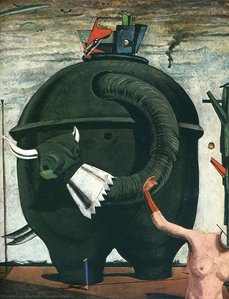
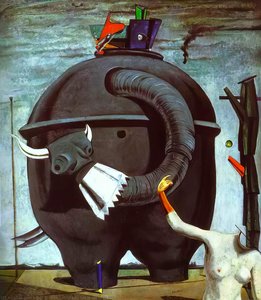
- Der Elefant Celebes
- Place Of Birth (City And Country): Brühl, Deutschland
Ähnliche Artikel
The Enduring Muse: Women as Subject & Symbol in Art History
Explore the rich history of women in art – from archetypal representations to contemporary voices challenging norms. Discover iconic artists & movements, and learn about reclaiming female narratives through painting and beyond.
Max Ernsts Meisterwerke: Die Top 25 Kunstwerke für Ihr Zuhause | ArtsDot
Entdecken Sie die 25 bedeutendsten Kunstwerke von Max Ernst! Tauchen Sie ein in die Welt des Surrealismus, Dada und abstrakter Malerei. Hochwertige Kunstreproduktionen & Inspiration für Ihr Zuhause bei ArtsDot.com.
Feathered Visions: A Historical & Artistic Exploration of Birds in Painting
Explore the rich history of birds in painting! Discover symbolism, artistic movements & master artists like Audubon. High-quality reproductions available at ArtsDot.
The Enduring Muse: Women as Subject & Symbol in Art History
Explore the rich history of women in art – from iconic muses to groundbreaking artists. Discover feminist movements, global perspectives & reclaim female narratives with ArtsDot.
Portrayals of Power & Perception: A Historical Survey of Women in Art
Explore the rich history of women in art – from iconic muses to groundbreaking artists. Discover feminist movements & reclaim female narratives with ArtsDot. Expert insights for discerning collectors.