 Vorschau anzeigen
 Versenden
 Teilen
 Details anzeigen

 Herunterladen
 Ähnliche Objekte
 Röntgenaufnahme
 Diashow
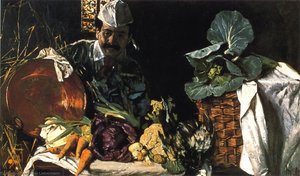
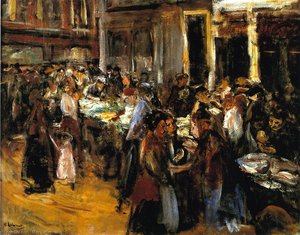
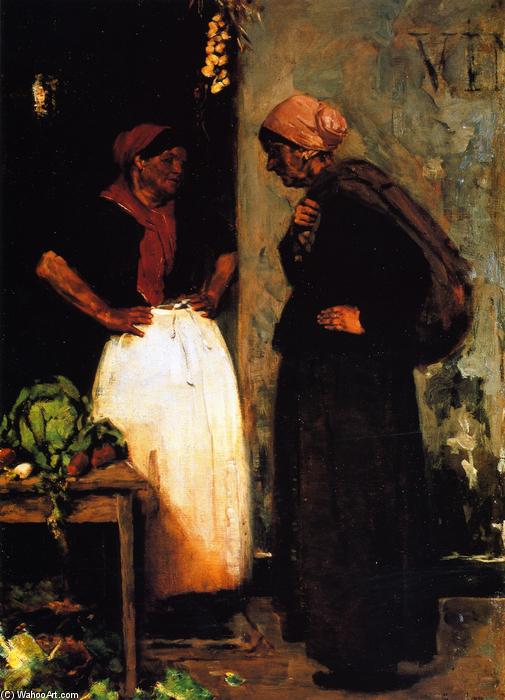
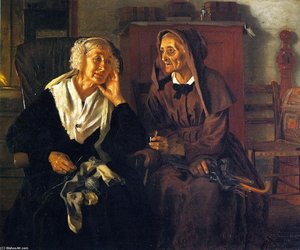
Vegetable Vendor - Market Scene


 Weiterlesen
Handgefertigte Ölreproduktion
Handgemaltes Ölgemälde auf Leinwand in Ihrer Wunschgröße und mit Rahmen, auf Bestellung von unseren Künstlern angefertigt. ( Druck bestellen Bild kaufen)




P118B $10

P118H $10

P118W $10

P438Z $10

P508JH $12

P508YH $12

P805H $10

P805Z $10

P919BZ $10

P919G $10

P919XJ $10

P959ZH $10

P968JZ $12

W106C $8

W218G $10

W218JH $8

W218Y $10

W307PJ $10

W316G $10

W316PJ $8

W316Y $10

W398PJ $8

W4111J $10

W500HY $15

W500JH $15

W692G $12

W849H $8

W940BG $15

W953PJ $8




Wählen Sie aus unseren vordefinierten Formaten, die den ursprünglichen Proportionen des Kunstwerks entsprechen.

Sie können Ihre eigenen Maße eingeben, um einen bestimmten Rahmen oder Platz auszufüllen. Wenn die gewählte Größe nicht den Proportionen des Originalbildes entspricht, werden wir das Kunstwerk entweder beschneiden oder das Gemälde durch zusätzliche, handgemalte Elemente erweitern. Ein digitales Mockup wird Ihnen zur Genehmigung zugesandt, bevor die Produktion beginnt.
Bitte beachten Sie, dass die Bildschirmvorschau nicht die tatsächliche Beschneidung oder Erweiterung widerspiegelt. Nur das Mockup zeigt die endgültige Komposition exakt an.
Obwohl Sondermaße verfügbar sind, empfehlen wir, eine Größe aus der vordefinierten Liste zu wählen, um die ursprünglichen Proportionen beizubehalten.
Nach der Bestellung wird das ArtsDot.com-Team dem Kunden Anweisungen per E-Mail zusenden und eine Mockup-Vorschau bereitstellen.
Weltweiter Versand () in nur 3 bis 4 Wochen statt der üblichen 5 Wochen. (19 August). Keine Kompromisse bei der Qualität.

Kostenloser weltweiter Expressversand

Hochwertige Leinenleinwand

Umfassender Versicherungsschutz beim Versand

Zollgebühren-Rückerstattungsgarantie

Garantie für exakte Farbtreue

60 Tage Rückgaberecht (nur bei Mängeln)

100% Geld-zurück-Garantie

Mengenrabatt verfügbar
 Die Glasoption ist nur für Größen unter 110 cm verfügbar.

Vegetable Vendor - Market Scene
Art der Reproduktion
Format der Reproduktion
-


Gesamtpreis
$ 263
Beschreibung des Kunstwerks
A Window Into Weimar Life: Max Liebermann’s Vegetable Vendor
The painting “Vegetable Vendor – Market Scene,” executed in 1874 by Max Liebermann, offers more than just a depiction of a bustling marketplace; it's a meticulously crafted snapshot of Weimar society during the height of its artistic and intellectual fervor. Liebermann, a German Impressionist painter who championed naturalism alongside stylistic innovation, captured not merely what he saw but imbued his canvas with an atmosphere that speaks volumes about the era’s preoccupations – particularly the burgeoning interest in realism and the portrayal of everyday life as opposed to grand historical narratives.Style and Technique: Impressionistic Precision
Liebermann's approach defies simple categorization. While firmly rooted in Impressionism, he eschewed the hazy brushstrokes favored by Monet and Renoir, opting instead for a technique characterized by crisp lines and carefully observed tonal gradations. This deliberate precision isn’t merely stylistic; it reflects Liebermann’s unwavering commitment to capturing the nuances of light and shadow—a cornerstone of Impressionist philosophy. He skillfully employed broken color – applying pigment in small patches rather than blending them seamlessly – allowing for a vibrant interplay of hues that mimics the effects of natural illumination. The resulting image possesses an immediacy and clarity uncommon among his contemporaries, prioritizing visual truth over idealized beauty.Historical Context: Weimar’s Artistic Renaissance
The painting emerged during Weimar’s Golden Age, a period marked by unprecedented cultural dynamism fueled by royal patronage and intellectual discourse. Goethe and Schiller's literary masterpieces captivated audiences, while composers like Schubert and Schumann revolutionized musical expression. Liebermann himself was deeply immersed in this artistic milieu, surrounded by fellow artists who championed realism alongside aesthetic experimentation. “Vegetable Vendor” serves as a tangible emblem of this Zeitgeist—a celebration of the ordinary yet imbued with an underlying sense of observation and contemplation. It’s a scene not just of commerce but also of human interaction, mirroring the social conversations that unfolded within Weimar's salons.Symbolism Beneath the Surface
Beyond its immediate visual appeal lies subtle symbolism. The vegetable vendor herself represents resilience and practicality—a woman engaged in honest labor amidst the grandeur of the city. The abundance of carrots and broccoli isn’t merely decorative; they symbolize nourishment, fertility, and perhaps even a quiet optimism about the future. Liebermann's careful composition directs the viewer’s gaze across the canvas, fostering a feeling of immersion within this microcosm of Weimar life.Emotional Impact: Quiet Observation, Profound Resonance
Ultimately, “Vegetable Vendor” transcends its subject matter to evoke a profound emotional resonance. Liebermann’s masterful rendering of light and color creates an atmosphere of serene contemplation—a counterpoint to the turbulent political landscape of the time. The painting invites viewers to pause and consider the beauty inherent in everyday moments, reminding us that art can illuminate not just what we see but also how we feel. It's a testament to Liebermann’s ability to transform ordinary scenes into enduring expressions of artistic vision—a legacy that continues to inspire collectors and interior designers alike.Ähnliche Kunstwerke
Über den Künstler
Frühe Jahre und Ausbildung
- Geboren: Berlin, Deutschland (1847)
- Gestorben: 1935
Künstlerische Laufbahn und Stilentwicklung
- Impressionismus: Liebermann entwickelte sich zu einem der führenden Vertreter des Impressionismus in Deutschland, der flüchtige Momente des modernen Lebens mit Fokus auf Licht und Farbe einzufangen versuchte.
- Einflüsse: Sein Stil wurde maßgeblich von Édouard Manet beeinflusst, was sich in seinem Geist und Ansatz beim Malen zeigte.
- Motivwahl: Er porträtierte häufig Szenen des Bürgertums und Aspekte seines Gartens am Wannsee.
- Porträtmalerei: Liebermann erlangte Anerkennung als renommierter Porträtmaler und schuf über 200 Auftragsporträts, darunter von Albert Einstein und Paul von Hindenburg.
Wichtige Werke und Errungenschaften
- "Der 12-jährige Jesus in der Tempel": Ein frühes Werk, das Debatten aufgrund seiner Darstellung eines semitisch aussehenden Jungen Jesus auslöste.
- Wahl in die Preußische Akademie der Künste: Eine bedeutende Anerkennung seines künstlerischen Könnens und Beitrags.
- Leitung der Berliner Sezession (1899-1911): Er leitete diese führende Avantgarde-Formation in Deutschland, die traditionelle künstlerische Normen herausforderte.
Spätere Jahre und Historische Bedeutung
- Rücktritt aus der Preußischen Akademie: 1933 trat er zurück, nachdem die Akademie beschlossen hatte, keine Werke mehr von jüdischen Künstlern auszustellen.
- Tod und Vermächtnis: Er verstarb 1935 in Berlin und hinterließ ein bedeutendes Werk, das bis heute für seinen impressionistischen Stil und seine aufschlussreiche Darstellung der deutschen Gesellschaft gefeiert wird.
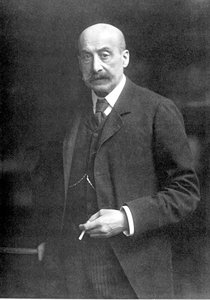
Max Liebermann
1847 - 1935 , Deutschland
Kurzinfos
- Beeinflusste Künstler: ['Édouard Manet']
- Bemerkenswerte Werke:
- Der zwölfjährige Jesus
- Holländisches Bauernhaus
- Porträt Dr. Max Linde
- Geburtsdatum: 20. Juli 1847
- Geburtsort: Berlin, Deutschland
- Künstlerische Richtung: Impressionismus
- Nationalität: Deutsch
- Todestag: 8. Februar 1935
- Vollständiger Name: Max Liebermann
- Von Künstlern Beeinflusst: ['Jean-François Miller']
Ähnliche Artikel
Max Ernsts Meisterwerke: Die Top 25 Kunstwerke für Ihr Zuhause | ArtsDot
Entdecken Sie die 25 bedeutendsten Kunstwerke von Max Ernst! Tauchen Sie ein in die Welt des Surrealismus, Dada und abstrakter Malerei. Hochwertige Kunstreproduktionen & Inspiration für Ihr Zuhause bei ArtsDot.com.
Deutsche Expressionismus Meisterwerke: Die 10 wichtigsten Kunstwerke für Ihr Zuhause
Entdecken Sie die 10 bedeutendsten Werke des Deutschen Expressionismus! Kirchner, Nolde & Co. – ihre Geschichten, Techniken und zeitlose Schönheit. Hochwertige Kunstdrucke auf ArtsDot.com kaufen und Ihr Zuhause mit emotionaler Kunst bereichern. Jetzt entdecken!
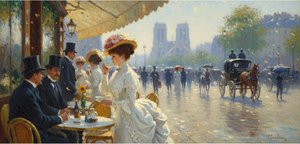
Impressionistic Realism's Finest: 10 Masterpieces for Your Home | ArtsDot
Journey through Impressionistic Realism with 10 iconic masterpieces by Monet, Renoir & Van Gogh. Explore art history, techniques & find museum-quality reproductions for your home at ArtsDot.com. Discover all masterpieces online!

Impressionistische Landschaften: Die 10 Meisterwerke, die eine Kunstrichtung prägten | ArtsDot
Entdecken Sie die 10 Meisterwerke des Impressionismus! Von Monet bis Van Gogh – erleben Sie die Geschichten hinter berühmten Landschaftsbildern. Hochwertige Kunst Reproduktionen für Ihr Zuhause auf ArtsDot.com.

Impressionistische Landschaften: Die 10 Meisterwerke, die eine Epoche prägten | ArtsDot
Entdecken Sie die 10 Meisterwerke des Impressionismus! Von Monet bis Renoir – erleben Sie die Geschichte, Technik und zeitlose Schönheit ikonischer Landschaftsbilder. Hochwertige Kunstdrucke auf ArtsDot.com. Jetzt entdecken!