 Vorschau anzeigen
 Versenden
 Teilen
 Details anzeigen

 Herunterladen
 Ähnliche Objekte
 Röntgenaufnahme
 Diashow
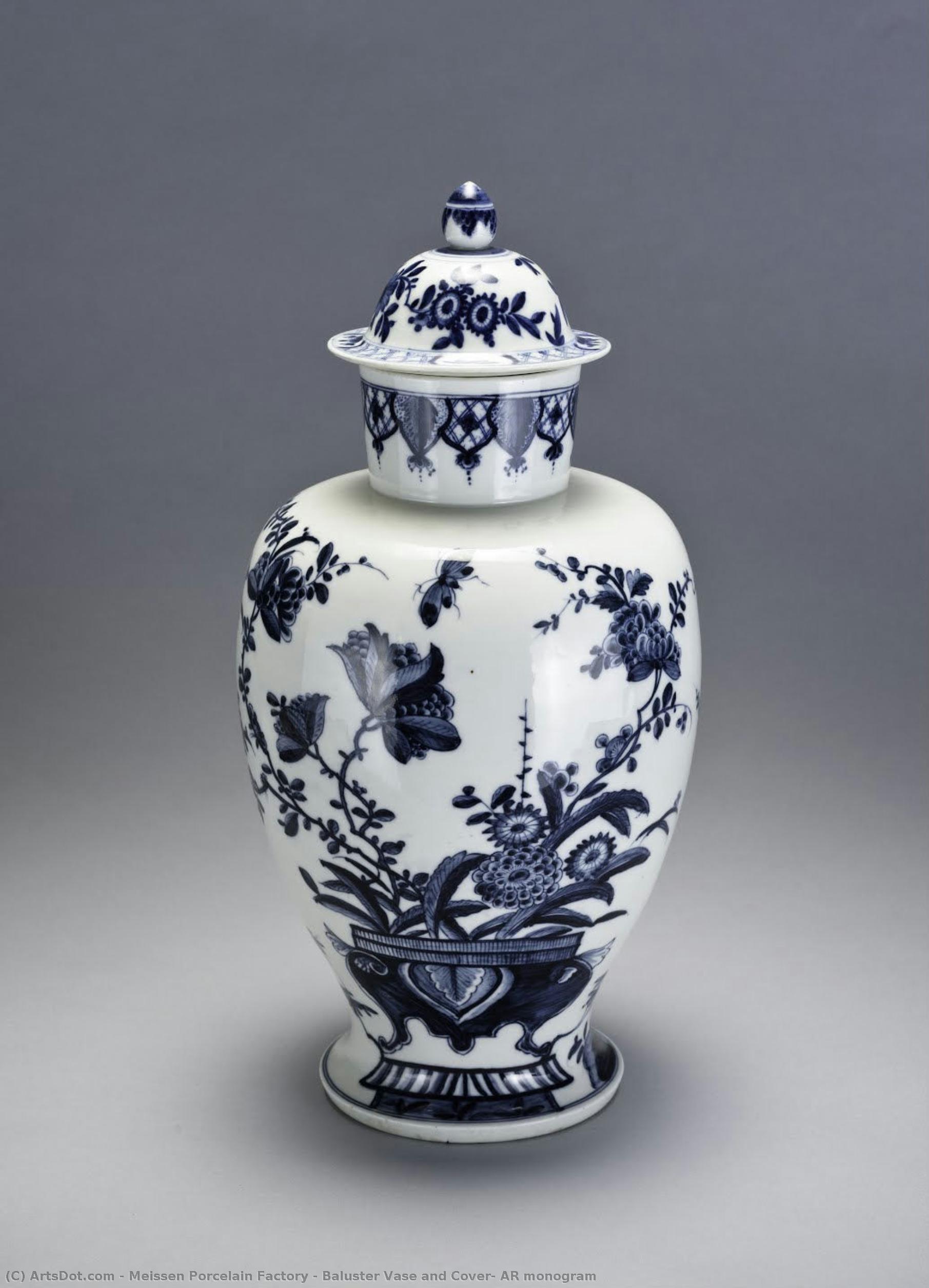
Baluster Vase and Cover, AR monogram
 41.0 x 21.0 cm
 Legion der Ehren
 Weiterlesen
Erwerben Sie ein hochauflösendes, optimiertes digitales Bild, das der Online-Vorschau weit überlegen ist.
Jede Datei wird von unseren hauseigenen Spezialisten mit modernsten Werkzeugen und fachmännischer manueller Retusche sorgfältig vorbereitet. Wir stellen sicher, dass jedes Bild eine außergewöhnliche Klarheit, präzise Farbgenauigkeit und feinste Details aufweist.
Die endgültige Datei wird innerhalb von 72 Stunden per E-Mail zugestellt und ist für den sofortigen Einsatz in professionellen, redaktionellen und Druckumgebungen optimiert. Es handelt sich um dieselbe Qualität, der führende Designstudios, Verlage und Galerien vertrauen.
Digitales Bild
Laden Sie eine hochauflösende Datei für die persönliche Präsentation, den Druck und kreative Projekte herunter. ( Druck bestellen Handgemalte Reproduktion bestellen)
In jeder Bestellung digitaler Bilder enthalten
Professionelle digitale Bereitstellung, garantiert
Wenn Sie sich für ArtsDot.com entscheiden, erhalten Sie nicht nur ein Bild – Sie erhalten ein professionell aufbereitetes digitales Kunstwerk, das mit höchster Präzision erstellt und durch eine Zufriedenheitsgarantie abgesichert wird. Hier ist alles, was automatisch mit Ihrer Bestellung geliefert wird:

Schnelle E-Mail-Zustellung
Ihre hochauflösende digitale Bilddatei wird Ihnen innerhalb von 72 Stunden nach der Bestellung per E-Mail zugestellt – bereit zur sofortigen Verwendung.

KI-optimierte digitale Datei
Ihre Kunstwerke werden professionell mithilfe fortschrittlicher KI-Tools und manueller Bearbeitung optimiert, um maximale Detailtreue, Klarheit und Farbgenauigkeit zu gewährleisten.

Lebenslanger kostenloser Neudruckservice
Datei versehentlich gelöscht oder verloren? Keine Sorge – wir senden sie Ihnen jederzeit kostenlos erneut zu.

Keine Einfuhrgebühren – jemals
Genießen Sie Ihr Kunstwerk sofort ohne Zollgebühren, Einfuhrabgaben oder Versandkosten – digitale Downloads sind immer steuerfrei.

Garantierte Farbtreue
Wir garantieren, dass Ihr digitales Bild mithilfe professioneller Werkzeuge und Farbmanagement die Originalfarben so präzise wie möglich wiedergibt.

60-Tage-Zufriedenheitsgarantie
Sollten Sie mit Ihrem digitalen Bild nicht zufrieden sein, werden wir es überarbeiten oder Ihnen innerhalb von 60 Tagen 100% erstatten – ohne Wenn und Aber.

100% Geld-zurück-Garantie
Nicht zufrieden? Erhalten Sie innerhalb von 60 Tagen nach Erhalt Ihrer digitalen Datei eine vollständige Rückerstattung – ohne Angabe von Gründen.

Rabatte bei Großbestellungen
3 Bilder kaufen, 10% sparen – 5 Bilder kaufen, 15% sparen – Ab 10 Bildern 20% sparen. Ideal für kreative Projekte, Galerien und Agenturen.
Ähnliche Kunstwerke








Biografie des Künstlers
The Enduring Legacy of Meissen Porcelain
The story of Meissen porcelain is inextricably linked to the ambition of Augustus the Strong, Elector of Saxony and King of Poland, a ruler consumed by a passion for collecting and creating objects of unparalleled beauty. While not an artist in the traditional sense, his vision birthed what would become the first successful European hard-paste porcelain manufactory – the Meissen Porcelain Factory, established in 1710. Before this moment, Europe relied on imports from China, a source shrouded in mystery and subject to fluctuating trade relations. Augustus’s desire was not merely to possess these coveted wares but to unlock their secrets and establish Saxony as a rival center of porcelain production. This quest began with the recruitment of Johann Friedrich Böttger, an alchemist initially tasked with discovering the philosopher's stone, who serendipitously stumbled upon the formula for hard-paste porcelain while experimenting with various materials in Dresden.Early Innovations and Rococo Flourishes
The initial years were dedicated to perfecting the process – a complex undertaking involving kaolin (white clay), quartz, feldspar, and meticulous firing techniques. By 1713, Meissen was producing porcelain that rivaled its Chinese counterpart in quality and translucence. The early pieces, often referred to as “onion shape” due to their distinctive form, were decorated with vibrant colors inspired by Eastern motifs. However, the factory quickly moved beyond imitation, embracing a distinctly European aesthetic. Under the artistic direction of figures like Johann Gregorius Höroldt, Meissen porcelain became synonymous with the Rococo style. Delicate scenes of courtly love, playful allegories, and intricate floral arrangements adorned teacups, figurines, and elaborate tableware. The factory’s mastery extended to innovative sculptural forms, particularly small, exquisitely detailed animal sculptures and figures of harlequins and musicians. This period saw the development of underglaze blue painting, a technique that allowed for incredibly fine detail and depth of color, becoming a hallmark of Meissen's early production. Höroldt’s influence was pivotal in establishing the factory’s reputation for both technical excellence and artistic refinement.The Kändler Era: A Golden Age
The arrival of Johann Joachim Kändler in 1731 marked a turning point, ushering in what is widely considered Meissen's golden age. Kändler, a sculptor of exceptional talent, revolutionized the factory’s output with his lifelike figurines and elaborate table centerpieces. His most celebrated creation, the “Swan Service” (begun in 1737), commissioned for Count Heinrich von Brühl, remains an iconic example of Rococo extravagance – a sprawling ensemble depicting scenes from Greek mythology populated by hundreds of individually sculpted figures. Kändler’s skill lay not only in his ability to capture anatomical accuracy but also in his understanding of narrative and theatrical composition. He established distinct modeling styles, including the “crossed swords” mark which became synonymous with quality and authenticity. Beyond the Swan Service, Kändler designed numerous other services for European nobility, each reflecting a unique theme and showcasing Meissen’s unparalleled craftsmanship. His influence extended to the creation of allegorical figures representing the months of the year, elements of nature, and scenes from everyday life, solidifying Meissen's position as a leading producer of luxury goods.Neoclassicism and Beyond: Adapting to Changing Tastes
As Rococo gave way to Neoclassicism in the latter half of the 18th century, Meissen adapted its style accordingly. While retaining its commitment to quality, the factory embraced simpler forms, more restrained decoration, and themes inspired by classical antiquity. Sculptors like Johann Peter Melby continued Kändler’s legacy, producing elegant figures based on mythological subjects and portraits of contemporary personalities. The Napoleonic Wars brought disruption, but Meissen persevered, continuing to produce porcelain for a changing world. Throughout the 19th and 20th centuries, the factory experimented with new techniques and styles, including Art Nouveau and Art Deco designs, while always remaining true to its heritage of craftsmanship and artistic innovation.- The introduction of decalcomania in the 19th century allowed for more complex and detailed decoration.
- The factory’s commitment to preserving traditional modeling techniques ensured the continuity of its distinctive style.